
Technique
Observable cues for getting sauce reduction right
Use movement, taste and the way a sauce coats a spoon to guide reduction, rather than relying on a fixed time or heat setting.
Articles and guides about Technique: cooking ideas, explanations and tips researched and checked by KitchenPause.

Choose herbs for the food you plan to cook and for what is abundant where you shop, rather than following a universal calendar. Learn how to store tender and sturdy-stemmed herbs, and how to use surplus by freezing or drying it.
Available content that can be reviewed from the recipe collection.
Use movement, taste and the way a sauce coats a spoon to guide reduction, rather than relying on a fixed time or heat setting.

Toasting can make some spices’ aromas more noticeable, but the result depends on their form and how you use them next. Learn what to look and smell for, how to avoid scorching, and when it makes sense to skip the technique.

Resting is not empty waiting: it can make dough easier to shape, but its duration and conditions depend on the process and the bread you want.

Learn to judge when a sauce reduction is ready by watching its movement, how it coats a spoon, its flavour and the pan bottom—not by relying on a fixed time or a vigorous boil.

Learn to read color, texture, and the way a topping behaves to achieve the finish you want—without relying on a universal timer or mistaking a browned surface for a cooked center.

Marinating seasons and changes food mainly at the surface; the result depends on the mixture, contact time, and safe storage. Learn to manage those factors without expecting acid to transform an entire cut or a marinade to make food safe on its own.

Learn to plan, monitor and adjust a long, gentle cook: which ingredients suit it, how to manage liquid and what to observe without relying on universal timings.

Gratinating is judged at the surface, but browning does not prove the centre is cooked. Learn how to spread the topping, watch the heat and recognize when to stop.

Blanching briefly heats food and then cools it. Knowing what changes—and why there is no one-size-fits-all timing—helps you choose the right method, especially when preparing vegetables for the freezer.

Learn how to choose a dish and vessel, organize your preparation, and observe slow cooking as it progresses—without mistaking patience for a lack of control.

Learn to recognize when an emulsion is forming, how to add fat, and what to do if the mixture begins to separate—without relying on universal times or quantities.

Rest is not the same pause for every dough: it can ease tension after rounding, overlap with fermentation, or make dough easier to handle. Learn what to observe and how to adjust the process without relying on a universal time.

Fresh boerewors grilled until browned all over and served in four portions.
View recipe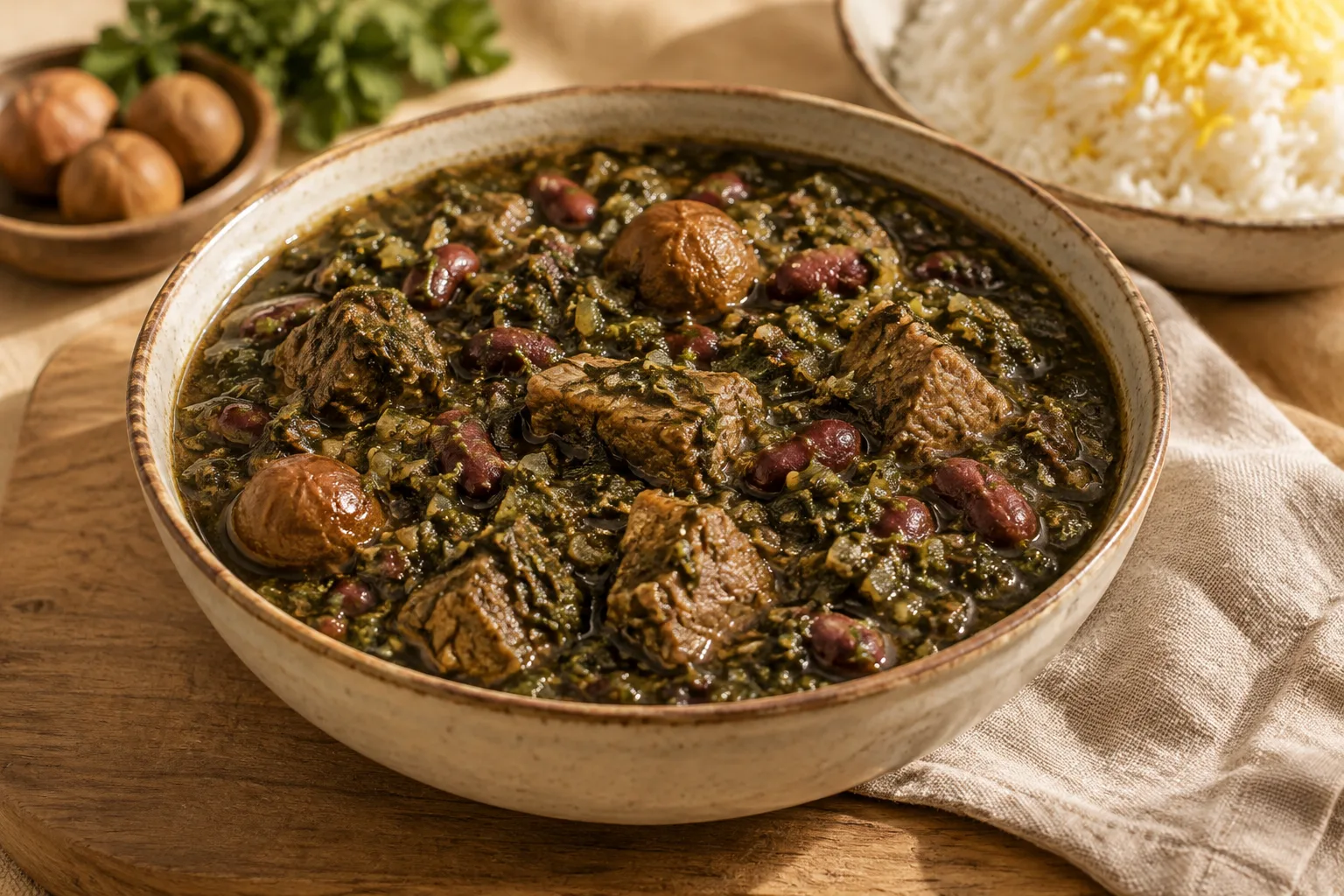
An Iranian stew of lamb or beef with fresh herbs, red kidney beans and dried limes, slowly cooked until the meat is tender.
View recipe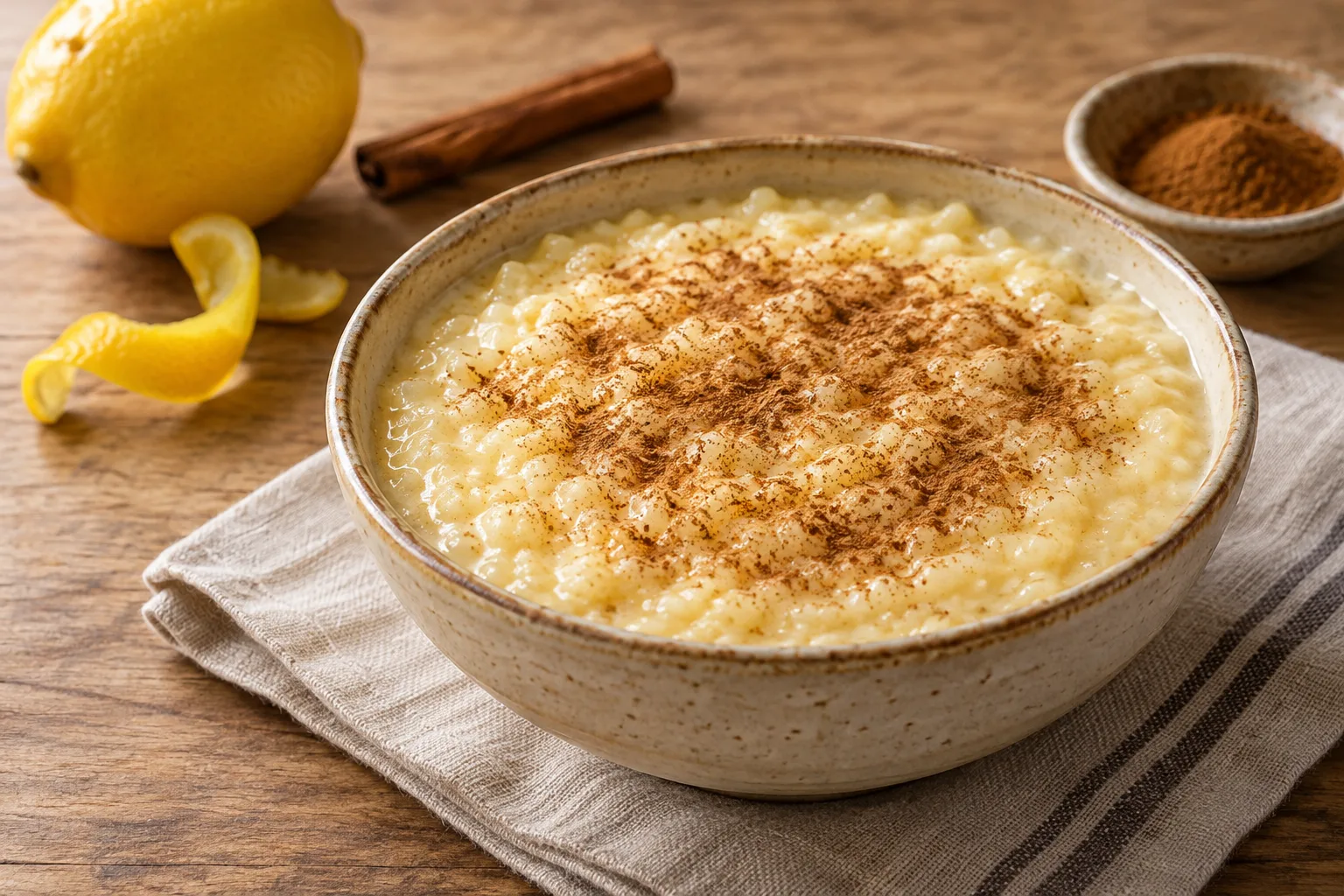
A Portuguese rice dessert cooked in milk scented with lemon and cinnamon, enriched with egg yolks and finished with ground cinnamon.
View recipe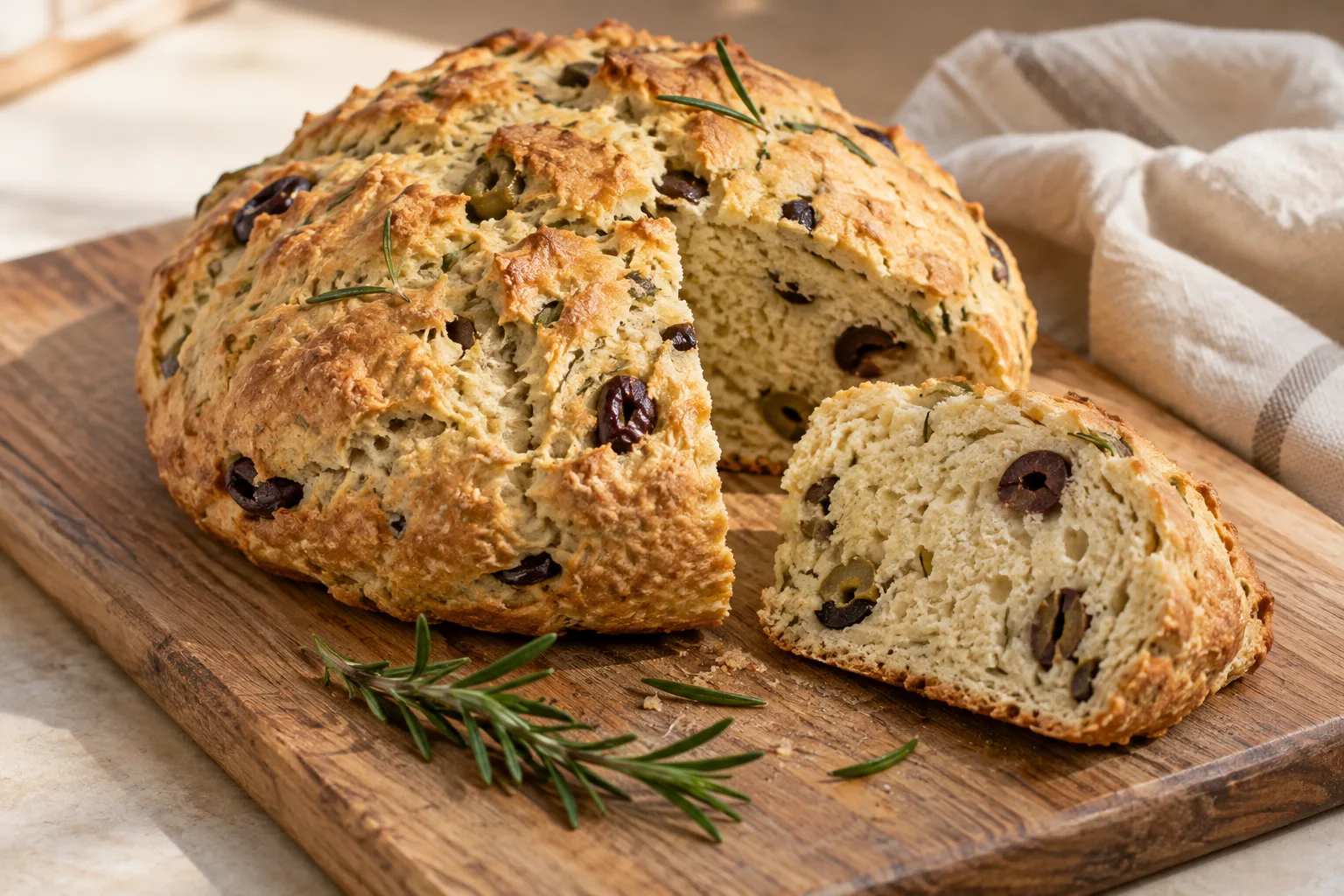
A simple Australian bread made with self-raising flour, olives and rosemary; this version is baked and served freshly made.
View recipe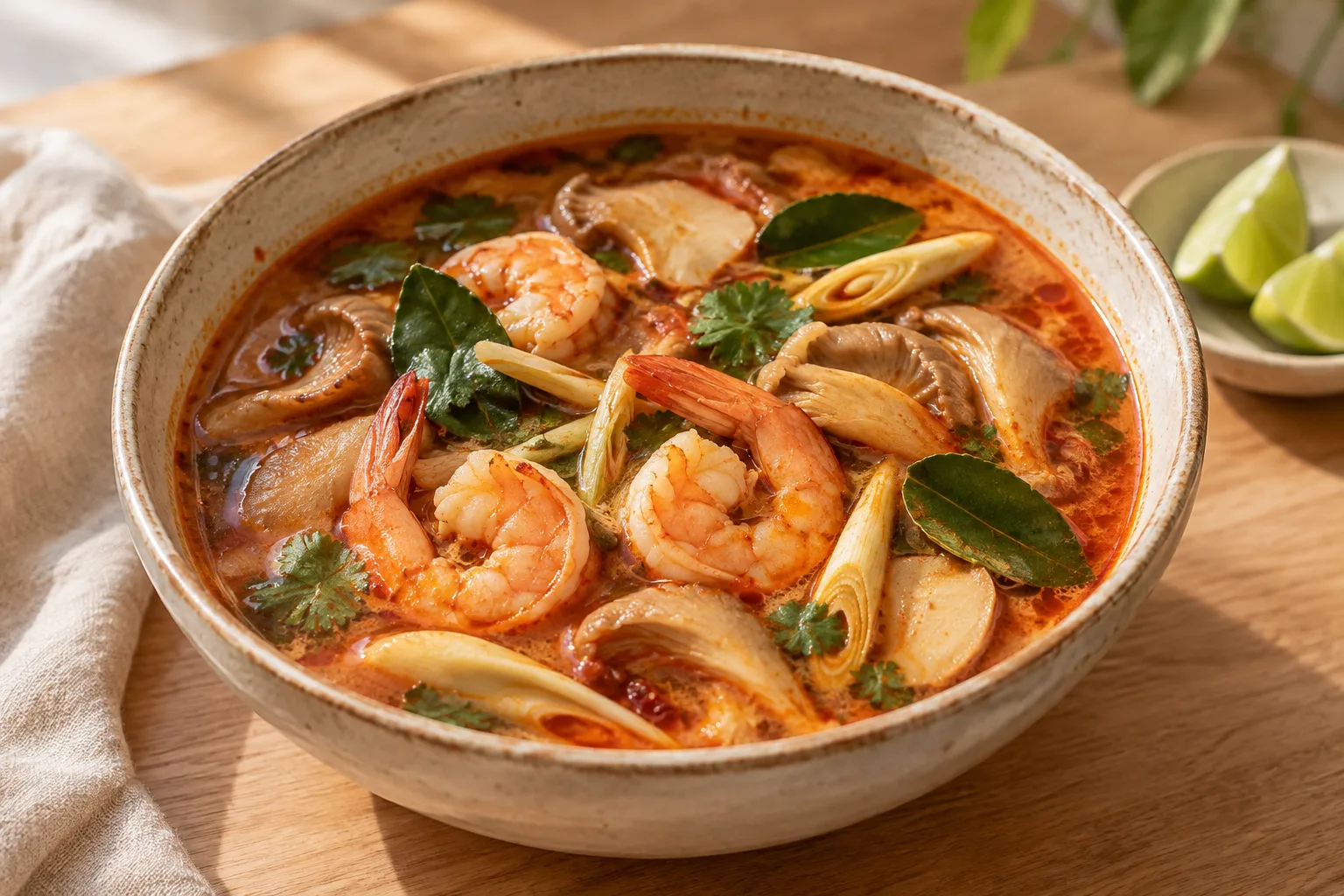
A sour-and-spicy Thai shrimp and mushroom soup scented with galangal, lemongrass and makrut lime leaves. It includes homemade nam prik pao paste.
View recipe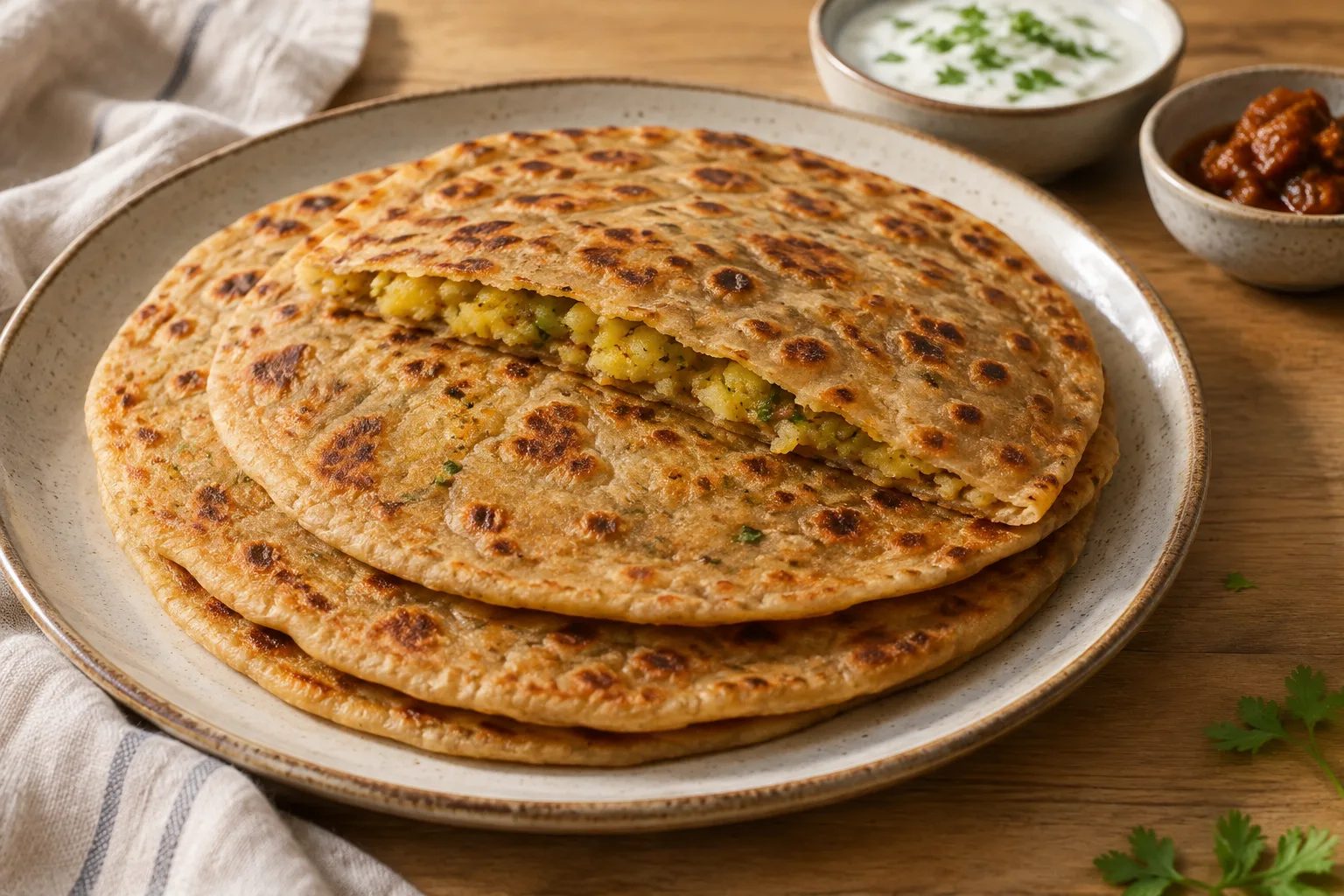
Spiced-potato-stuffed flatbread made with a soft dough and cooked on a griddle until golden.
View recipe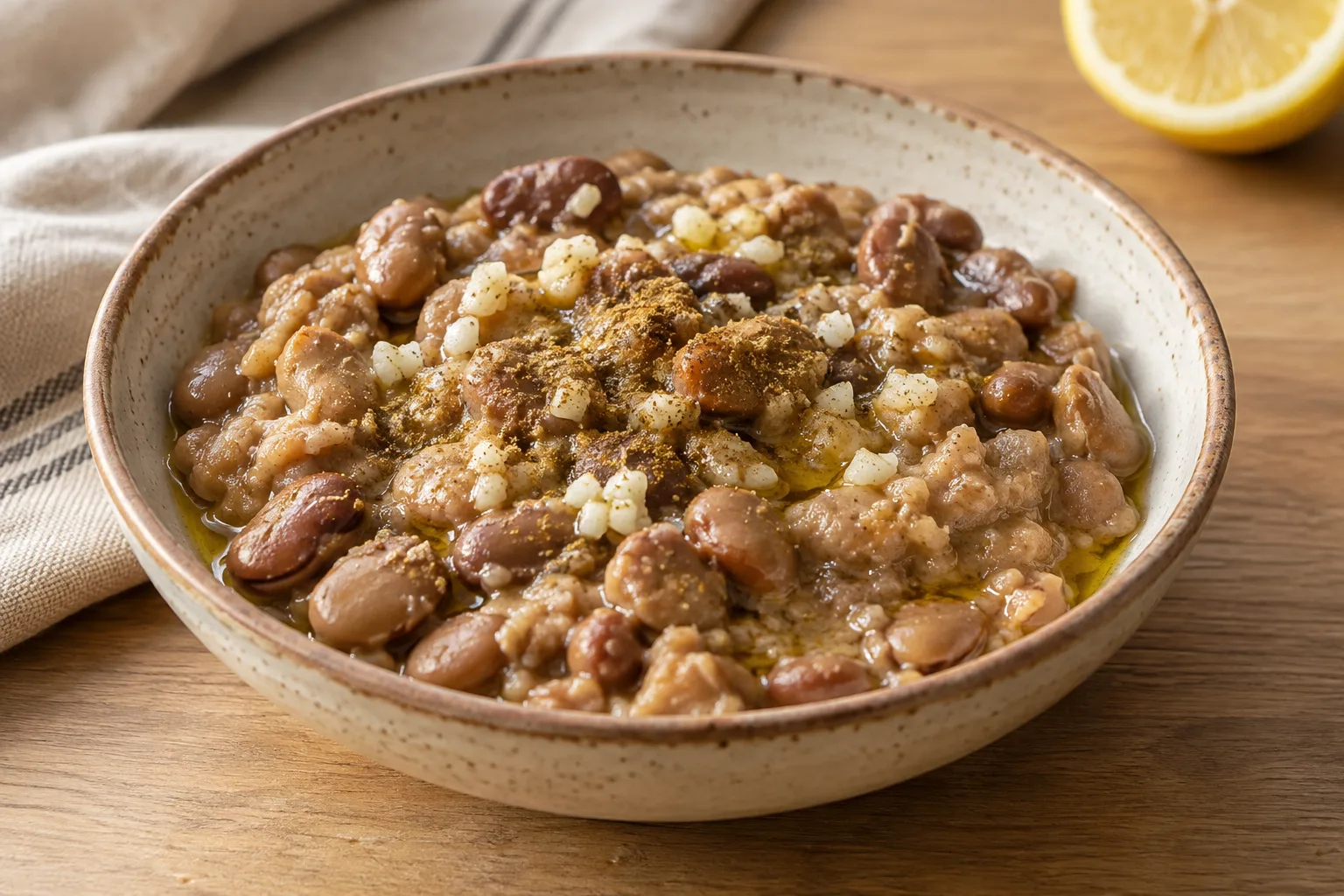
Cooked fava beans, partly mashed and dressed with garlic, lemon, cumin, and olive oil.
View recipe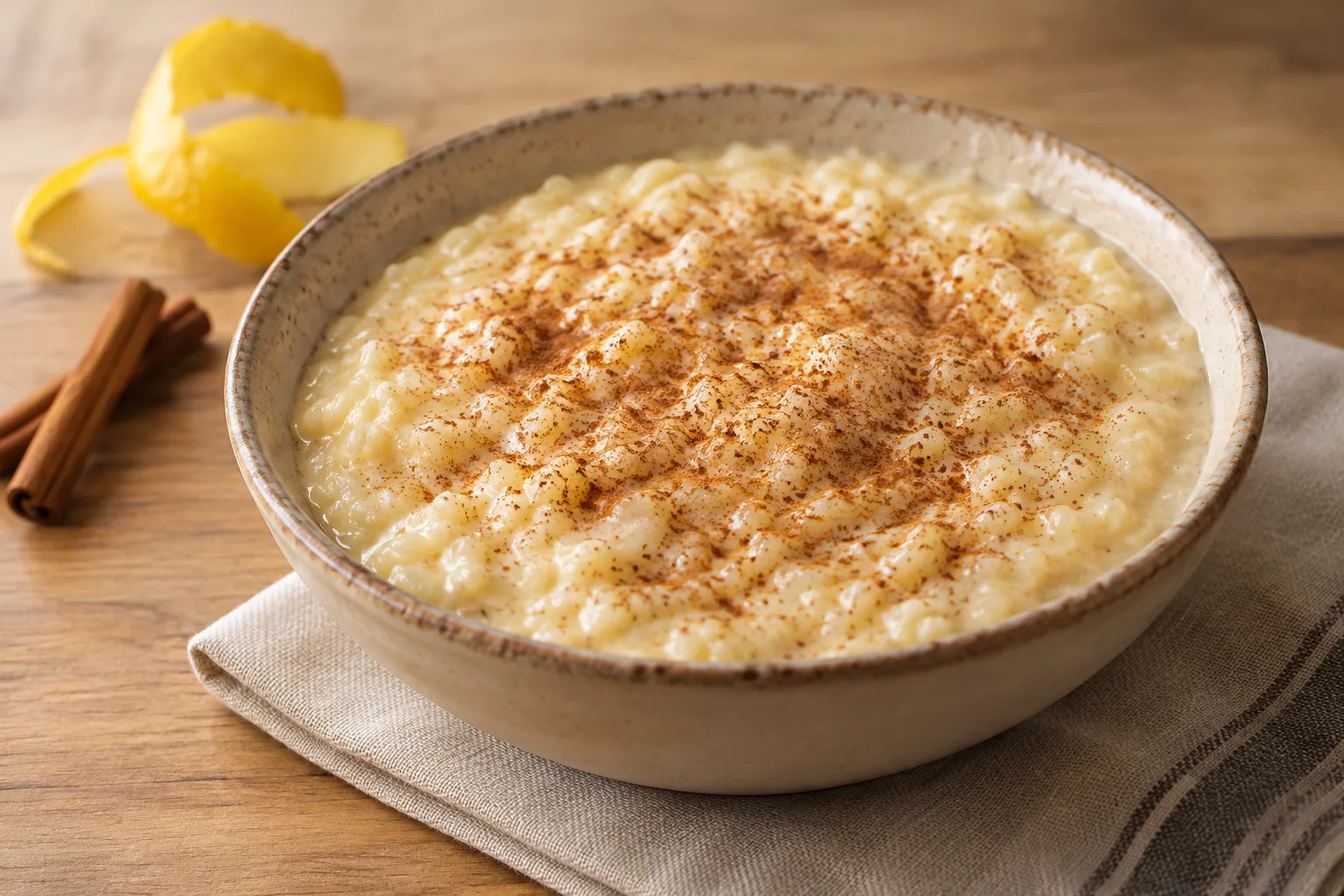
Creamy Portuguese rice pudding cooked with milk infused with lemon and cinnamon, enriched with egg yolks and butter.
View recipe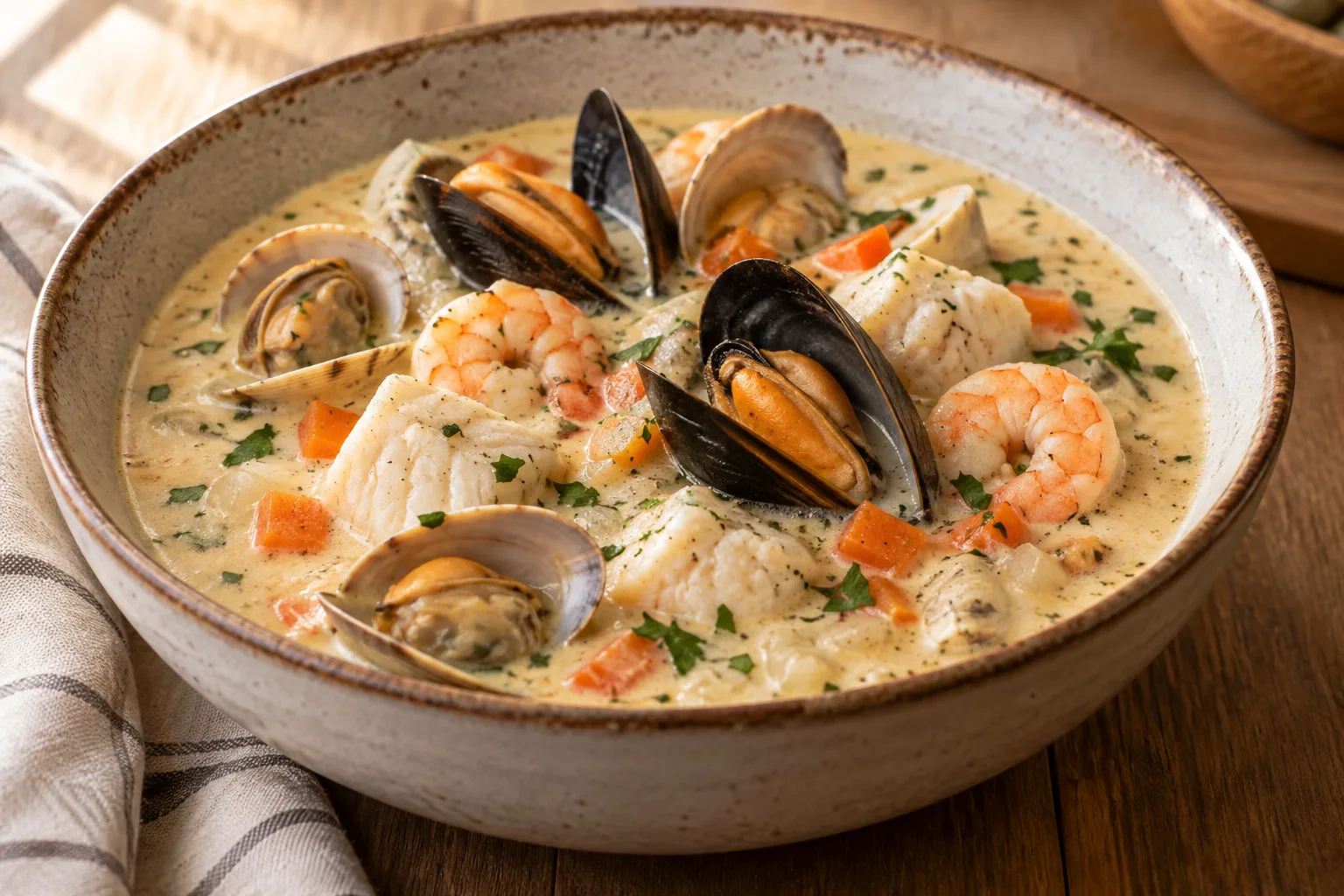
Creamy chowder for 4, with clams, mussels, prawns and white fish. Total time stated by the reference source: 35 minutes.
View recipe