- Category
- Pulses
- State
- Fresh
- Usual unit
- Variable
What it is
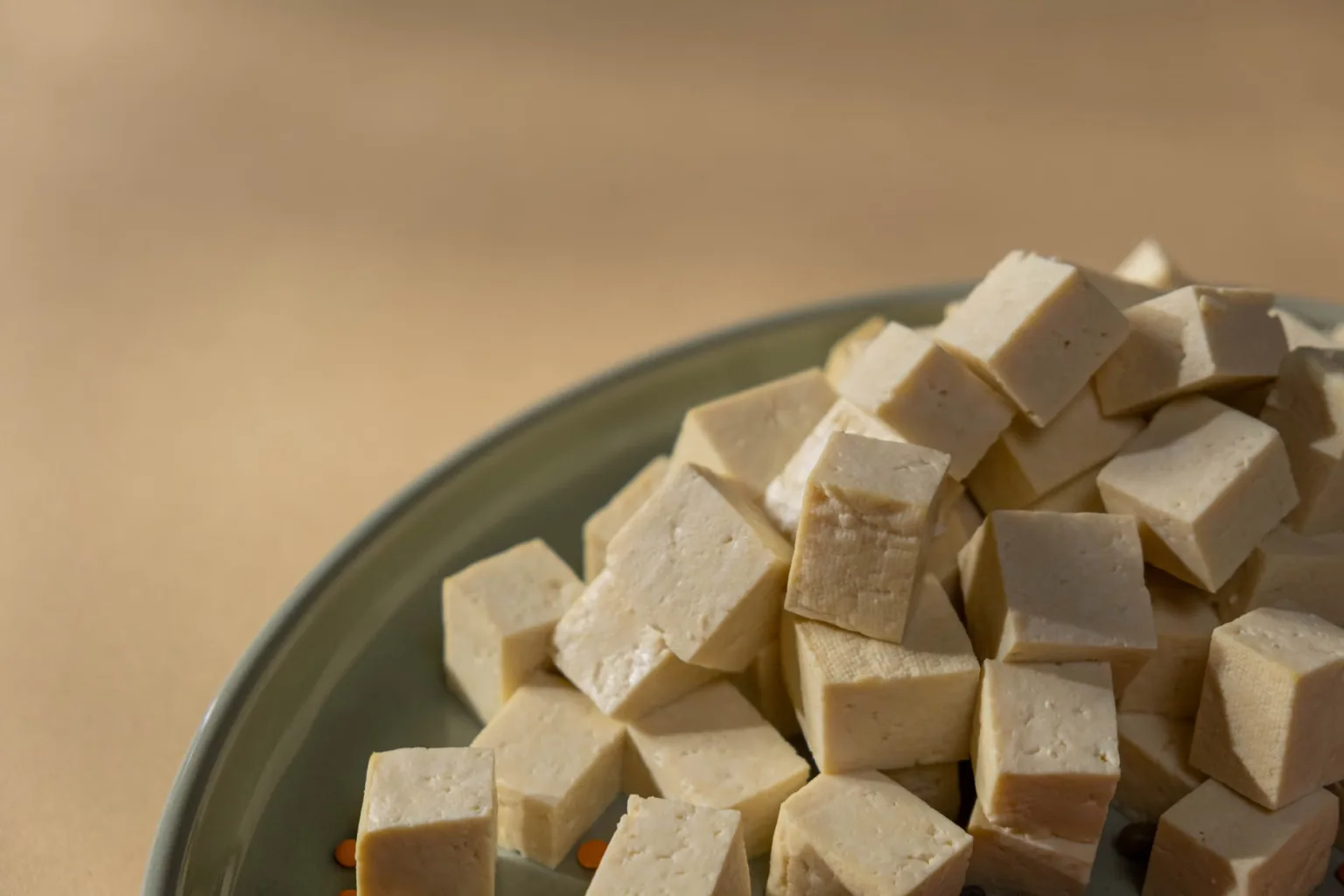
Tofu, also called soybean curd, is made by coagulating soy milk and, in many cases, pressing the curds into a block. The amount of water and the production method affect whether the result is delicate and silken or more compact and firm. Firm and extra-firm tofu generally hold their shape better when cut and cooked; silken tofu is smooth, creamy, and easily broken up. Its own flavor is mild, so it works with a wide range of ingredients and seasonings. Tofu is sold refrigerated in blocks and also in packaged formats that may have different storage directions. Soy is an allergen, so people with a soy allergy should avoid tofu.
When to use it
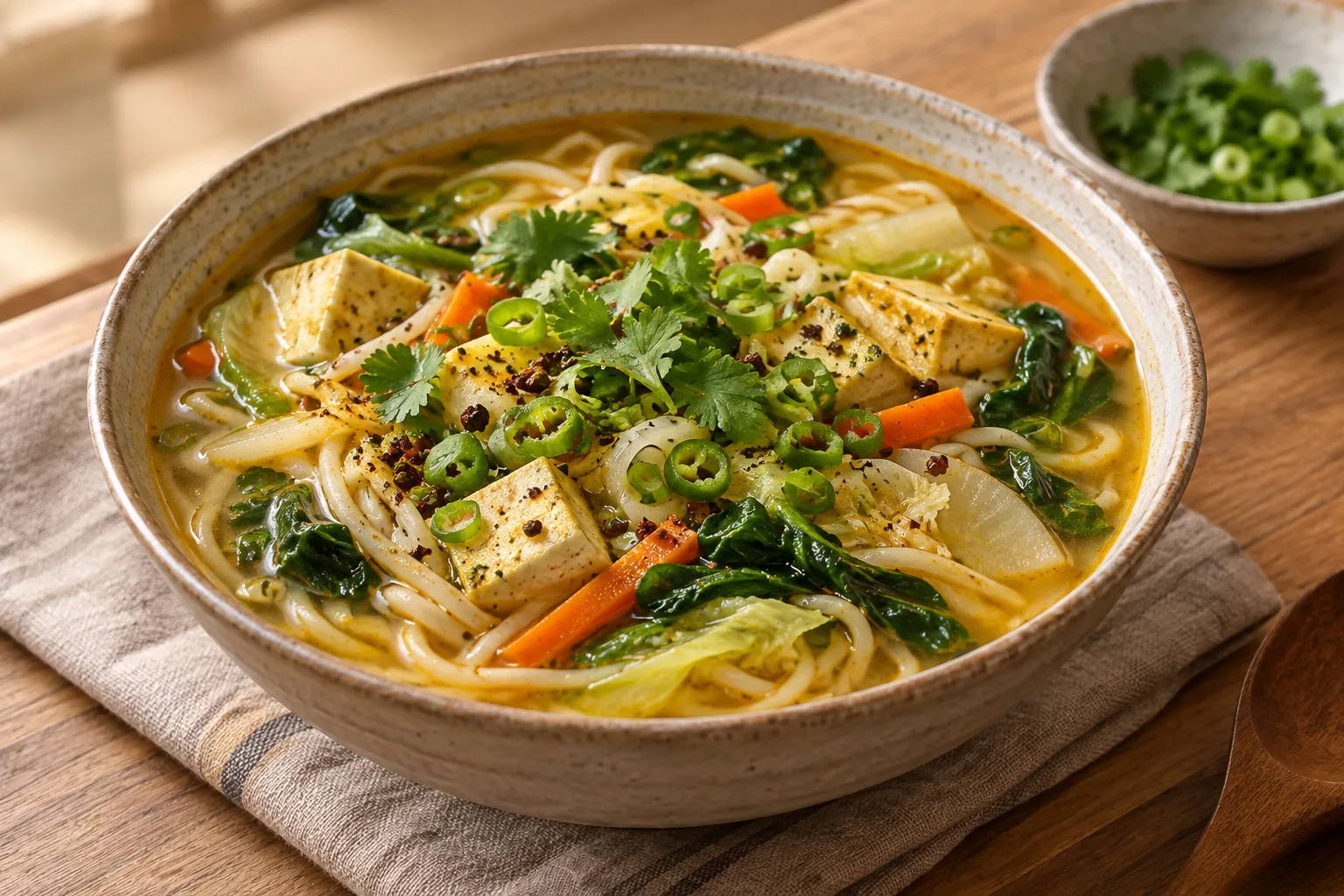
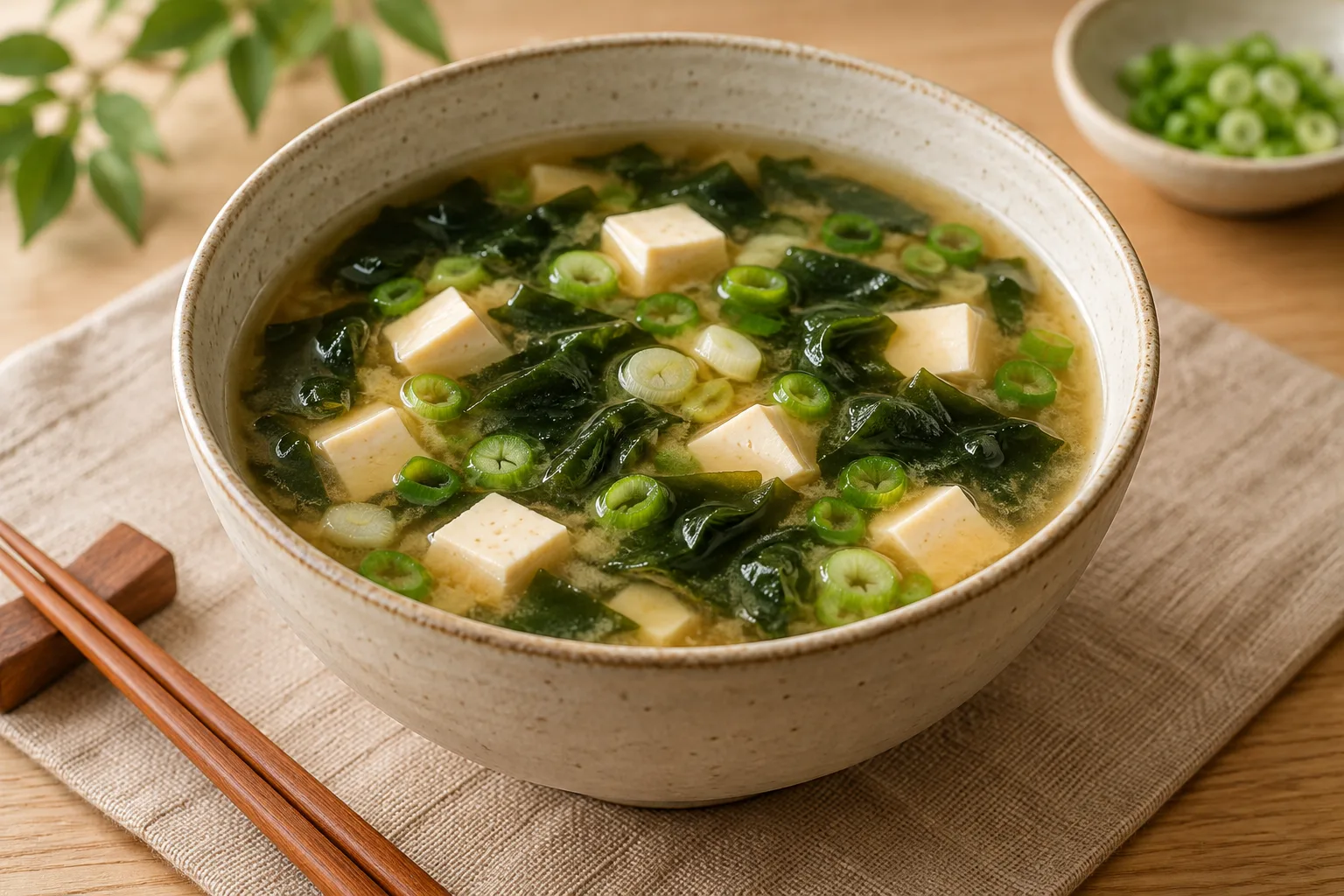
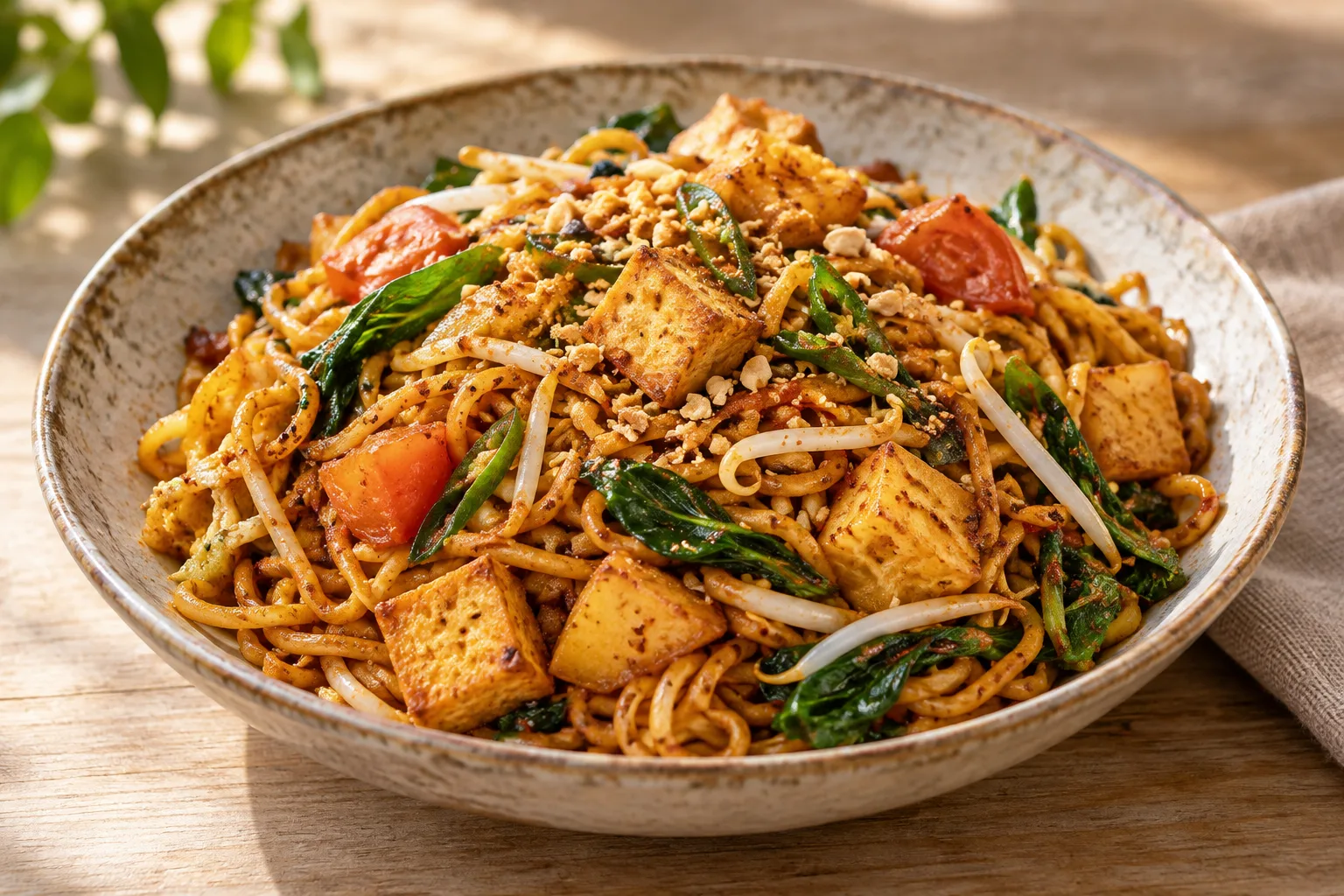
Choose firm or extra-firm tofu when you want cubes or strips that keep their shape in a stir-fry, soup, baked dish, or grilled preparation. Firm tofu can also be crumbled for a plant-based scramble. Silken tofu is better when a dish should be creamy, such as a blended sauce, smoothie, or dessert, or when it is gently added to soup. The varieties are not interchangeable in every recipe: delicate tofu can break if pressed or handled like a firm block. For a boldly flavored dish, tofu takes well to marinades and sauces; for a less watery result when cooking, removing some moisture from firm tofu can help.
How to use it
Check the tofu style and package directions before preparing it. Drain the block; if it is firm or extra-firm and you want it to brown or keep its shape, wrap it in a clean towel and press gently to remove some moisture. Avoid pressing silken tofu, which is more fragile. Cut firm tofu into cubes or strips, or crumble it for a scramble. Add a marinade or sauce for flavor, or season it during cooking. Cook it in a pan, bake it, grill it, or stir-fry it, and add it to soups or salads to suit the texture you want. Blend silken tofu into sauces and desserts, or fold it carefully into delicate dishes. Keep perishable tofu refrigerated and store leftovers covered in the refrigerator.
Flavour and texture
Tofu has a mild, sometimes faintly bean-like flavor that usually does not overpower other ingredients. It therefore takes on marinades, spices, and sauces readily. Silken tofu is smooth, moist, and creamy; firm styles are denser and can be cut; extra-firm tofu has a more compact structure. Pressing firm tofu removes some moisture and can make the cooked result less watery. The final texture also depends on the product and cooking method.
How to choose it
Choose a texture to suit the recipe: silken for blending and creaminess, firm for cutting or crumbling, and extra-firm when the pieces need to stand up to cooking. Check the date and storage directions on the package, and make sure the package is intact and properly chilled when refrigeration is required. Tofu is available in refrigerated blocks and other packaged forms; do not assume every format has the same storage requirements before opening.
Storage
Keep tofu sold as a refrigerated product chilled and follow the package date and directions. Once opened, store leftovers covered in a clean container in the refrigerator and use them promptly; guidance can vary by product and package. Do not leave perishable tofu at room temperature for extended periods. Discard it if the package is damaged or there are clear signs of spoilage. Some unopened shelf-stable formats may have different directions, so follow their labels.
Substitutions
Tempeh can replace tofu in savory dishes when a firmer, more pronounced texture works. Seitan can suit chewy preparations, but it is not appropriate for people who need to avoid gluten. Silken tofu can stand in for other creamy ingredients in sauces or desserts; it is not a direct replacement for firm tofu in recipes that need shape-holding cubes. Adjust seasoning and moisture to the substitute.
Common mistakes
Do not treat every tofu style the same: pressing silken tofu can break it, while using a very soft style in a stir-fry may leave it crumbled. Do not skip draining or pressing when a firm-tofu recipe needs a drier surface. Tofu is mild, so cooking it without seasoning can produce a bland result. Also follow the package storage directions and refrigerate leftovers rather than leaving them out.
Safety and allergens
Soy can cause allergic reactions; people with a soy allergy should avoid tofu. Treat refrigerated tofu as perishable: keep it cold, follow package directions, and store leftovers covered in the refrigerator. Do not eat a product with damaged packaging or clear signs of spoilage.
Culinary uses
- Proteína vegetal para platos principales
- Ingrediente suave para sopas, salteados y ensaladas
- Base cremosa para salsas y postres
Recommended techniques
- Saltear o freír en sartén
- Hornear o asar a la parrilla
- Desmenuzar y revolver
- Licuar en preparaciones cremosas
- Prensar las variedades firmes para retirar parte del agua
Pairs well with
- Salsa de soja y jengibre encurtido
- Miso, limón y ajo
- Verduras, setas y especias
- Salsas y marinadas sabrosas
Frequently asked questions
Does tofu always need to be pressed?
No. Pressing can help remove moisture from firm or extra-firm tofu when you want it to hold its shape better during cooking. Silken tofu is delicate and is generally not pressed.
Does tofu have a strong flavor on its own?
Its flavor is usually mild and unobtrusive. Add a marinade, spices, or sauce for more flavor, and choose the texture that suits the dish.
Can someone with a soy allergy eat tofu?
They should avoid it. Tofu is made from soybeans, and people with a soy allergy should not eat it.
Ingredient allergens
Allergen listThere are no verified associations for these ingredients yet.
Estimated nutrition
- Fat
- 2.2 g
- Saturates
- 0 g
- Carbohydrate
- 1.1 g
- Sugars
- 0 g
- Fibre
- 0 g
- Protein
- 4.4 g
- Salt
- 0.04 g
Sources and review
Automatically researched, cross-checked and validated content. Sources consulted:
- Client Challenge doi.org/10.2307/jj.27939689.16
- Publicaciones de Seguridad alimentaria www.aesan.gob.es/actualidad/publicaciones-seguridad-alimentaria
- Tofu Made Easy: A Simple Guide to a Nutritious and Versatile, Plant-Based Protein | Rutgers Cooperative Extension extension.rutgers.edu/fs792
- Tofu - Food Source Information www.chhs.colostate.edu/fsi/food-articles/complex-food/tofu/
- How to Make Tofu | Institute of Culinary Education www.ice.edu/blog/how-make-tofu
- Tofu: Making a place for this nutritious, plant-based food in your diet - Harvard Health www.health.harvard.edu/diet-and-nutrition/tofu-making-a-place-for-this-nutritious-plant-base…
- All About Tofu | Eat.Move.Save. | Illinois eat-move-save.extension.illinois.edu/blog/all-about-tofu
- Space Food, Tofu in Hot Mustard Sauce | National Air and Space Museum airandspace.si.edu/collection-objects/space-food-tofu-in-hot-mustard-sauce/nasm_A20120214000
- Standardization parameters for production of tofu using WSD ... ageconsearch.umn.edu/record/209873/files/19930-71304-1-PB.pdf
- Plant-Based Protein: Tofu Scramble | MUSC www.musc.edu/content-hub/news/2022/07/25/plant-based-protein-tofu-scramble
- Resources | Sargent Choice Nutrition Center www.bu.edu/scnc/category/resources/
- Tofu - Wikipedia, la enciclopedia libre es.wikipedia.org/wiki/Tofu
- Tofu, qué es, cómo se hace y beneficios bonviveur.com/es/noticias/tofu
- Food allergen labelling and information requirements technical guidance - GOV.UK www.gov.uk/government/publications/food-allergen-labelling-and-information-requirements-tech…