Kitchen notebook

World cuisine

Articles and guides about World cuisine: cooking ideas, explanations and tips researched and checked by KitchenPause.

Seasonal produce

Spring in the basket: choosing and storing seasonal vegetables

Image generated by the Kitchenpause team

Asparagus, peas, broad beans, artichokes and tender greens signal spring. Learn to read the seasonal calendar flexibly, choose vegetables in good condition and organize storage without treating seasonality as a rigid rule.

Latest additions

Latest additions

Available content that can be reviewed from the recipe collection.

Image generated by the Kitchenpause team
World cuisine

Latvian Foodways: Rye, Seasonal Produce, and Shared Traditions

Latvian cuisine reflects the country’s Baltic coastline, farms, forests, rivers, and lakes. Rye bread, potatoes, barley, pork, dairy, fish, berries, and mushrooms form a varied pantry shaped by the seasons and by food traditions shared across the region. Fermentation, smoking, pickling, and baking preserve ingredients and create familiar tastes, while dishes such as grey peas with bacon, cold beet soup, Jāņi caraway cheese, and Kurzeme’s sklandrausis show how particular preparations connect with occasions and places without standing for the whole cuisine.

Read →
Image generated by the Kitchenpause team
World cuisine

Liberia’s Culinary Atlas: Rice, Cassava, Greens, and Coastal Flavors

Liberian cooking draws on rice, cassava, plantains, leafy vegetables, palm products, fish, and meat, brought together in everyday meals and celebratory dishes. Rice may be served plain with a stew, cooked as jollof, or made into flour for bread; cassava becomes distinct pounded staples such as dumboy and geebee. Soups and stews vary in their greens, proteins, texture, and heat. Documented examples include geebee among Gio and Mano communities in Nimba, dumboy in Grand Bassa and Rivercess, and coastal fish markets and smoking practices around Monrovia. These traditions sit within Liberia’s varied communities and a history of regional and transatlantic exchange.

Read →
Image generated by the Kitchenpause team
World cuisine

Haitian Cuisine: Creole Pantry, Shared Meals, and Regional Specialties

Haitian cooking brings together Indigenous Caribbean, African, European, and Levantine influences, shaped over generations into a distinctive Creole food culture. Rice, beans, corn, cassava, breadfruit, vegetables, meat, and seafood appear in varied everyday and celebratory meals, seasoned with herbs, aromatics, citrus, and peppers. Joumou soup has a particular place in Independence Day observance, while regional specialties such as Grand’Anse tonmtonm, Artibonite lalo, and northern cashew dishes show that no single menu represents every Haitian community.

Read →
Image generated by the Kitchenpause team
World cuisine

Guernsey: Island Cooking Between Pasture, Orchard and Sea

Guernsey’s food draws on dairy farming, gardens, baking and the waters around the island. Its best-known preparations include the slowly cooked bean jar, fruit-studded gâche, apple gâche mélée and seasonal ormer casserole, alongside crab and lobster. Family recipes, older preservation practices and present-day food events show how island cooking has changed while continuing to bring local ingredients to the table.

Read →
Image generated by the Kitchenpause team
World cuisine

Foodways of the Federated States of Micronesia: Islands, Crops, and Shared Meals

Across the Federated States of Micronesia, island foodways reflect distinct places and communities rather than a single national menu. Fish, coconut, taro, bananas, breadfruit, and other crops appear in the evidence alongside local practices such as Kosrae’s tuna-and-coconut soups, Pohnpei’s earth-oven breadfruit, and breadfruit fermentation described for Yap’s outer islands. These preparations sit within changing histories of cultivation, trade, and community life.

Read →
Image generated by the Kitchenpause team
World cuisine

Ecuadorian Cuisine: Pacific Coast, Andes, Amazon and Islands

Ecuador’s culinary traditions reflect four distinct landscapes: the Pacific coast, the Andean highlands, the Amazon and the Galápagos Islands. Fish, shellfish, plantains, maize, potatoes, yuca and seasonal fruits appear in varied regional preparations, from coastal encebollado and Manabí viche to Andean mote pillo and Amazonian maito. Markets, everyday lunches and family cooking bring these differences together without reducing the country’s many foodways to a single menu.

Read →
Image generated by the Kitchenpause team
World cuisine

Djiboutian Cuisine: Fermented Breads, Spiced Rice and Red Sea Connections

Djibouti’s food reflects its position in the Horn of Africa, between the Red Sea and Gulf of Aden and near Ethiopia, Eritrea, Somalia and the Arabian Peninsula. Rice cooked with meat and spices, hearty soups, legumes, fish and fermented or layered flatbreads feature in a diverse culinary landscape shaped by Afar and Somali traditions and wider regional exchange. Recipes and customs vary among households. Shared dishes, bread for accompanying stews, and the serving of tea or coffee to visitors all have a place in accounts of Djiboutian food and hospitality.

Read →
Image generated by the Kitchenpause team
World cuisine

Christmas Island: Foodways Between the Indian Ocean and Southeast Asia

Christmas Island’s food culture brings Malay, Chinese and Australian influences into everyday contact on a remote Australian territory in the Indian Ocean. Restaurant meals, family cooking and shared picnic spaces draw on Asian dishes, pub favourites, locally caught fish and tropical produce, while much of the food supply depends on imports. The island’s mining history, migration and religious diversity help explain this varied food landscape. Its ingredients and dining options change with deliveries, local availability and the calendar, so no single dish or menu represents every household or community.

Read →
Image generated by the Kitchenpause team
World cuisine

Cocos (Keeling) Islands Cuisine: Malay Heritage, Coconut and Shared Island Food

Food in the Cocos (Keeling) Islands reflects the history and everyday life of the Cocos-Malay community, the atoll environment and the islands’ connections with Australia and the wider Malay world. Rice, fish, coconut, spices and chilli shape familiar meals, while Ramadan, Hari Raya and family gatherings give food an important place in community life. Home Island and West Island offer distinct settings for experiencing this living food culture.

Read →
Image generated by the Kitchenpause team
World cuisine

Bahamian Cooking: Island Waters, Local Ingredients, and Shared Tables

Across the Bahamas, an Atlantic archipelago, seafood shares the table with rice, peas, breads, vegetables, and tropical fruit. Conch is prepared as a fresh salad, a hearty soup, fritters, or crisp fried pieces; fish appears in stews and informal fish fries. These dishes sit within a diverse culinary history shaped by Indigenous, African, European, and Caribbean influences, and by the distinctive communities and food traditions of the islands.

Read →
Image generated by the Kitchenpause team
World cuisine

Bulgaria at the Table: Garden Produce, Yogurt, Slow-Cooked Dishes and Balkan Flavors

Bulgarian cooking draws on fertile plains, mountain landscapes and the Black Sea and Danube, bringing fresh vegetables together with yogurt, brined cheese, herbs, grilled foods and slow-cooked stews. Seasonal habits shape the table: chilled tarator suits warm weather, while beans, preserved vegetables and clay-pot dishes offer hearty fare in colder months. Regional specialties—from Rhodope potato dishes to Black Sea fish—sit alongside foods shared across the Balkans.

Read →
Image generated by the Kitchenpause team
World cuisine

Burkina Faso: Grain Staples, Sauces and Shared Foodways

Burkina Faso’s cooking brings together millet, sorghum, maize, rice and fonio with vegetables, beans, peanuts, fish and meat. Firm tô with sauce, the leafy rice dish babenda and one-pot riz gras show how grains become the centre of different meals. Fermented soumbala, grilled chicken and drinks such as dolo and zoom koom add distinctive flavours and social meanings, while local preparations vary across communities and places.

Read →
Recipes

Recipes to enjoy

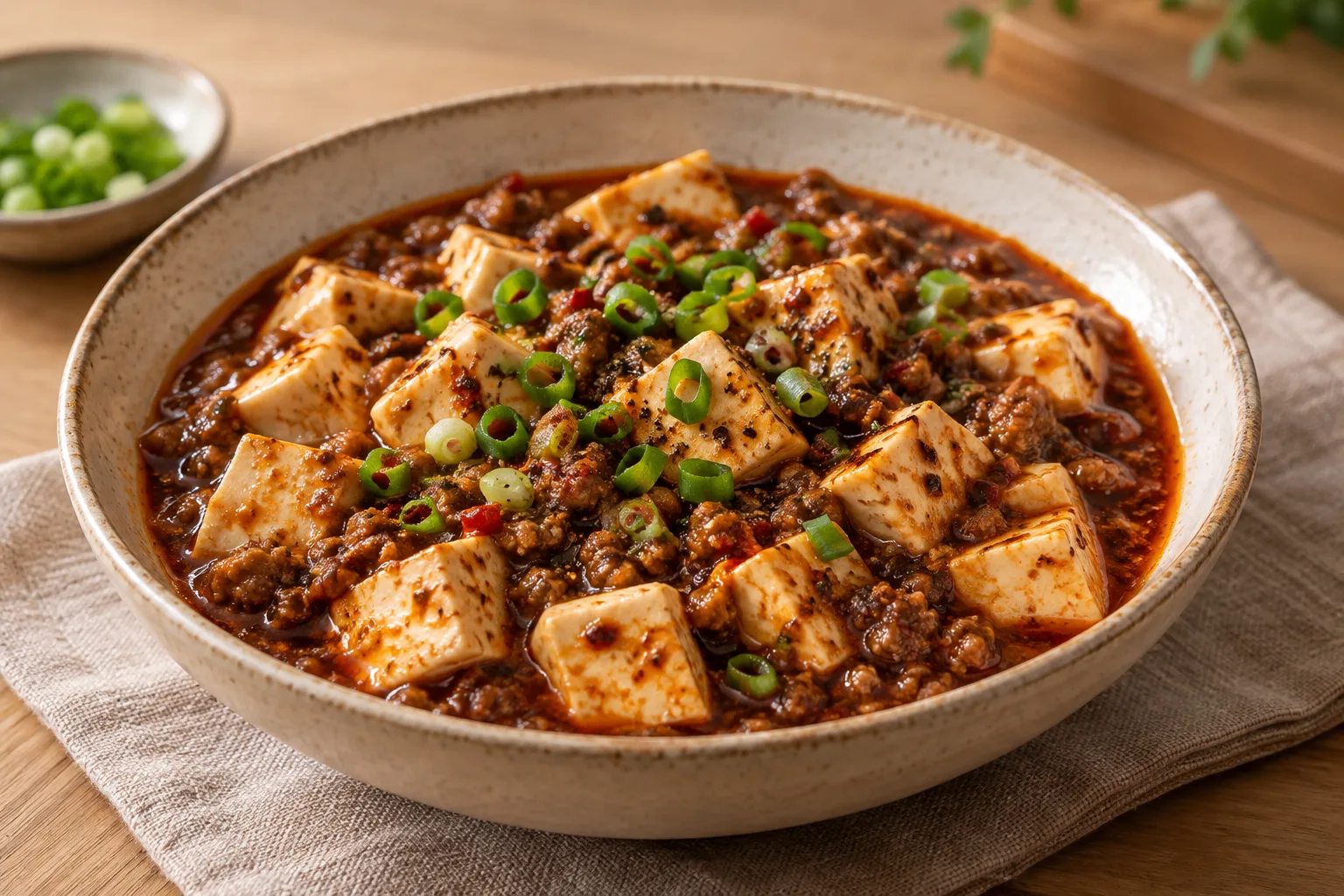
Mapo tofu
Image generated by the Kitchenpause team
35 minIntermediate

Mapo tofu

Tender tofu and minced pork in a savory sauce with doubanjiang, ginger, and Sichuan pepper. Serves 4; timings are estimates.

View recipe
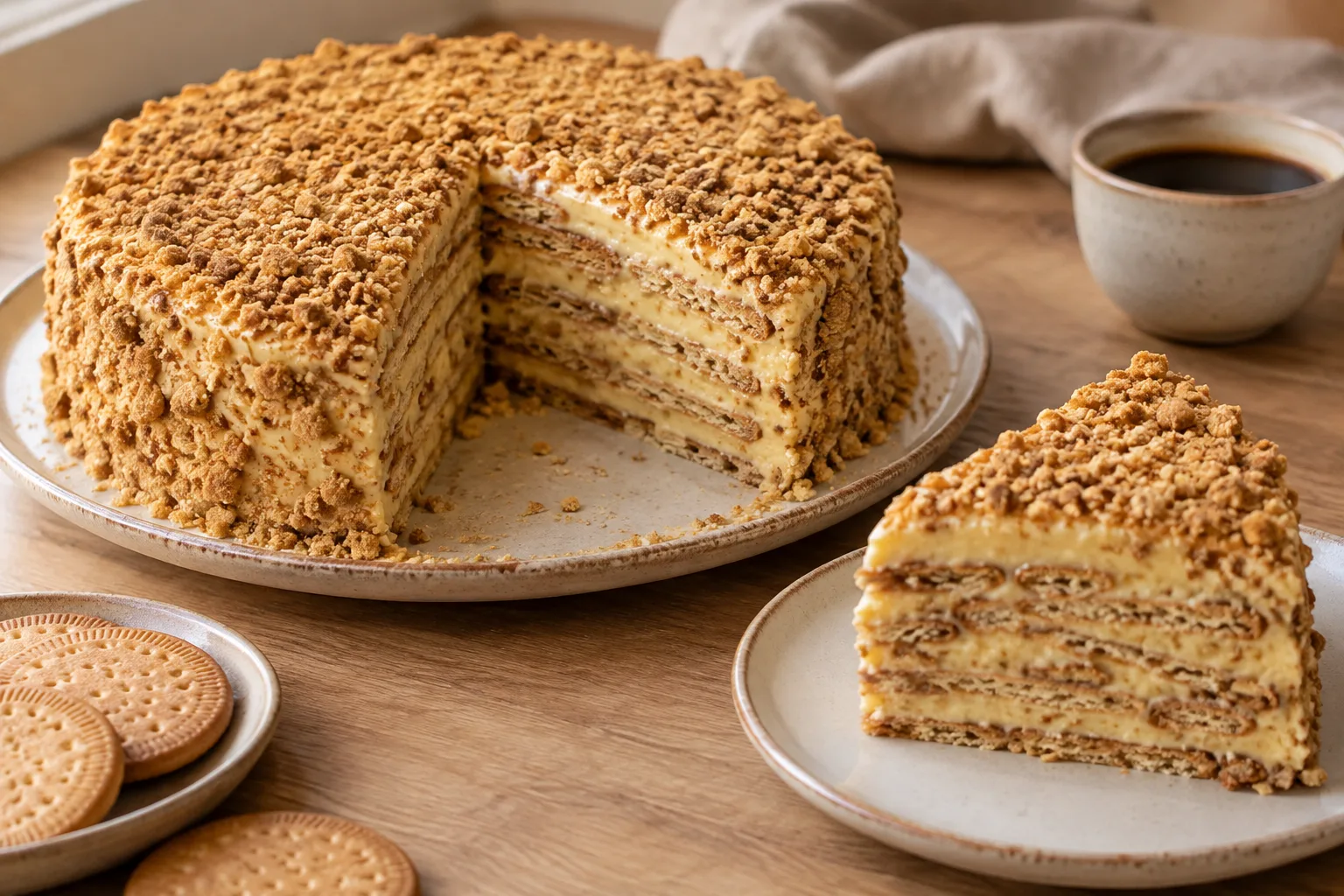
Bolo de bolacha
Image generated by the Kitchenpause team
210 minEasy

Bolo de bolacha

A no-bake Portuguese cake made with Maria biscuits dipped in coffee and layers of buttercream with egg yolks. Serves 6; allow about 30 minutes to prepare and 3 hours to chill.

View recipe
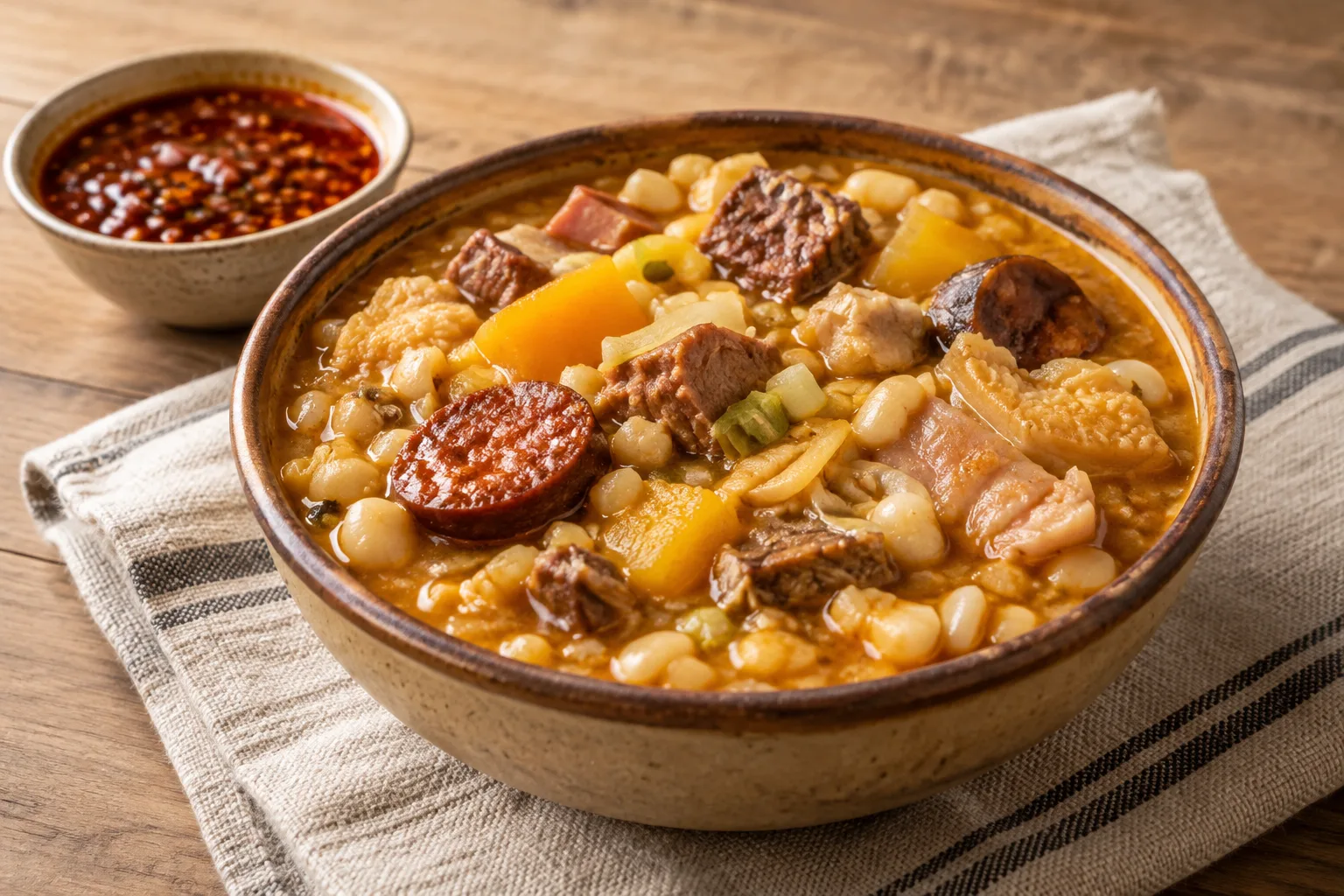
Argentine locro
Image generated by the Kitchenpause team
670 minAdvanced

Argentine locro

A thick Argentine stew of white corn, beans, squash and assorted meats, served with a red pepper sauce. Makes about 8 servings; hands-on time and yield are approximate.

View recipe
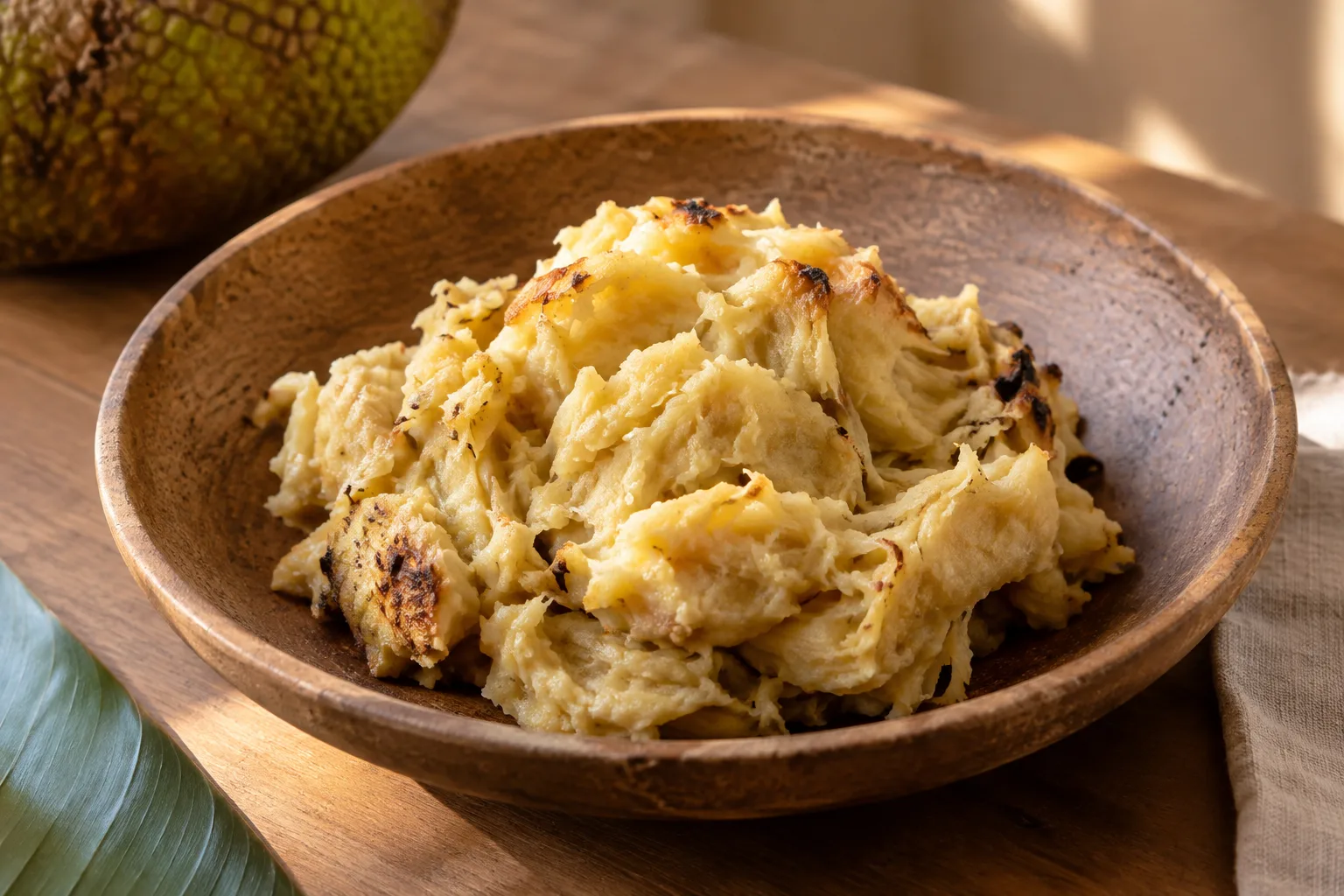
Pohnpei Lihli
Image generated by the Kitchenpause team
15 minIntermediate

Pohnpei Lihli

Very ripe breadfruit, roasted over an open fire and pounded. Hands-on preparation is estimated at 15 minutes; roasting is guided by a visible cue rather than a fixed time.

View recipe
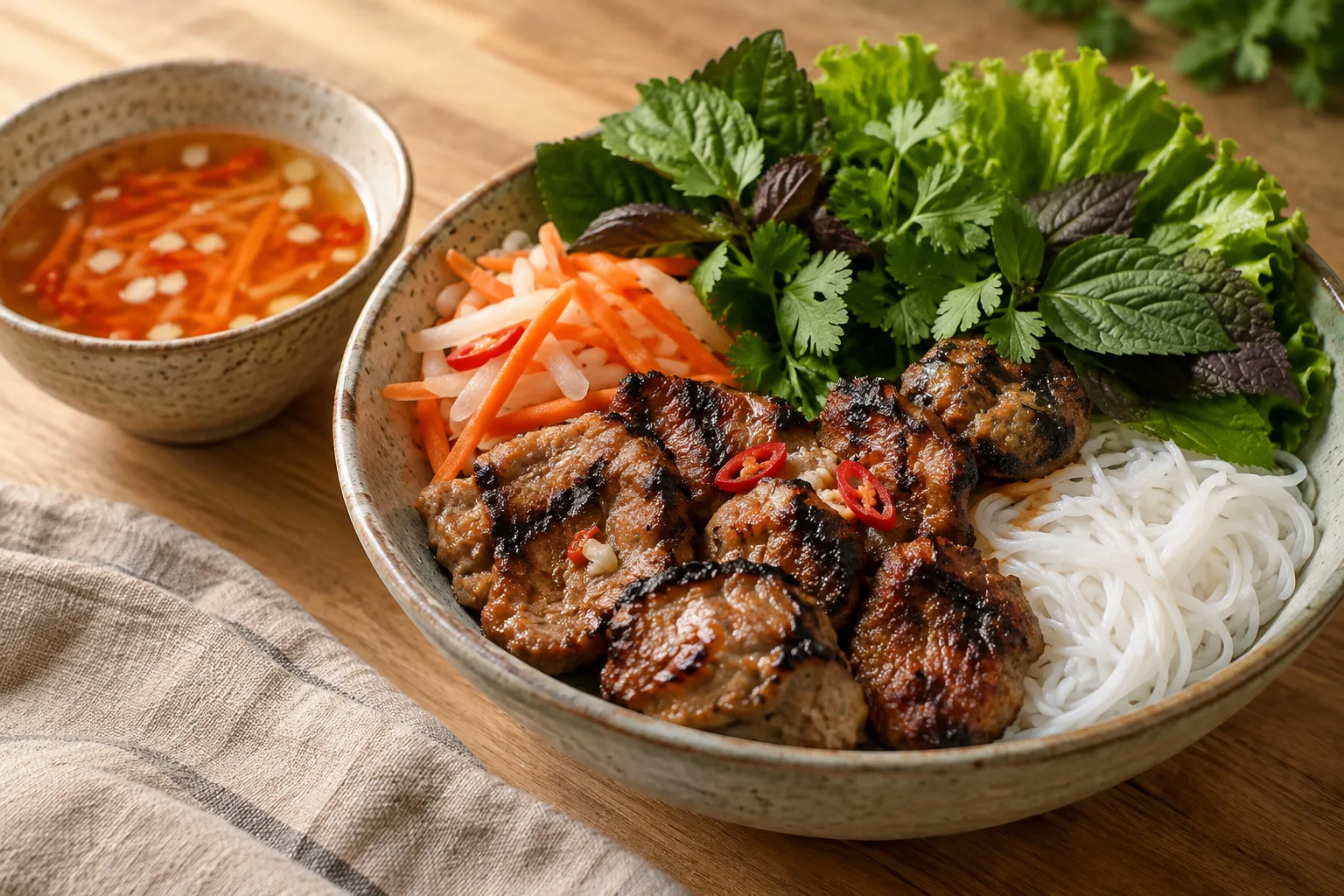
Vietnamese bún chả
Image generated by the Kitchenpause team
200 minIntermediate

Vietnamese bún chả

Grilled pork, rice noodles, pickled vegetables and fresh herbs, served with a sweet-and-sour fish sauce. Serves 4; times are approximate.

View recipe
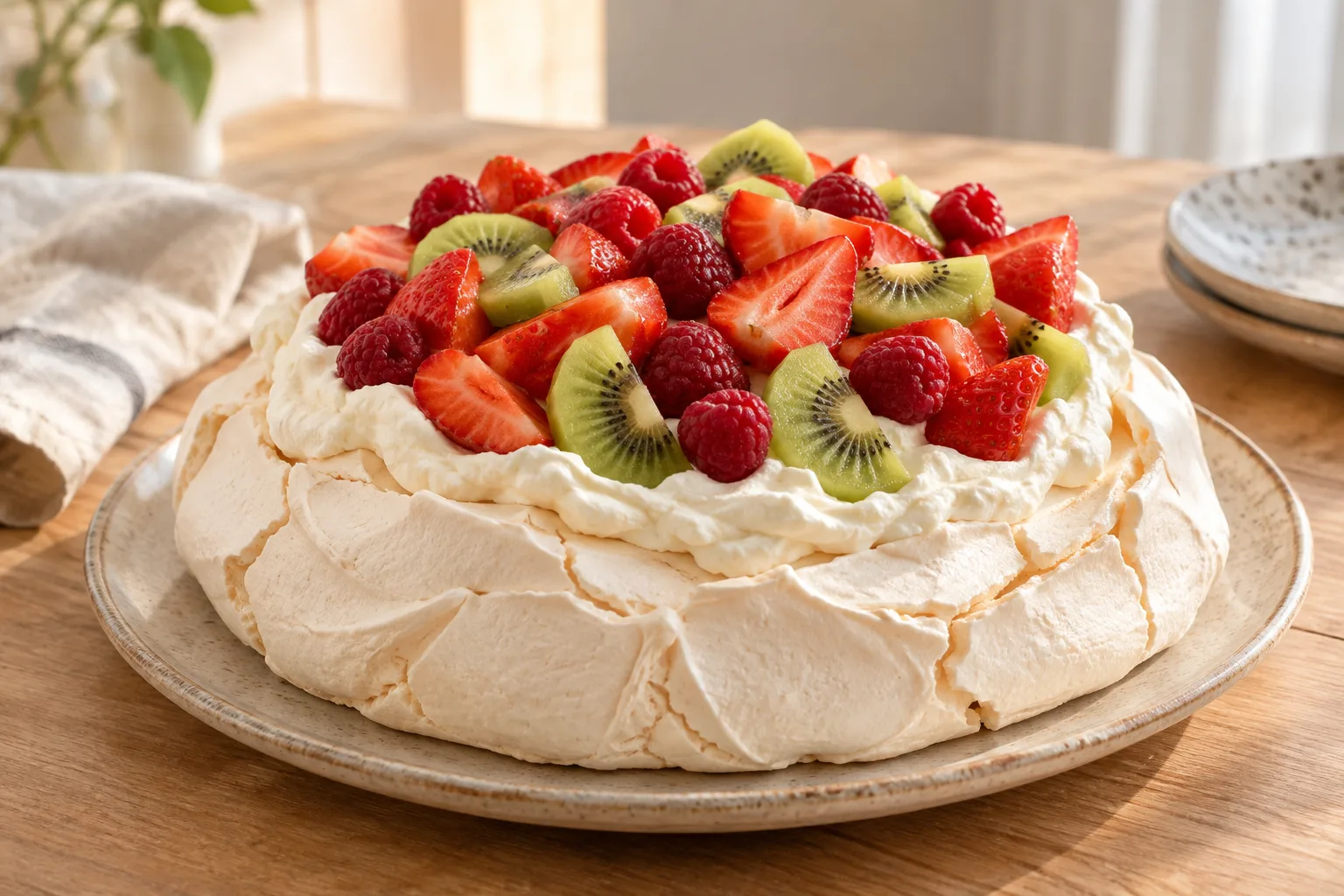
New Zealand Pavlova
Image generated by the Kitchenpause team
345 minIntermediate

New Zealand Pavlova

Baked meringue, crisp outside and tender inside, topped with whipped cream, strawberries, raspberries, and kiwi.

View recipe
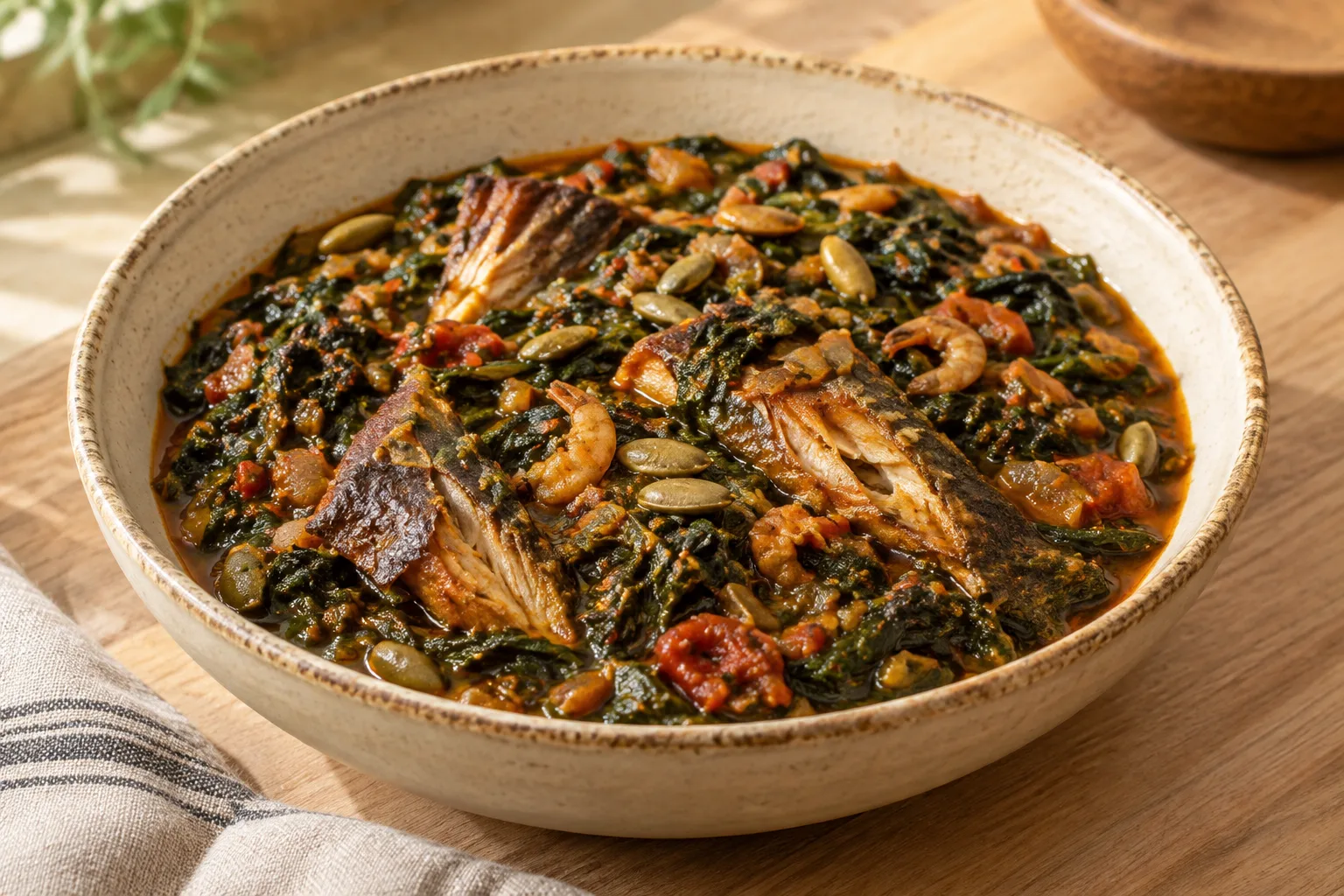
Ghanaian Kontomire Stew
Image generated by the Kitchenpause team
75 minIntermediate

Ghanaian Kontomire Stew

A thick stew of cocoyam leaves with tomato, red palm oil, smoked fish and pumpkin seeds. Makes 4 servings; approximate preparation time: 25 minutes, cooking time: 50 minutes.

View recipe

We use session and security technologies to provide our features. Only with your permission do we load Google Analytics to measure visits and Google Maps on Contact. Choose separately, reject or accept both.

Withdraw either permission here. Withdrawing analytics reloads the page to unload the running tag.

Cookie policy