Kitchen notebook

World cuisine

Articles and guides about World cuisine: cooking ideas, explanations and tips researched and checked by KitchenPause.

Seasonal produce

Spring in the basket: choosing and storing seasonal vegetables

Image generated by the Kitchenpause team

Asparagus, peas, broad beans, artichokes and tender greens signal spring. Learn to read the seasonal calendar flexibly, choose vegetables in good condition and organize storage without treating seasonality as a rigid rule.

Latest additions

Latest additions

Available content that can be reviewed from the recipe collection.

Image generated by the Kitchenpause team
World cuisine

Barbados: Flying Fish, Cou-Cou and a Cuisine of Island Encounters

Bajan food draws on the waters and cultivated crops of Barbados, shaped by African, British and wider Caribbean histories. Flying fish with cou-cou is a national emblem, but the island’s food culture also includes Saturday pudding and souse, macaroni pie, fish cakes, conkies, breadfruit and sweet treats. Family meals, food stalls and public celebrations offer different settings for these dishes, while local variations show that no single plate can represent every Barbadian table.

Read →
Image generated by the Kitchenpause team
World cuisine

Albania at the Table: Mountain, Field, and Coastal Foodways

Albanian cooking reflects a varied landscape and long contact with Mediterranean, Balkan, and Ottoman food traditions. Olive oil, bread, vegetables, dairy, and seasonal produce recur alongside regional meat and seafood dishes. Byrek, tavë kosi, fërgesë, and flija show how shared ingredients take distinct forms in family kitchens, local specialties, and meals made for guests.

Read →
Image generated by the Kitchenpause team
World cuisine

Zambian Cuisine: Nshima, Relishes, and a Diverse Pantry

Zambian meals often centre on nshima, a firm maize-flour staple served with relishes of vegetables, beans, fish, or meat. The country’s inland waters, leafy vegetables, groundnuts, and varied grains contribute to a food culture that differs across communities and places. Bemba accounts of millet ubwali, Chewa nsima, dried kapenta, and the social sharing of food and traditional beer offer distinct, documented views into this varied cuisine.

Read →
Image generated by the Kitchenpause team
World cuisine

Uzbekistan’s Culinary Atlas: Plov, Bread, Noodles and Shared Tables

Uzbekistan’s food reflects the meeting of settled farming and pastoral traditions across Central Asia. Rice, wheat, meat, vegetables, bread and tea appear in a varied repertoire that includes plov, hand-pulled noodles, steamed dumplings, soups and tandoor-baked pastries. Regional styles shape familiar dishes, from Fergana and Samarkand plovs to Khorezm’s dill noodles. Plov culture, Navruz sumalak, everyday bread and the welcome offered to guests reveal how food is made, shared and passed on.

Read →
Image generated by the Kitchenpause team
World cuisine

Tajikistan’s Culinary Atlas: Bread, Rice, Fermented Dairy, and Mountain Foodways

Tajikistan’s foodways reflect a mountainous Central Asian landscape and long-standing cultural exchange. Round breads, rice dishes, soups, meat, fresh produce, tea, and transformed dairy appear in varied combinations rather than in one national menu. Qurutob layers bread with a tangy sauce made from dried fermented dairy, while plov—also called osh—has many local forms and is often prepared for gatherings. Differences between agricultural lowlands and the high Pamirs, as well as between towns and households, shape ingredients and everyday practice.

Read →
Image generated by the Kitchenpause team
World cuisine

Syrian Cuisine: Levantine Staples, City Traditions, and Shared Tables

Syrian cooking draws on the eastern Mediterranean and the broader Levant, combining grains, legumes, herbs, fruit, meat, dairy, and aromatic spices in varied regional and family traditions. Aleppo is especially associated with kibbeh and sweet-sour combinations; Damascus with an extensive urban repertoire and celebrated pastries; and the coast around Latakia and Tartus with a Mediterranean setting where fish and seafood feature prominently. Shared meals may bring together bread, mezze, stews, and sweets, while dishes such as tabbouleh and kibbeh also connect Syrian cooking to neighboring Levantine cuisines.

Read →
Image generated by the Kitchenpause team
World cuisine

São Tomé and Príncipe: Island Cooking of Fish, Roots, Greens and Cacao

The cooking of São Tomé and Príncipe draws on the foods of two Gulf of Guinea islands: fish and seafood, bananas, cassava, maize, beans, leafy vegetables and tropical fruits. Hearty stews such as calulu sit alongside smoked-fish sauces, fried or boiled plantains, cassava preparations and coconut-scented rice. Portuguese and African histories meet in a cuisine shaped by local ingredients, plantation economies and everyday adaptation, with distinct dishes documented on São Tomé and Príncipe.

Read →
Image generated by the Kitchenpause team
World cuisine

Sudanese Cuisine: Grains, Stews, and the Many Ways of Sharing a Meal

Sudanese food draws on sorghum, millet, wheat, legumes, okra, peanuts, meat, and fish, shaped by varied landscapes and long-standing exchange along the Nile and across neighboring regions. Thin kisra, thicker goraasa, and firm aseeda accompany mullah stews, while ful medames, tea, coffee, and hibiscus drinks mark everyday meals and moments of hospitality. Regional and household variations matter: no single dish or flavor represents every Sudanese table.

Read →
Image generated by the Kitchenpause team
World cuisine

Saudi Arabia’s Shared Table: Rice, Wheat, Aromatic Spices, and Regional Traditions

Saudi Arabian cuisine brings together varied regional and household traditions shaped by the country’s landscapes and connections to wider trade routes. Rice dishes such as kabsa sit alongside wheat preparations like jareesh, creamy Hijazi saleeg, southern oven-cooked meats, and folded mutabbaq. Coffee and dates welcome guests, while shared platters and family variations give these foods a place in everyday meals and celebrations.

Read →
Image generated by the Kitchenpause team
World cuisine

Rwanda at the Table: Farm Staples, Leafy Stews, and Great Lakes Flavours

Rwandan food is closely connected to local agriculture and to the varied landscapes of this landlocked Great Lakes country. Beans, bananas and plantains, cassava, maize, sweet potatoes, and vegetables appear in everyday meals, often alongside a thick staple or a substantial stew. Isombe turns pounded cassava leaves into a slow-cooked dish; igisafuliya combines chicken, plantain, and vegetables in one pot; and ugali is a firm maize or cassava-flour accompaniment shared across East Africa. Around Lake Kivu, tilapia and sambaza add fish to a food culture also shaped by regional exchange and household variation.

Read →
Image generated by the Kitchenpause team
World cuisine

Romanian Foodways: Sour Soups, Cornmeal, Preserves, and Shared Tables

Romanian food reflects a landscape of mountains, agricultural plains, rivers, and Black Sea shores, as well as long histories of contact with neighboring peoples and wider European trade. Cornmeal, cabbage, pork, beans, dairy, seasonal vegetables, and freshwater fish appear in preparations that vary from household to household. Sour soups, slow-cooked cabbage rolls, grilled mici, preserved vegetables, and richly varied baking show how everyday cooking and festive meals draw on local ingredients and shared regional traditions.

Read →
Image generated by the Kitchenpause team
World cuisine

Oman at the Table: Rice, Seafood, Slow-Cooked Meat, and Hospitality

Omani food reflects a country positioned between the Arabian Sea, the Gulf of Oman, and Indian Ocean exchange routes. Rice, dates, meat, fish, dried lime, and fragrant spices shape dishes such as majboos, coastal fish preparations, harees, and festive shuwa. Coffee and dates welcome guests, while shared platters and labor-intensive preparations bring families and communities together. Ingredients, dishes, and customs vary between places and households; no single menu represents every Omani table.

Read →
Recipes

Recipes to enjoy

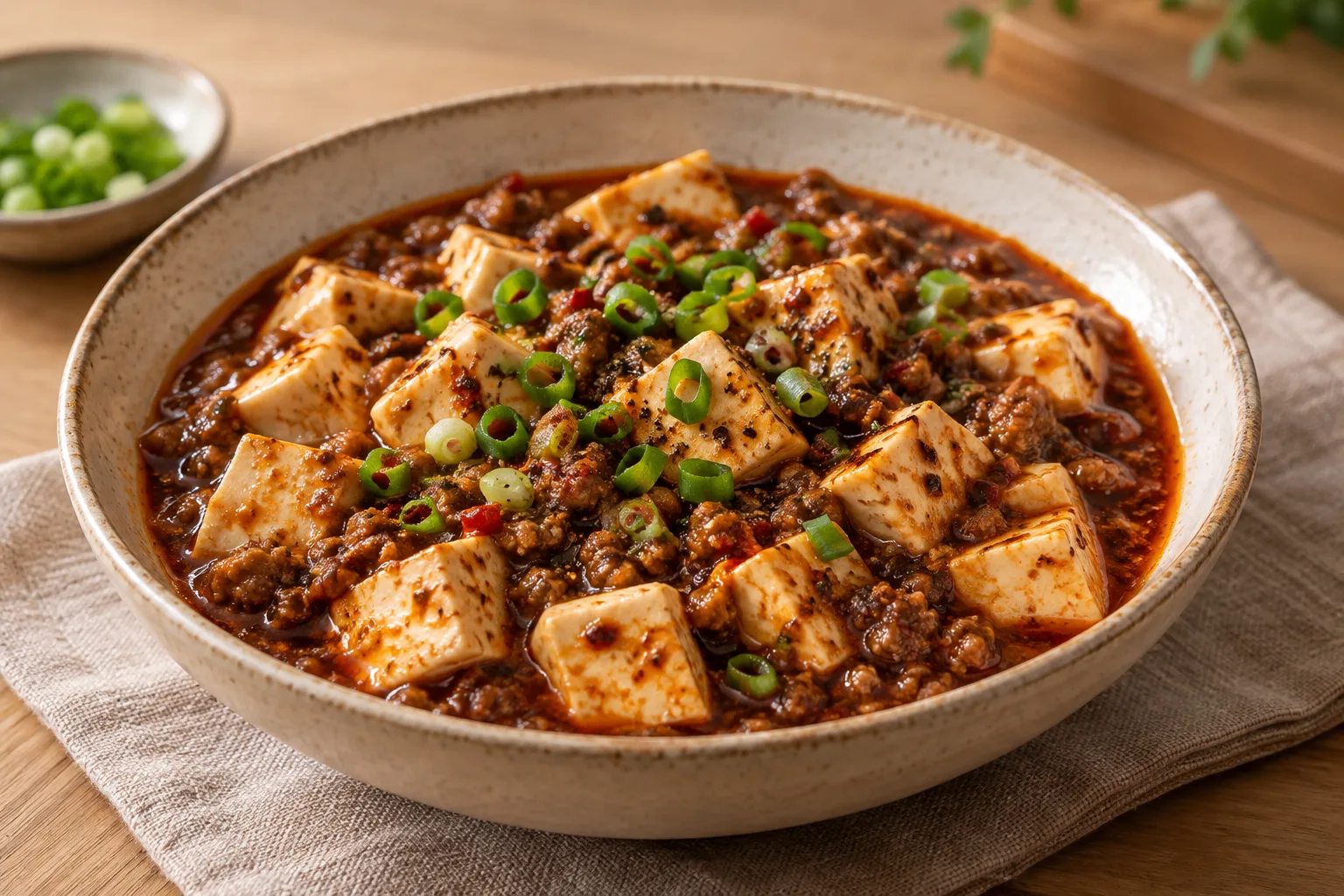
Mapo tofu
Image generated by the Kitchenpause team
35 minIntermediate

Mapo tofu

Tender tofu and minced pork in a savory sauce with doubanjiang, ginger, and Sichuan pepper. Serves 4; timings are estimates.

View recipe
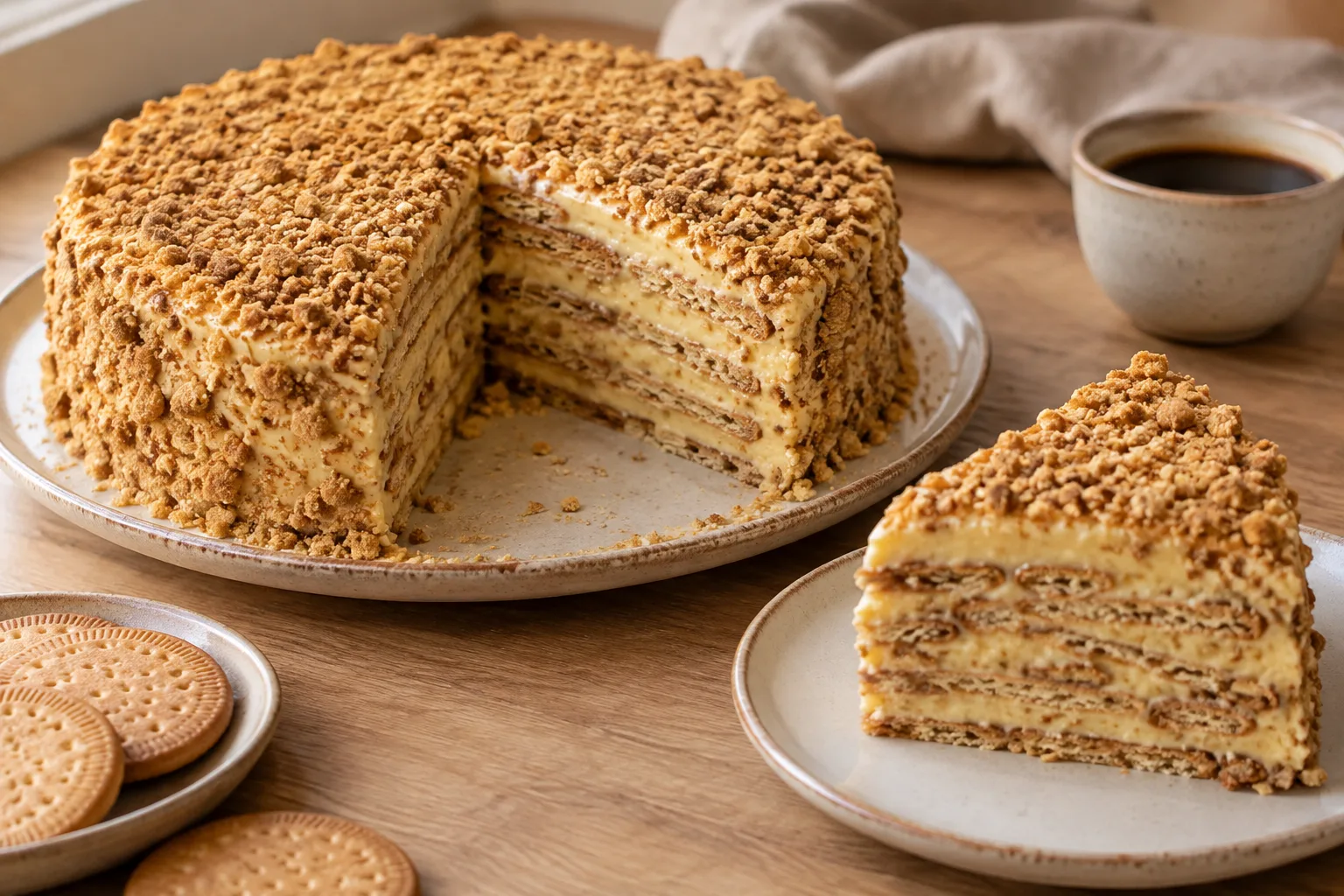
Bolo de bolacha
Image generated by the Kitchenpause team
210 minEasy

Bolo de bolacha

A no-bake Portuguese cake made with Maria biscuits dipped in coffee and layers of buttercream with egg yolks. Serves 6; allow about 30 minutes to prepare and 3 hours to chill.

View recipe
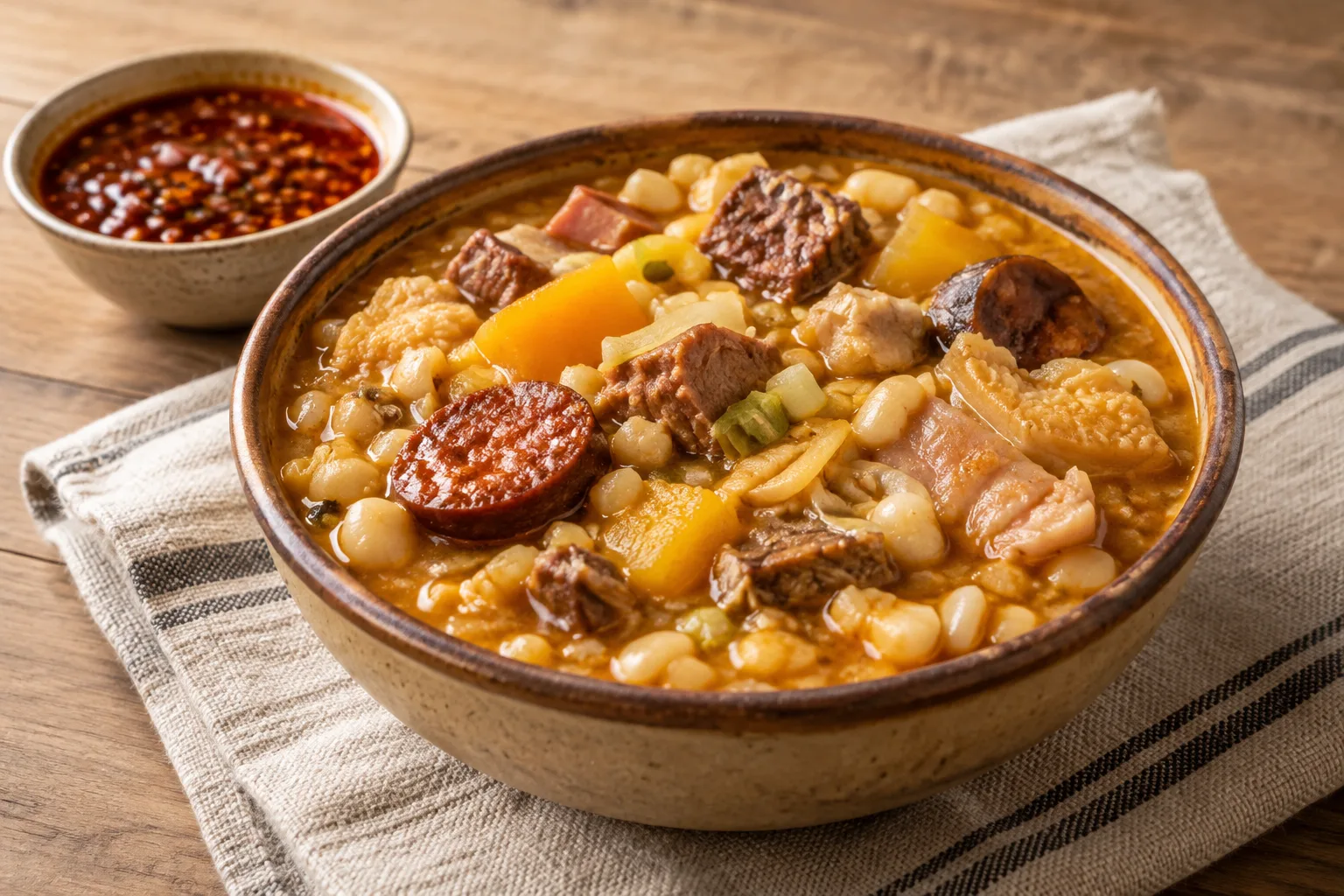
Argentine locro
Image generated by the Kitchenpause team
670 minAdvanced

Argentine locro

A thick Argentine stew of white corn, beans, squash and assorted meats, served with a red pepper sauce. Makes about 8 servings; hands-on time and yield are approximate.

View recipe
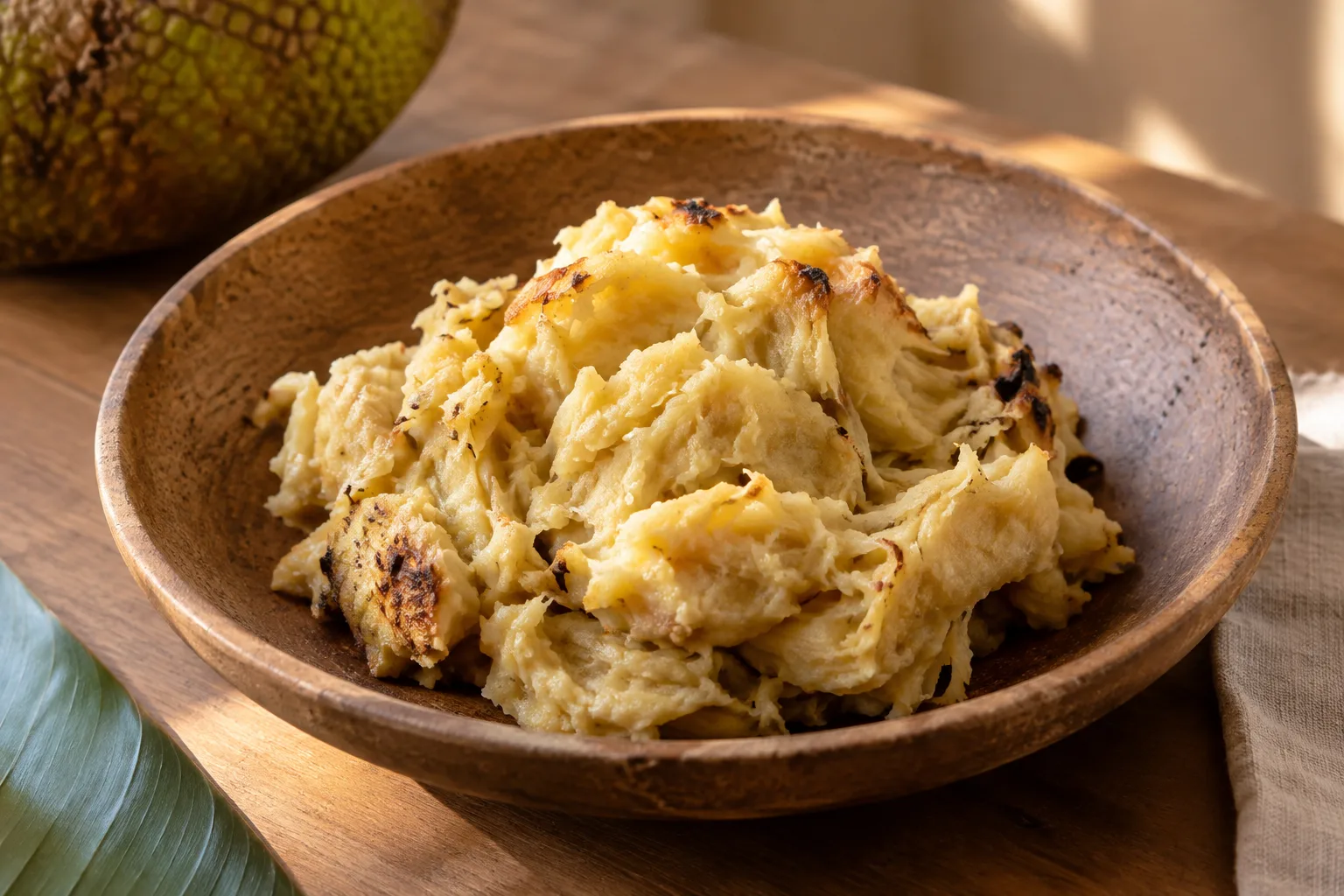
Pohnpei Lihli
Image generated by the Kitchenpause team
15 minIntermediate

Pohnpei Lihli

Very ripe breadfruit, roasted over an open fire and pounded. Hands-on preparation is estimated at 15 minutes; roasting is guided by a visible cue rather than a fixed time.

View recipe
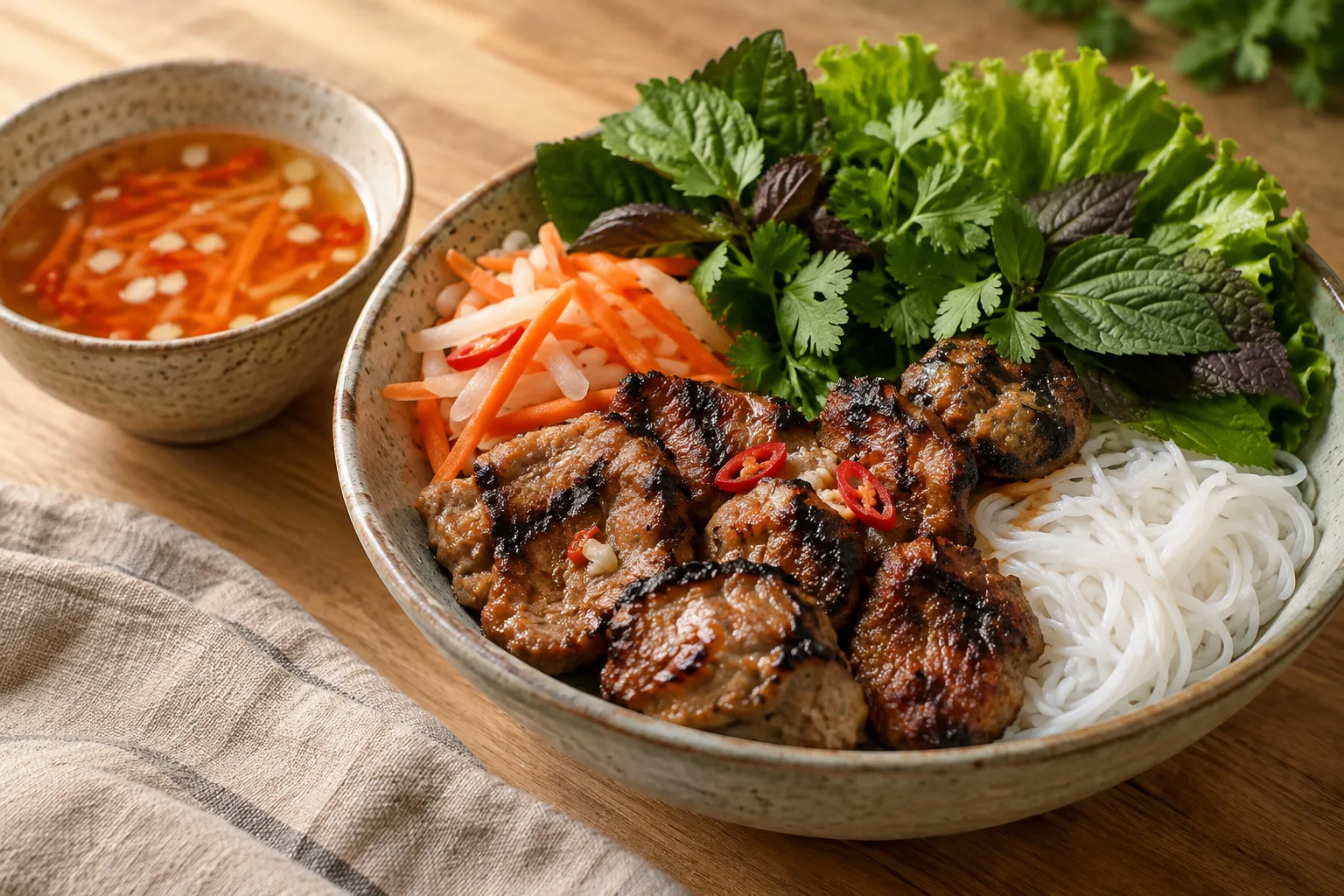
Vietnamese bún chả
Image generated by the Kitchenpause team
200 minIntermediate

Vietnamese bún chả

Grilled pork, rice noodles, pickled vegetables and fresh herbs, served with a sweet-and-sour fish sauce. Serves 4; times are approximate.

View recipe
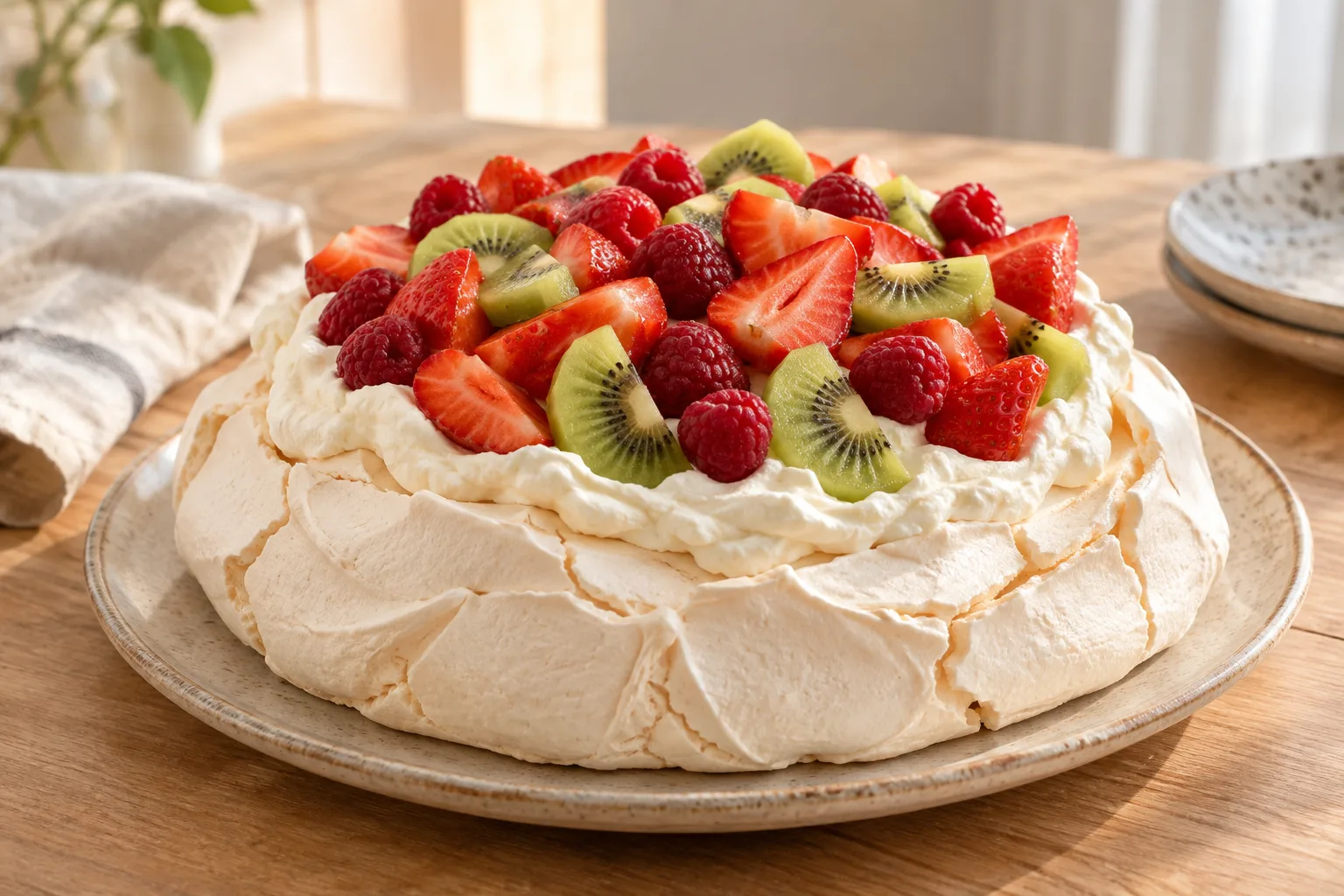
New Zealand Pavlova
Image generated by the Kitchenpause team
345 minIntermediate

New Zealand Pavlova

Baked meringue, crisp outside and tender inside, topped with whipped cream, strawberries, raspberries, and kiwi.

View recipe
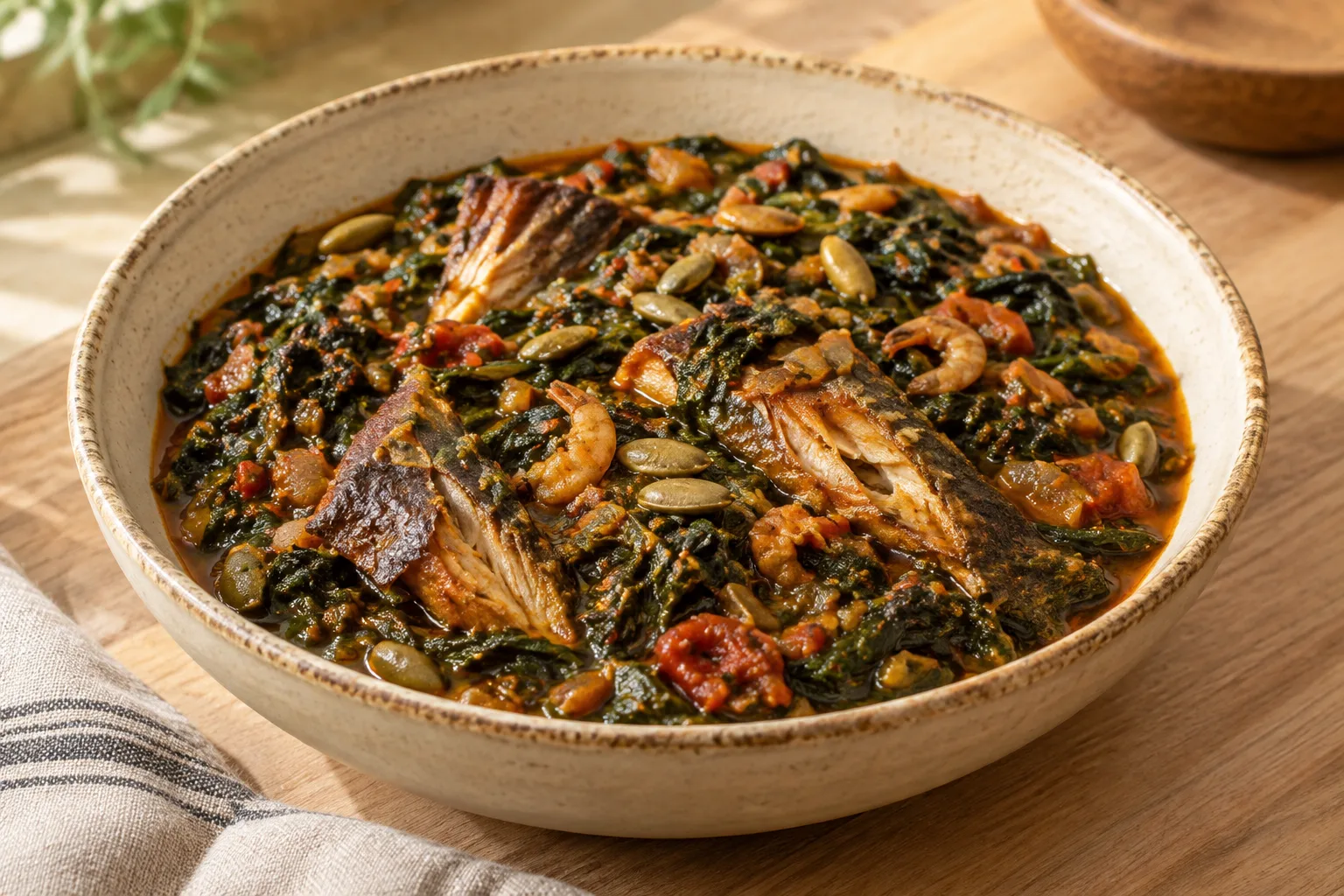
Ghanaian Kontomire Stew
Image generated by the Kitchenpause team
75 minIntermediate

Ghanaian Kontomire Stew

A thick stew of cocoyam leaves with tomato, red palm oil, smoked fish and pumpkin seeds. Makes 4 servings; approximate preparation time: 25 minutes, cooking time: 50 minutes.

View recipe

We use session and security technologies to provide our features. Only with your permission do we load Google Analytics to measure visits and Google Maps on Contact. Choose separately, reject or accept both.

Withdraw either permission here. Withdrawing analytics reloads the page to unload the running tag.

Cookie policy