 Image generated by the Kitchenpause team
Ingredient
A Practical Guide to Cooking Mushrooms Better
How to clean, cut, and cook mushrooms for good browning, and use them in sautés, oven dishes, sauces, and more.
An editorial home built from real recipe additions, seasonality and our methodology.

Asparagus, peas, broad beans, artichokes and tender greens signal spring. Learn to read the seasonal calendar flexibly, choose vegetables in good condition and organize storage without treating seasonality as a rigid rule.
Available content that can be reviewed from the recipe collection.
Image generated by the Kitchenpause team
How to clean, cut, and cook mushrooms for good browning, and use them in sautés, oven dishes, sauces, and more.
 Image generated by the Kitchenpause team
Caramelization is not a synonym for all browning. Understanding the roles of heat, water, and time helps you manage sugar and sugar-rich foods, recognize changes in color and aroma, and avoid taking caramel from golden to burnt.
 Image generated by the Kitchenpause team
From family notebooks to digital archives, cookbooks preserve instructions as well as traces of the people who cooked, wrote and passed on culinary knowledge. A careful look at their evolution and how to read them.
 Image generated by the Kitchenpause team
A flexible system for checking what you already have, planning realistic meals, and turning them into a useful shopping list—without filling the fridge with plans that are hard to keep.
 Image generated by the Kitchenpause team
Learn how to prepare tamarind pulp and add it gradually to sauces, stews, drinks and desserts, making the most of its sweet-and-sour character.
 Image generated by the Kitchenpause team
A stiff, cracked, or crumbly dough may need more liquid, less added flour, or simply time to rest. Learn to diagnose the problem for the kind of dough you are making and make small corrections without guessing.
 Image generated by the Kitchenpause team
Guyana’s food reflects its northern South American landscapes and a history shaped by Indigenous communities, colonial rule, enslavement, indentureship, and migration. Cassava, rice, coconut, fish, roots, herbs, and peppers appear in preparations as varied as cassava bread, pepperpot, cook-up rice, metemgee, and curry with roti. These dishes have family and community variations; together they illuminate a diverse food culture rather than a single, fixed national menu.
 Image generated by the Kitchenpause team
Guinea-Bissau’s foodways bring together Atlantic fisheries, locally grown grains and roots, legumes, and West African traditions. Rice is especially prominent along the coast, while inland meals also draw on millet and other staples. Soups and stews pair these foods with fish, meat, vegetables, palm oil, or peanut-based sauces. Recipes and ingredients vary by place and household, and shared meals mark both everyday hospitality and important family and community gatherings.
 Image generated by the Kitchenpause team
Learn to distinguish expected separation from a broken emulsion, what to check first, and how to respond without worsening the texture.
 Image generated by the Kitchenpause team
Resting is not the same pause for every dough. Learn to distinguish a pre-shaping rest from fermentation, what to observe, and how the environment and loaf style affect the process.
 Image generated by the Kitchenpause team
Algerian food reflects a country stretching from the Mediterranean coast and northern agricultural lands to the Sahara and its oasis communities. Wheat, semolina, breads, vegetables, legumes, lamb, poultry, fish, and dates appear in different combinations across the country. Couscous is a prominent staple and part of a shared Maghrebi culinary practice, alongside distinct preparations such as steamed dwida, stuffed mhajeb, hearty chorba, and date-filled sweets. Cooking methods and meals vary with place, season, household, and occasion.
 Image generated by the Kitchenpause team
Estonian food draws on fields, forests, the Baltic coast, and inland waters. Rye bread, barley, potatoes, dairy, fish, berries, and mushrooms appear in a varied food culture shaped by the seasons and by documented regional traditions. This guide distinguishes Mulgimaa’s mulgi puder, Peipsi-area customs, and Tallinn’s medieval marzipan heritage from broader ingredients and practices shared across the country.
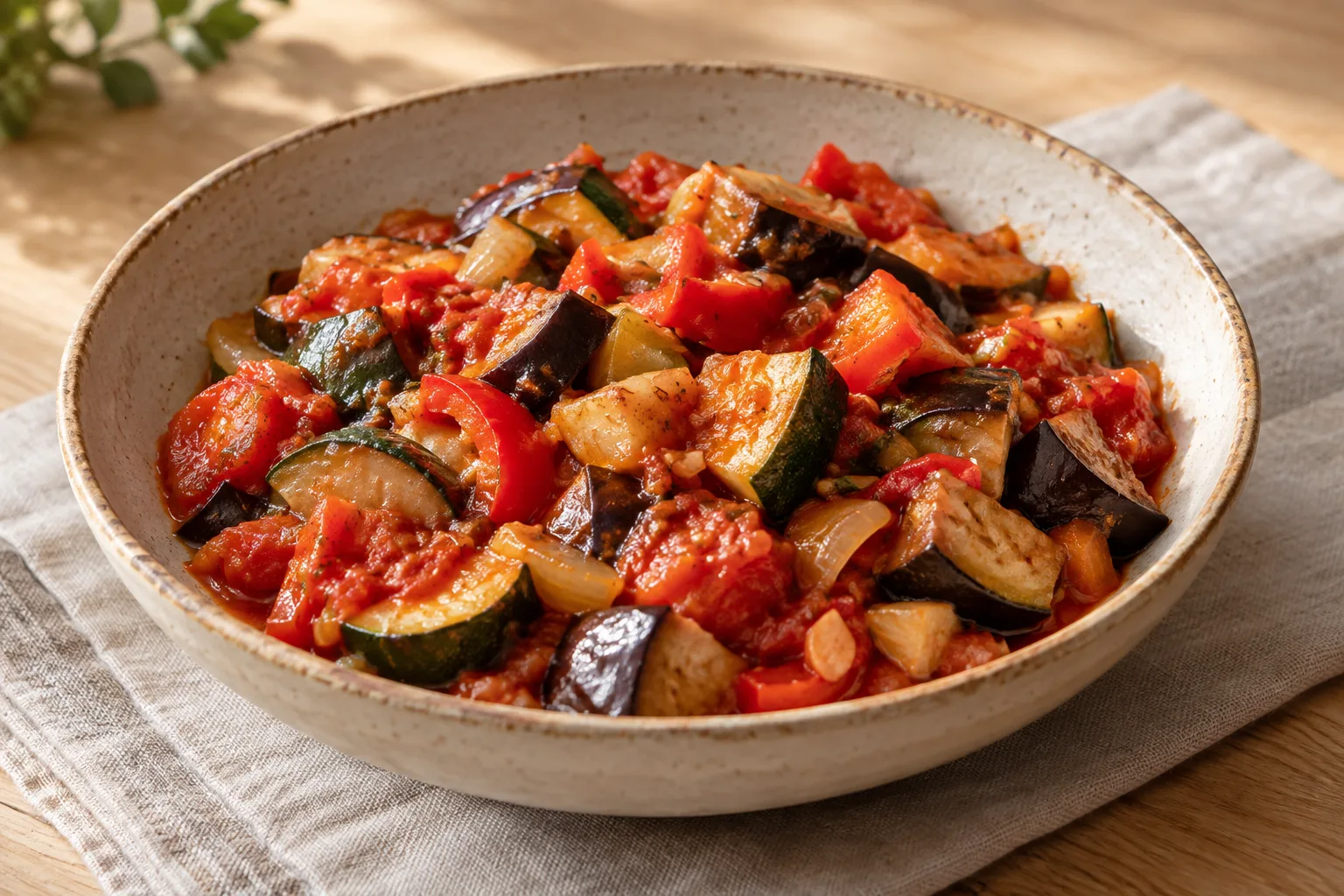
A Provençal stew of eggplant, zucchini, bell pepper, tomato, onion, and garlic, cooked separately and combined at the end. Serves 4; timings are approximate.
View recipe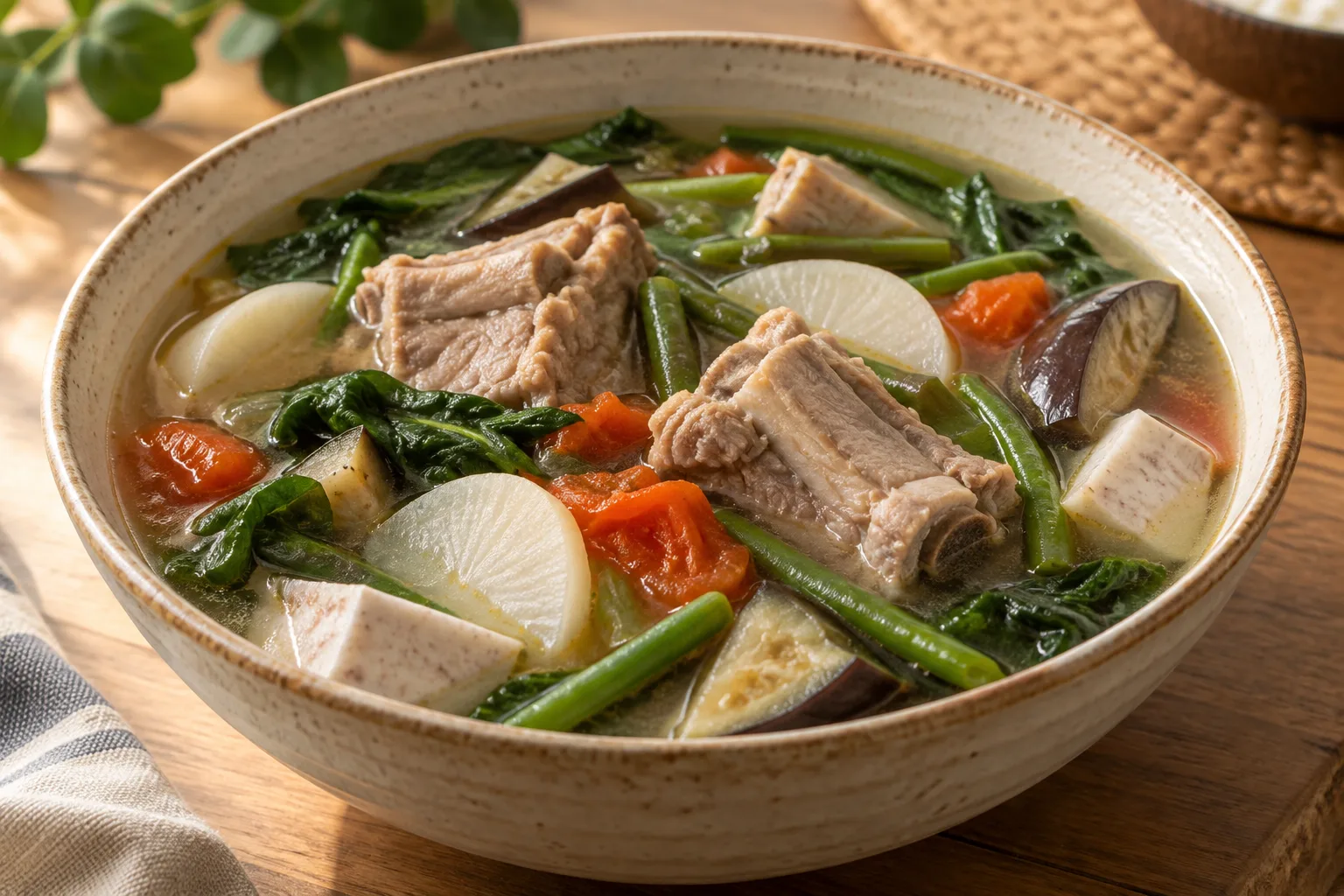
A sour Filipino soup with pork ribs, tamarind, and vegetables. Makes 6 servings; timings are estimates.
View recipe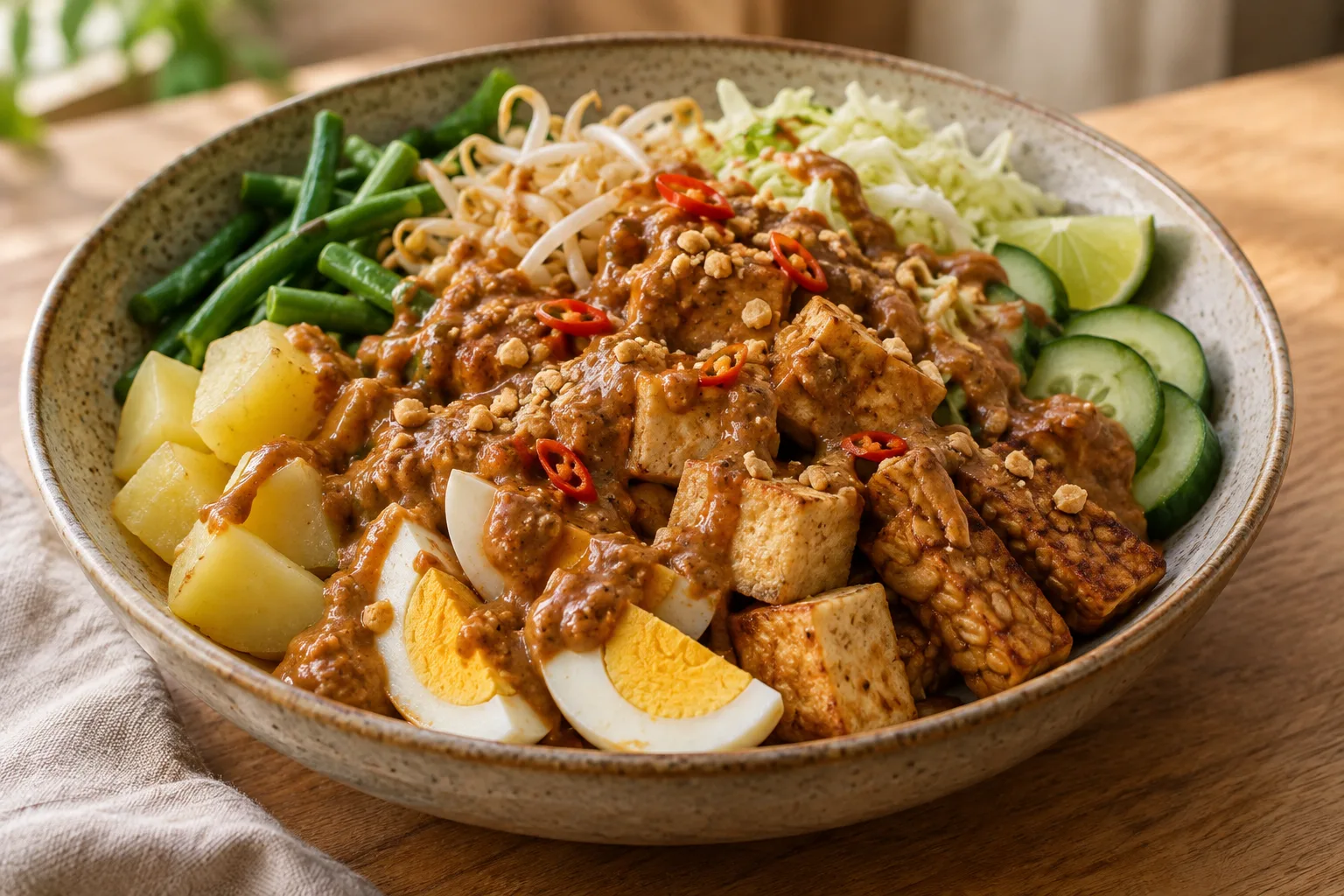
A warm Indonesian salad of vegetables, potatoes, egg, tofu and tempeh, served with peanut sauce. Serves 4; timings are approximate.
View recipe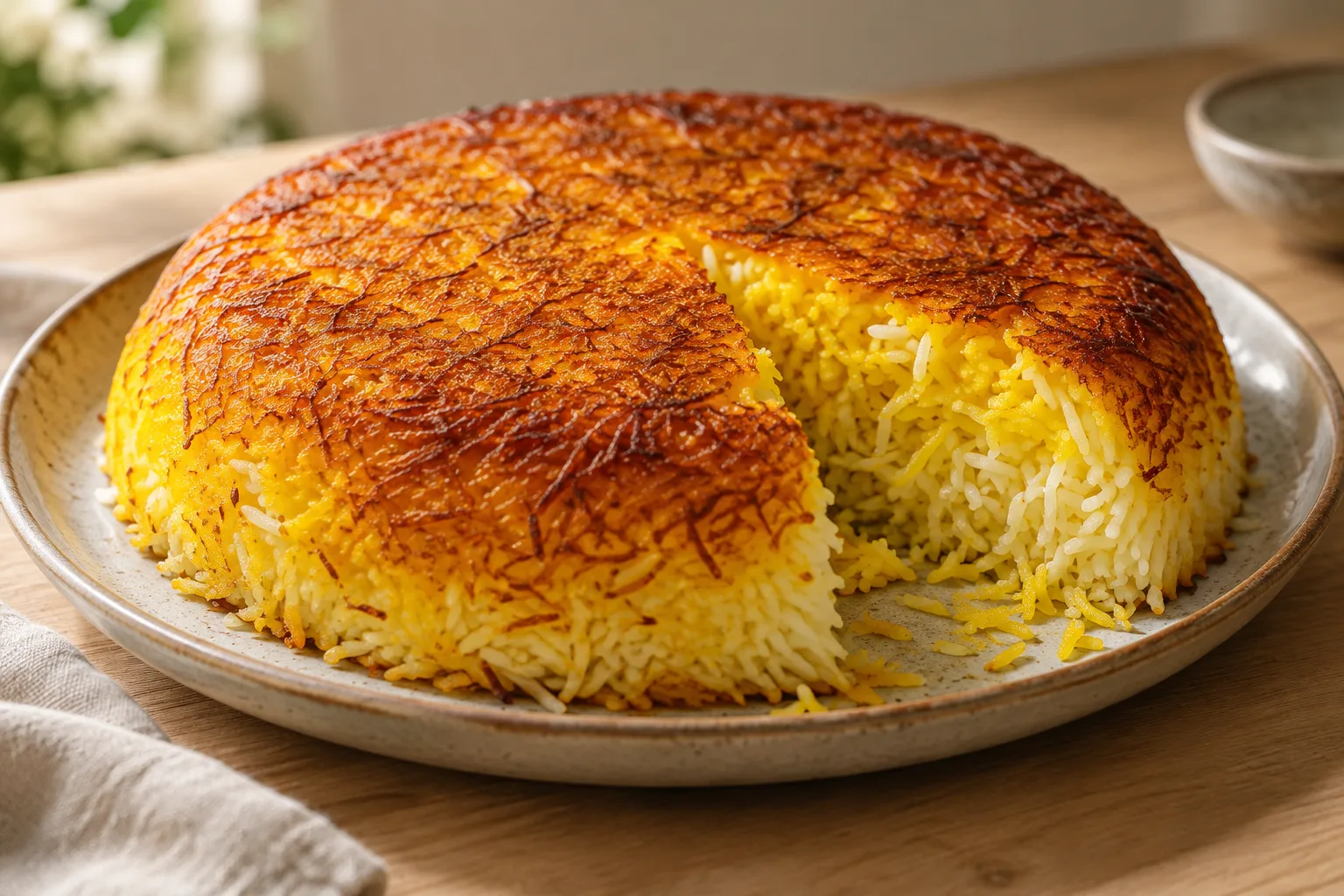
Basmati rice with a golden, crisp saffron-and-yogurt base. Makes about 4 servings; timings are approximate, and the initial cooking time may vary with the rice.
View recipe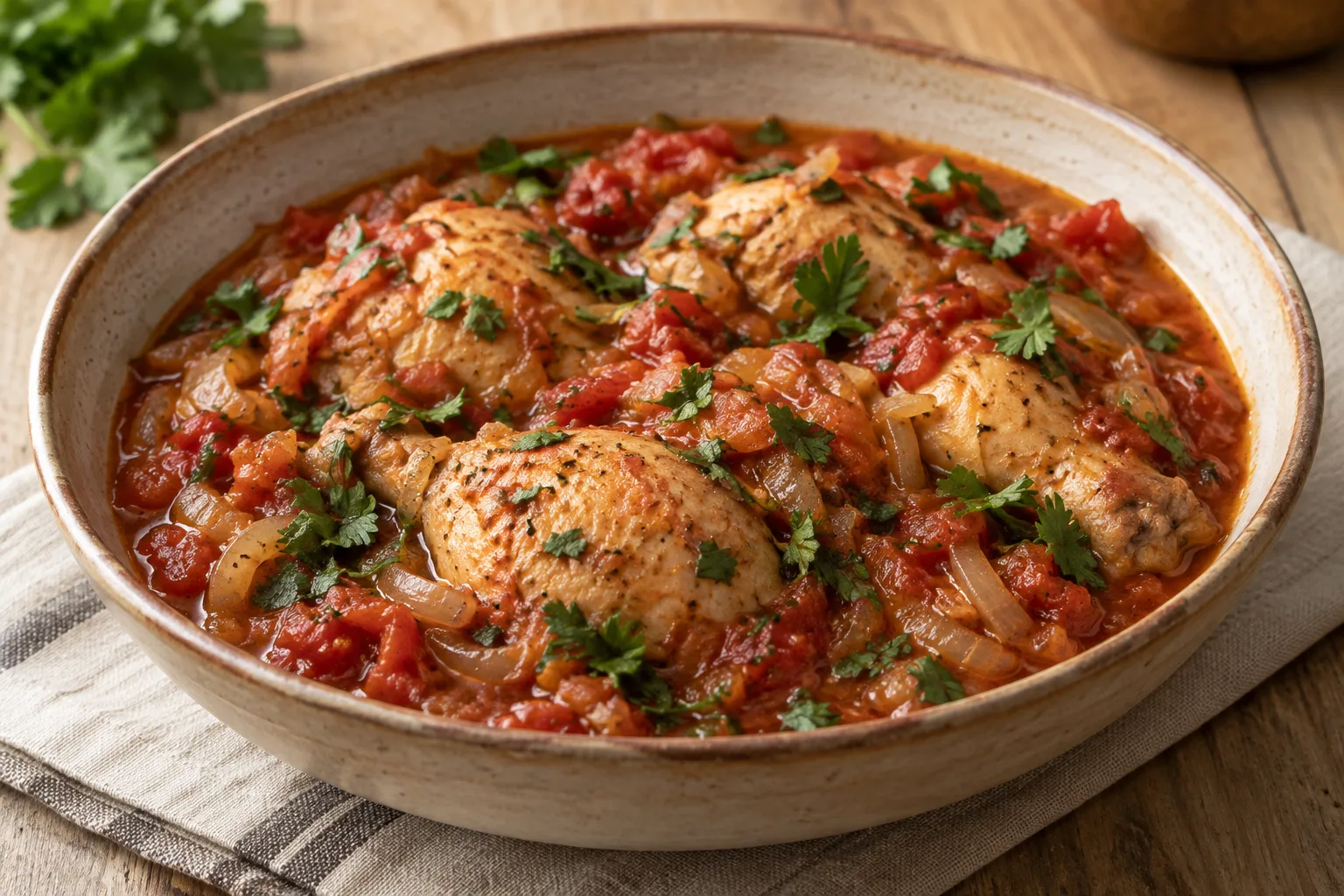
A Georgian chicken stew slowly cooked with onion, tomato, garlic, and coriander. Serving size and preparation time are estimates.
View recipe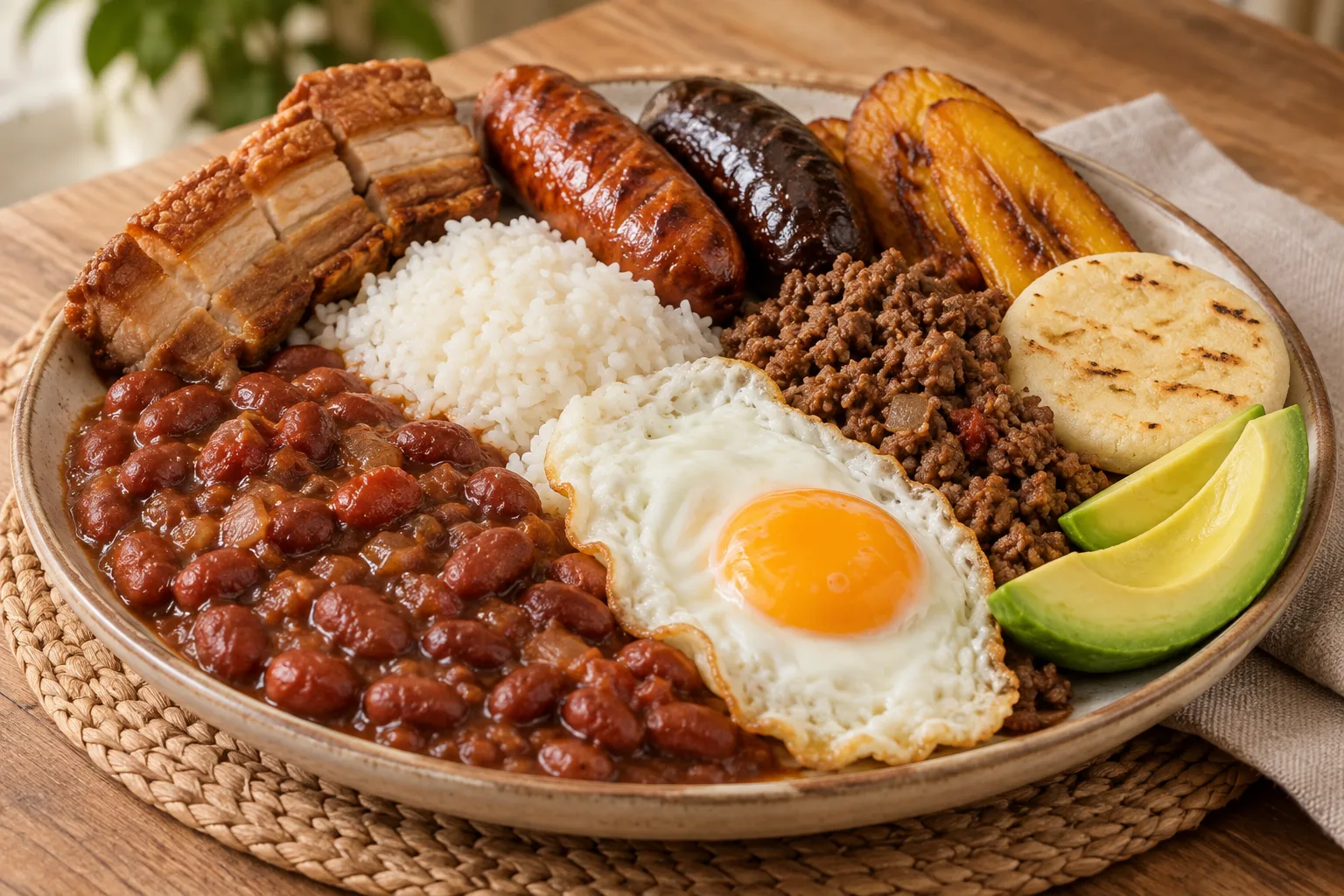
A generous platter of red beans, rice, ground beef, crispy pork belly, chorizo, blood sausage, egg, ripe plantain, arepa, and avocado. Serves 4; timings are approximate.
View recipe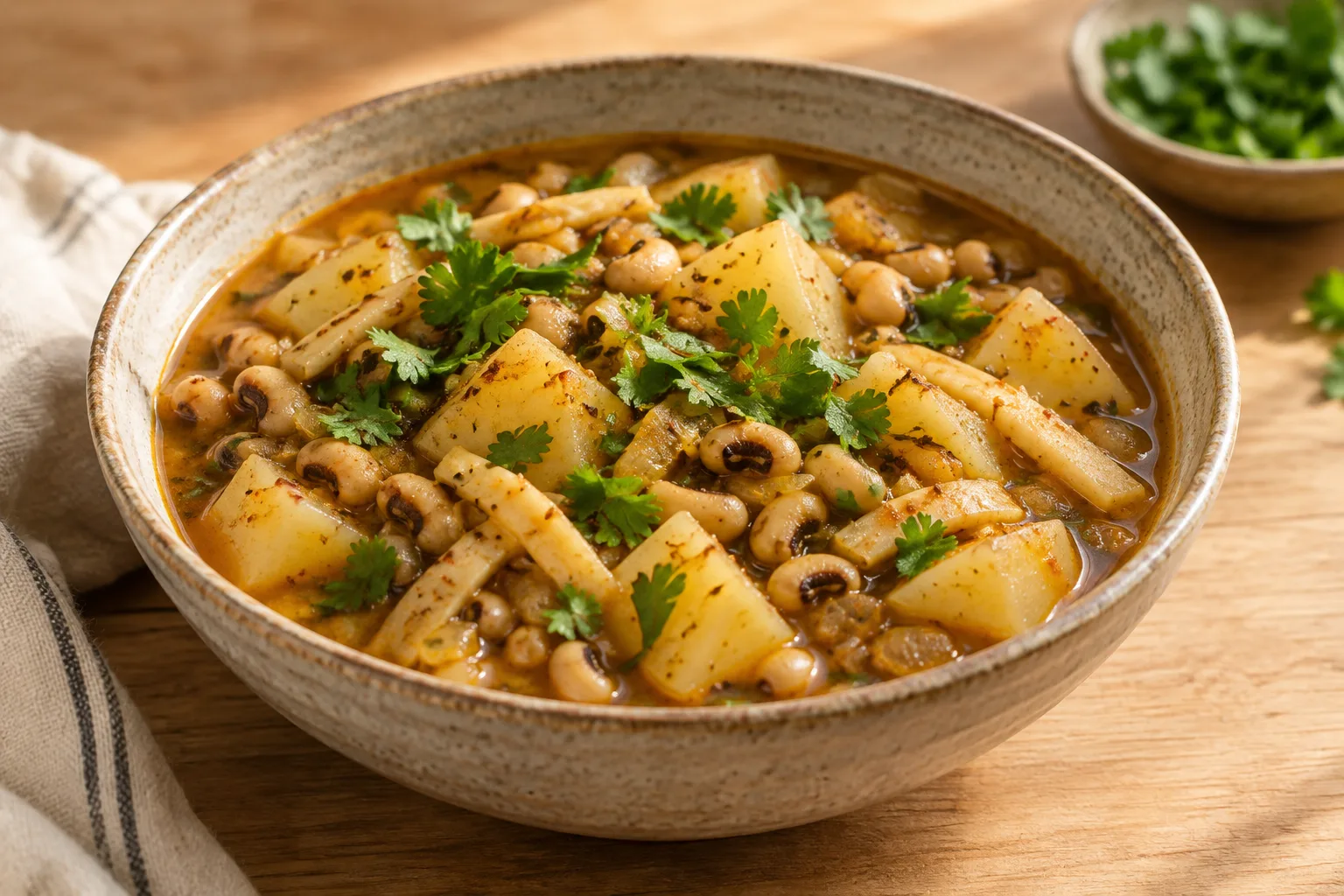
A Nepali stew of potatoes, bamboo shoots and black-eyed beans, seasoned with spices in a gently tangy broth.
View recipe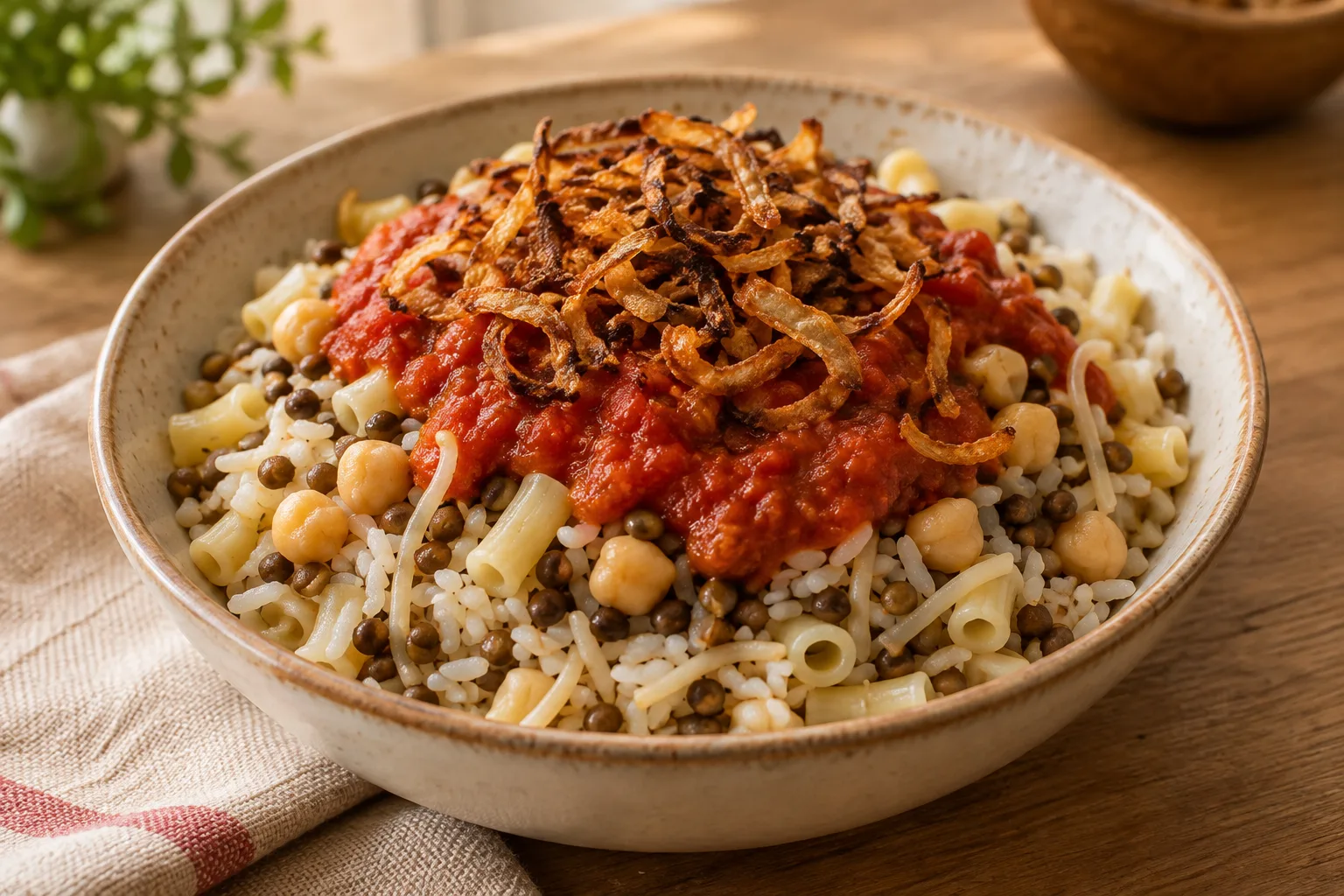
An Egyptian dish of rice, lentils, chickpeas and pasta, served with spiced tomato sauce and fried onion. Makes 2 servings; times are approximate.
View recipe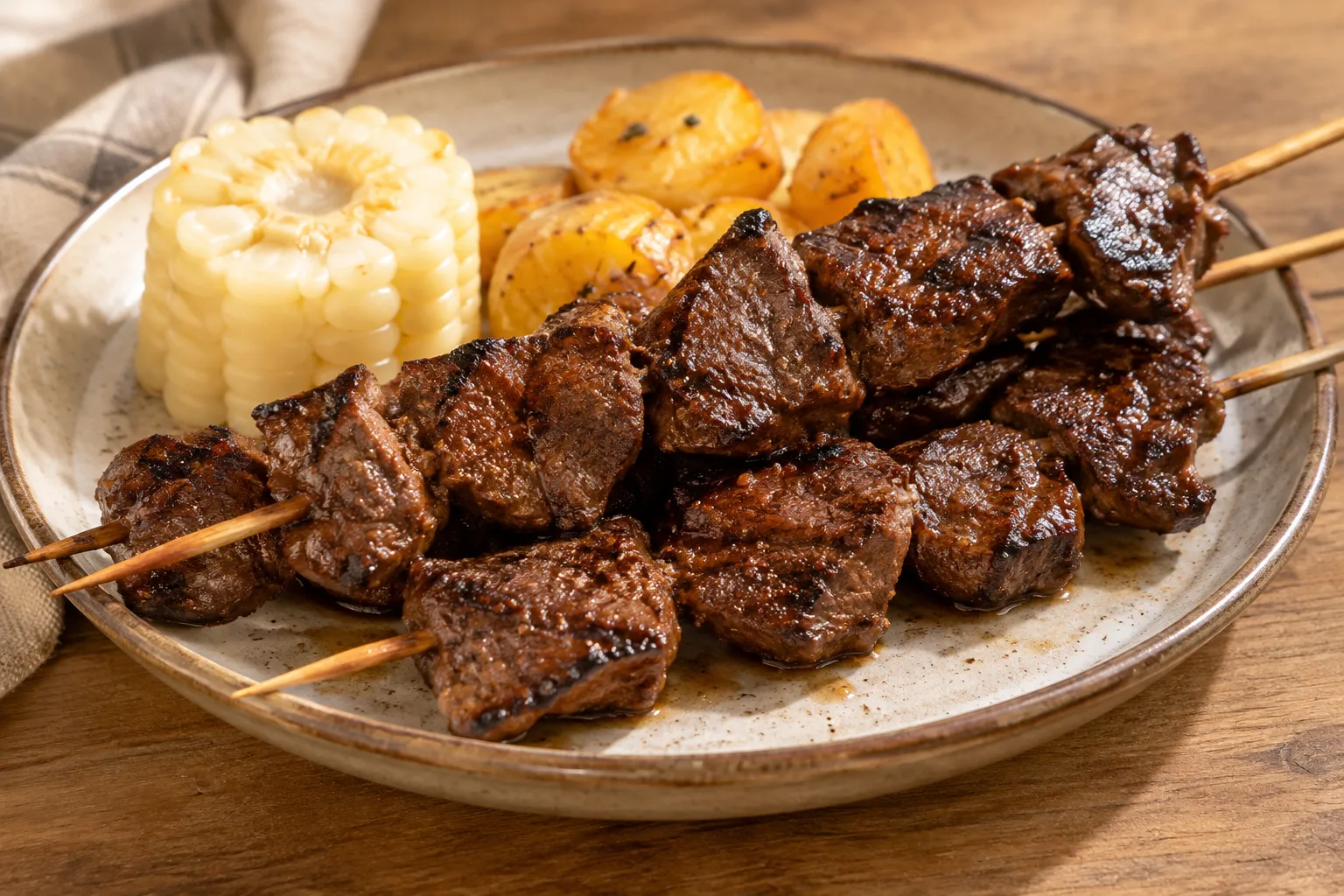
Beef heart skewers marinated with ají panca, garlic, vinegar, and spices, then grilled. Serves 4; estimated preparation time: 35 minutes, plus at least 12 hours of resting and about 10 minutes of cooking.
View recipe