
Food culture
How to Understand a Household Recipe Book: Cooking, Memory and Context
A guide to reading home recipe books as culinary and cultural documents, separating what their pages say from the memories and interpretations we add.
Articles and guides about Food culture: cooking ideas, explanations and tips researched and checked by KitchenPause.

Choose herbs for the food you plan to cook and for what is abundant where you shop, rather than following a universal calendar. Learn how to store tender and sturdy-stemmed herbs, and how to use surplus by freezing or drying it.
Available content that can be reviewed from the recipe collection.
A guide to reading home recipe books as culinary and cultural documents, separating what their pages say from the memories and interpretations we add.

Oral recipes do not necessarily disappear when they are written down or shared online; their medium and setting change. Here is a way to understand that shift without confusing family memory, documentation, and digital popularity.

Market cuisine is neither a recipe nor a concept with an unquestionable birth date. It is an approach that adapts what is served to available ingredients, the season, and the region. Here is a careful account of its context and practical meaning.

A market visit can be more than shopping: it is a chance to notice ingredients, trades, conversations and food practices without turning one person’s experience into a universal rule.

Festive food has no single history: every table brings together recipes, practices and meanings that communities pass on and reshape. A guide to understanding that context without treating one tradition as a universal rule.

From overland networks and Mediterranean ports to Portuguese voyages to Calicut, spice routes changed shape while connecting goods, intermediaries, and cultures.

A guide to observing everyday baking without reducing it to a collection of recipes: organization, technique, and useful questions for understanding a process.

Soups, stews, potages and purées share a way of being served, not a single origin. Looking at them through place, ingredients and the stories of the people who cook them reveals more about what each dish means.

Sharing a table has never been only about dividing food. It is a social practice shaped by resources, ways of cooking, hospitality and technology, while carrying different meanings in different communities.

The spice routes were never a single road: they changed hands, combined sea and land travel, and linked distant markets. Their history helps explain how particular flavors travelled and became part of different cuisines.

Making good use of food means looking again at what is already on hand and deciding, thoughtfully, how it might fit into another meal. It is an everyday practice that can also express memory, creativity and adaptation.

There is no single, timeless Mediterranean breakfast. Understanding the idea means separating the region’s diverse cuisines, the historical movement of ingredients, and the modern concept of the Mediterranean diet.

Fresh boerewors grilled until browned all over and served in four portions.
View recipe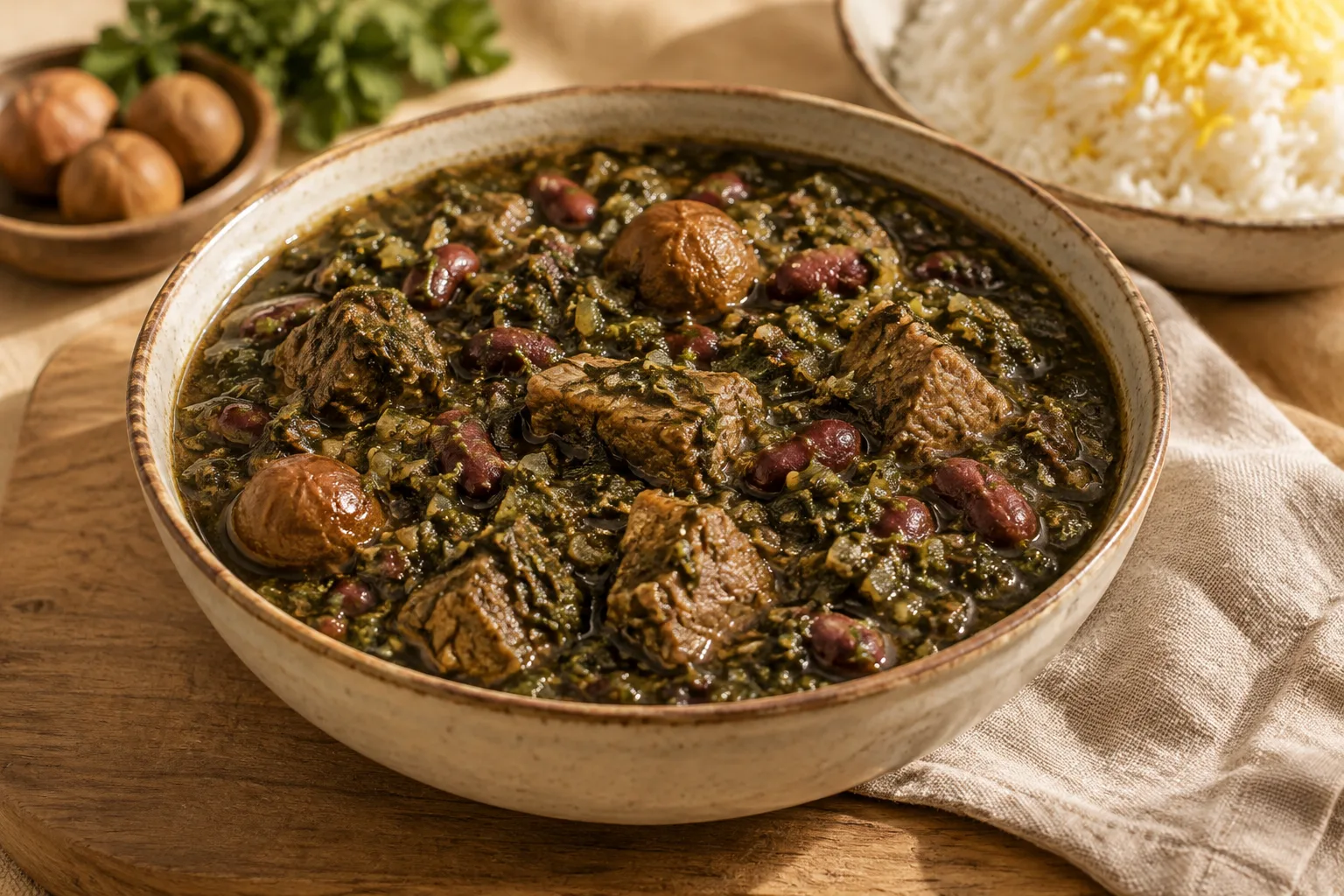
An Iranian stew of lamb or beef with fresh herbs, red kidney beans and dried limes, slowly cooked until the meat is tender.
View recipe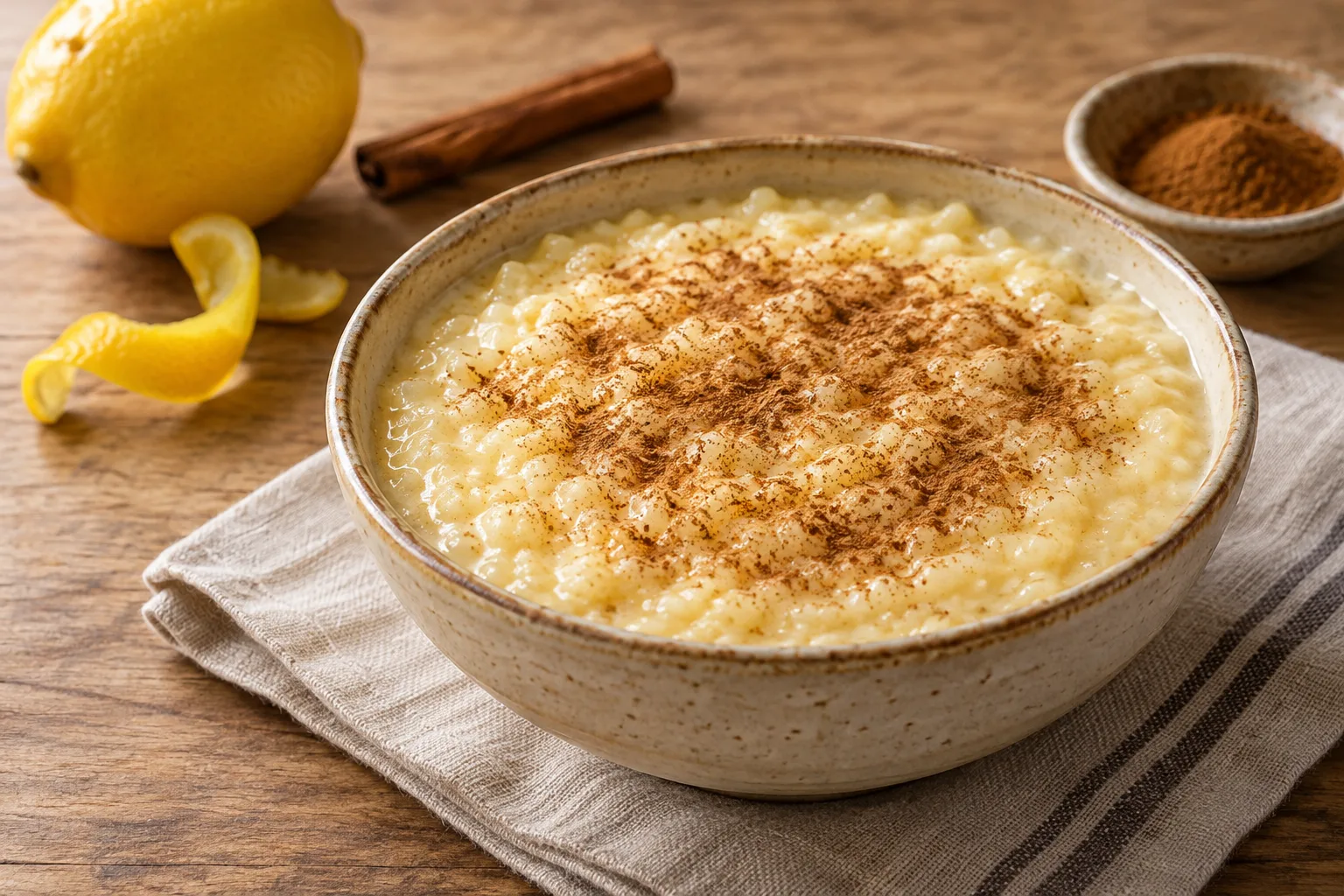
A Portuguese rice dessert cooked in milk scented with lemon and cinnamon, enriched with egg yolks and finished with ground cinnamon.
View recipe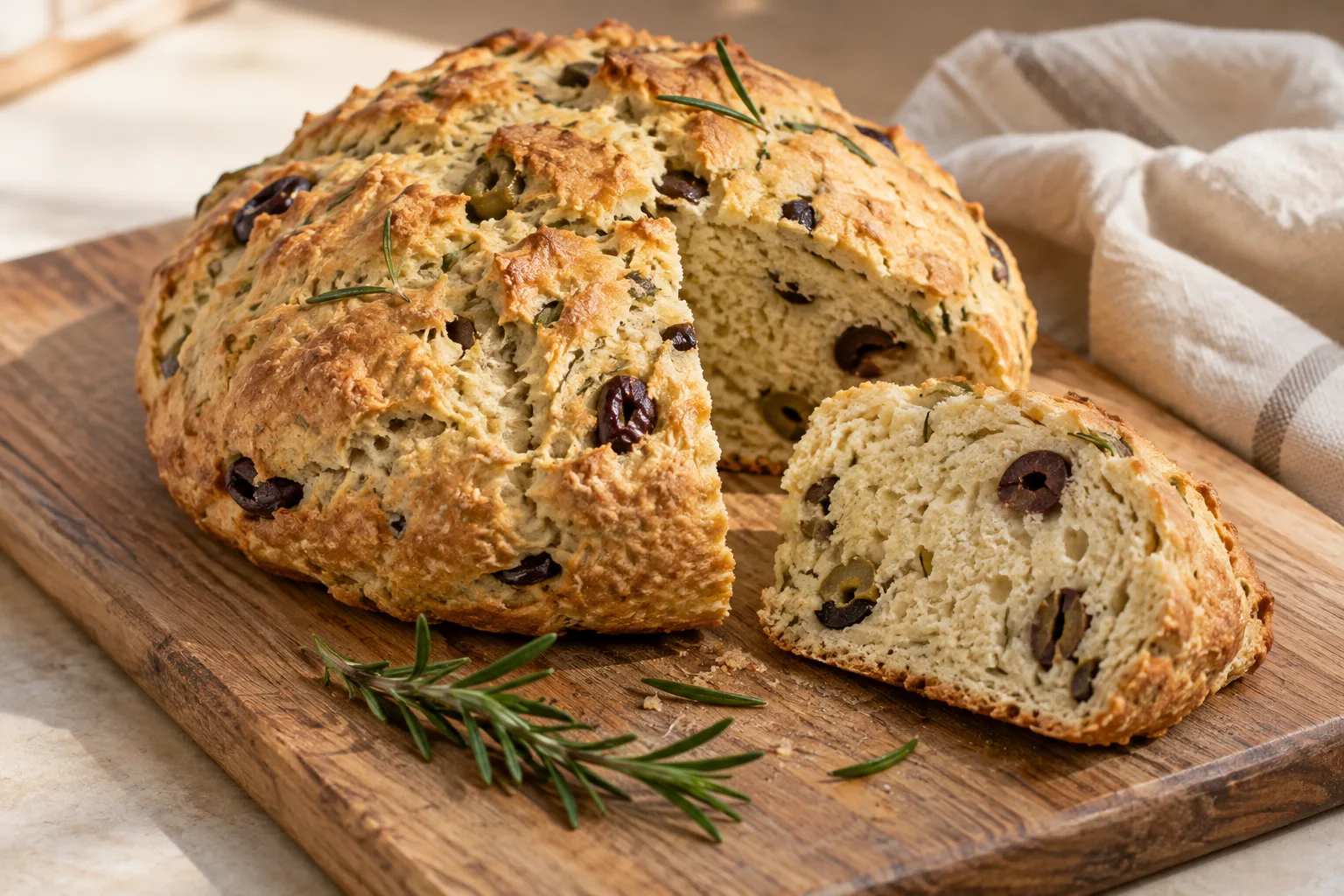
A simple Australian bread made with self-raising flour, olives and rosemary; this version is baked and served freshly made.
View recipe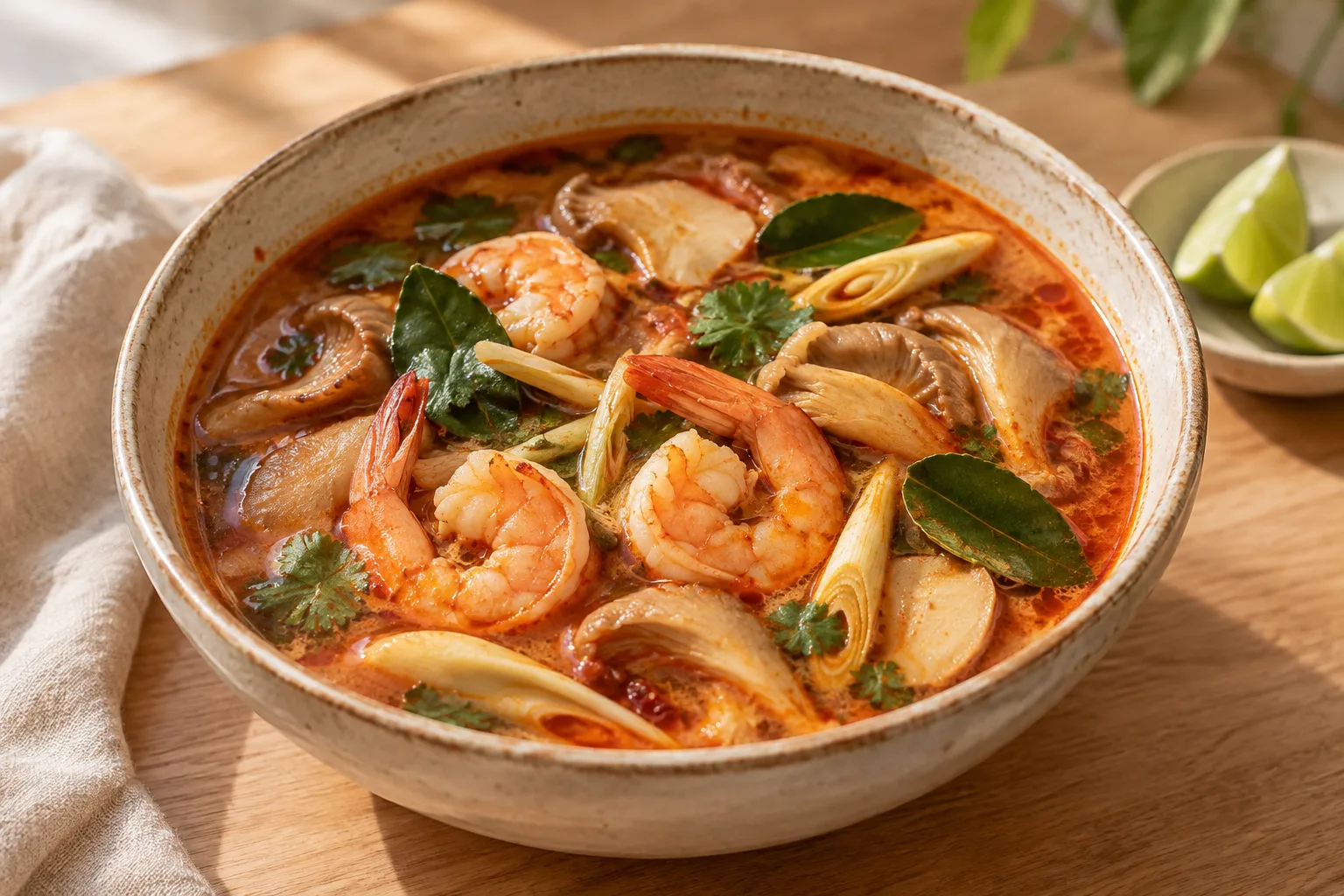
A sour-and-spicy Thai shrimp and mushroom soup scented with galangal, lemongrass and makrut lime leaves. It includes homemade nam prik pao paste.
View recipe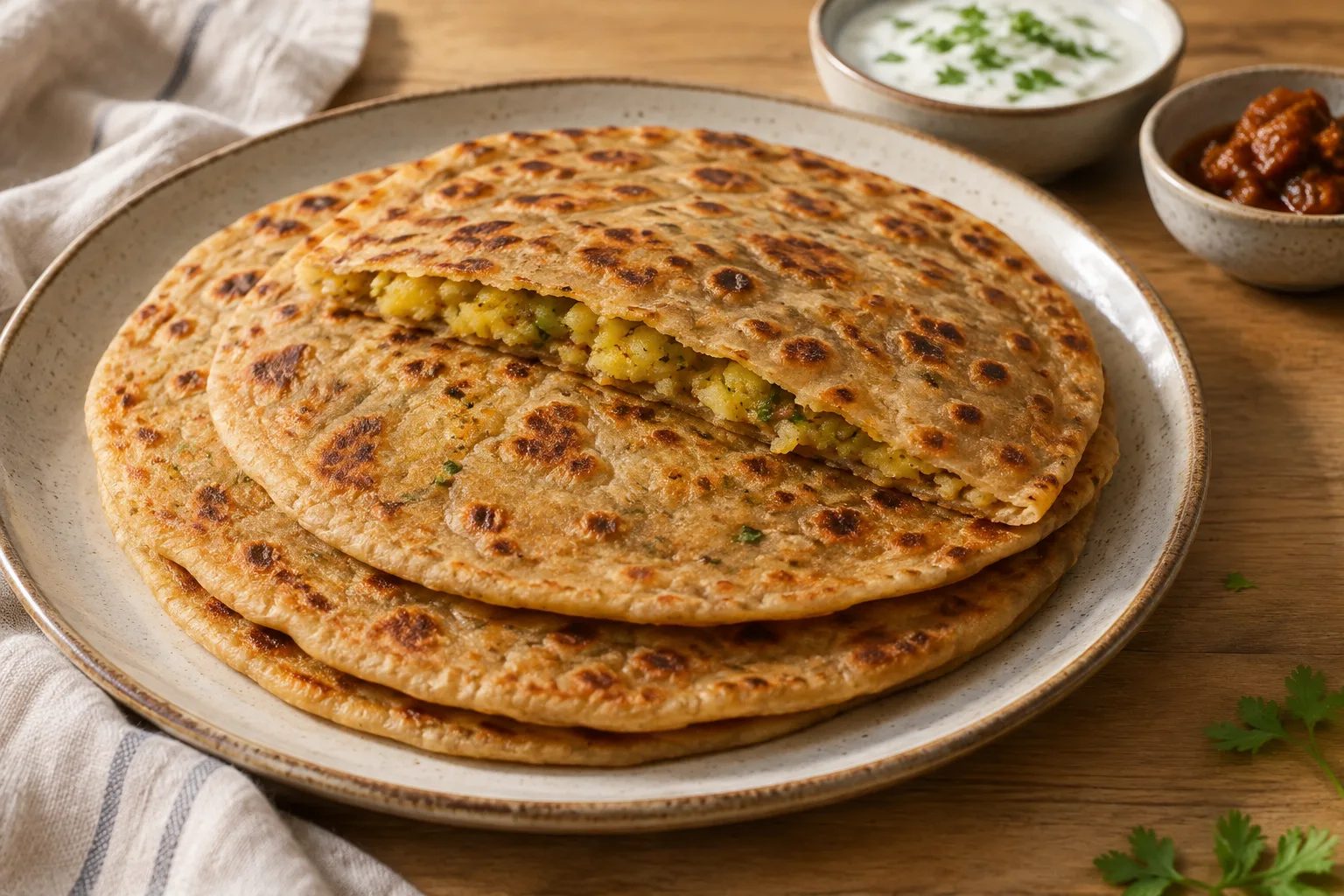
Spiced-potato-stuffed flatbread made with a soft dough and cooked on a griddle until golden.
View recipe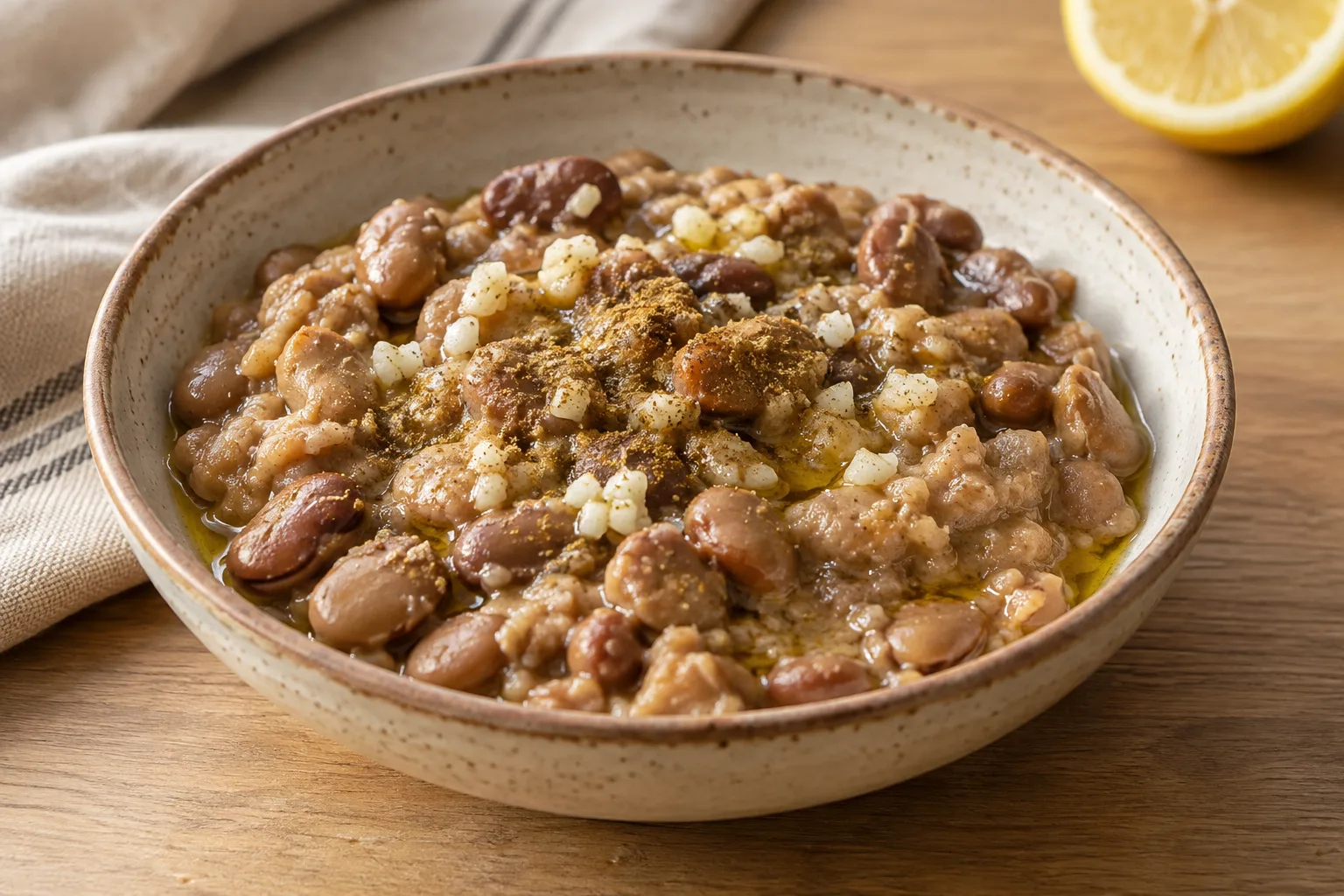
Cooked fava beans, partly mashed and dressed with garlic, lemon, cumin, and olive oil.
View recipe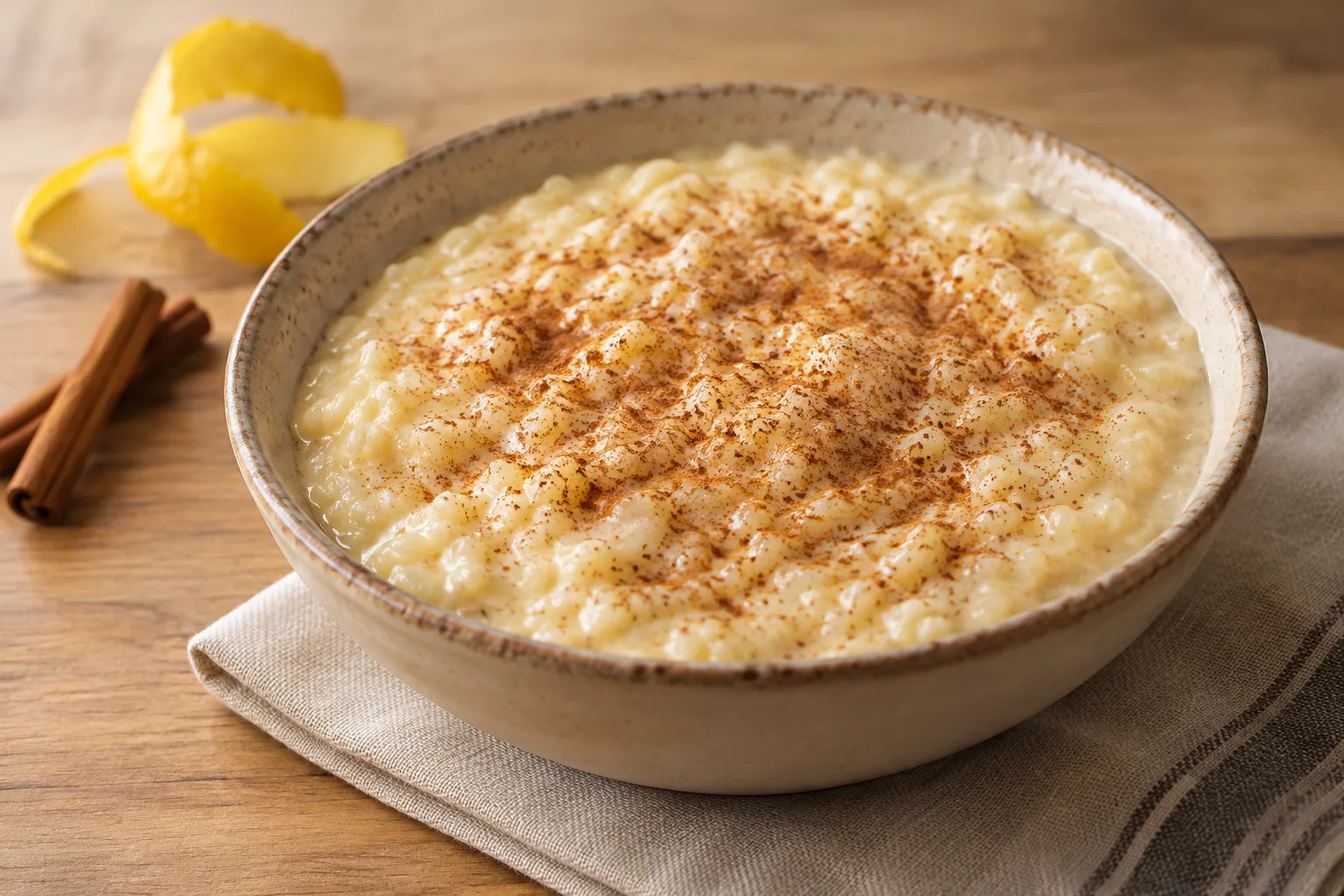
Creamy Portuguese rice pudding cooked with milk infused with lemon and cinnamon, enriched with egg yolks and butter.
View recipe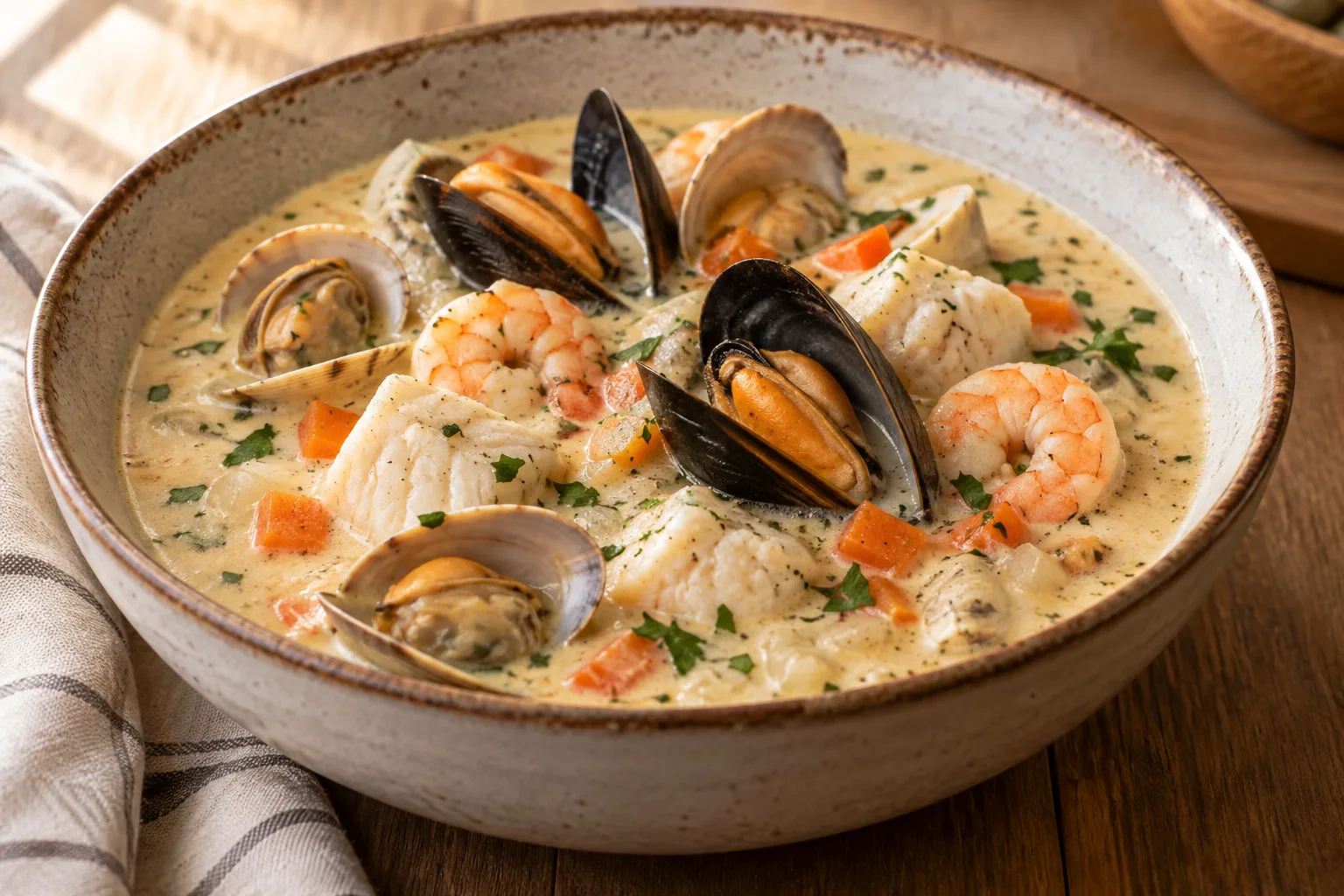
Creamy chowder for 4, with clams, mussels, prawns and white fish. Total time stated by the reference source: 35 minutes.
View recipe