Culinary Culture: How to Read a Municipal Market
A market visit can be more than shopping: it is a chance to notice ingredients, trades, conversations and food practices without turning one person’s experience into a universal rule.
An editorial home built from real recipe additions, seasonality and our methodology.
Choose herbs for the food you plan to cook and for what is abundant where you shop, rather than following a universal calendar. Learn how to store tender and sturdy-stemmed herbs, and how to use surplus by freezing or drying it.
Available content that can be reviewed from the recipe collection.
A market visit can be more than shopping: it is a chance to notice ingredients, trades, conversations and food practices without turning one person’s experience into a universal rule.
Soaking, bean age, water and a steady simmer all affect whether chickpeas turn tender and stay intact. Learn how to adjust the method without relying on one universal cooking time or a supposedly foolproof trick.
The best fix depends on how concentrated the stew has become. For a slight excess, add unsalted liquid gradually; for a pronounced one, use compatible unsalted stock. A potato is not a reliable way to remove salt from the broth.
Resting is not empty waiting: it can make dough easier to shape, but its duration and conditions depend on the process and the bread you want.
A crushed tomato skin, paper that catches, or extra effort while cutting can indicate that a knife needs attention. Learn to distinguish honing from sharpening, choose a suitable method, and know when to stop.
A guide to some Polish classics—from pierogi and żurek to obwarzanek—showing how to recognise their variations and choose what to try without reducing a diverse cuisine to a single list.
Learn to judge when a sauce reduction is ready by watching its movement, how it coats a spoon, its flavour and the pan bottom—not by relying on a fixed time or a vigorous boil.
Learn to adjust heat deliberately: prepare your station, distinguish flame from embers, organize heat zones, and watch how the food responds.
A practical guide to cooling, storing and reheating leftovers, with careful time and temperature control and clear limits on what the evidence supports.
A practical guide to peeling, cutting, and roasting butternut squash in even pieces, with observable cues for doneness and straightforward ways to serve it.
Pressure cookers are particularly useful for long-cooking dishes: they speed up stews, pulses and stock, but timing and liquid depend on the model. Here is what to expect and how to use one carefully.
Festive food has no single history: every table brings together recipes, practices and meanings that communities pass on and reshape. A guide to understanding that context without treating one tradition as a universal rule.
Fresh boerewors grilled until browned all over and served in four portions.
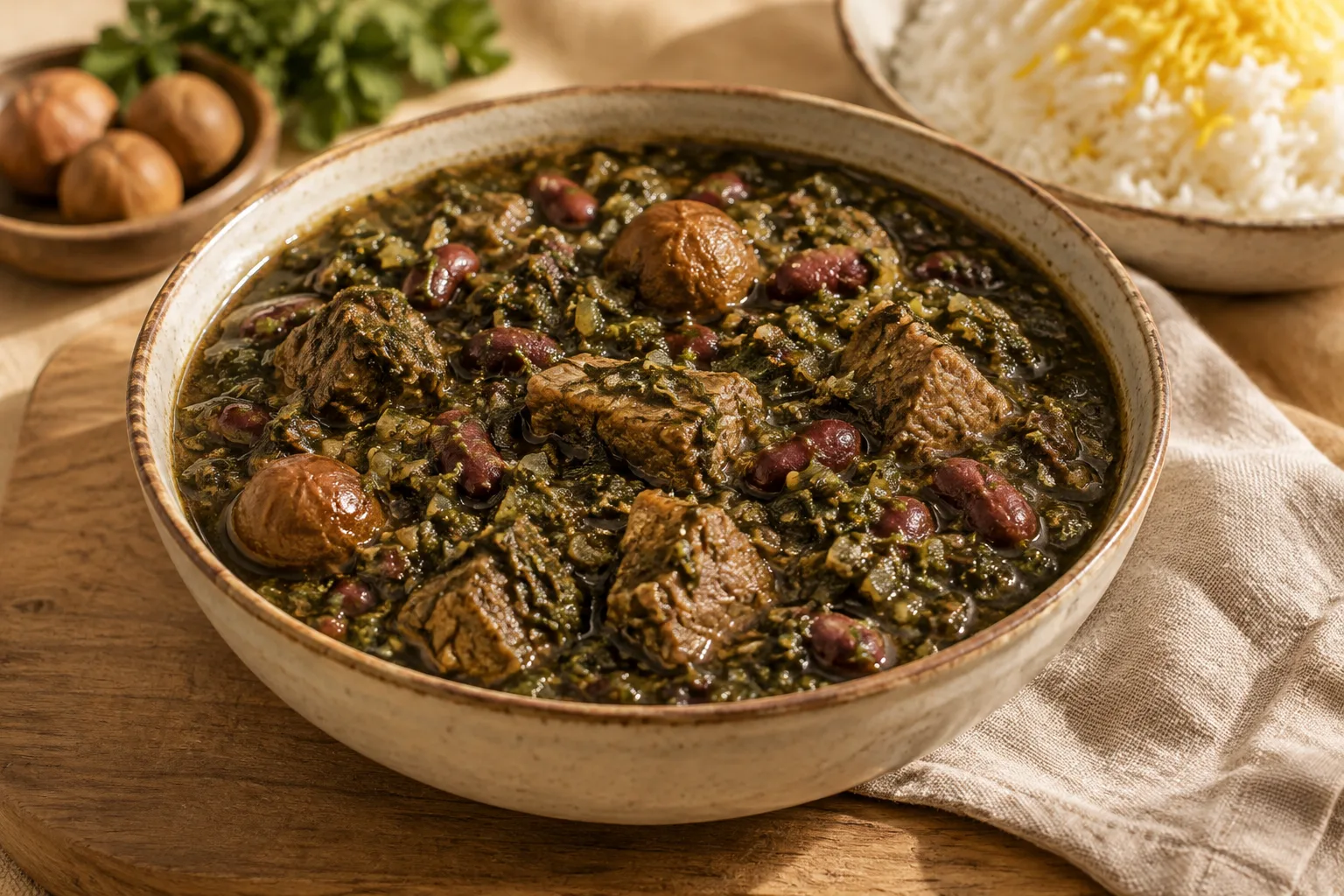
View recipeAn Iranian stew of lamb or beef with fresh herbs, red kidney beans and dried limes, slowly cooked until the meat is tender.
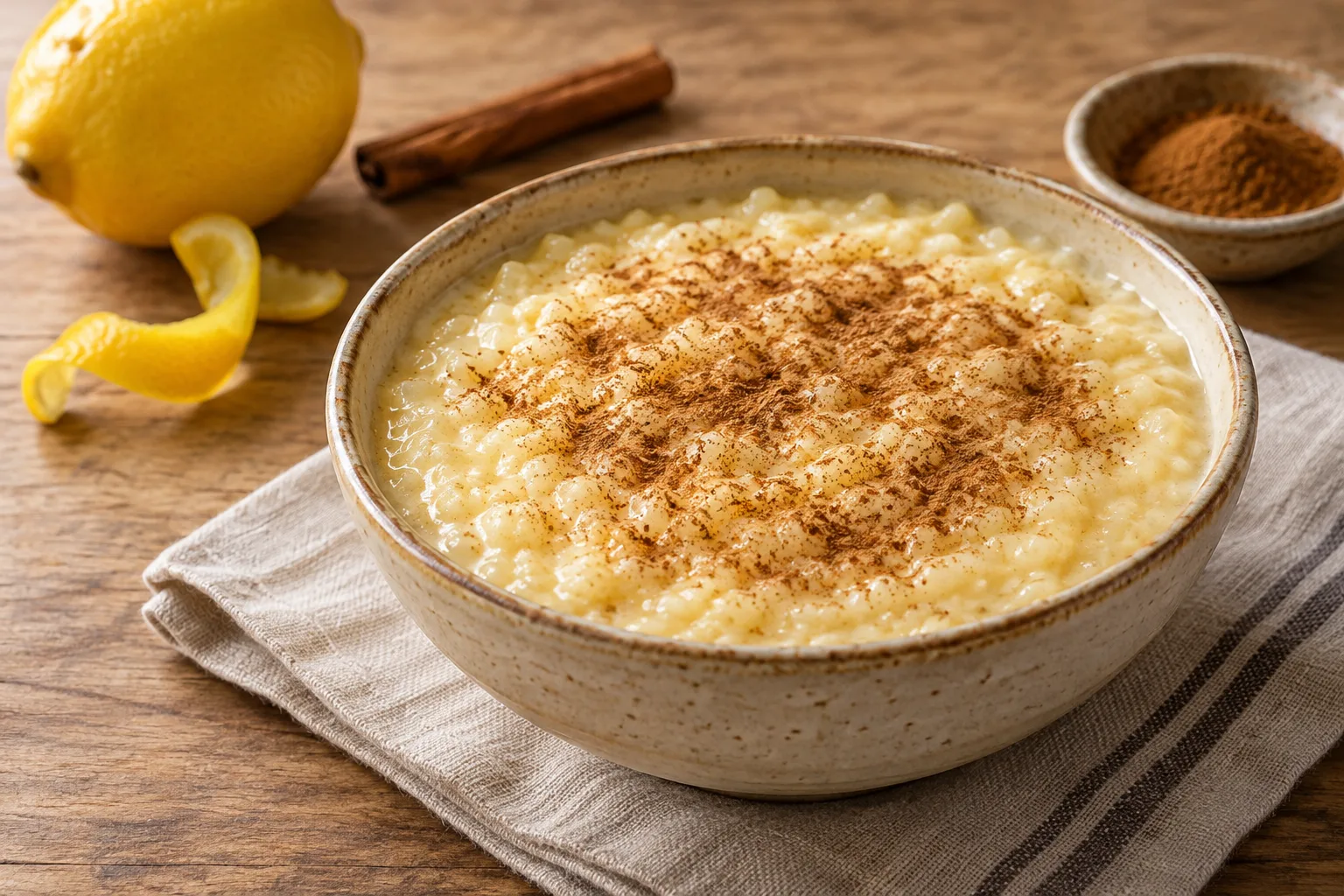
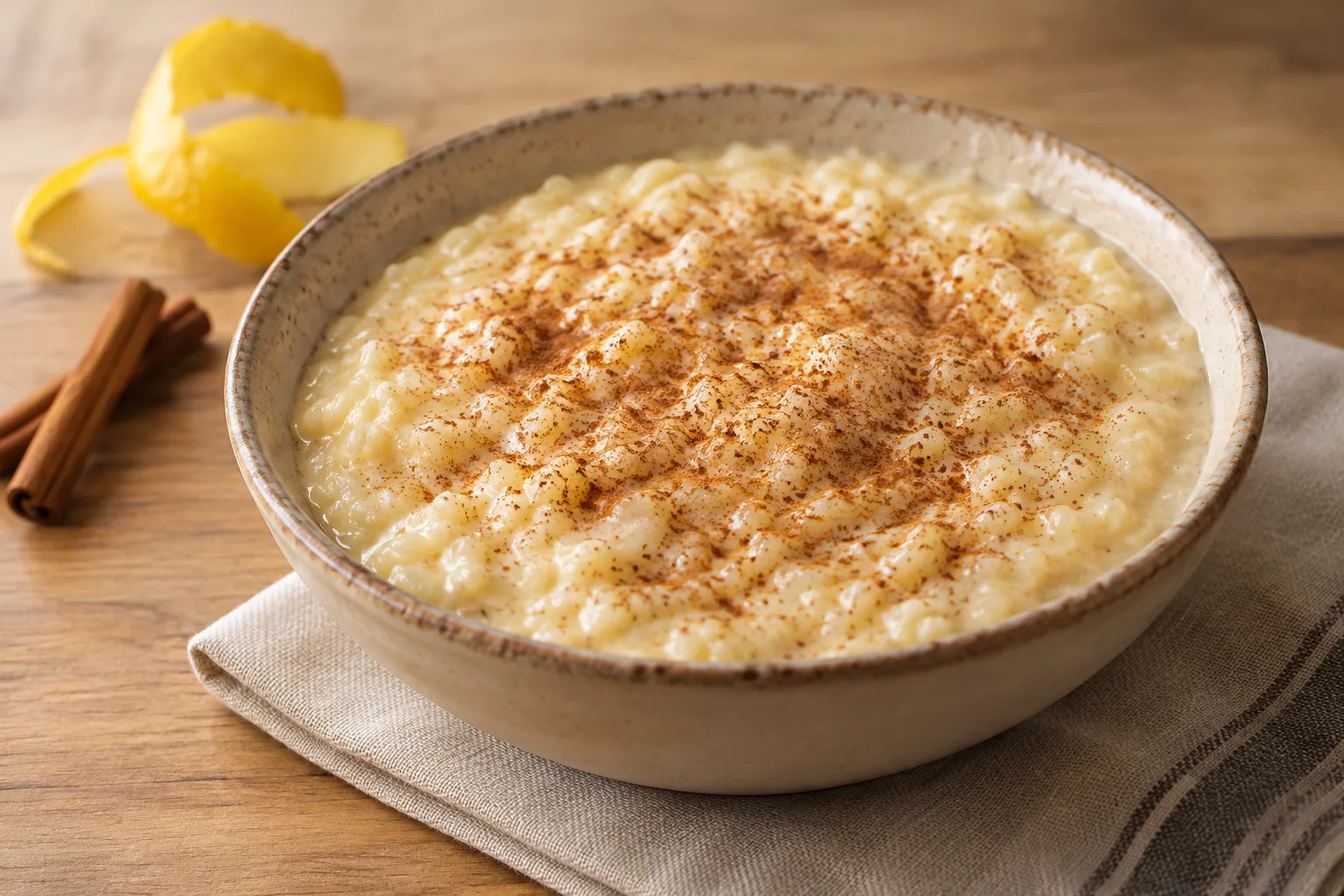
View recipeA Portuguese rice dessert cooked in milk scented with lemon and cinnamon, enriched with egg yolks and finished with ground cinnamon.
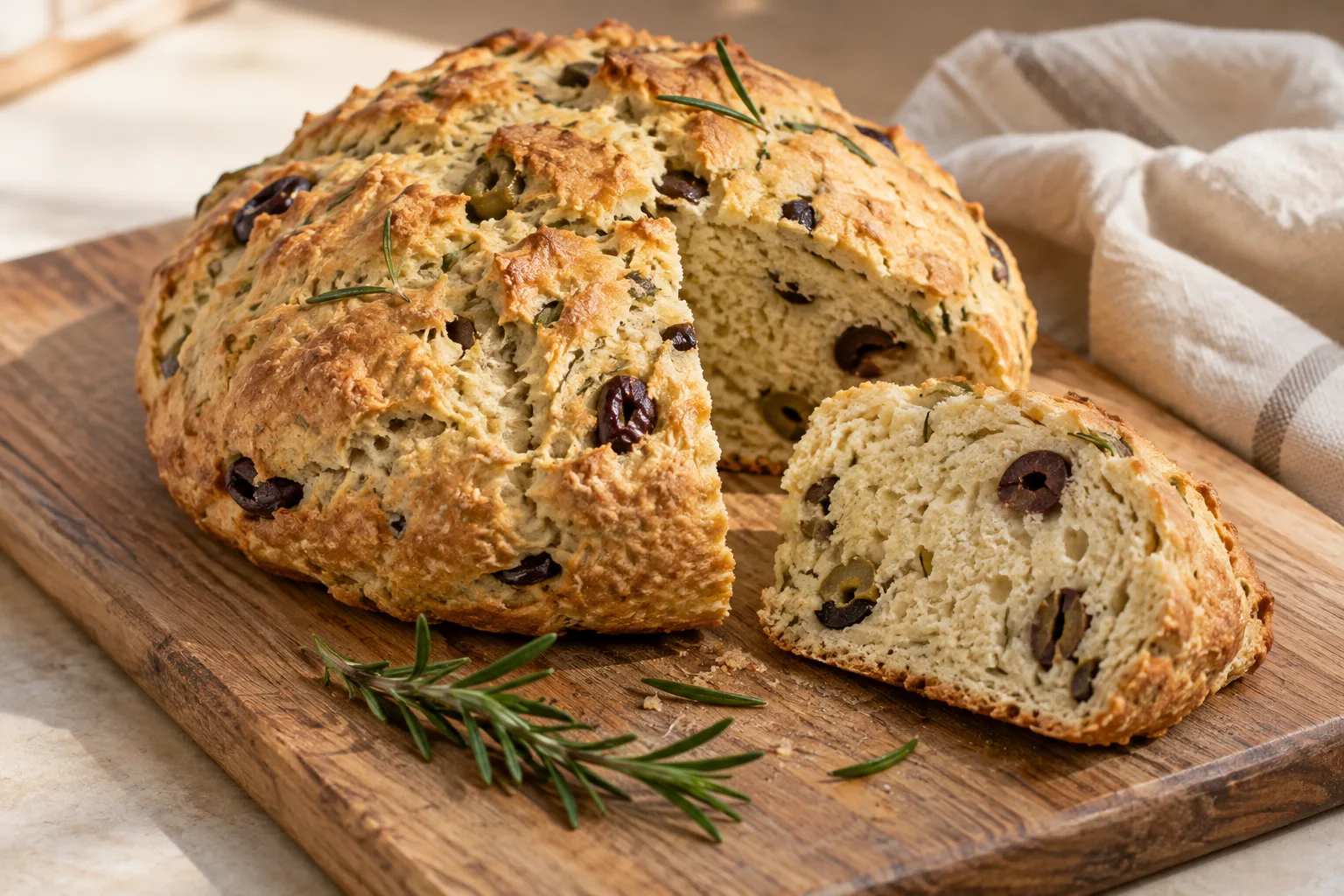
View recipeA simple Australian bread made with self-raising flour, olives and rosemary; this version is baked and served freshly made.
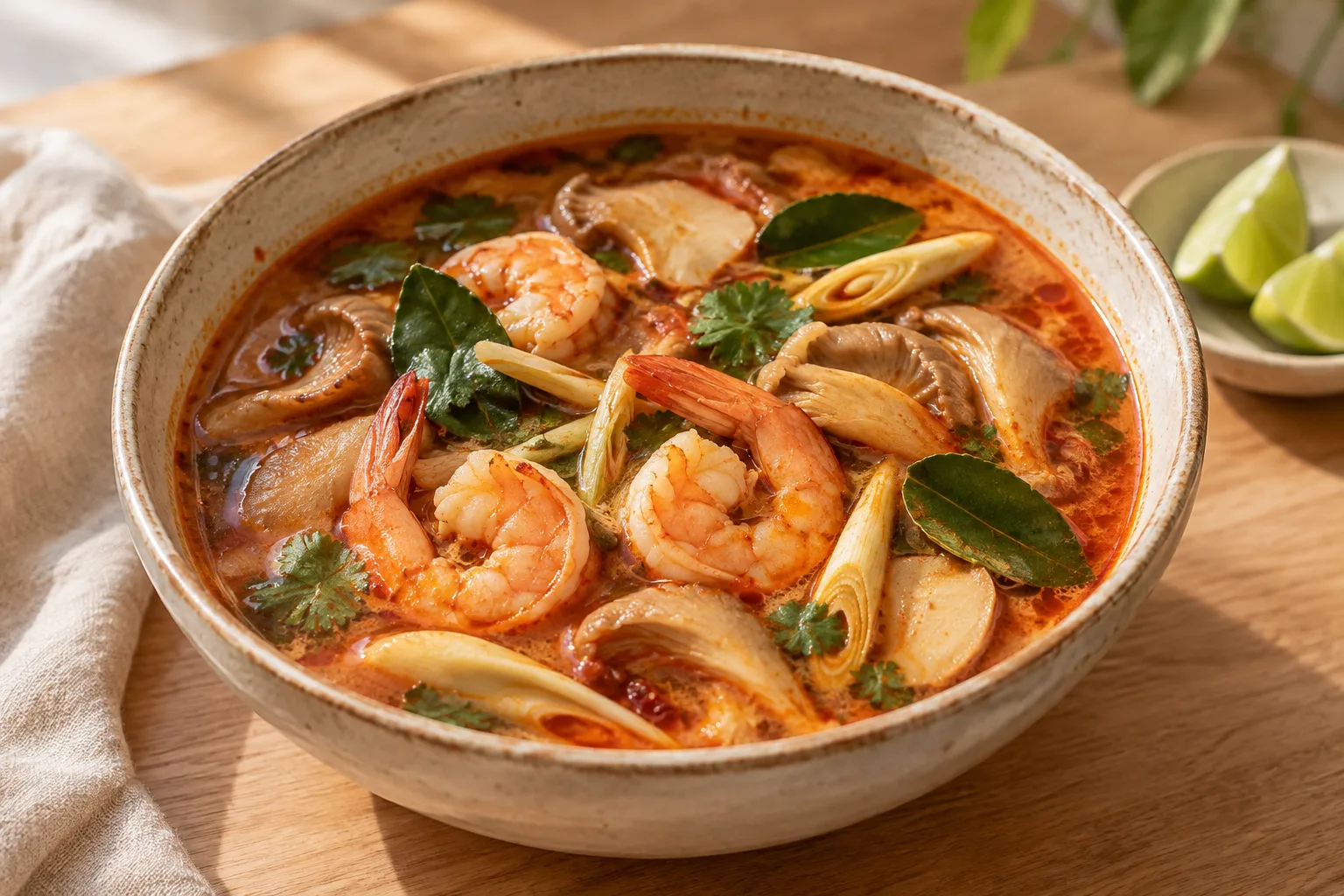
View recipeA sour-and-spicy Thai shrimp and mushroom soup scented with galangal, lemongrass and makrut lime leaves. It includes homemade nam prik pao paste.
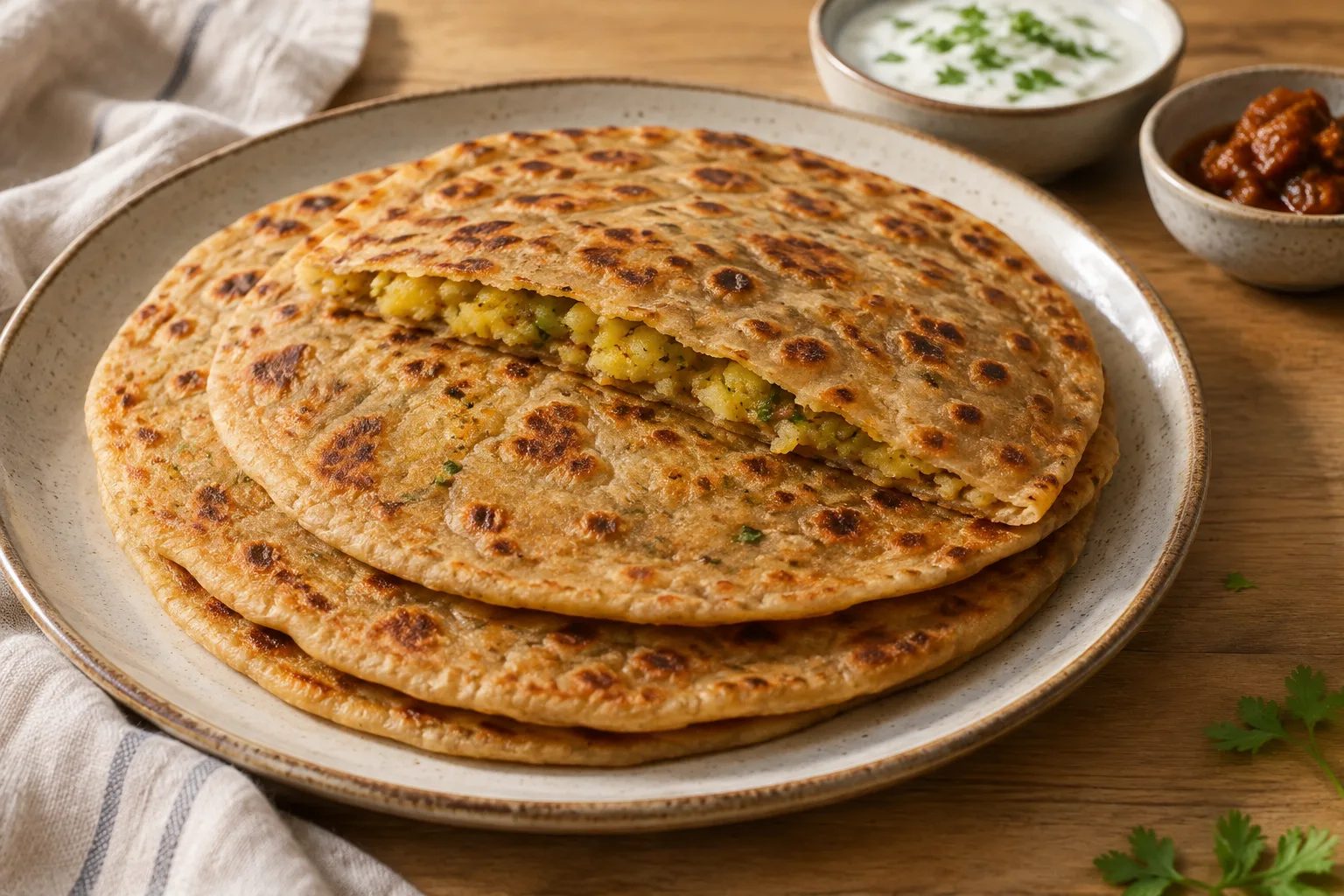
View recipeSpiced-potato-stuffed flatbread made with a soft dough and cooked on a griddle until golden.
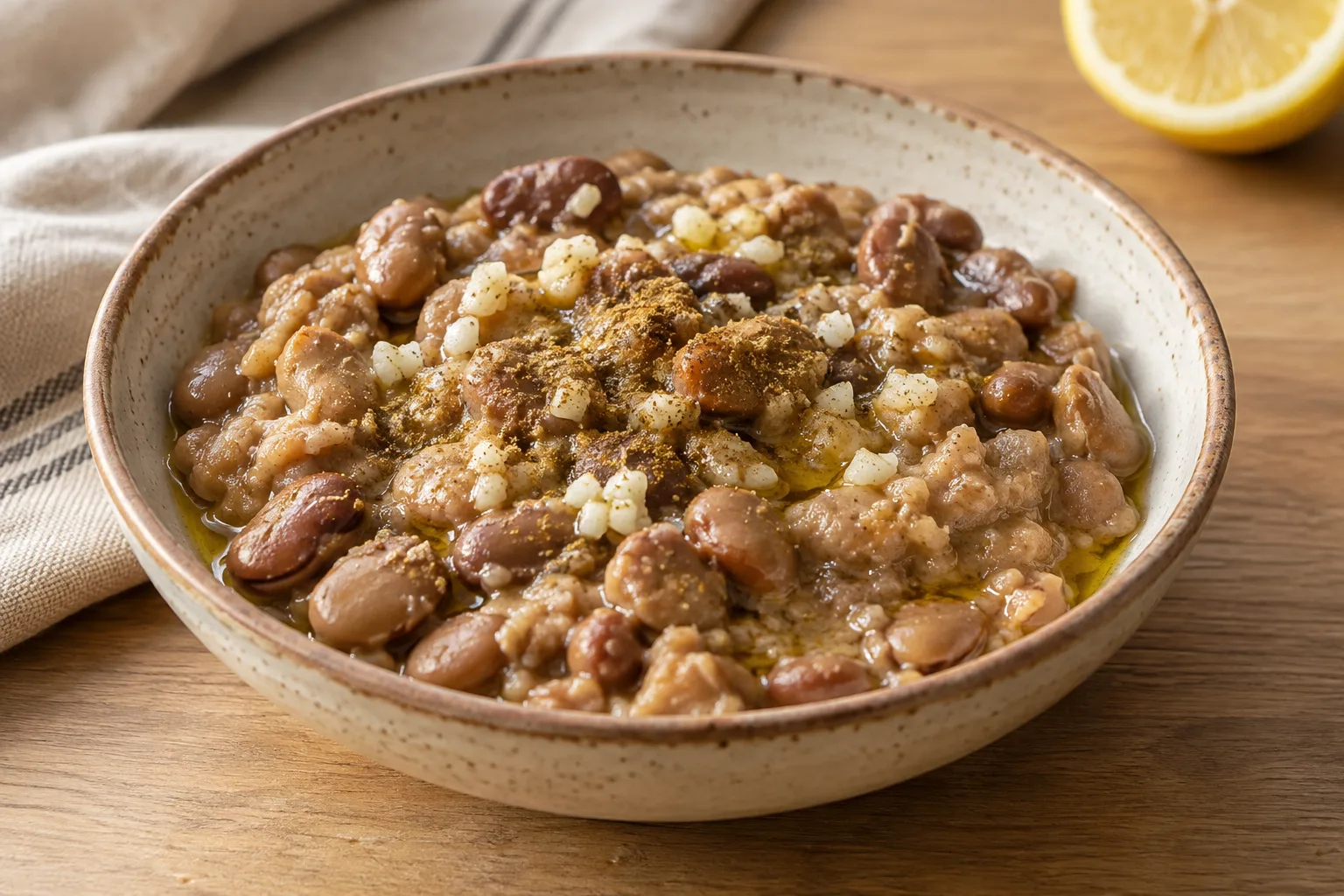
View recipeCooked fava beans, partly mashed and dressed with garlic, lemon, cumin, and olive oil.
View recipeCreamy Portuguese rice pudding cooked with milk infused with lemon and cinnamon, enriched with egg yolks and butter.
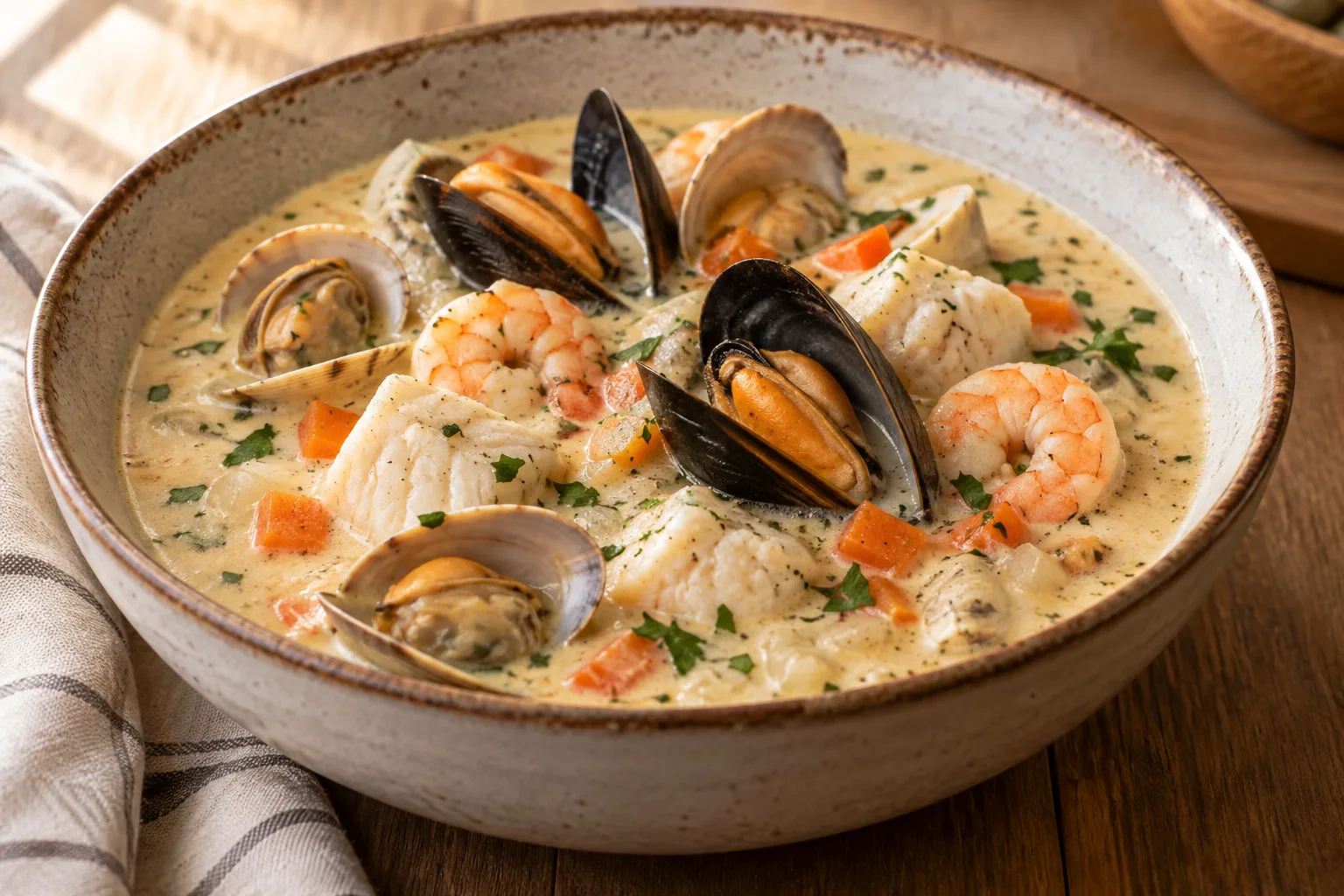
View recipeCreamy chowder for 4, with clams, mussels, prawns and white fish. Total time stated by the reference source: 35 minutes.
View recipe