
Planning
Shopping List and Work Sequence for Homemade Snacks
A flexible method for planning a week of homemade snacks, turning that plan into a focused shopping list, and doing only the advance work that makes afternoons easier.
An editorial home built from real recipe additions, seasonality and our methodology.

Choose herbs for the food you plan to cook and for what is abundant where you shop, rather than following a universal calendar. Learn how to store tender and sturdy-stemmed herbs, and how to use surplus by freezing or drying it.
Available content that can be reviewed from the recipe collection.
A flexible method for planning a week of homemade snacks, turning that plan into a focused shopping list, and doing only the advance work that makes afternoons easier.

A simple way to arrange, check and clean the refrigerator without turning it into a display: stable zones, visible food, closed containers and an easy rotation routine.

A practical guide to choosing, cutting, cooking, storing, and using pumpkin seeds with less waste and more options for everyday cooking.

Choosing the right tool, reading it properly, and recording decisions turns measurement into a clear, repeatable kitchen routine.

Artichoke season changes with origin and variety. Learn to read signs of freshness, refrigerate them without damaging them, and decide when to cook them.

A cautious system for refrigerating, freezing, and reusing homemade sauce without mistaking short-term storage for shelf-stable preserving.

Controlling fermentation means guiding a microbial transformation so that acidity, aromas, gas, alcohol, or texture develop predictably. It also means recognising that preservation and safety are not automatic: they depend on the method, the acidity achieved, and suitable practices.

The safe way to use cooked legumes starts by distinguishing dried pulses from ready-cooked products, then preventing cross-contamination and storing prepared food correctly.

A rigorous way to approach international cooking: begin with living practices, learn transferable techniques, place each preparation in context, and cook without erasing where it comes from.

A practical reading and cooking guide for understanding European cooking as a diverse set of techniques, ingredients, memories, and ways of sharing a table.

A careful way to approach Spain’s many cooking traditions: read regional repertoires, techniques, and eating contexts without reducing them to a list of icons.

A practical way to recognize the diversity of Mediterranean cooking, build a flexible pantry, and choose techniques according to the result you want.

Fresh boerewors grilled until browned all over and served in four portions.
View recipe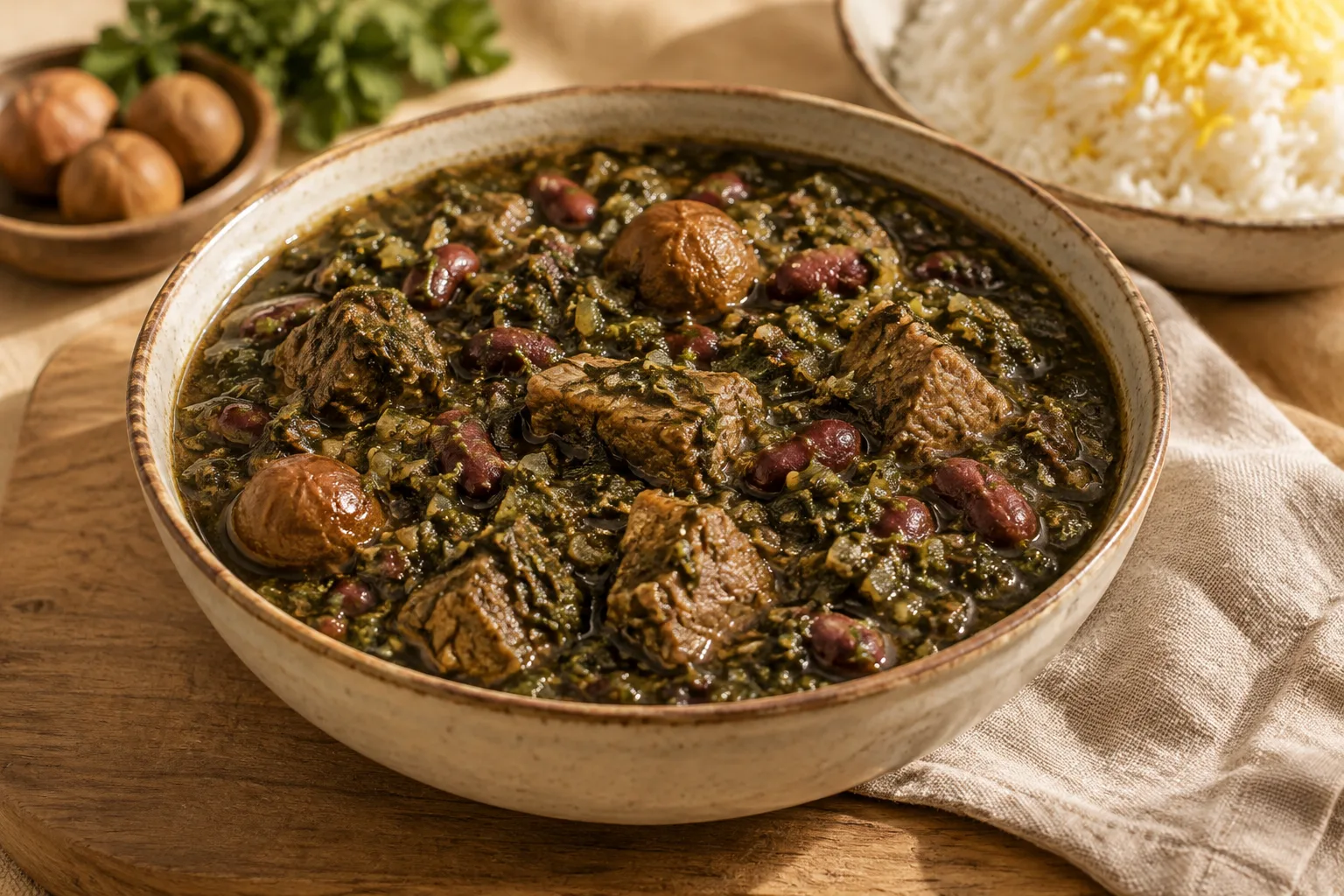
An Iranian stew of lamb or beef with fresh herbs, red kidney beans and dried limes, slowly cooked until the meat is tender.
View recipe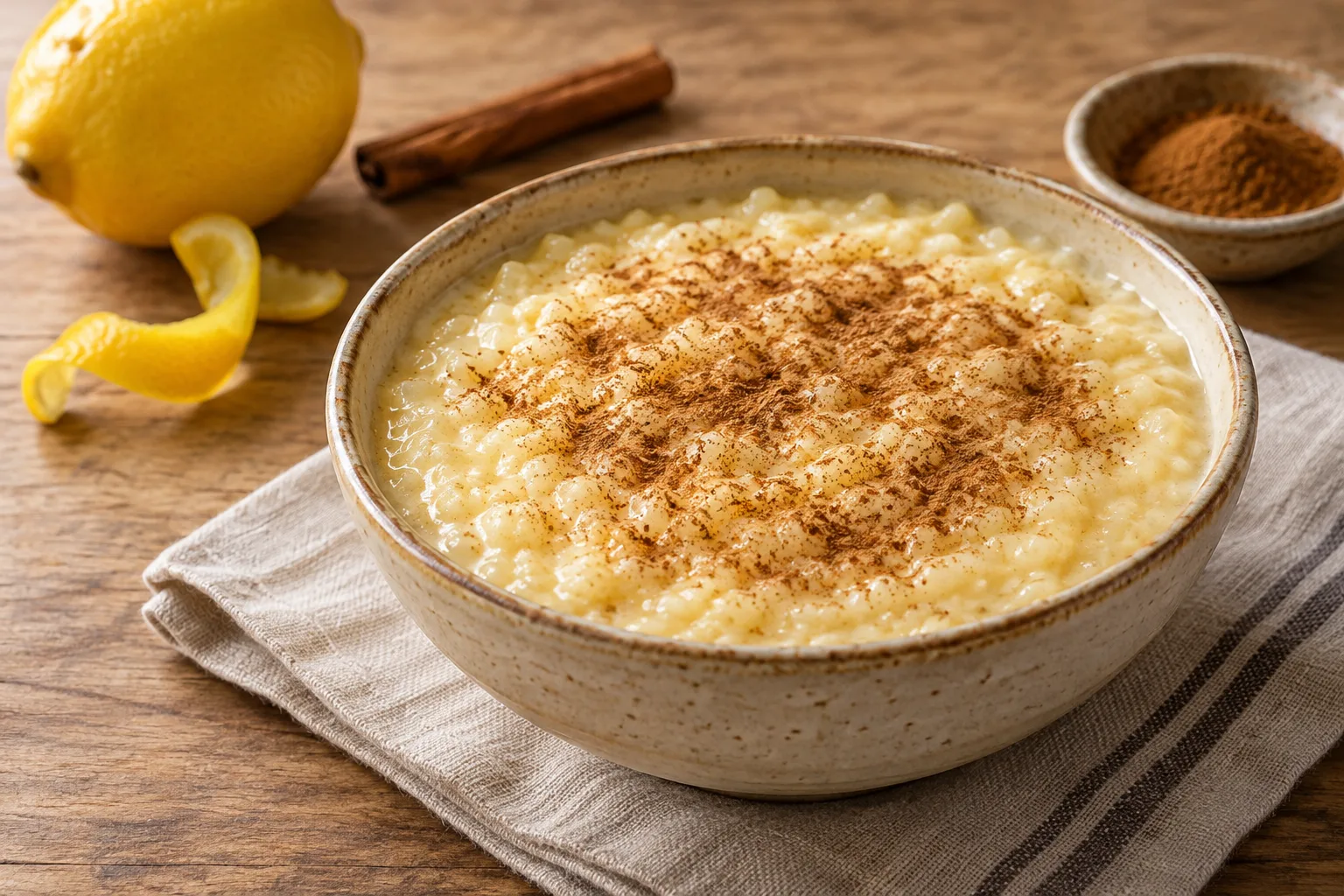
A Portuguese rice dessert cooked in milk scented with lemon and cinnamon, enriched with egg yolks and finished with ground cinnamon.
View recipe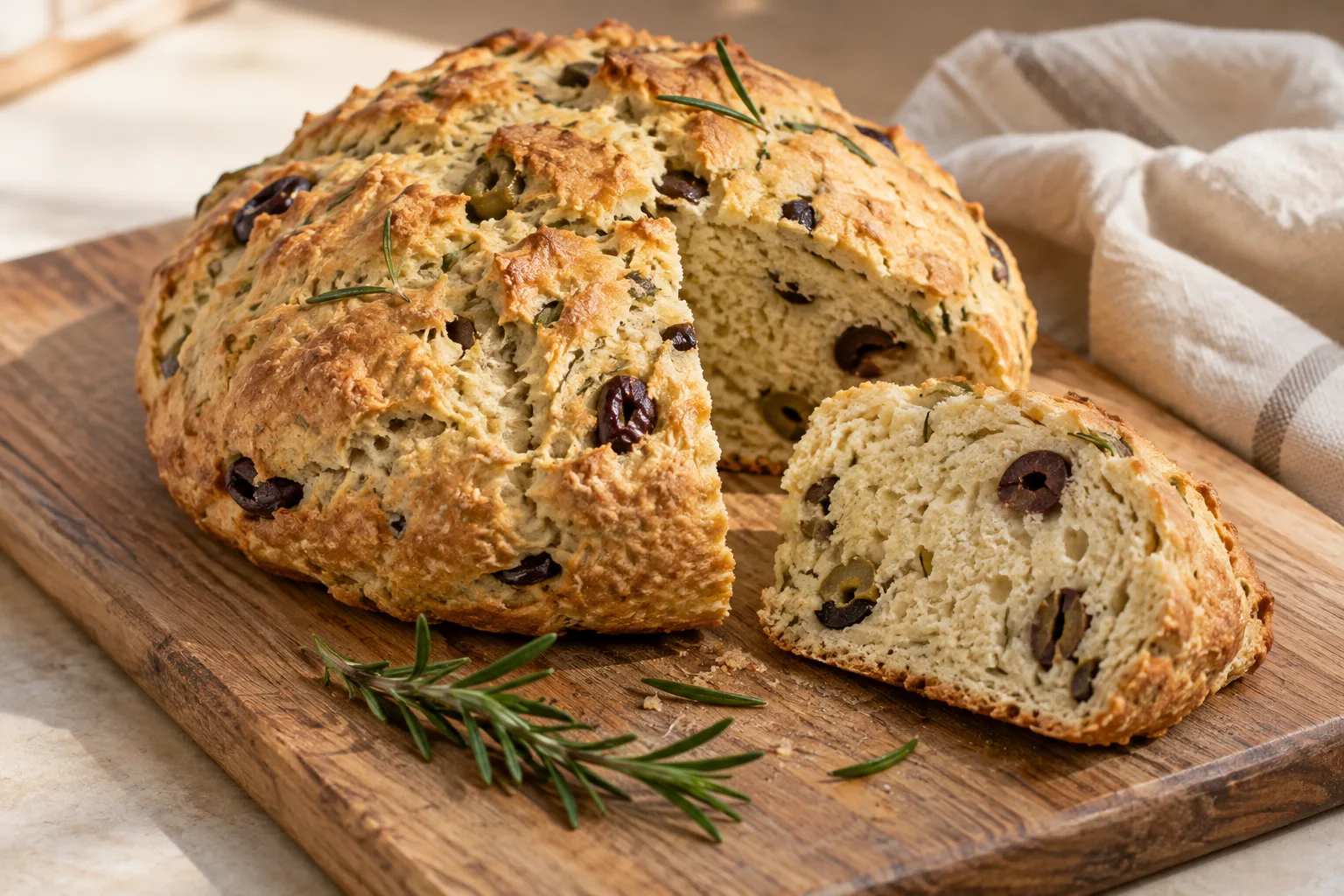
A simple Australian bread made with self-raising flour, olives and rosemary; this version is baked and served freshly made.
View recipe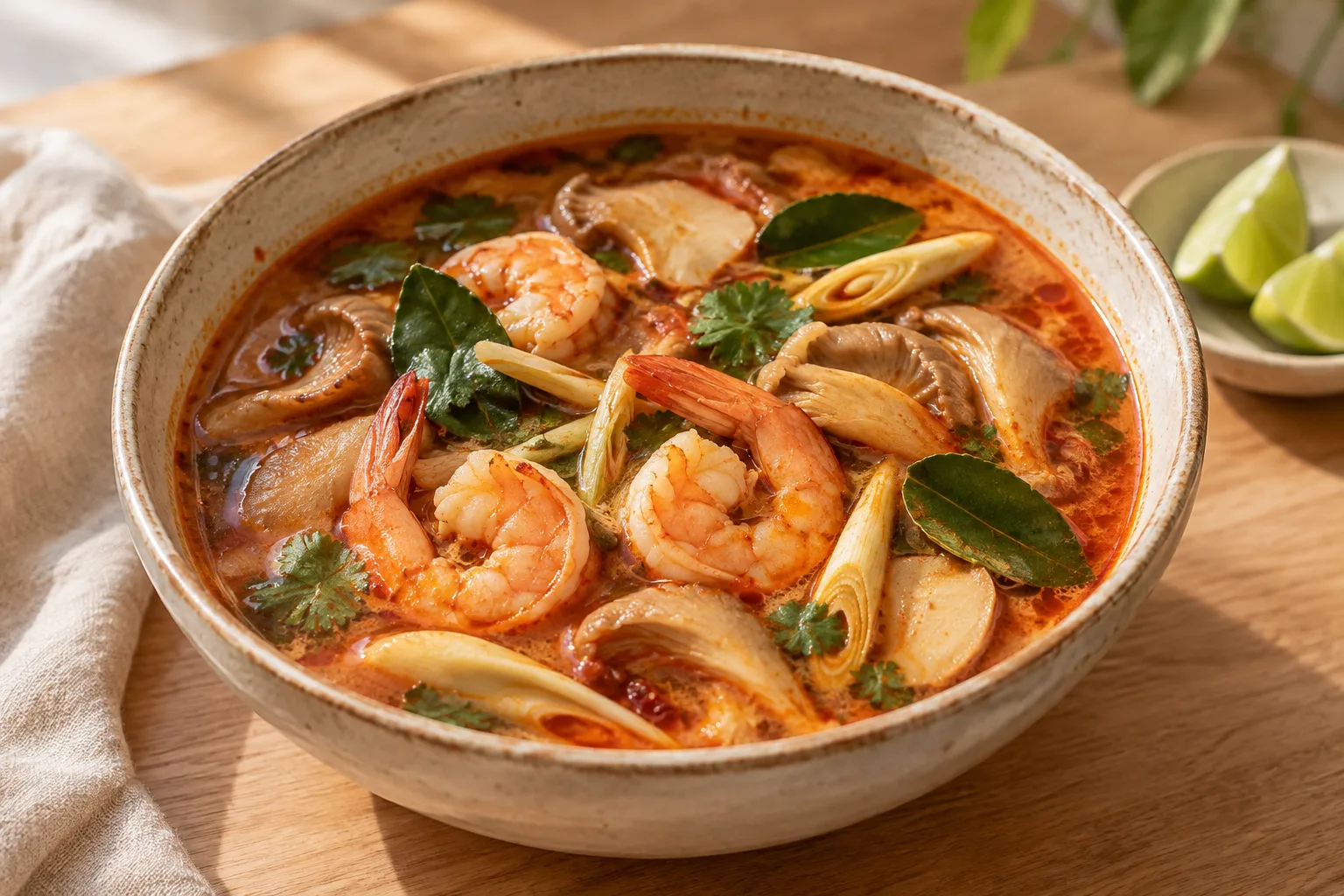
A sour-and-spicy Thai shrimp and mushroom soup scented with galangal, lemongrass and makrut lime leaves. It includes homemade nam prik pao paste.
View recipe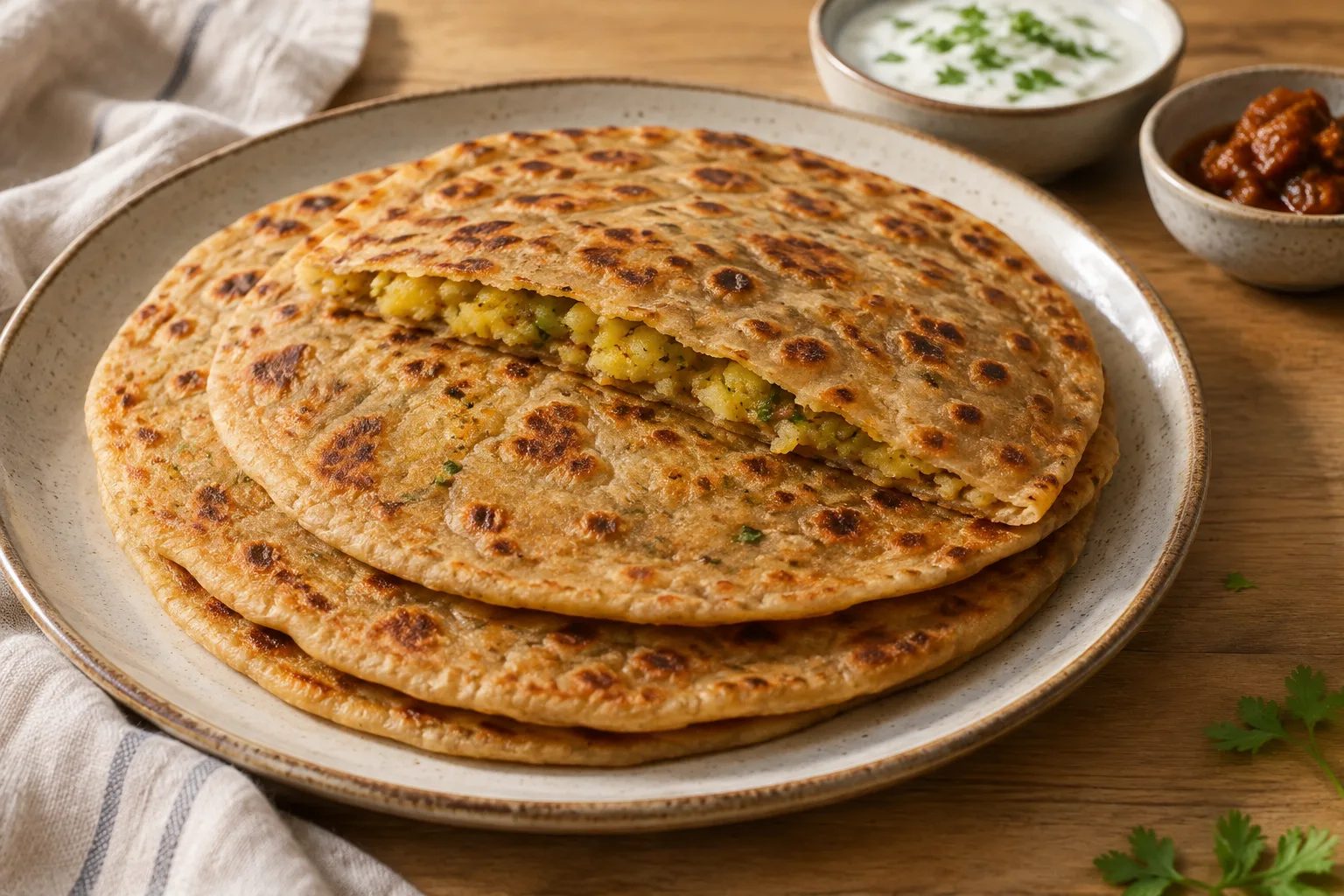
Spiced-potato-stuffed flatbread made with a soft dough and cooked on a griddle until golden.
View recipe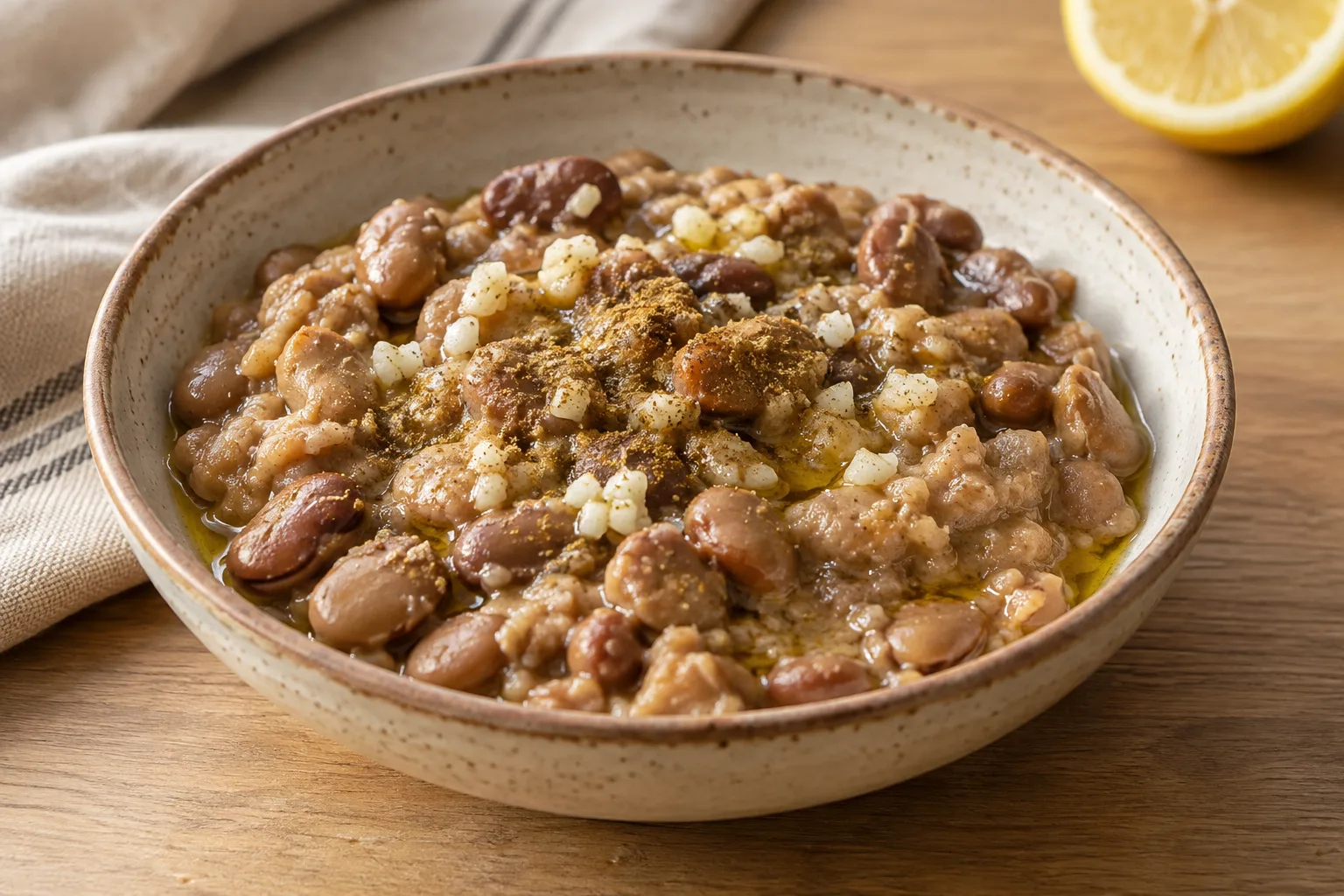
Cooked fava beans, partly mashed and dressed with garlic, lemon, cumin, and olive oil.
View recipe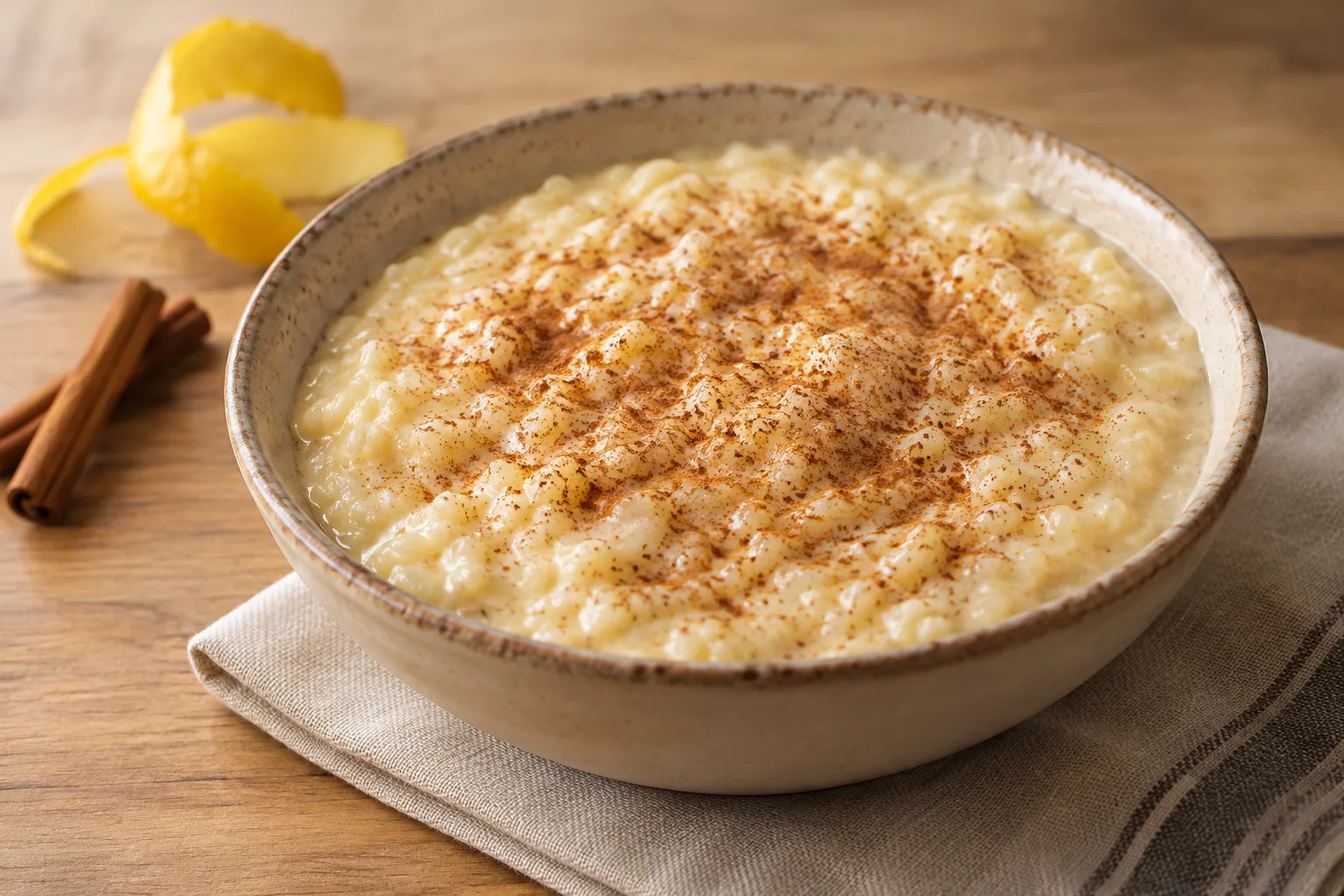
Creamy Portuguese rice pudding cooked with milk infused with lemon and cinnamon, enriched with egg yolks and butter.
View recipe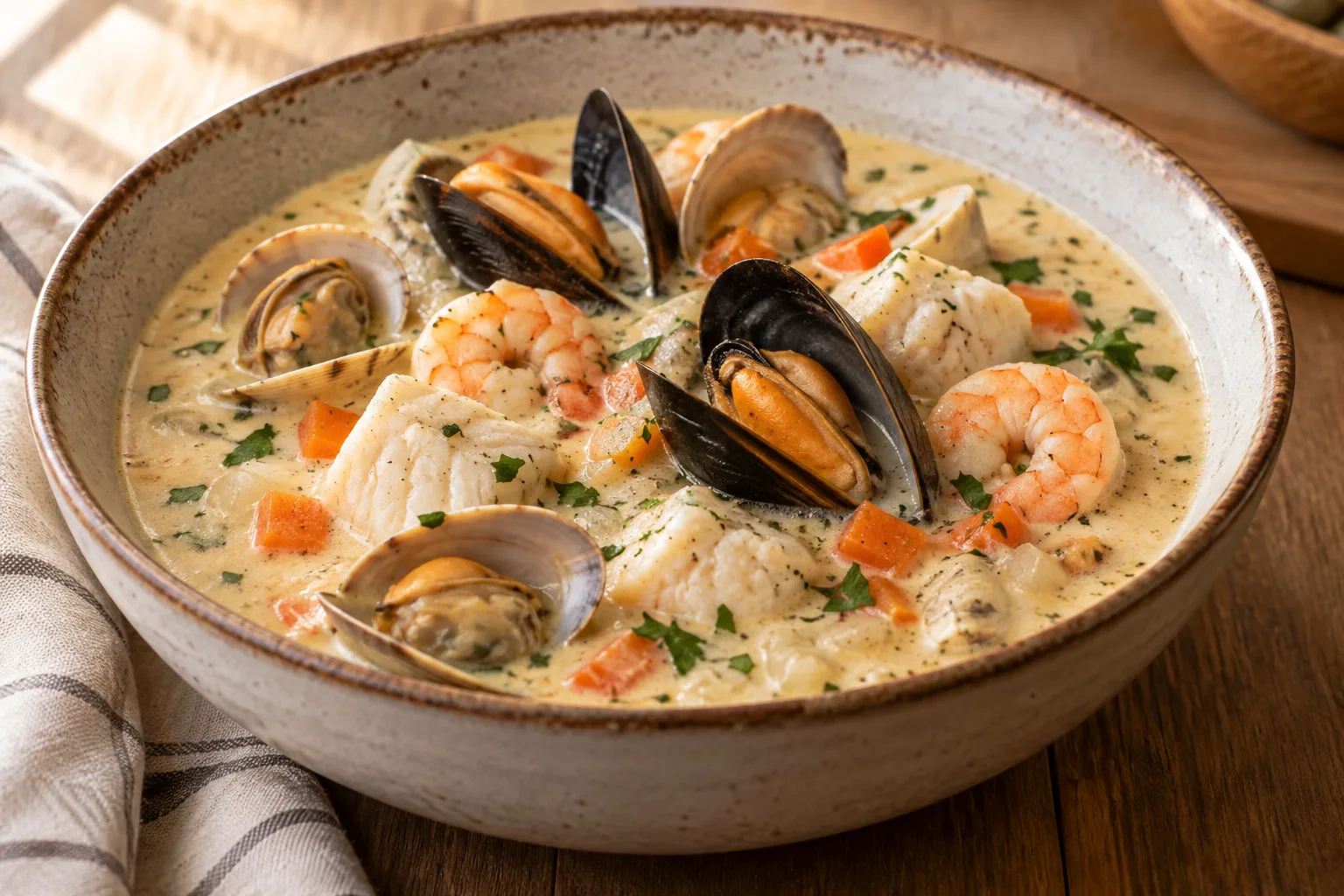
Creamy chowder for 4, with clams, mussels, prawns and white fish. Total time stated by the reference source: 35 minutes.
View recipe