
First steps
Signals and decisions for adjusting salt
There is no universal measure for salting: the ingredients, cooking method and timing of tasting all matter. Learn to read the dish, make cautious adjustments and know when to wait.
An editorial home built from real recipe additions, seasonality and our methodology.

Choose herbs for the food you plan to cook and for what is abundant where you shop, rather than following a universal calendar. Learn how to store tender and sturdy-stemmed herbs, and how to use surplus by freezing or drying it.
Available content that can be reviewed from the recipe collection.
There is no universal measure for salting: the ingredients, cooking method and timing of tasting all matter. Learn to read the dish, make cautious adjustments and know when to wait.

A cautious guide to dishes and cookbooks cited by the US Library of Congress, without turning a bibliography into a complete food history or into recipes the source does not provide.

A practical guide to deciding what to cook first, what to freeze, and how to turn ripe but usable vegetables into simple meals—without confusing preservation with food safety.

A split sauce does not always have the same cause or the same fix. Learn to tell whether liquid has evaporated or an emulsion has broken, what to try for different sauce types, and how to reduce the chance of another split.

Learn to read browning, texture and the behavior of different toppings so you can finish dishes without relying on a universal timer or mistaking a toasted surface for a cooked interior.

Better measuring starts before you fill a cup: identify the unit and ingredient state the recipe calls for, choose the right tool, and follow a repeatable sequence. This guide covers weighing solids, measuring liquids, and avoiding conversions that may seem convenient but can mislead.

A practical guide to handling cooked legumes, from clean preparation and thorough cooking to prompt cooling, refrigeration and reheating leftovers.

A practical guide to choosing, cleaning and cooking store-bought mushrooms with simple methods for the pan, grill, pasta, eggs, rice and stews.

A tray gives food a stable surface for baking and roasting, but its material can affect browning, release and cleanup. Learn how to choose one without expecting the same results in every oven.

Soups, stews and potages are not a family defined by one ingredient. Their history is best understood through how they are eaten, the foods available and the meanings communities have given them.

Learn to distinguish expected separation from an emulsion losing its uniformity, what to check before changing the recipe, and which adjustments to consider for different preparations.

Blanching applies heat briefly and then, when the goal is to stop cooking, cools the food quickly. Its duration depends on the food and purpose: learn to distinguish a kitchen blanch from blanching vegetables before freezing.

Fresh boerewors grilled until browned all over and served in four portions.
View recipe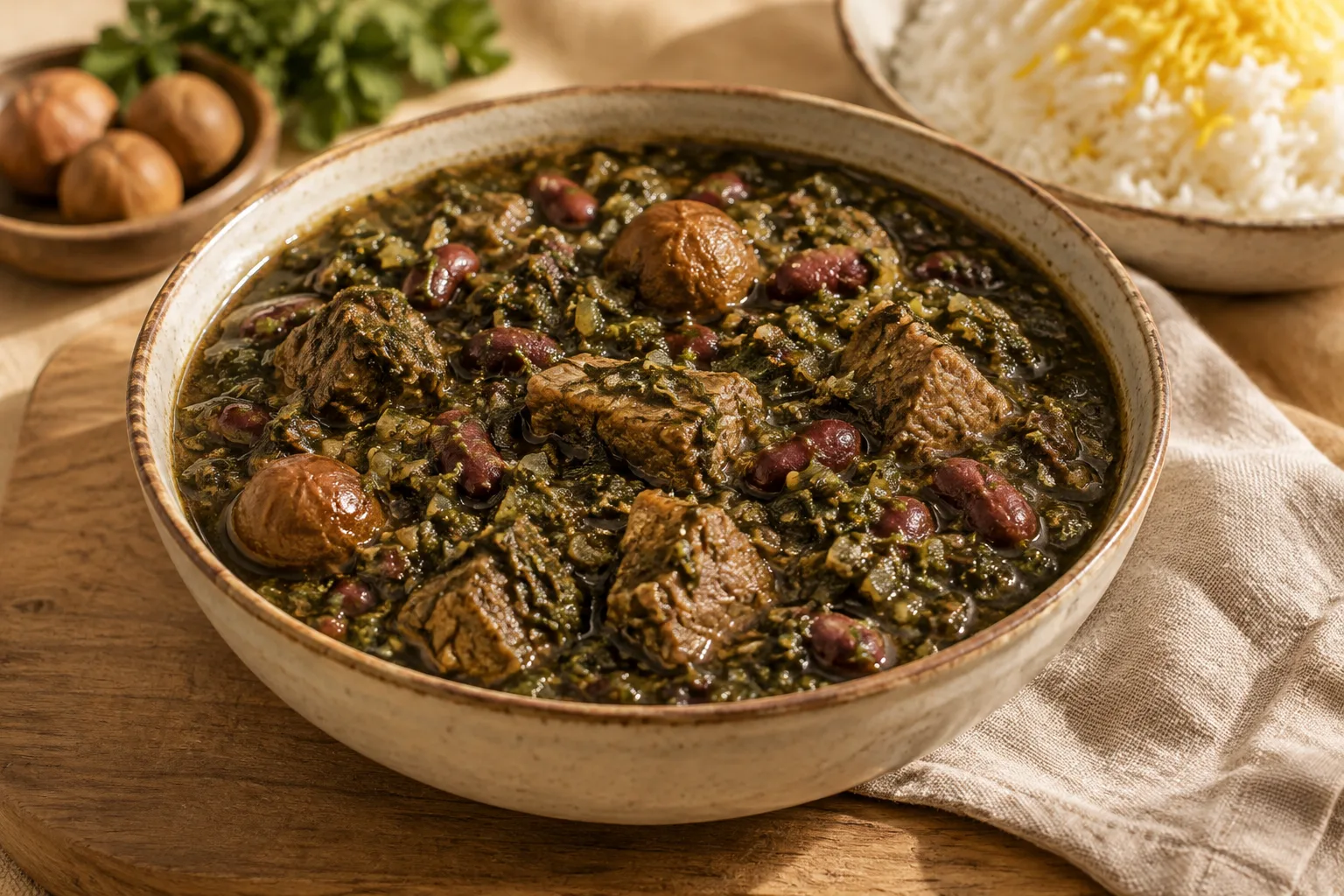
An Iranian stew of lamb or beef with fresh herbs, red kidney beans and dried limes, slowly cooked until the meat is tender.
View recipe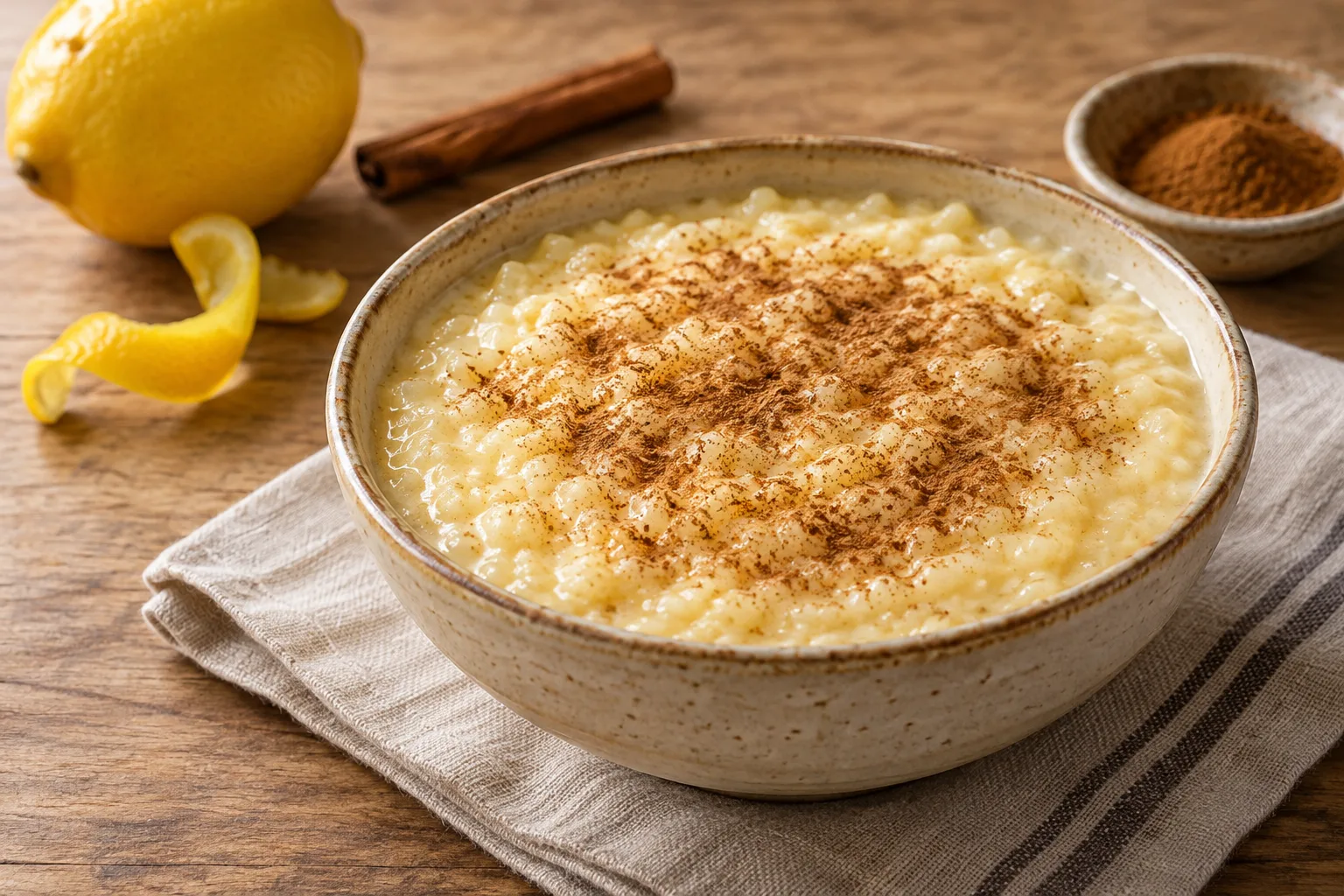
A Portuguese rice dessert cooked in milk scented with lemon and cinnamon, enriched with egg yolks and finished with ground cinnamon.
View recipe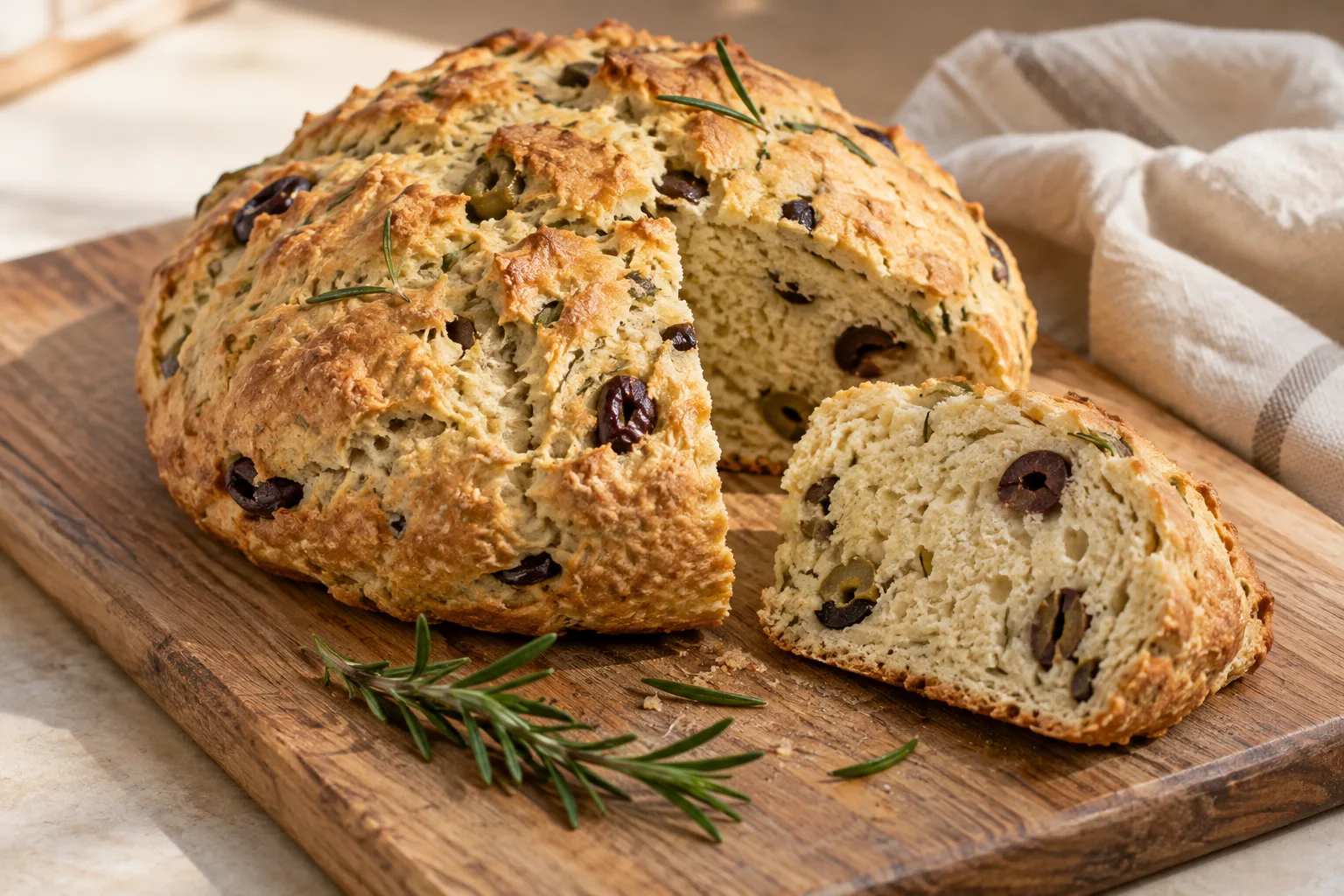
A simple Australian bread made with self-raising flour, olives and rosemary; this version is baked and served freshly made.
View recipe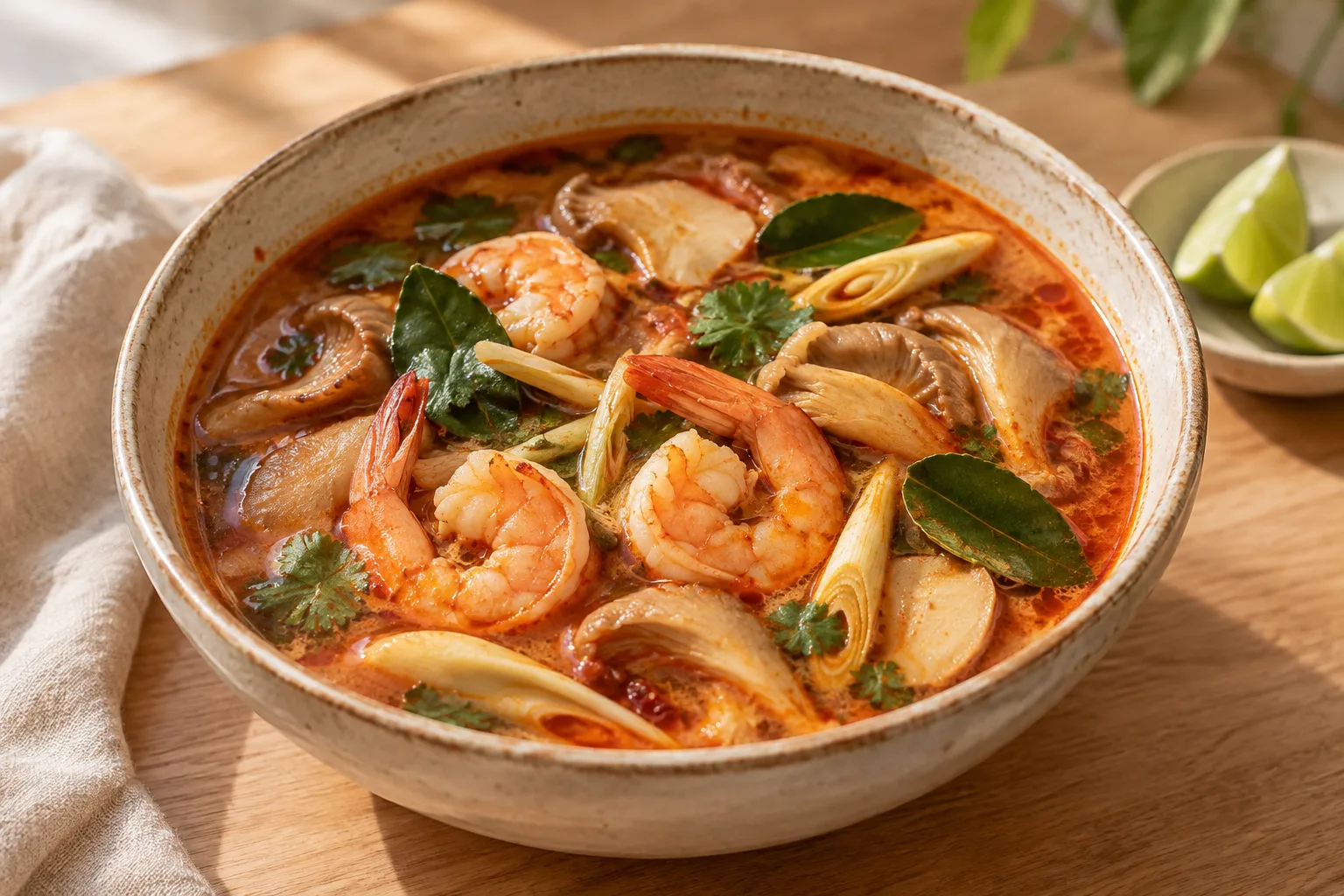
A sour-and-spicy Thai shrimp and mushroom soup scented with galangal, lemongrass and makrut lime leaves. It includes homemade nam prik pao paste.
View recipe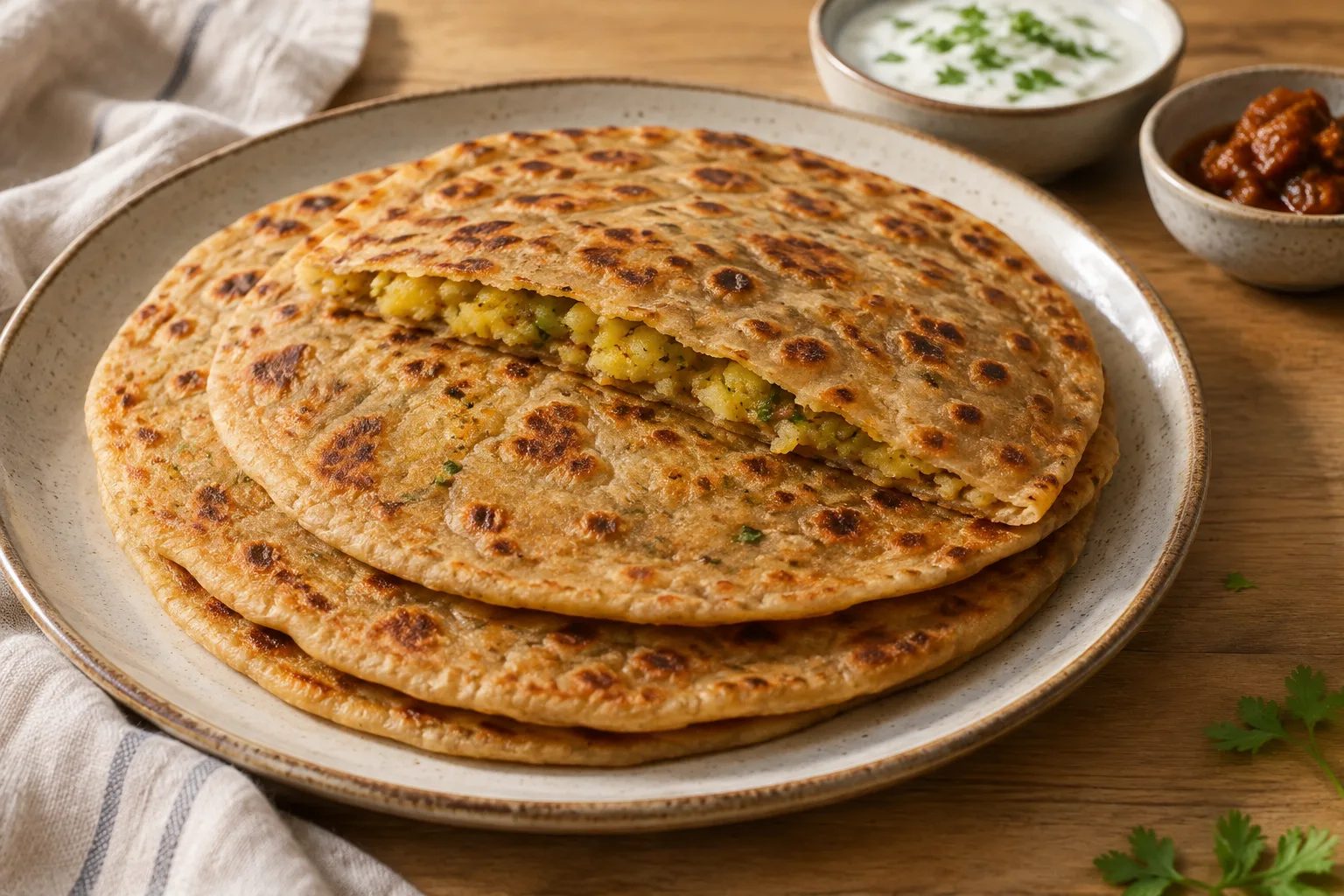
Spiced-potato-stuffed flatbread made with a soft dough and cooked on a griddle until golden.
View recipe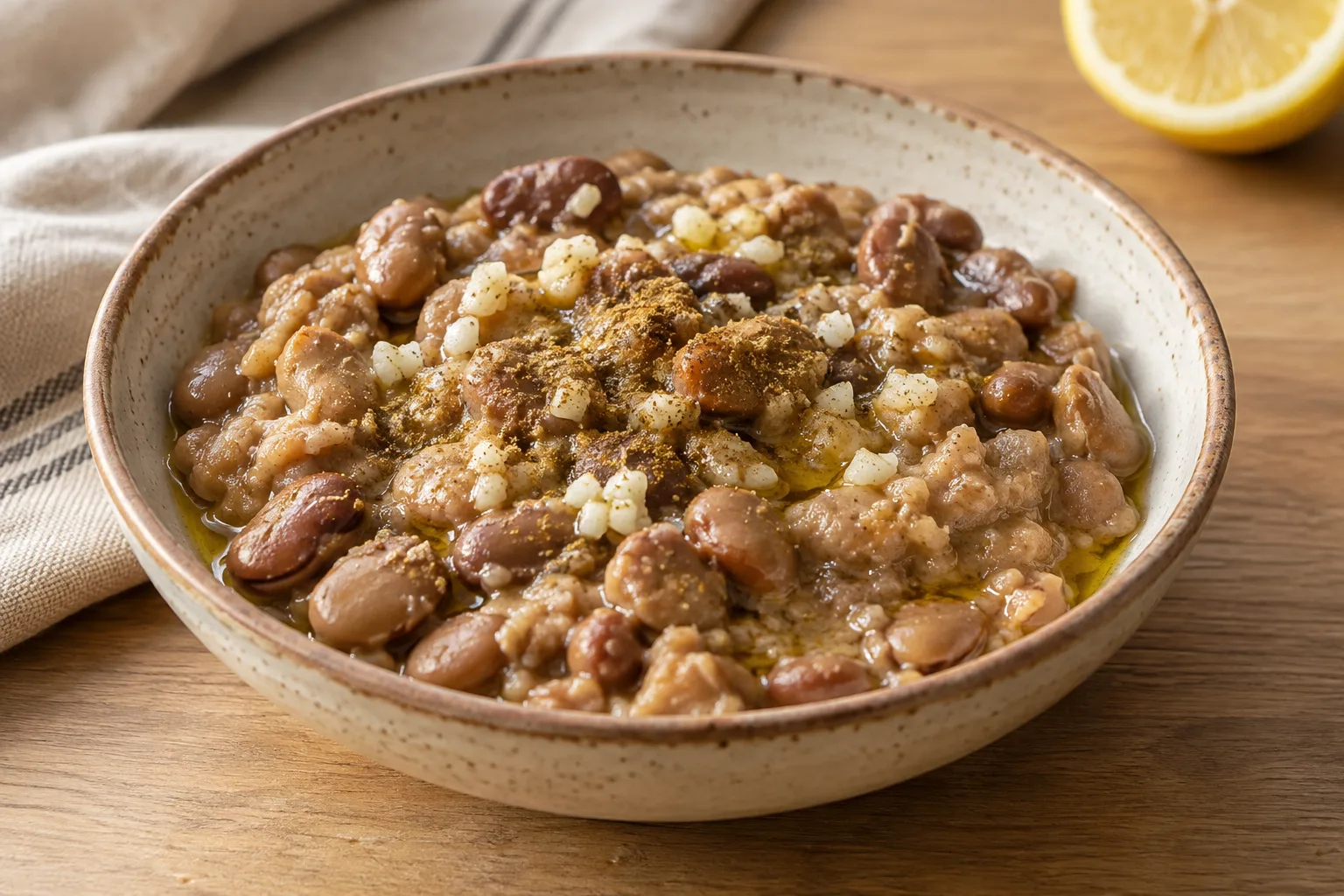
Cooked fava beans, partly mashed and dressed with garlic, lemon, cumin, and olive oil.
View recipe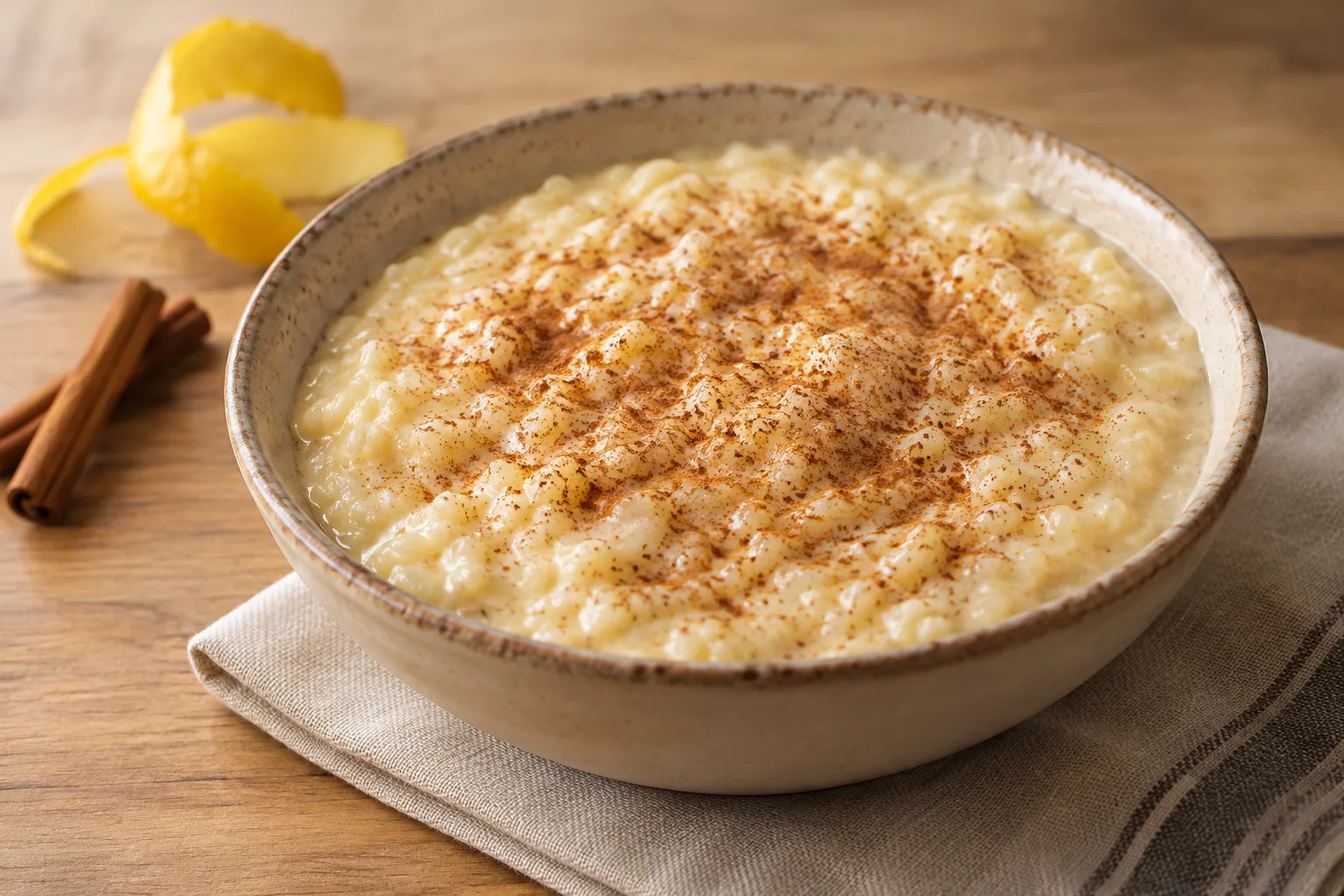
Creamy Portuguese rice pudding cooked with milk infused with lemon and cinnamon, enriched with egg yolks and butter.
View recipe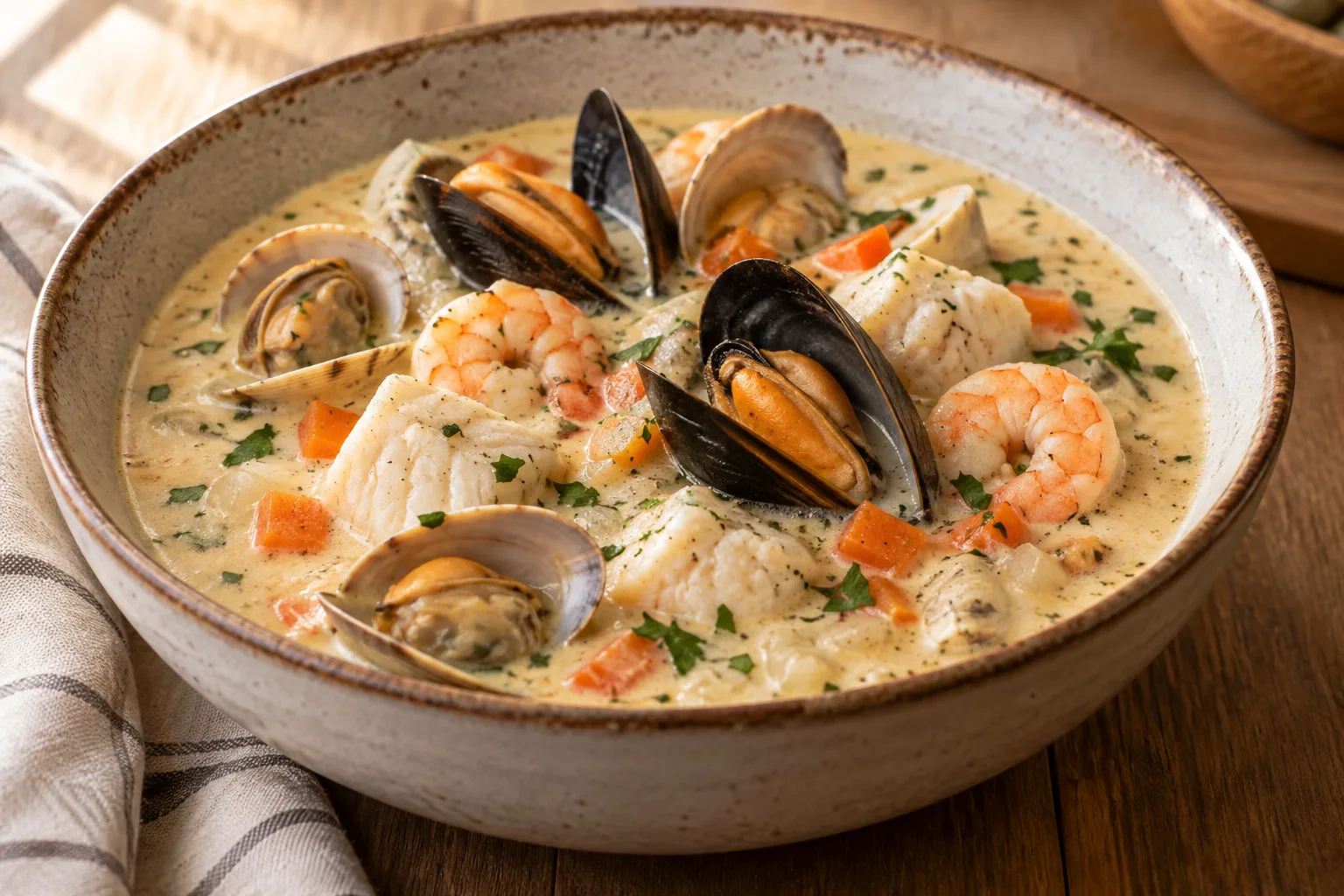
Creamy chowder for 4, with clams, mussels, prawns and white fish. Total time stated by the reference source: 35 minutes.
View recipe