Kitchen notebook

World cuisine

Articles and guides about World cuisine: cooking ideas, explanations and tips researched and checked by KitchenPause.

Seasonal produce

Spring in the basket: choosing and storing seasonal vegetables

Image generated by the Kitchenpause team

Asparagus, peas, broad beans, artichokes and tender greens signal spring. Learn to read the seasonal calendar flexibly, choose vegetables in good condition and organize storage without treating seasonality as a rigid rule.

Latest additions

Latest additions

Available content that can be reviewed from the recipe collection.

Image generated by the Kitchenpause team
World cuisine

Maldivian Cuisine: Tuna, Coconut and the Flavours of an Indian Ocean Archipelago

Across the Maldives, an archipelago of atolls and scattered islands in the Indian Ocean, food brings together fish—especially tuna—coconut and staple foods such as rice and tubers. Clear fish broth, curries, flatbreads and tea-time snacks reflect island resources and long-standing connections with neighbouring South Asian cuisines, while particular dishes mark breakfasts, everyday meals and shared celebrations.

Read →
Image generated by the Kitchenpause team
World cuisine

Chamorro Food and Pacific Encounters in the Northern Mariana Islands

Across the Northern Mariana Islands, Chamorro cooking shares the table with Pacific and Asian influences. Coconut, rice, seafood, citrus, and taro appear in distinct preparations, from kelaguen and red rice to stews, flatbreads, and sweets. Saipan, Tinian, and Rota offer documented examples, while family variations and the islands’ different histories make any single dish an incomplete portrait of the territory’s food.

Read →
Image generated by the Kitchenpause team
World cuisine

Kuwait at the Table: Gulf Fish, Fragrant Rice, and Shared Traditions

Kuwaiti cuisine reflects life beside the northern Gulf and a history of trade linking the region with neighboring societies and distant markets. Rice cooked with meat or seafood, flatbreads, wheat dishes, fish, and aromatic spices form a varied repertoire. Machboos and murabyan bring rice together with land or sea; harees and jireesh offer slower-cooked wheat preparations. Breads, sauces, sweets, coffee, and dates also shape everyday meals and acts of hospitality, with recipes and customs varying among households.

Read →
Image generated by the Kitchenpause team
World cuisine

Kiribati Cuisine: Atoll Foodways, Fish, Coconut, and Island Exchange

Kiribati’s foodways draw on the ocean and on island-grown coconut, swamp taro, breadfruit, pandanus, pumpkin, and other produce, alongside imported rice, flour, sugar, and canned meat. Across 32 coral atolls and Banaba, dishes and ingredients reflect both local environments and long-standing Pacific connections. This guide explores documented foods, methods, communities, and occasions without presenting one dish or custom as the sole expression of the country’s diverse kitchens.

Read →
Image generated by the Kitchenpause team
World cuisine

Côte d’Ivoire’s Culinary Atlas: Cassava, Plantain, Grains, and Sauces

Côte d’Ivoire’s food traditions bring together cassava, plantain, yam, grains, fish, meat, and sauces made with palm nuts, groundnuts, and vegetables. Across the lagoon coast, forested areas, central communities, and the north, distinctive staples such as attiéké, foutou, placali, and tôh meet everyday and celebratory dishes including garba, alloco, and kedjénou. Their different textures, methods, and regional associations reveal a varied cuisine shaped by both local practice and the movement of dishes between places.

Read →
Image generated by the Kitchenpause team
World cuisine

Food of the Democratic Republic of the Congo: Cassava, River Fish, and Regional Variety

The Democratic Republic of the Congo’s foodways reflect a vast Central African country shaped by the Congo River and its tributaries, varied communities, and locally available crops. Cassava appears as roots, leaves, flour, and fermented preparations; plantains, maize, rice, and other staples accompany vegetable dishes, fish, beans, and sauces. Pondu, chikwangue, moambe, liboke, and Kinshasa’s nganda restaurants illustrate distinct preparations and settings, not a single national menu.

Read →
Image generated by the Kitchenpause team
World cuisine

Brunei’s Foodways: Sago, Rice and Shared Flavours of Northern Borneo

Brunei’s cuisine takes shape on the northern coast of Borneo, where rice, noodles, fish, coconut and chilli meet culinary traditions shared across Southeast Asia. Ambuyat, made from sago starch, is a distinctive local preparation, while nasi katok and an array of kuih connect everyday eating with food stalls, family occasions and community gatherings. Temburong offers a documented example of how local ingredients and cooking practices are shared across generations.

Read →
Image generated by the Kitchenpause team
World cuisine

Bosnia and Herzegovina: Grilled Meats, Filled Pies, and Slow-Cooked Pots

Bosnia and Herzegovina’s food traditions reflect local ingredients and centuries of Ottoman, Balkan, Mediterranean, and Central European exchange. Grilled ćevapi, soft somun, named varieties of pita, okra soup, slow-cooked stews, and nut-filled sweets all belong to a varied culinary landscape. Regional examples—from Sarajevo and Herzegovina to Krajina and Puračić—show why no single dish or custom can stand for every community.

Read →
Image generated by the Kitchenpause team
World cuisine

Azerbaijan at the Table: Rice, Herbs, Slow-Cooked Stews, and Hospitality

Azerbaijan’s food traditions reflect a landscape stretching from the Caspian Sea to the Caucasus, with varied produce, grains, meat, fish, and herbs. Plov pairs rice with a separately prepared accompaniment, while Sheki is closely associated with the slow-cooked stew piti and Lankaran with stuffed lavangi. Dolma traditions connect communities through shared preparation, with local variations in ingredients and methods. Tea, often served in a curved armudu glass with sweets or fruit preserves, is an important expression of hospitality.

Read →
Image generated by the Kitchenpause team
World cuisine

American Samoa’s Foodways: Taro, Coconut, Seafood, and Shared Meals

American Samoan foodways draw on island-grown staples and the surrounding sea, with taro, breadfruit, coconut, fish, pork, and chicken appearing in traditional meals. The umu earth oven makes it possible to cook for families and larger gatherings, while dishes such as palusami and sapasui show how shared Samoan traditions coexist with adaptations shaped by outside contacts and contemporary ingredients.

Read →
Image generated by the Kitchenpause team
World cuisine

Armenia: Highlands, seasonal harvests and a shared table

Armenian food is shaped by highland landscapes, fertile valleys and sharply changing seasons. Wheat, lavash, herbs, wild greens, fruit, fermented dairy and meat appear in dishes that range from everyday soups to festive feasts. Local practices include drying and pickling harvests, baking bread in a tonir, grilling khorovats and filling leaves or vegetables for tolma. These traditions vary between households and communities, and connect present-day Armenia with a wider history of exchange and migration.

Read →
Image generated by the Kitchenpause team
World cuisine

Emirati Cuisine: Desert, Gulf Coast, Oasis and the Culture of Sharing

Emirati food reflects life across desert, coast and oasis, as well as centuries of exchange along regional trade routes. Dates, wheat, fish, meat, rice and aromatic spices appear in dishes with distinct textures and uses: harees is slowly cooked and beaten smooth, machboos absorbs seasoned broth, and thareed layers bread with stew. Coffee and dates welcome guests, while Ramadan, weddings and family gatherings bring particular dishes and practices of sharing into focus. These traditions are varied and connected to a wider Gulf food culture.

Read →
Recipes

Recipes to enjoy

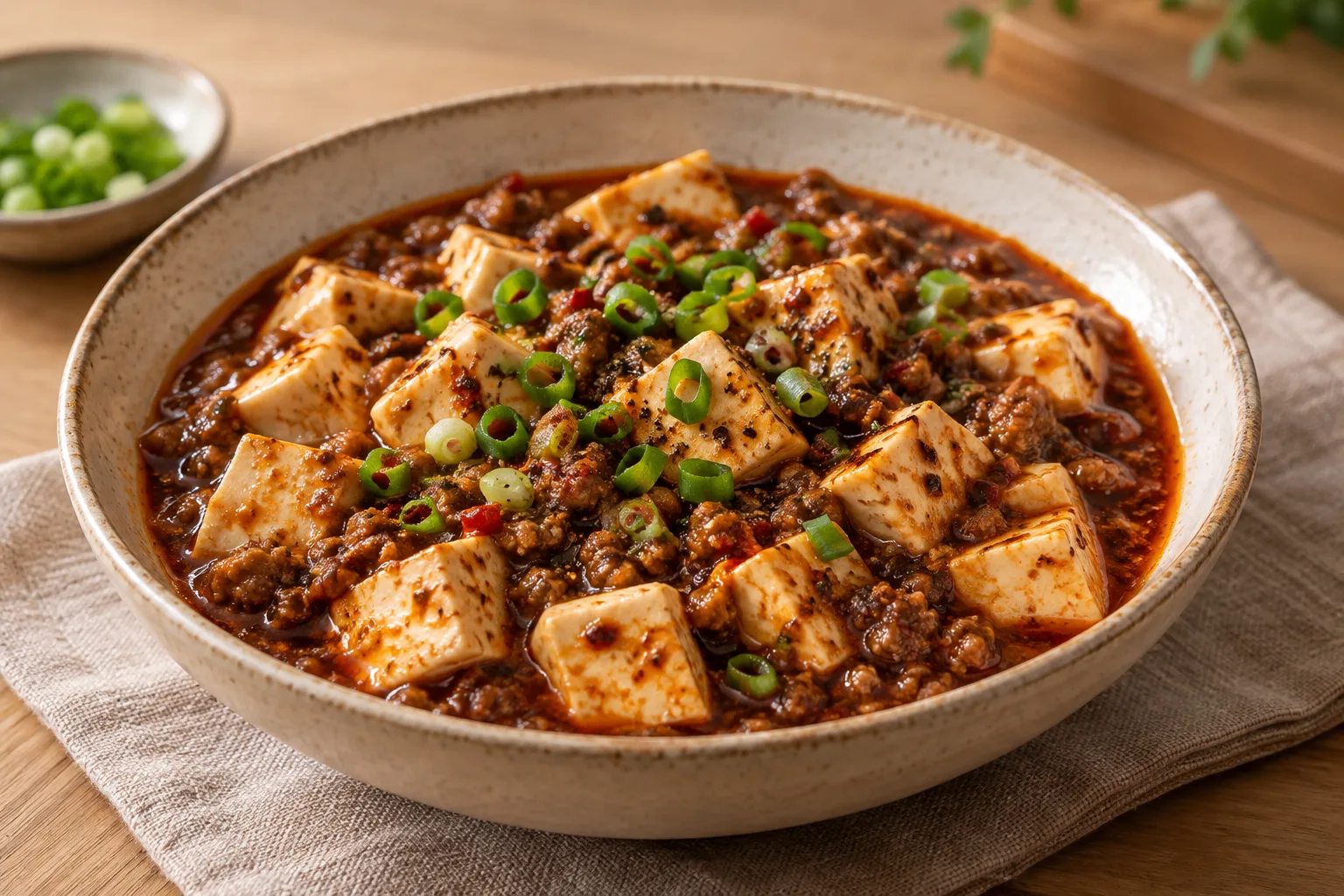
Mapo tofu
Image generated by the Kitchenpause team
35 minIntermediate

Mapo tofu

Tender tofu and minced pork in a savory sauce with doubanjiang, ginger, and Sichuan pepper. Serves 4; timings are estimates.

View recipe
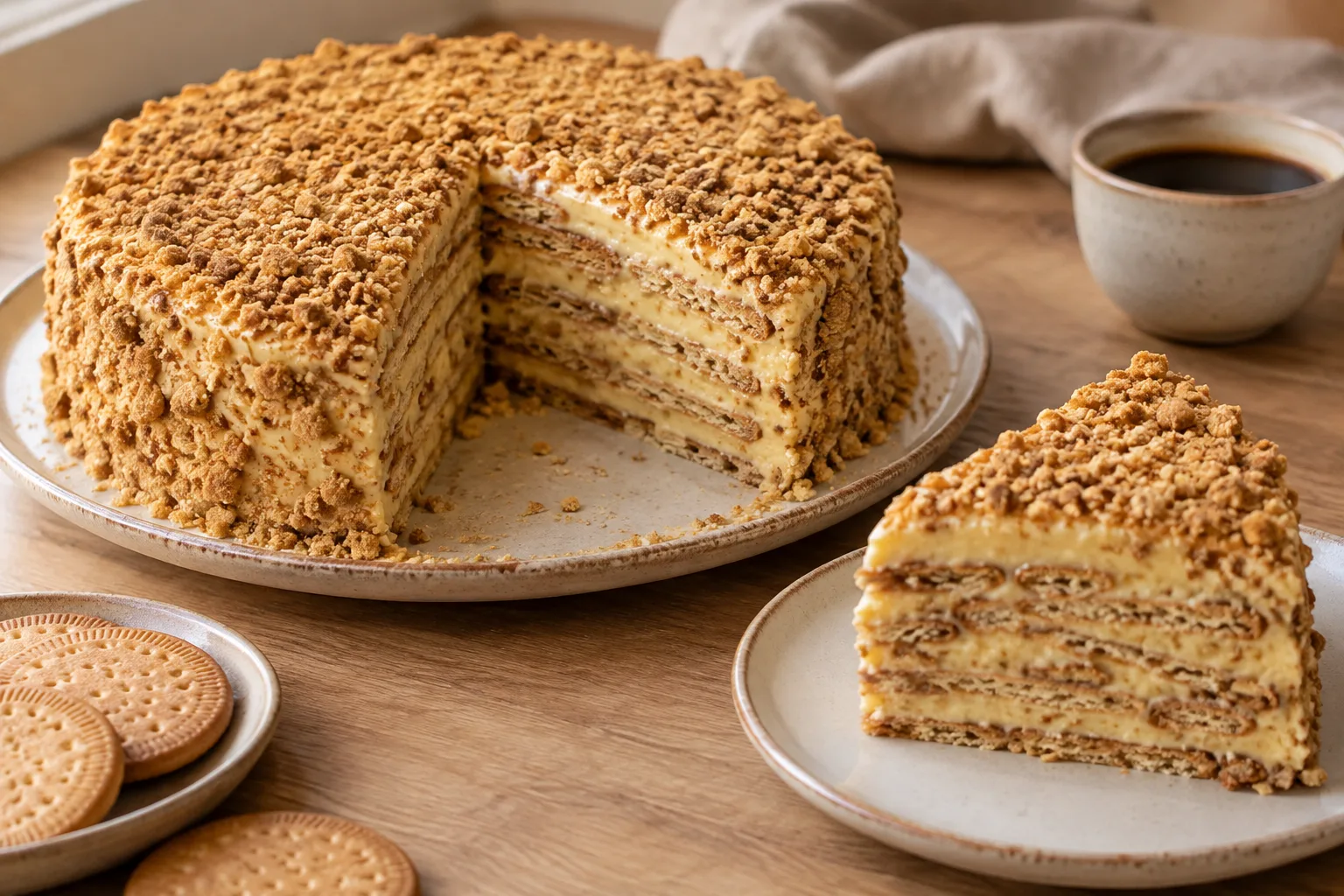
Bolo de bolacha
Image generated by the Kitchenpause team
210 minEasy

Bolo de bolacha

A no-bake Portuguese cake made with Maria biscuits dipped in coffee and layers of buttercream with egg yolks. Serves 6; allow about 30 minutes to prepare and 3 hours to chill.

View recipe
Argentine locro
Image generated by the Kitchenpause team
670 minAdvanced

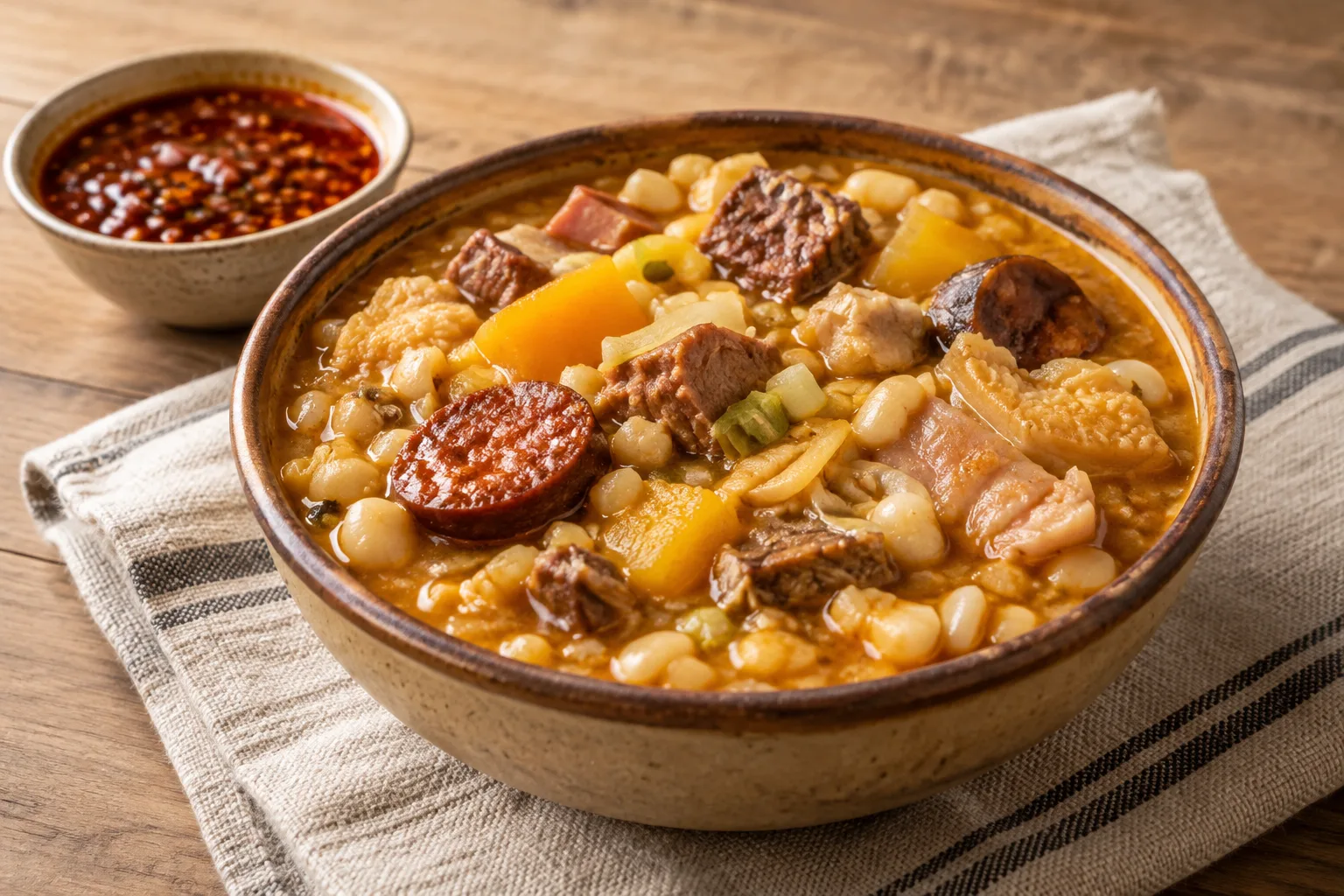
Argentine locro

A thick Argentine stew of white corn, beans, squash and assorted meats, served with a red pepper sauce. Makes about 8 servings; hands-on time and yield are approximate.

View recipe
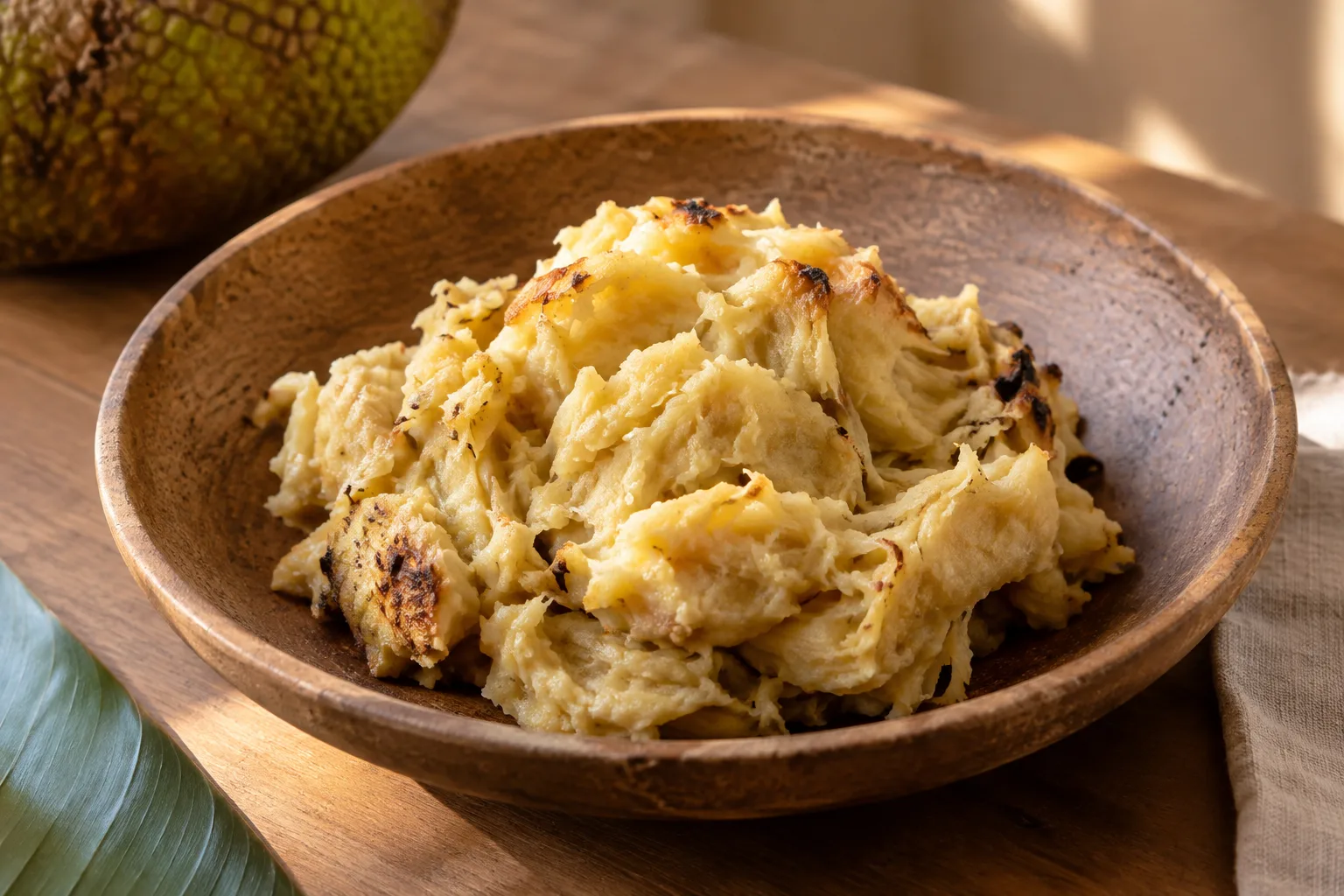
Pohnpei Lihli
Image generated by the Kitchenpause team
15 minIntermediate

Pohnpei Lihli

Very ripe breadfruit, roasted over an open fire and pounded. Hands-on preparation is estimated at 15 minutes; roasting is guided by a visible cue rather than a fixed time.

View recipe
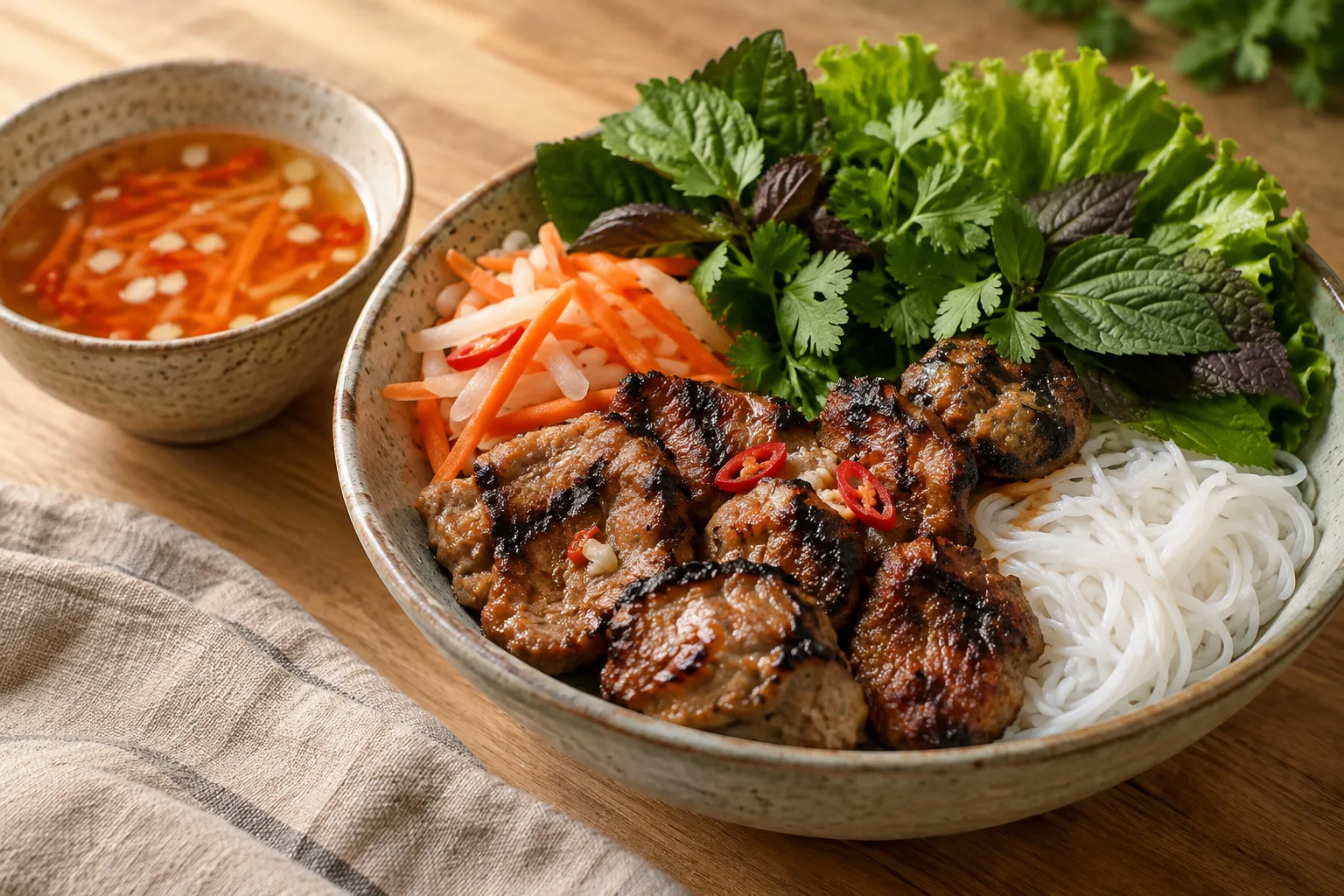
Vietnamese bún chả
Image generated by the Kitchenpause team
200 minIntermediate

Vietnamese bún chả

Grilled pork, rice noodles, pickled vegetables and fresh herbs, served with a sweet-and-sour fish sauce. Serves 4; times are approximate.

View recipe
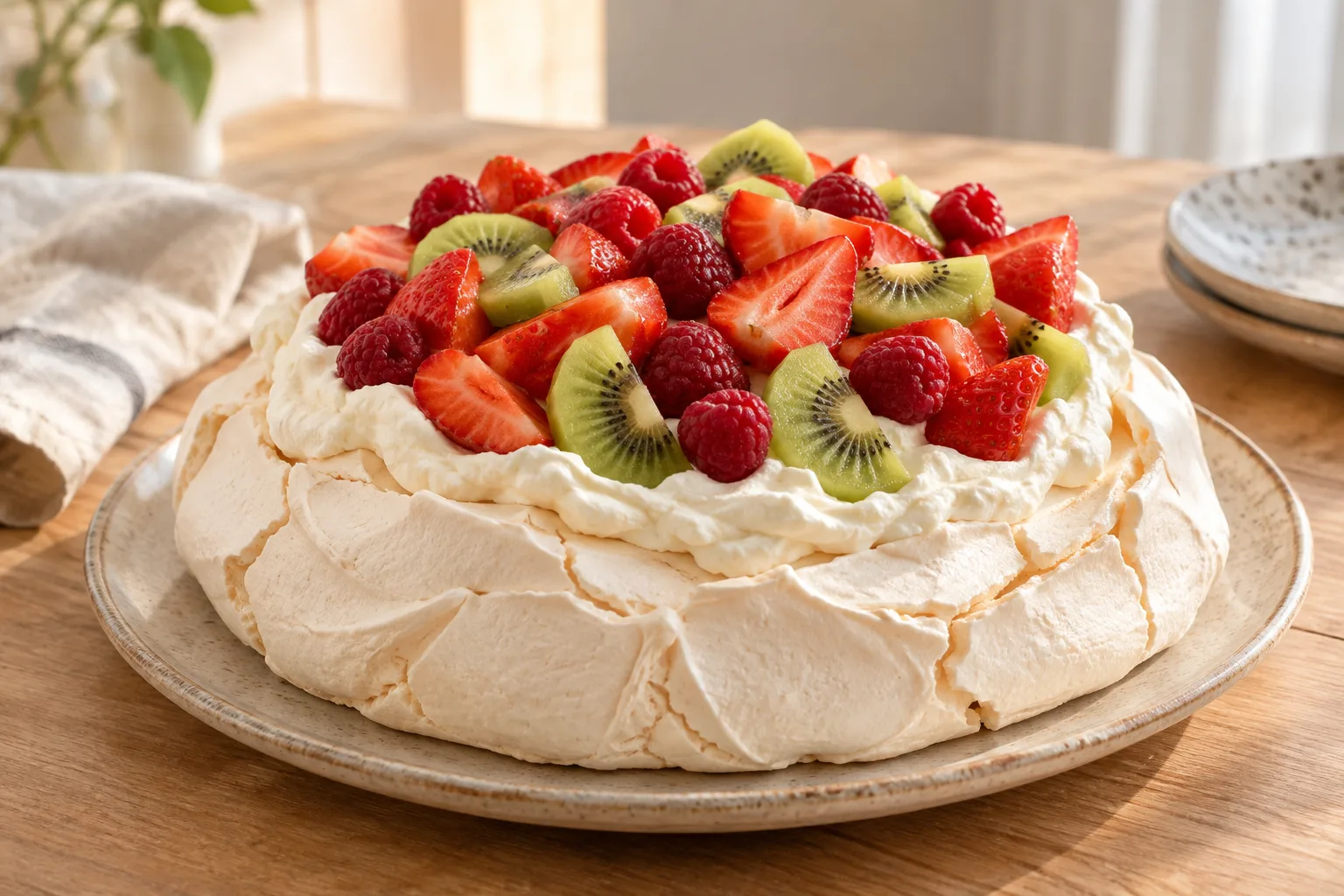
New Zealand Pavlova
Image generated by the Kitchenpause team
345 minIntermediate

New Zealand Pavlova

Baked meringue, crisp outside and tender inside, topped with whipped cream, strawberries, raspberries, and kiwi.

View recipe
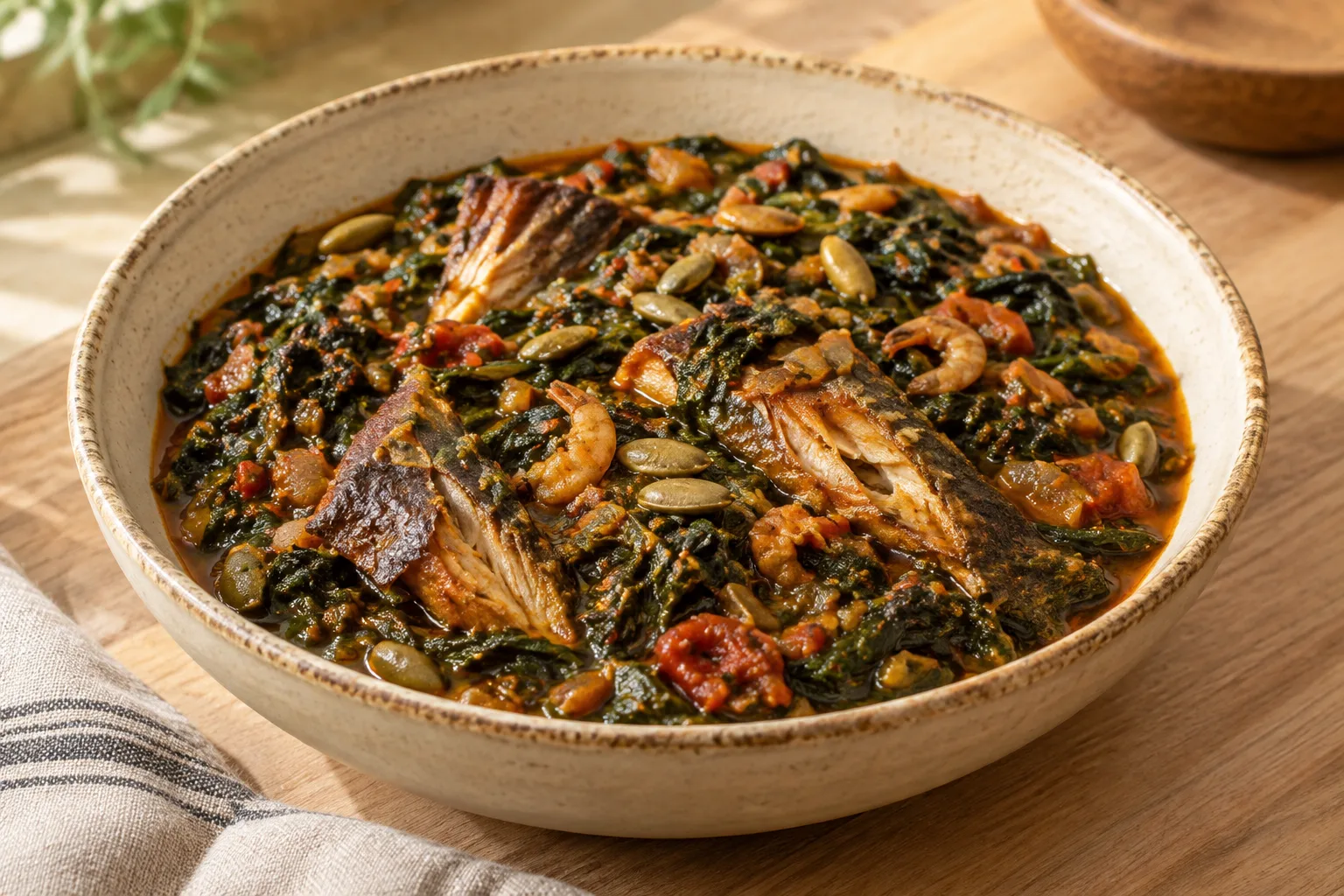
Ghanaian Kontomire Stew
Image generated by the Kitchenpause team
75 minIntermediate

Ghanaian Kontomire Stew

A thick stew of cocoyam leaves with tomato, red palm oil, smoked fish and pumpkin seeds. Makes 4 servings; approximate preparation time: 25 minutes, cooking time: 50 minutes.

View recipe

We use session and security technologies to provide our features. Only with your permission do we load Google Analytics to measure visits and Google Maps on Contact. Choose separately, reject or accept both.

Withdraw either permission here. Withdrawing analytics reloads the page to unload the running tag.

Cookie policy