Common Mistakes When Preparing Very Cold Water—and How to Avoid Them
A practical way to chill and carry water using ice and a well-handled bottle, without overcomplicating the process.
An editorial home built from real recipe additions, seasonality and our methodology.
Asparagus, peas, broad beans, artichokes and tender greens signal spring. Learn to read the seasonal calendar flexibly, choose vegetables in good condition and organize storage without treating seasonality as a rigid rule.
Available content that can be reviewed from the recipe collection.
A practical way to chill and carry water using ice and a well-handled bottle, without overcomplicating the process.
Learn when to use pods, seeds or ground cardamom, and how to introduce it gradually into drinks, savoury dishes and sweets.
Suriname’s food culture brings Indigenous, African, Javanese, Indian, Chinese, European, and other influences into a distinctive national repertoire. Pom, roti with curry, saoto, fried rice and noodles, cassava preparations, and market snacks show how dishes travel between homes and communities. Paramaribo offers a concentrated view of this variety, while the country’s cuisines remain diverse rather than uniform.
Croatia’s culinary landscape shifts between the Adriatic coast and the continental interior, with distinctive traditions in Istria, Kvarner, Dalmatia, Slavonia, and the Zagreb region. Fish, shellfish, olive oil, handmade pasta, cured meats, freshwater fish, paprika, and dairy-based dishes reflect local environments and documented cultural exchanges. Shared techniques such as grilling, spit-roasting, cooking under the peka bell, and slow stewing appear in varied regional forms.
Dominican cooking brings together rice, beans, plantains, cassava, meats, fish, and coconut in meals shaped by the country’s landscapes and layered history. Everyday combinations such as la bandera and mangú sit alongside holiday foods and regional specialties, from chivo liniero in the northwest to corn preparations in the Cibao. Shared ingredients take on different forms across homes and communities.
Practical guidance for transporting, storing and reheating takeout, with attention to time and temperature from delivery through leftovers.
Cape Verdean cooking brings together maize and beans, fish and shellfish from the Atlantic, root vegetables, and tropical fruits. Cachupa, a slowly cooked maize-and-bean stew, is a prominent dish with many household variations. Steamed maize couscous, seafood preparations, fruit and cheese sweets, and sugar-cane grogue add to the repertoire. The archipelago’s culinary life reflects documented African and Portuguese influences, while island-specific products—including grogue associated with Santo Antão, wine from Fogo, and grilled lobster linked with Sal and Boa Vista—show why no single menu represents every island.
Danish food brings together a farm-based pantry of rye, potatoes, pork and dairy with fish and other coastal ingredients. Open sandwiches, meatballs and roast pork belong to familiar everyday and festive repertoires, while the New Nordic movement has given local products a new restaurant profile. These traditions vary by household, season and place, and coexist with a wide range of international foods.
A balanced vegetable stock is a flexible base for soups, rice, stews and sauces. Choose sound ingredients, keep the simmer gentle, season thoughtfully and cool and store the finished stock safely.
A practical guide to spotting a good cauliflower, storing it without washing it too soon, choosing a cooking method and freezing it with an appropriate blanching step.
Learn how to choose between weight and volume, tare a scale, and measure dry and liquid ingredients with suitable tools and a repeatable routine.
Cypriot food brings together island-grown produce, wheat, olive oil, dairy, meat, fish, and fruit transformed into everyday dishes and festive specialties. Meze offers one way to share a meal, while cheeses such as halloumi and anari, slow-cooked dishes, and grape- and carob-based sweets show the range of the cuisine. Practices vary across households and occasions, shaped by the island’s history, communities, and food traditions.
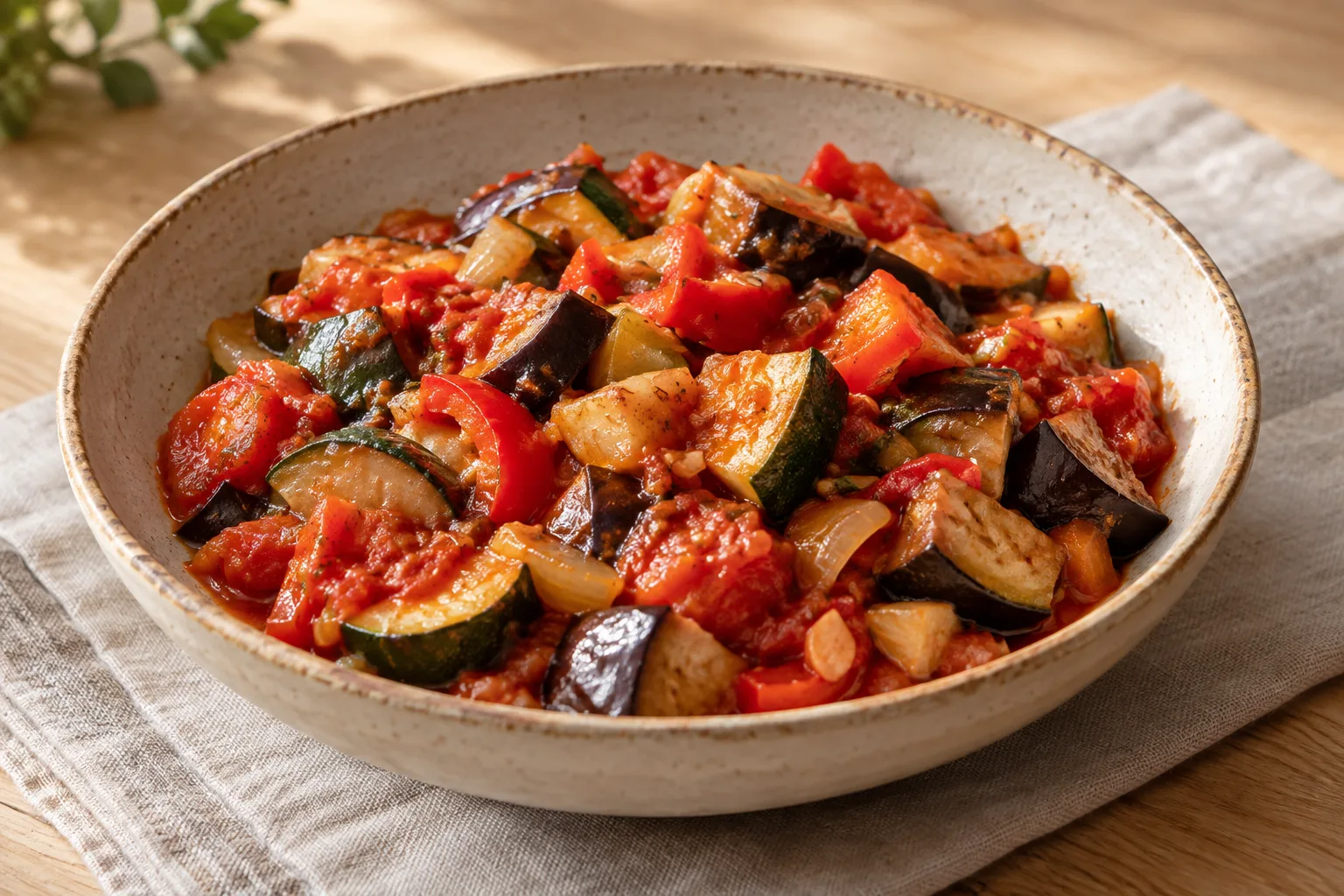
A Provençal stew of eggplant, zucchini, bell pepper, tomato, onion, and garlic, cooked separately and combined at the end. Serves 4; timings are approximate.
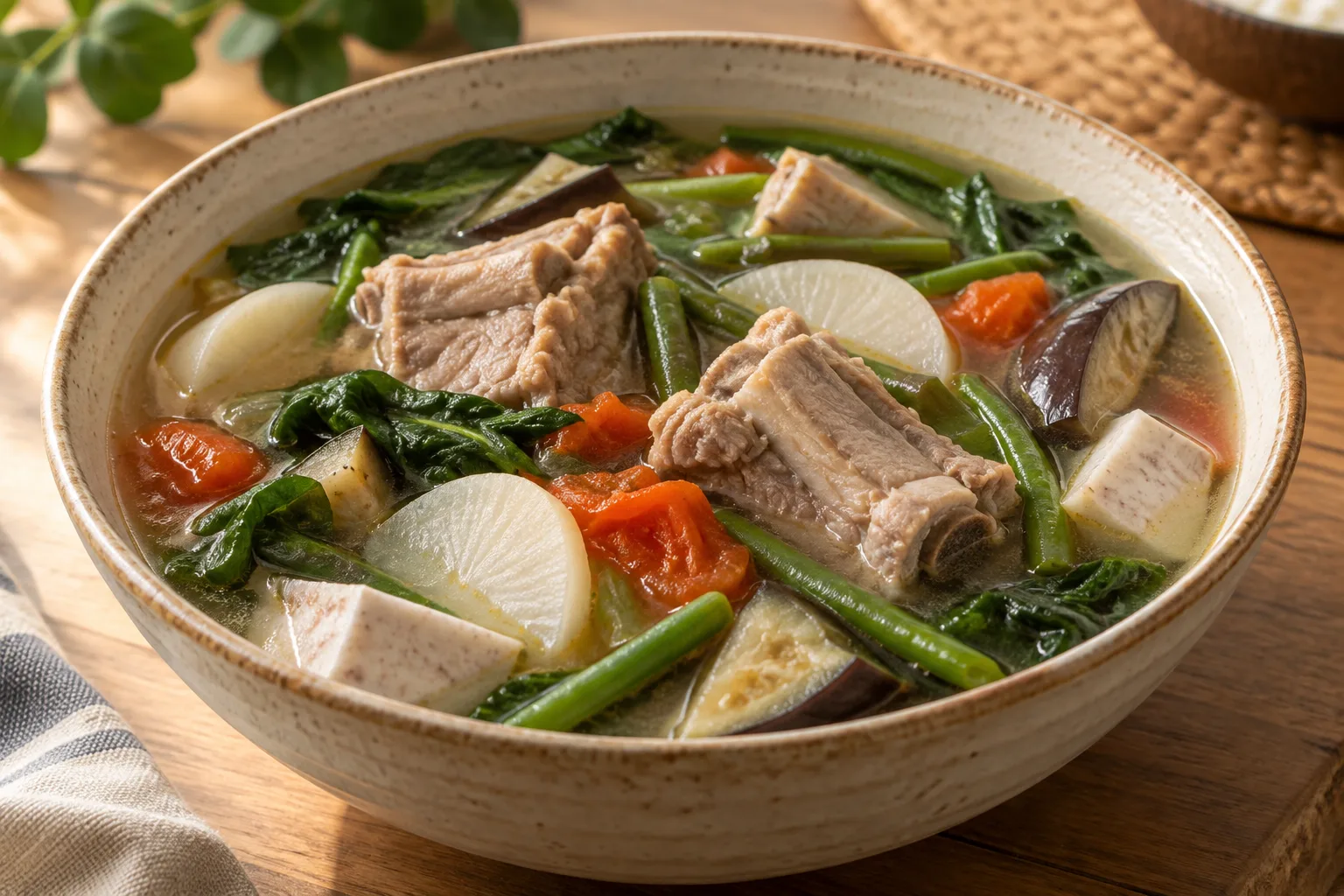
View recipeA sour Filipino soup with pork ribs, tamarind, and vegetables. Makes 6 servings; timings are estimates.
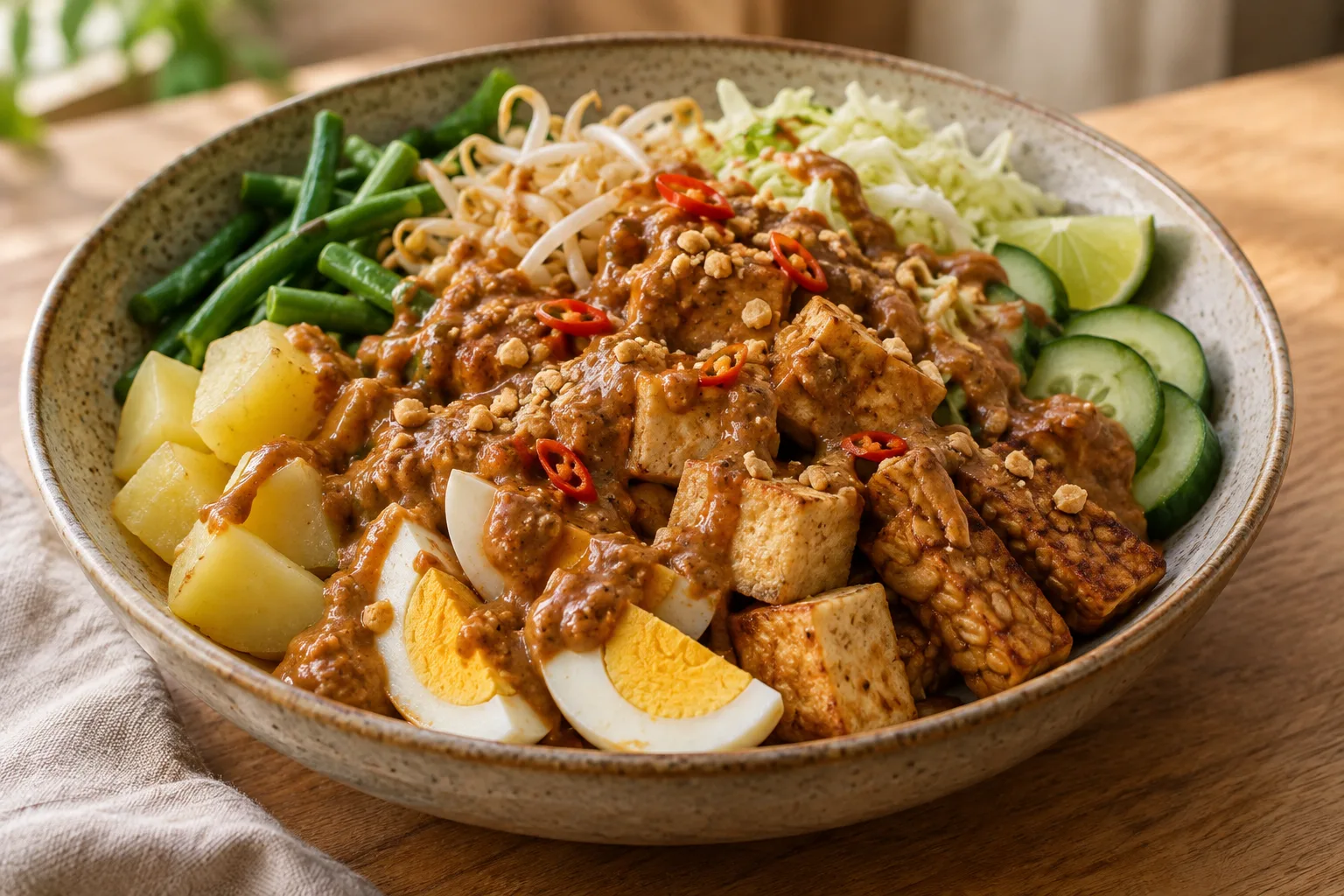
View recipeA warm Indonesian salad of vegetables, potatoes, egg, tofu and tempeh, served with peanut sauce. Serves 4; timings are approximate.
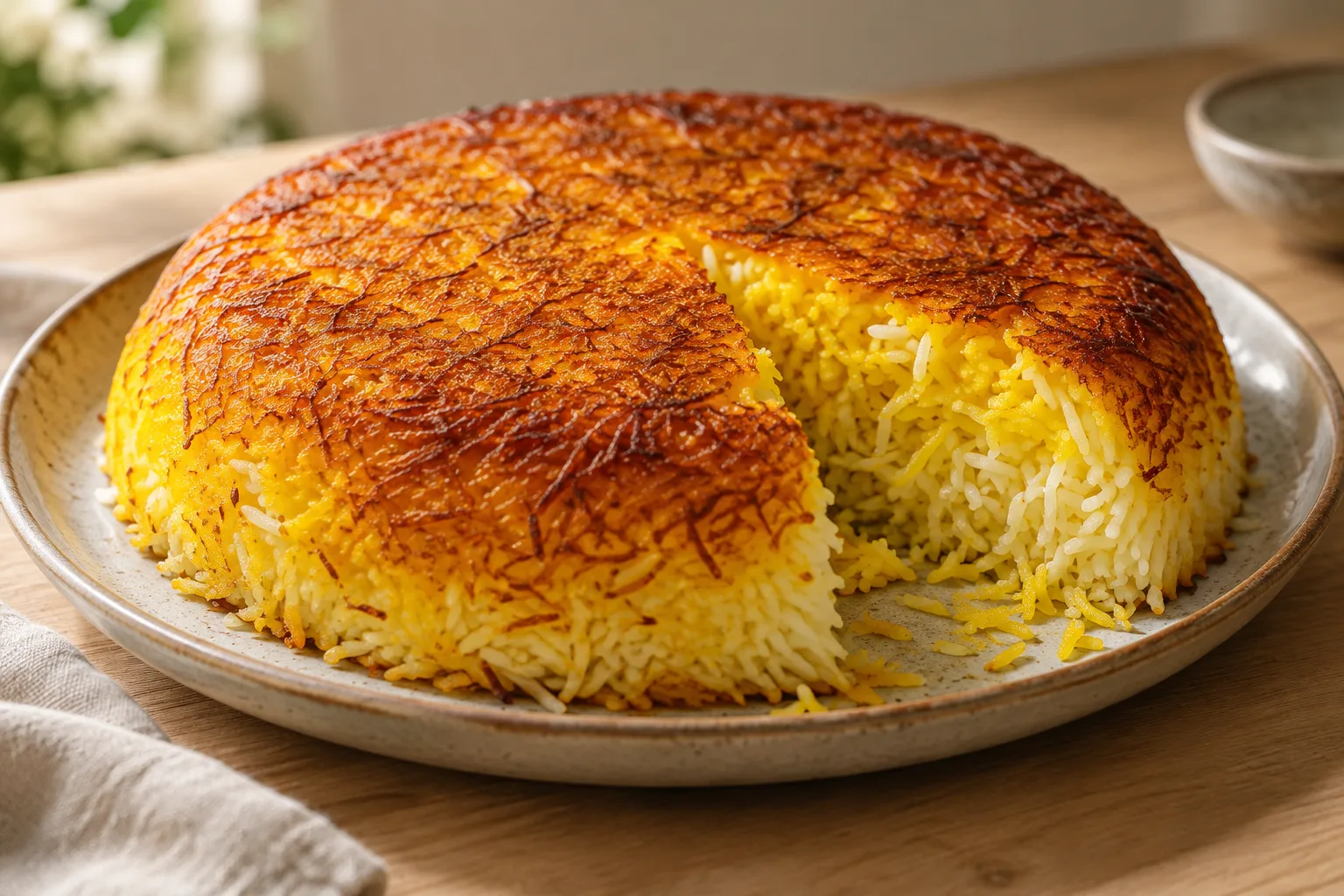
View recipeBasmati rice with a golden, crisp saffron-and-yogurt base. Makes about 4 servings; timings are approximate, and the initial cooking time may vary with the rice.
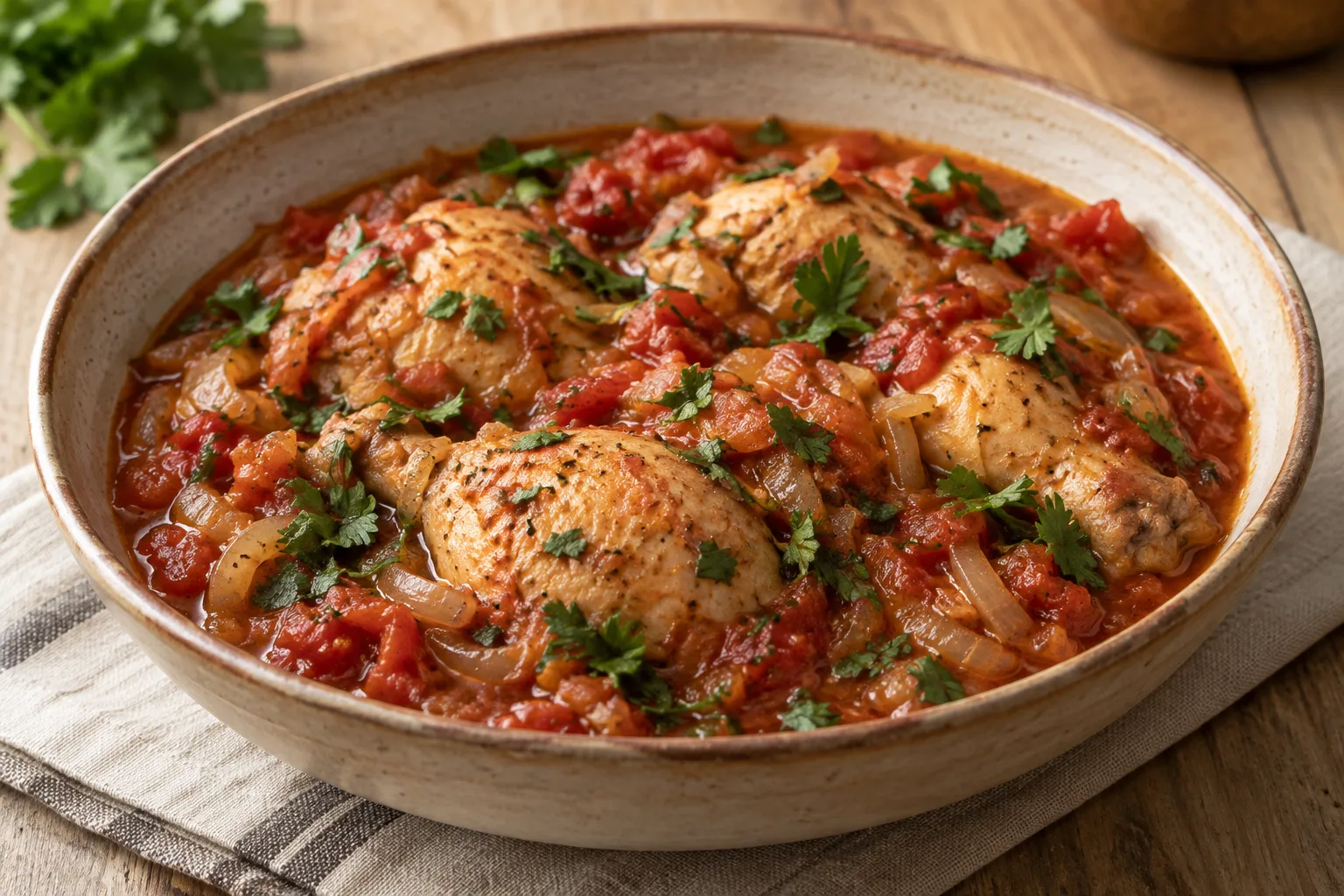
View recipeA Georgian chicken stew slowly cooked with onion, tomato, garlic, and coriander. Serving size and preparation time are estimates.
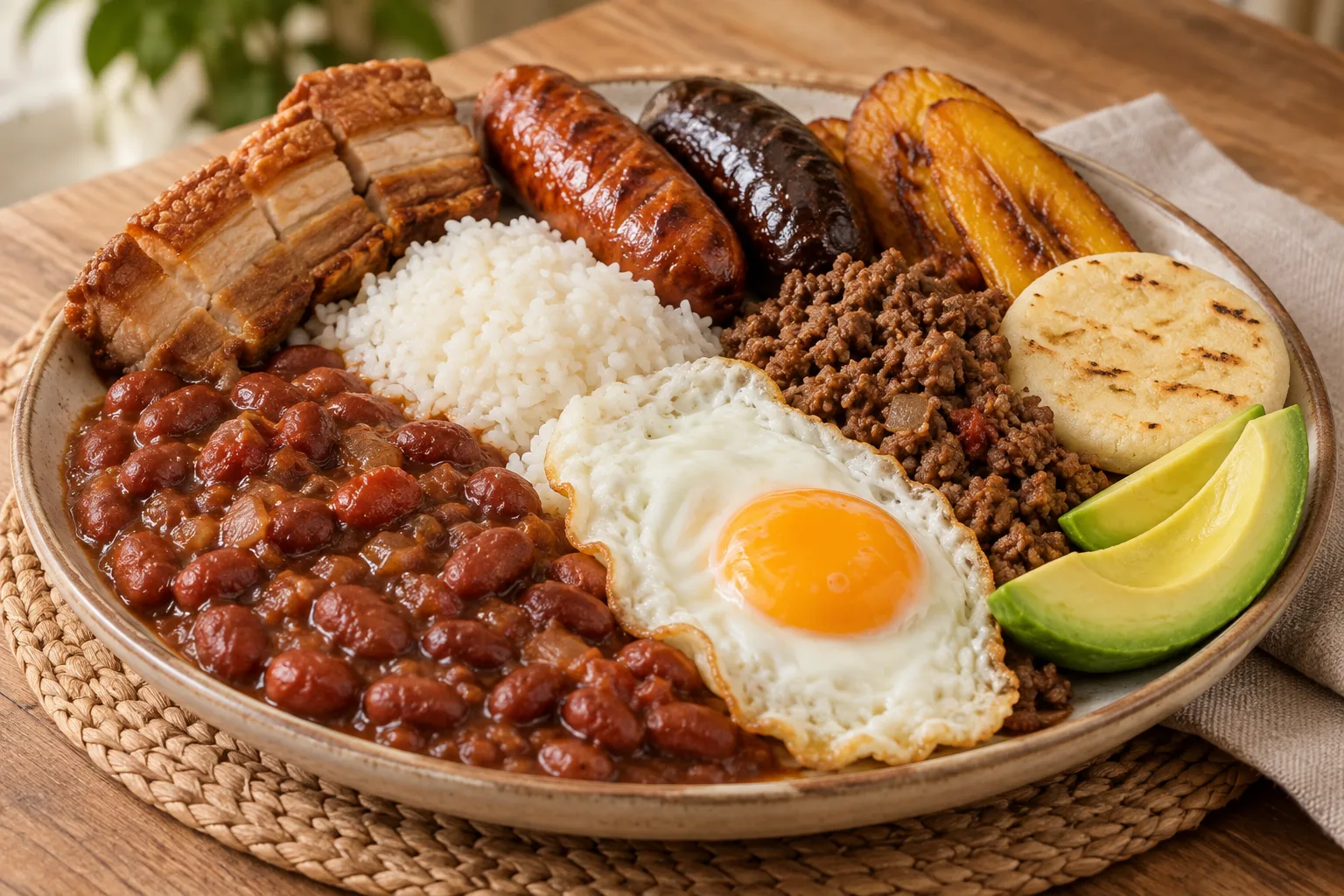
View recipeA generous platter of red beans, rice, ground beef, crispy pork belly, chorizo, blood sausage, egg, ripe plantain, arepa, and avocado. Serves 4; timings are approximate.
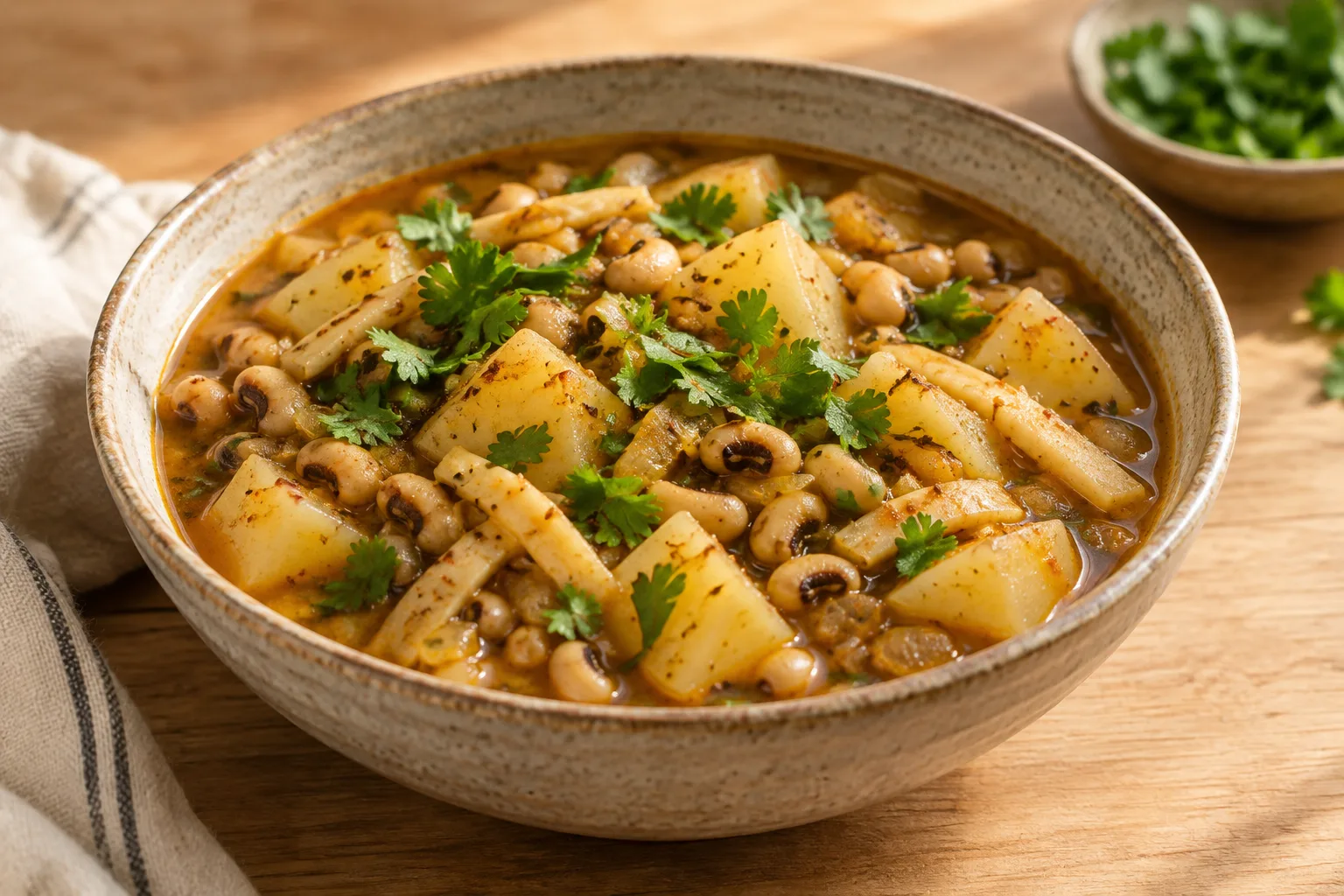
View recipeA Nepali stew of potatoes, bamboo shoots and black-eyed beans, seasoned with spices in a gently tangy broth.
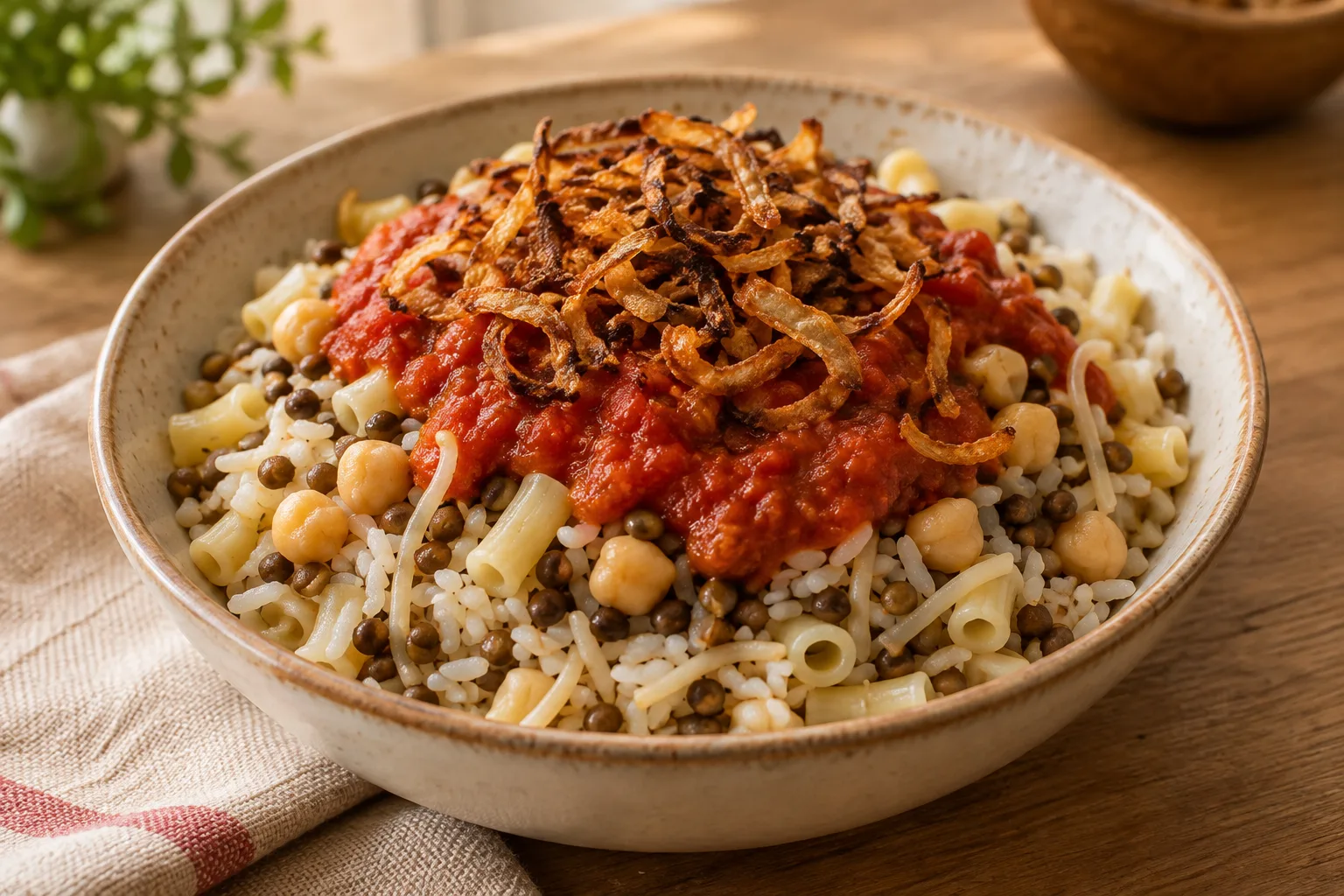
View recipeAn Egyptian dish of rice, lentils, chickpeas and pasta, served with spiced tomato sauce and fried onion. Makes 2 servings; times are approximate.
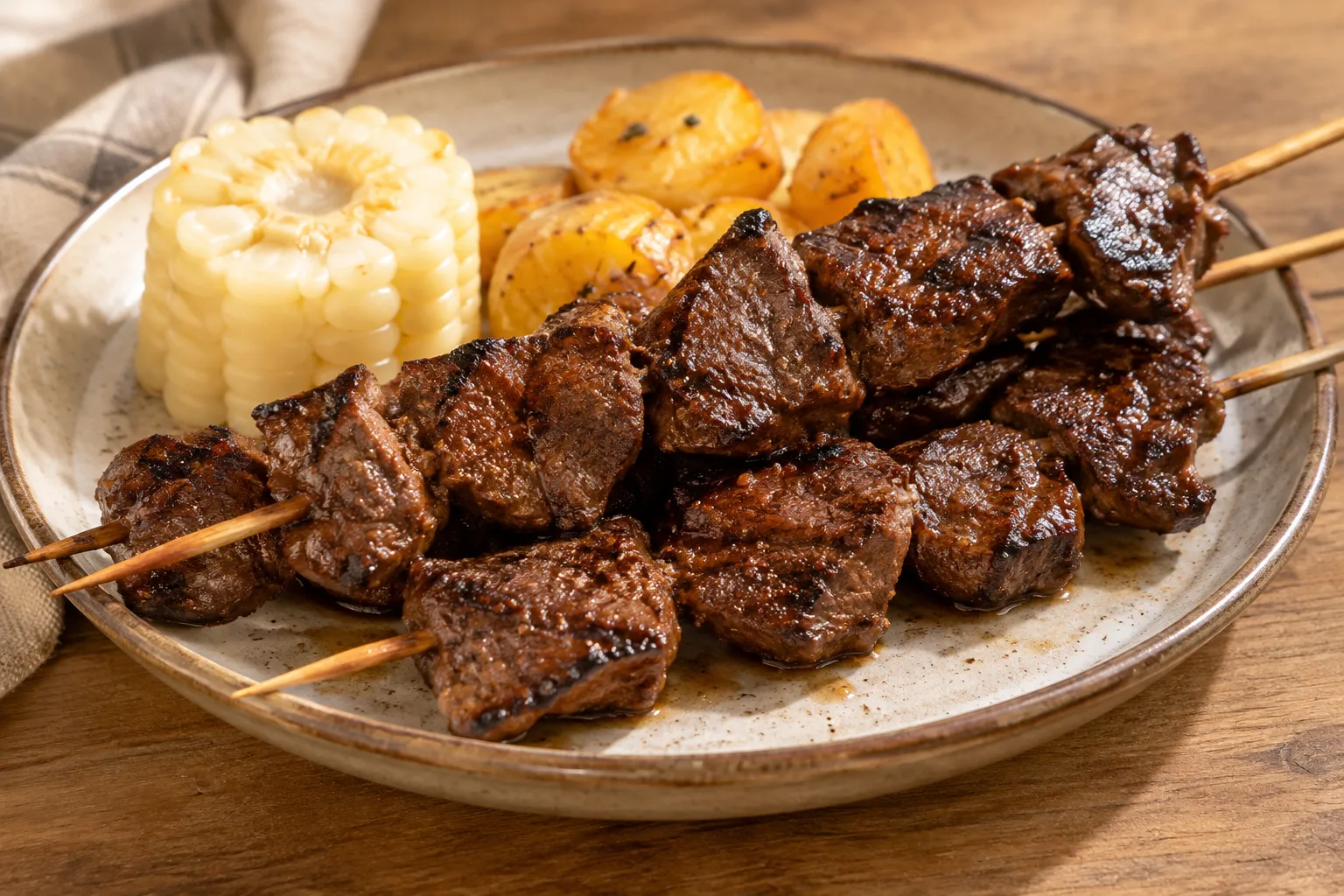
View recipeBeef heart skewers marinated with ají panca, garlic, vinegar, and spices, then grilled. Serves 4; estimated preparation time: 35 minutes, plus at least 12 hours of resting and about 10 minutes of cooking.
View recipe