Learning to Taste as You Cook: A More Thoughtful Practice
Tasting is not about adding salt blindly or fixing everything at the end. It is a way to notice changes in flavor, aroma, and texture, then record what each decision contributes.
Articles and guides about First steps: cooking ideas, explanations and tips researched and checked by KitchenPause.
Choose herbs for the food you plan to cook and for what is abundant where you shop, rather than following a universal calendar. Learn how to store tender and sturdy-stemmed herbs, and how to use surplus by freezing or drying it.
Available content that can be reviewed from the recipe collection.
Tasting is not about adding salt blindly or fixing everything at the end. It is a way to notice changes in flavor, aroma, and texture, then record what each decision contributes.
There is no universal measure for salting: the ingredients, cooking method and timing of tasting all matter. Learn to read the dish, make cautious adjustments and know when to wait.
Better measuring starts before you fill a cup: identify the unit and ingredient state the recipe calls for, choose the right tool, and follow a repeatable sequence. This guide covers weighing solids, measuring liquids, and avoiding conversions that may seem convenient but can mislead.
Learn to interpret a recipe’s sections, anticipate what it asks of you, and follow its steps more clearly without mistaking an assumption for an instruction.
Learn when to taste and how to adjust salt according to the ingredients, cooking method and when the dish will be served.
A flexible routine for clearing your work area, dealing with spills, and keeping food-preparation hygiene in view without losing focus on the recipe.
Learn to interpret a recipe’s sections, anticipate its sequence, and prepare what you need before cooking. Careful reading helps distinguish what the instructions say from what you may be assuming.
A practical way to order preparations, share attention, and choose what to do next when several dishes are underway.
A flexible routine for clearing space, dealing with spills and washing what you can during preparation—without losing track of the recipe or food hygiene.
A practical way to think before swapping an ingredient: identify its role, consider the cooking method and intended result, and know when not to improvise.
A flexible way to plan tasks, spot what needs attention, and bring several components to the table without relying on a mental stopwatch.
Learn to distinguish a recipe’s yield from what goes on each plate, then estimate quantities with a scale, everyday utensils, or your hand—without treating any measure as a universal rule.
Fresh boerewors grilled until browned all over and served in four portions.
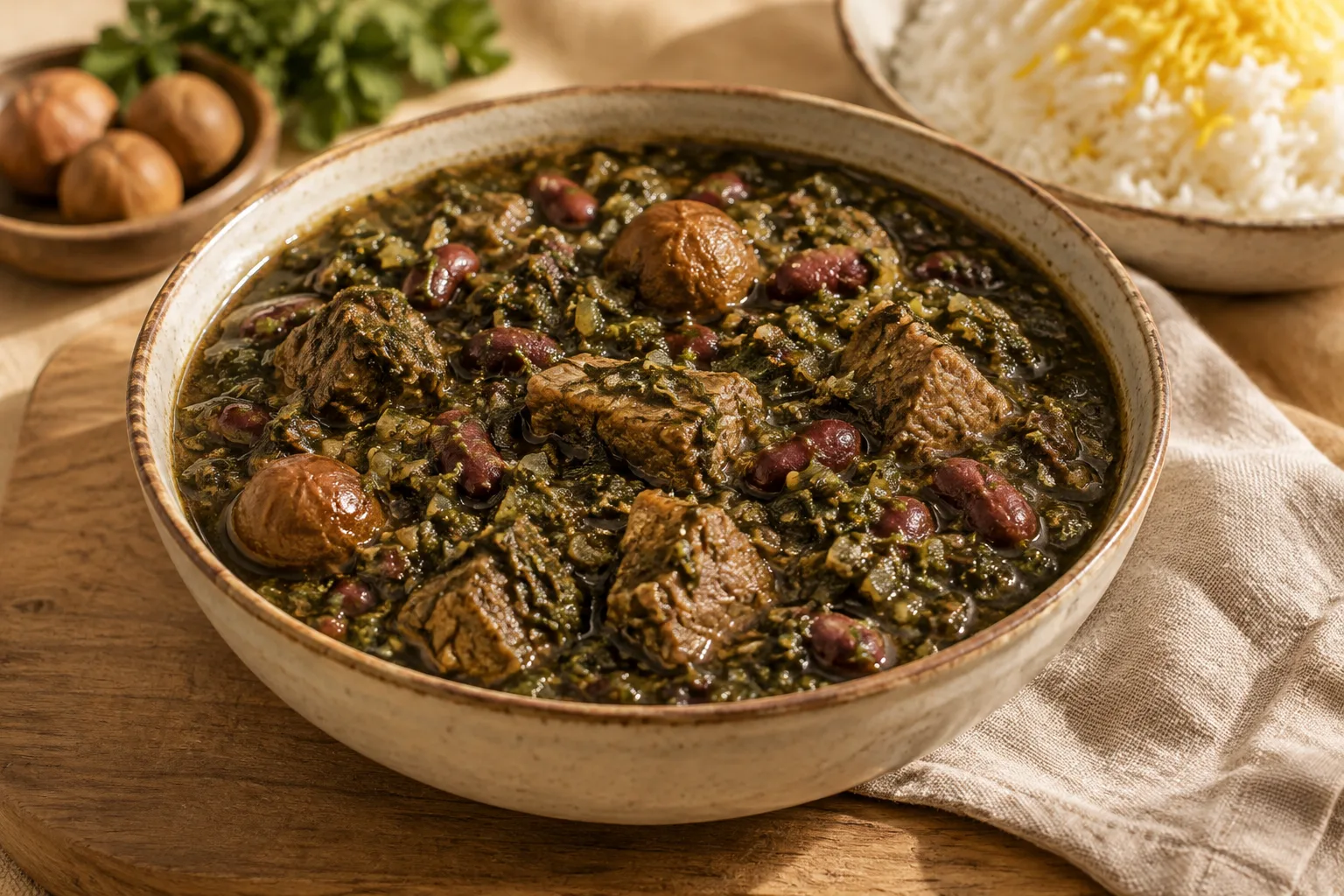
View recipeAn Iranian stew of lamb or beef with fresh herbs, red kidney beans and dried limes, slowly cooked until the meat is tender.
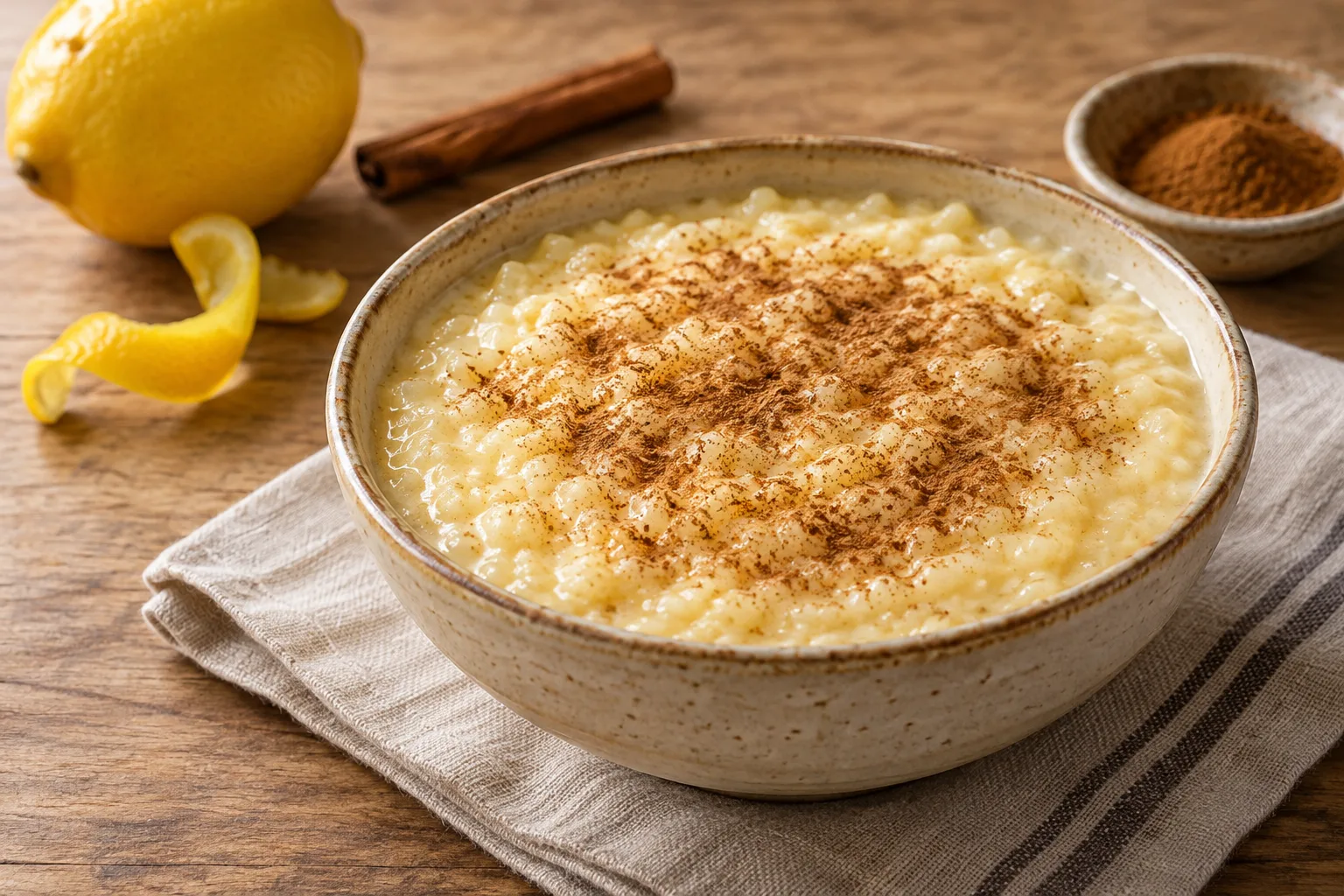
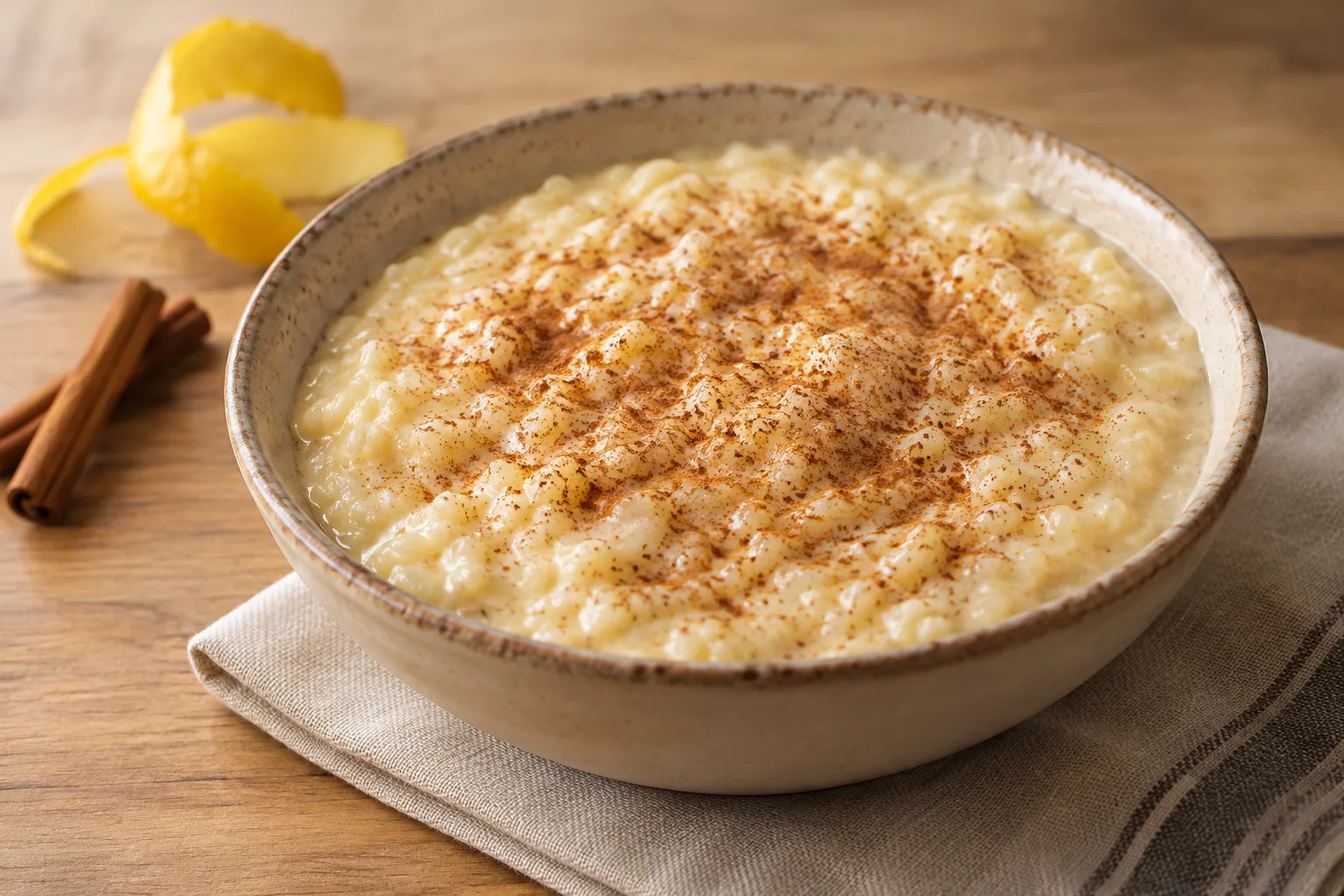
View recipeA Portuguese rice dessert cooked in milk scented with lemon and cinnamon, enriched with egg yolks and finished with ground cinnamon.
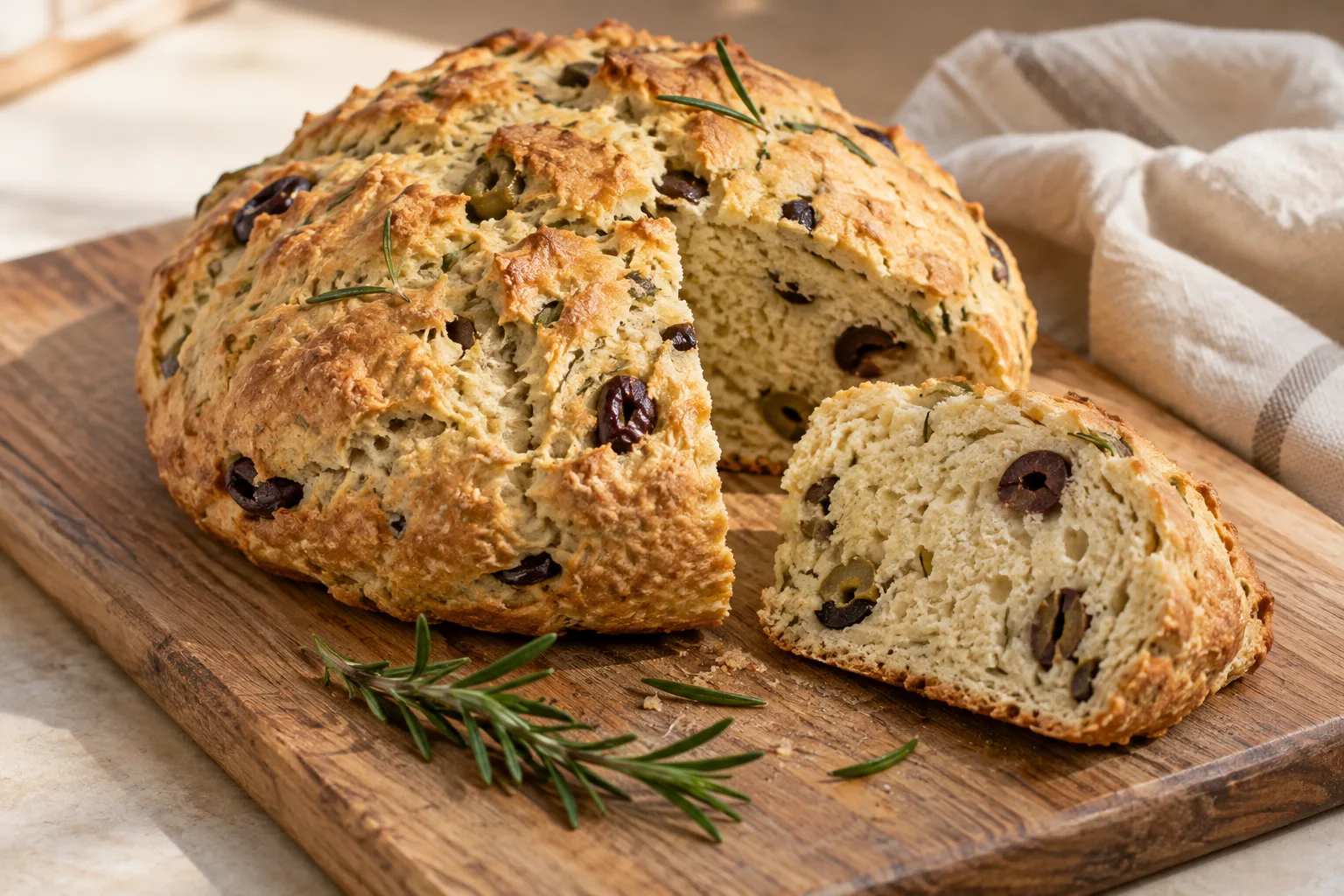
View recipeA simple Australian bread made with self-raising flour, olives and rosemary; this version is baked and served freshly made.
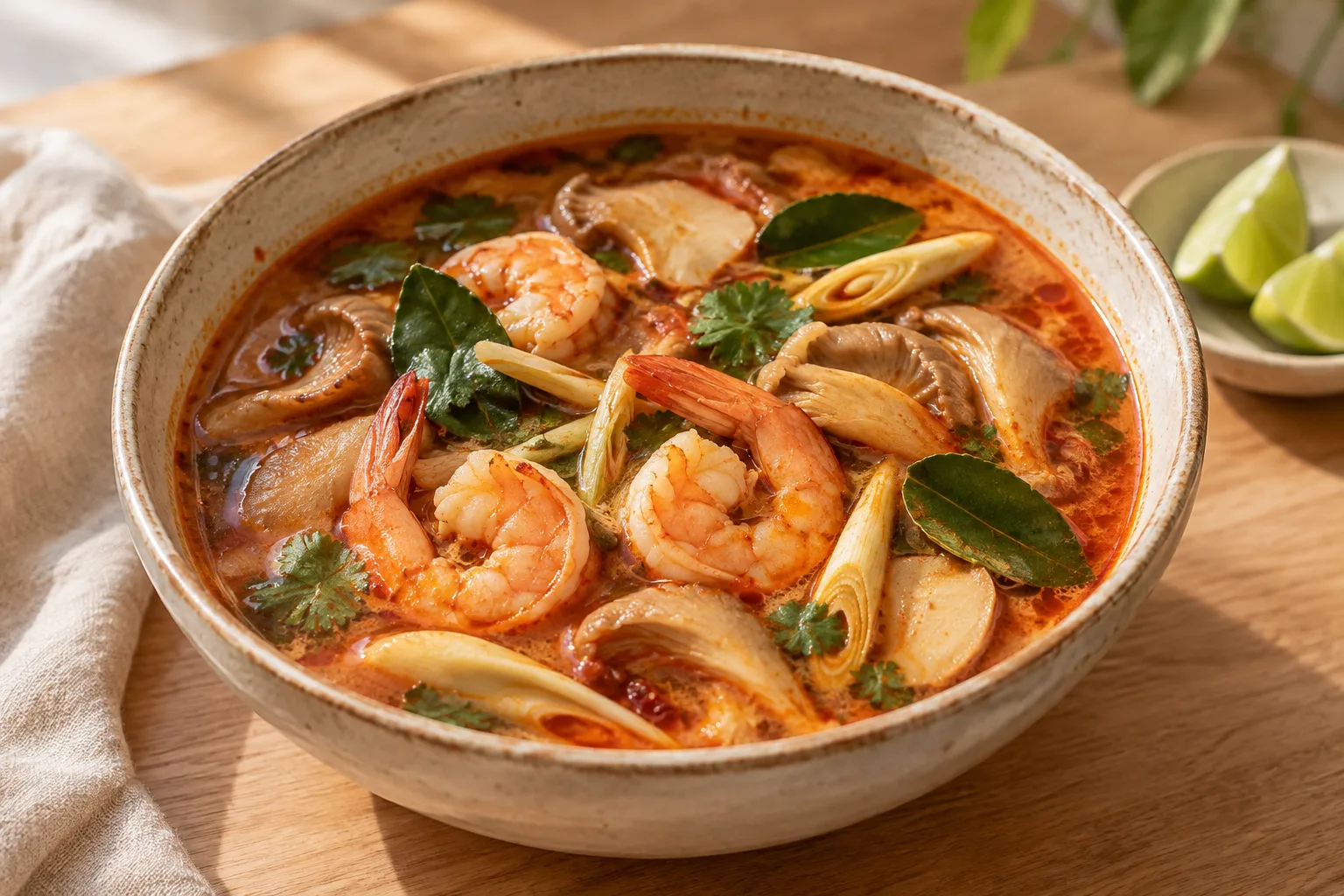
View recipeA sour-and-spicy Thai shrimp and mushroom soup scented with galangal, lemongrass and makrut lime leaves. It includes homemade nam prik pao paste.
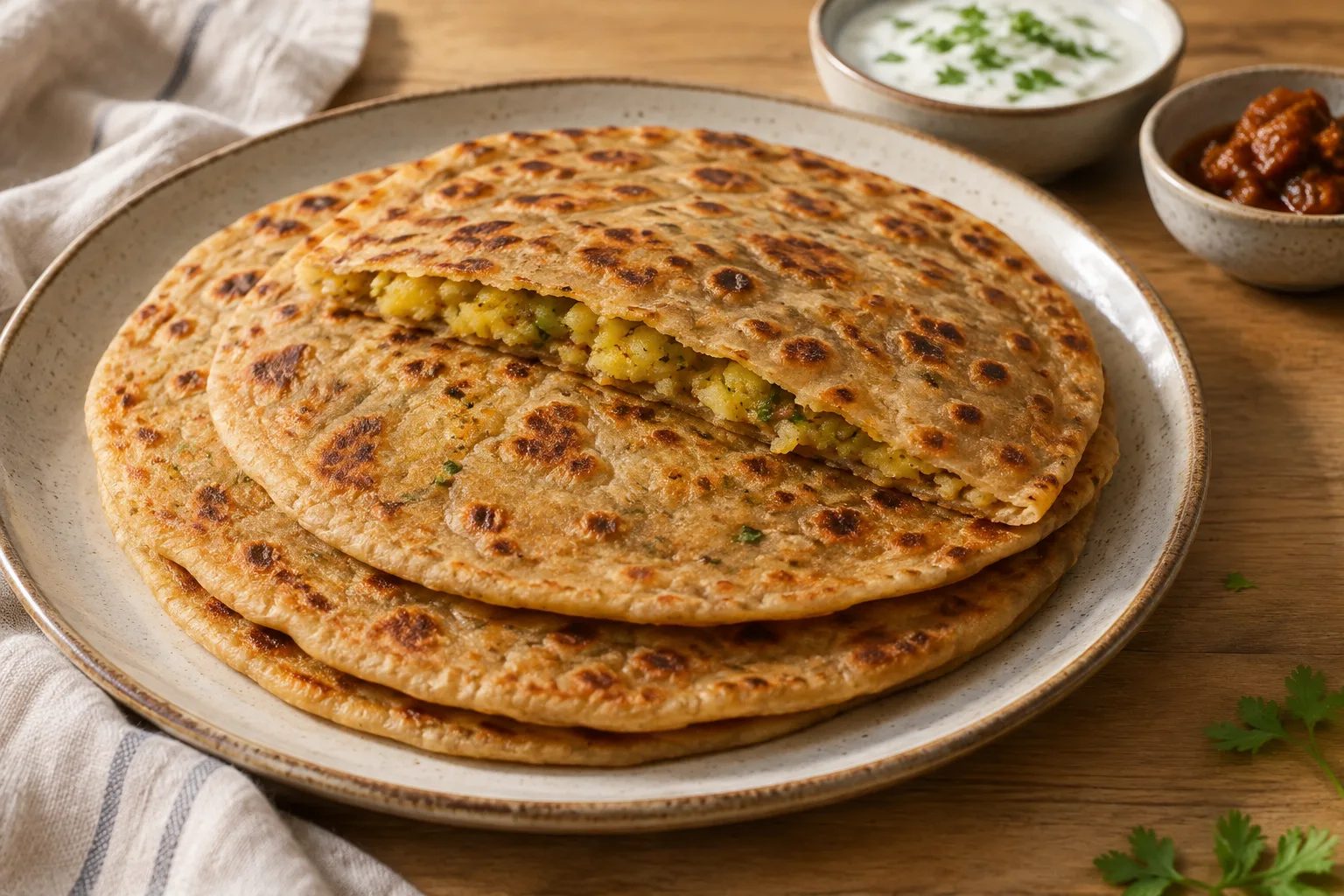
View recipeSpiced-potato-stuffed flatbread made with a soft dough and cooked on a griddle until golden.
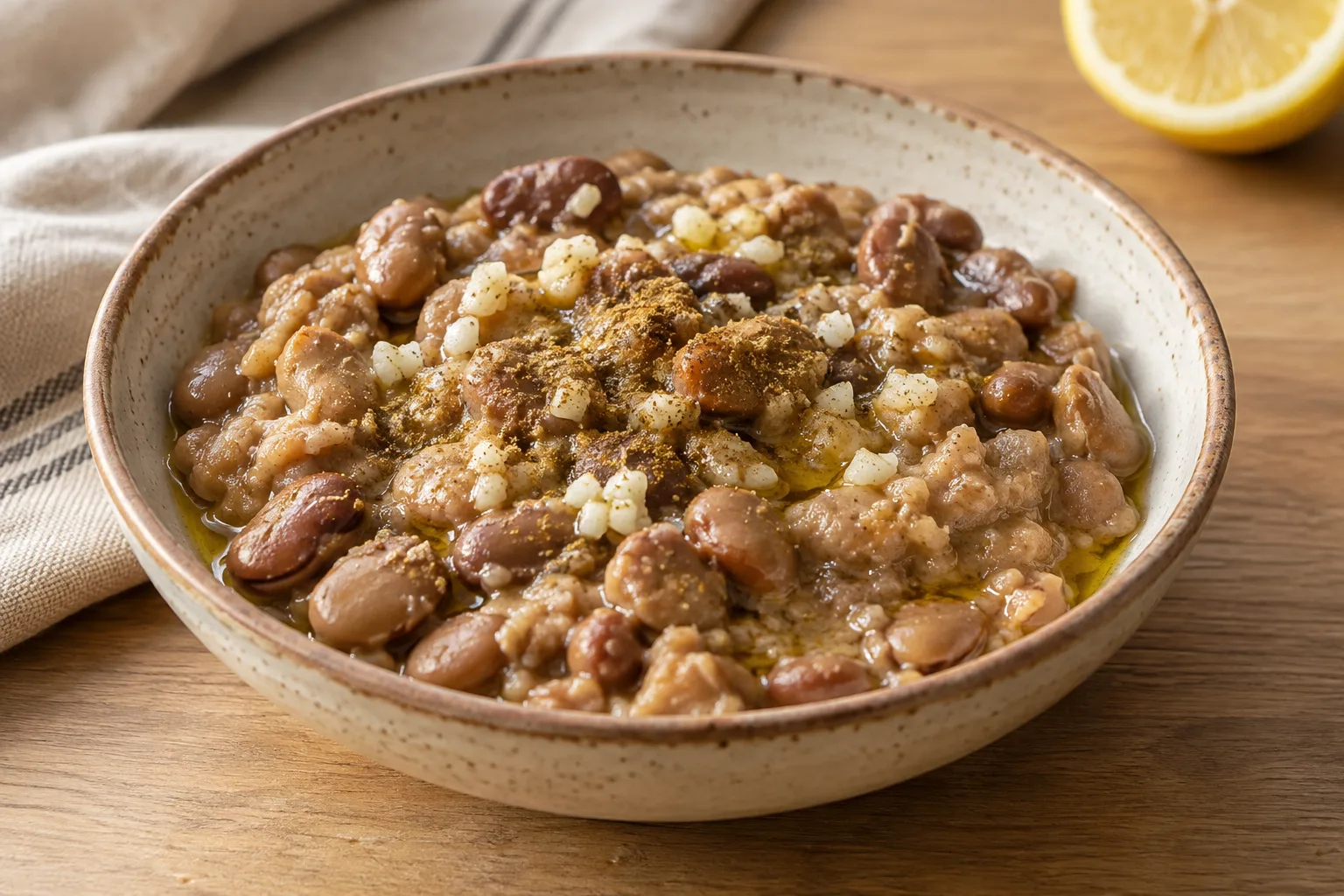
View recipeCooked fava beans, partly mashed and dressed with garlic, lemon, cumin, and olive oil.
View recipeCreamy Portuguese rice pudding cooked with milk infused with lemon and cinnamon, enriched with egg yolks and butter.
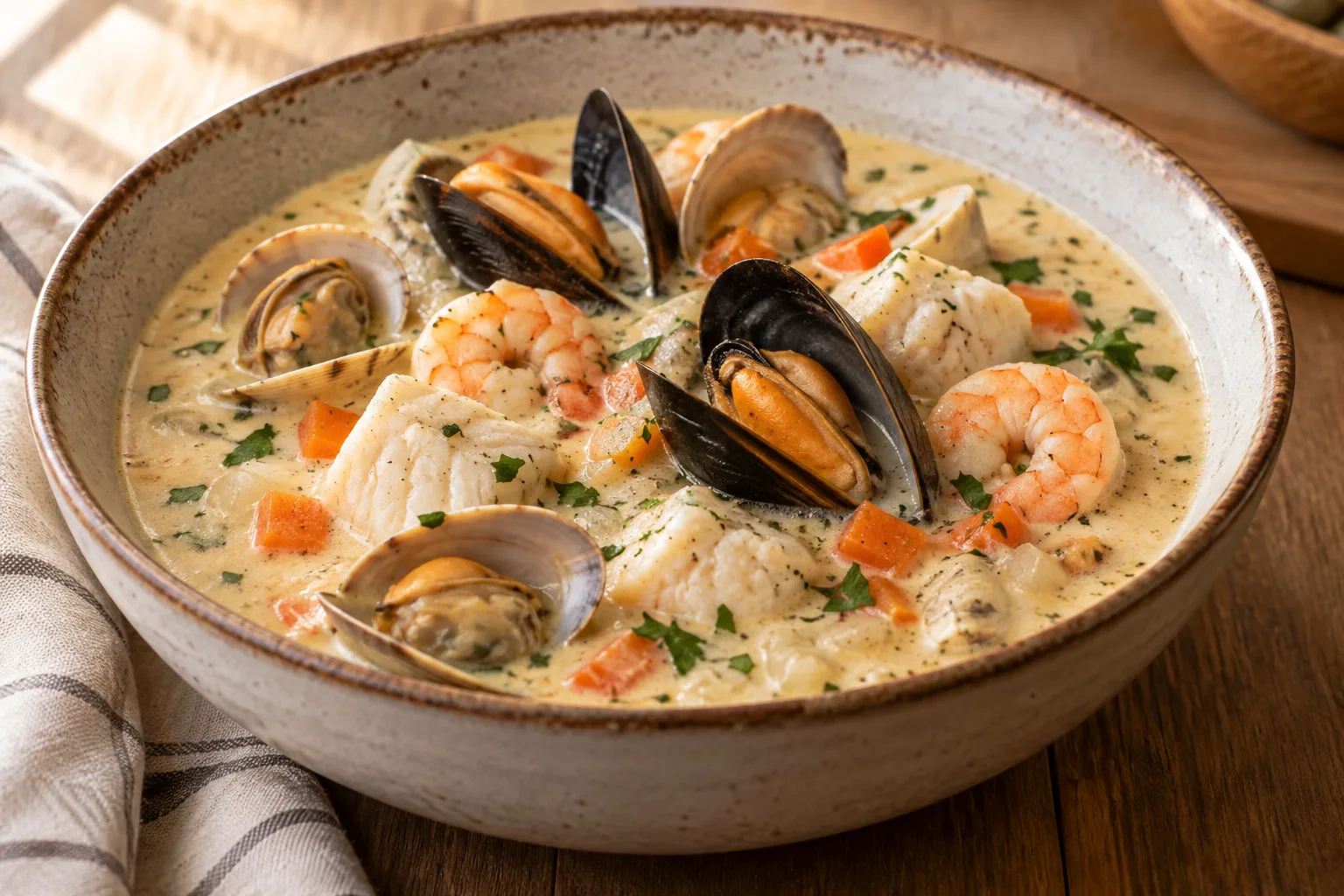
View recipeCreamy chowder for 4, with clams, mussels, prawns and white fish. Total time stated by the reference source: 35 minutes.
View recipe