
First steps
Signs and decisions that help you sharpen a knife
Learn to spot when a knife needs sharpening, when realigning the edge may be enough, and how to choose a method without relying on a fixed schedule.
Articles and guides about First steps: cooking ideas, explanations and tips researched and checked by KitchenPause.

Choose herbs for the food you plan to cook and for what is abundant where you shop, rather than following a universal calendar. Learn how to store tender and sturdy-stemmed herbs, and how to use surplus by freezing or drying it.
Available content that can be reviewed from the recipe collection.
Learn to spot when a knife needs sharpening, when realigning the edge may be enough, and how to choose a method without relying on a fixed schedule.

Learn to recognize when a knife has lost cutting ability, what each sign may mean, and how to choose between maintenance, sharpening, and expert help.

Reading a recipe from beginning to end helps you anticipate what you need, when to use it, and what signs to watch for as you cook. Learn to interpret its sections, get organized, and follow the method without reading more into it than it says.

A practical way to organize simultaneous preparations: sequence tasks, watch how each dish progresses, and rely on proper food-safety controls rather than assumptions.

Build tidying into preparation: clear the workspace, organize tools, deal with spills when they happen, and use pauses for small tasks without losing sight of hygiene or keeping raw foods separate.

A practical guide to deciding what can be replaced, what an ingredient does, and how to anticipate changes in flavor, moisture, and texture.

A practical way to organize a meal with several preparations: plan around serving time, group compatible tasks, and track each component without losing sight of food safety.

A practical method for estimating how much to prepare: define the dish’s role, start from a known recipe, adjust for diners, and check quantities using consistent measures.

A guide to deciding what can be replaced, identifying an ingredient’s role, and observing changes before adjusting a dish.

Learn to tell an overly acidic dish from one that simply needs better balance, then adjust it gradually without burying its other flavors.

Learn how to choose between reducing, adding starch, or blending ingredients according to the sauce and the result you want. A practical guide to adjusting texture without losing sight of flavor—and an important exception for sauces intended for canning.

A practical method for deciding how much to prepare and adjusting recipe quantities without confusing the number of diners with the size of each serving.

Fresh boerewors grilled until browned all over and served in four portions.
View recipe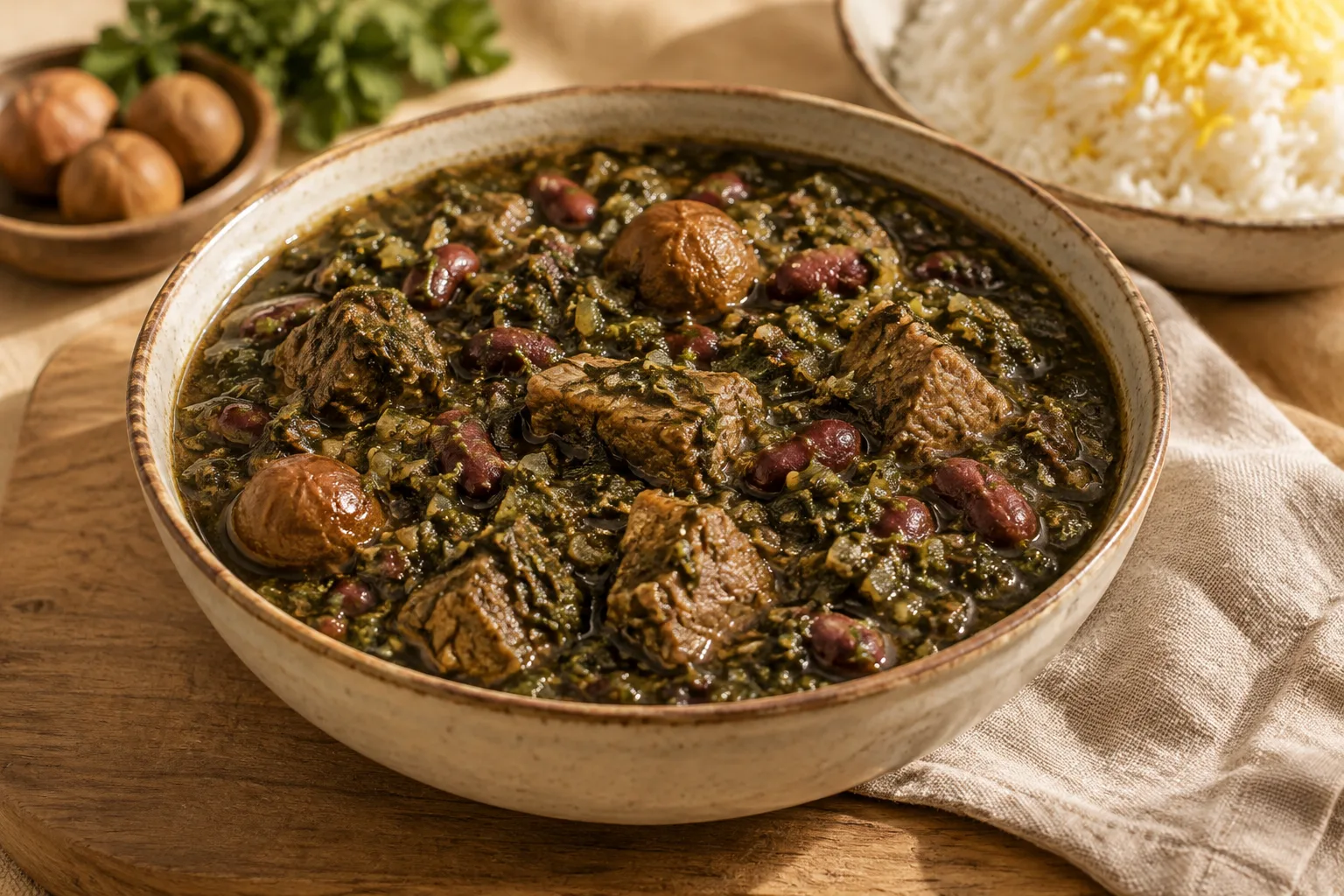
An Iranian stew of lamb or beef with fresh herbs, red kidney beans and dried limes, slowly cooked until the meat is tender.
View recipe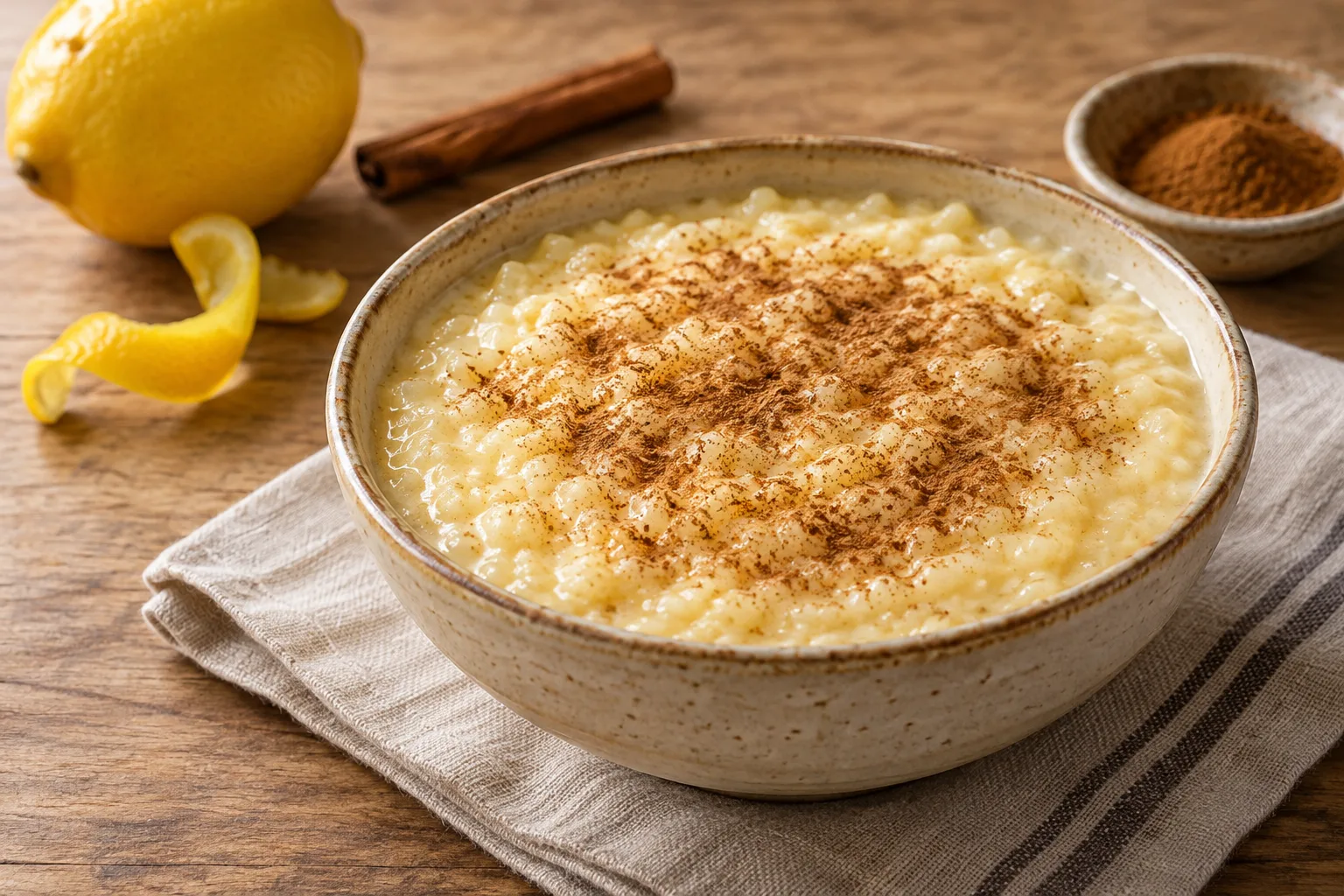
A Portuguese rice dessert cooked in milk scented with lemon and cinnamon, enriched with egg yolks and finished with ground cinnamon.
View recipe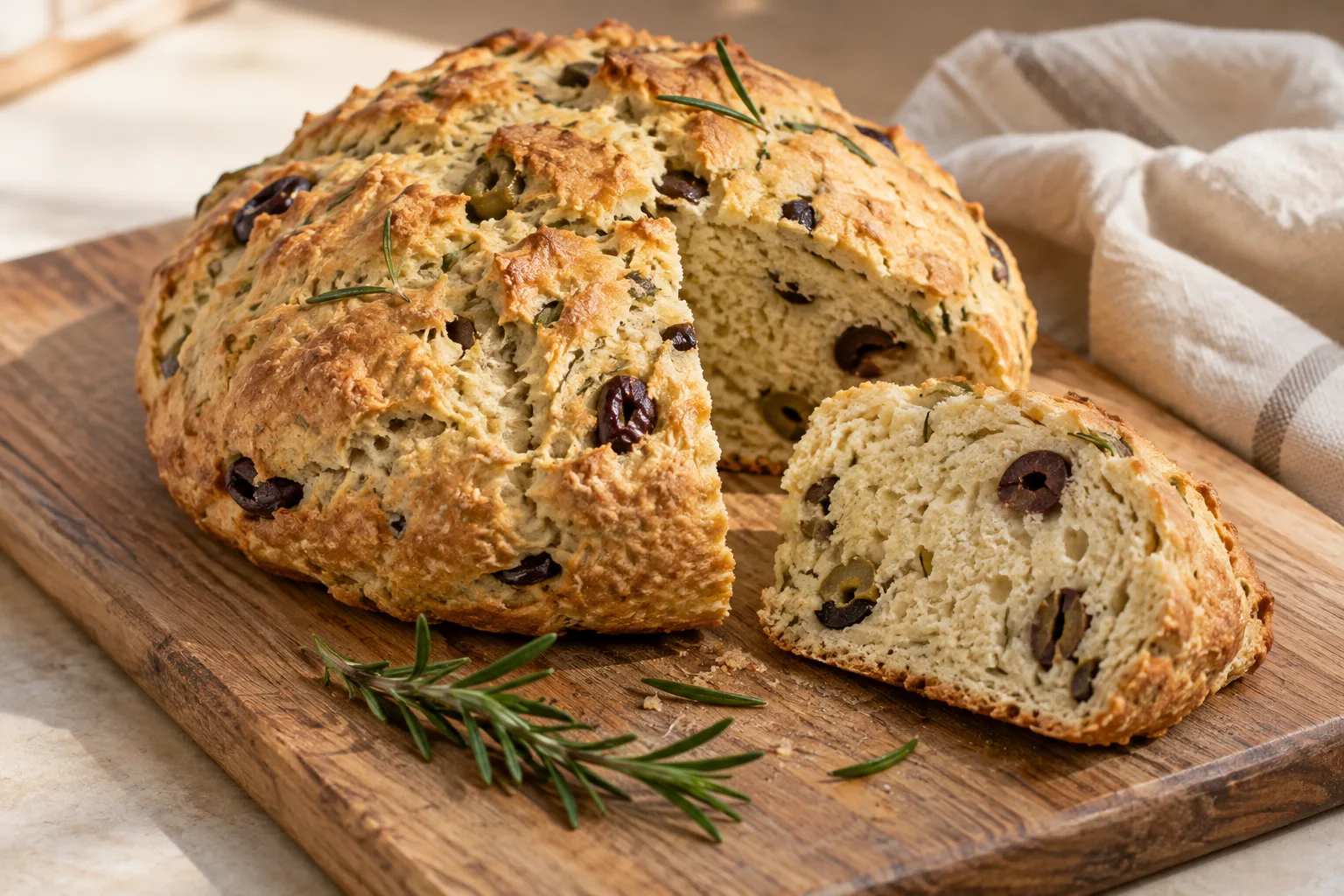
A simple Australian bread made with self-raising flour, olives and rosemary; this version is baked and served freshly made.
View recipe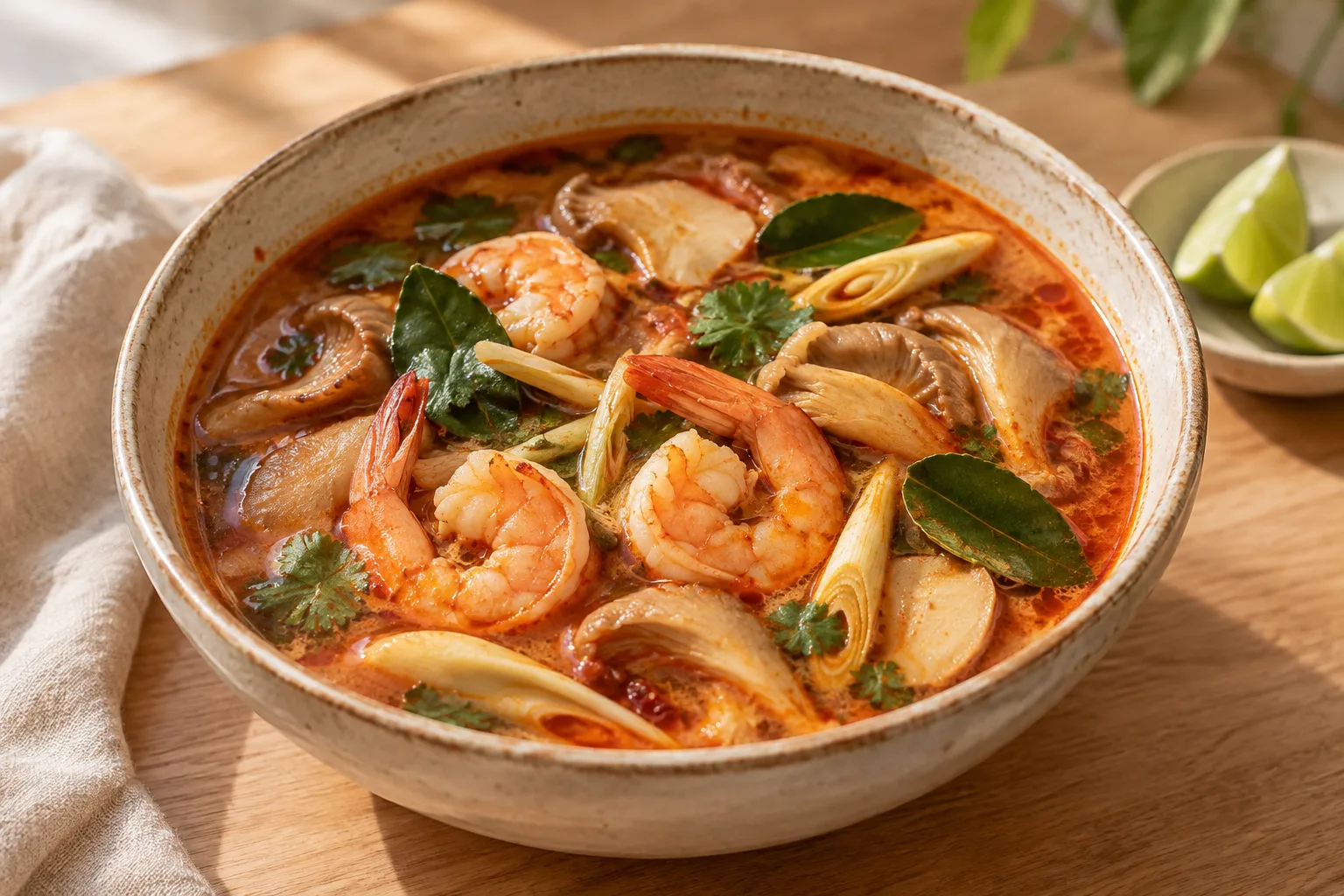
A sour-and-spicy Thai shrimp and mushroom soup scented with galangal, lemongrass and makrut lime leaves. It includes homemade nam prik pao paste.
View recipe
Spiced-potato-stuffed flatbread made with a soft dough and cooked on a griddle until golden.
View recipe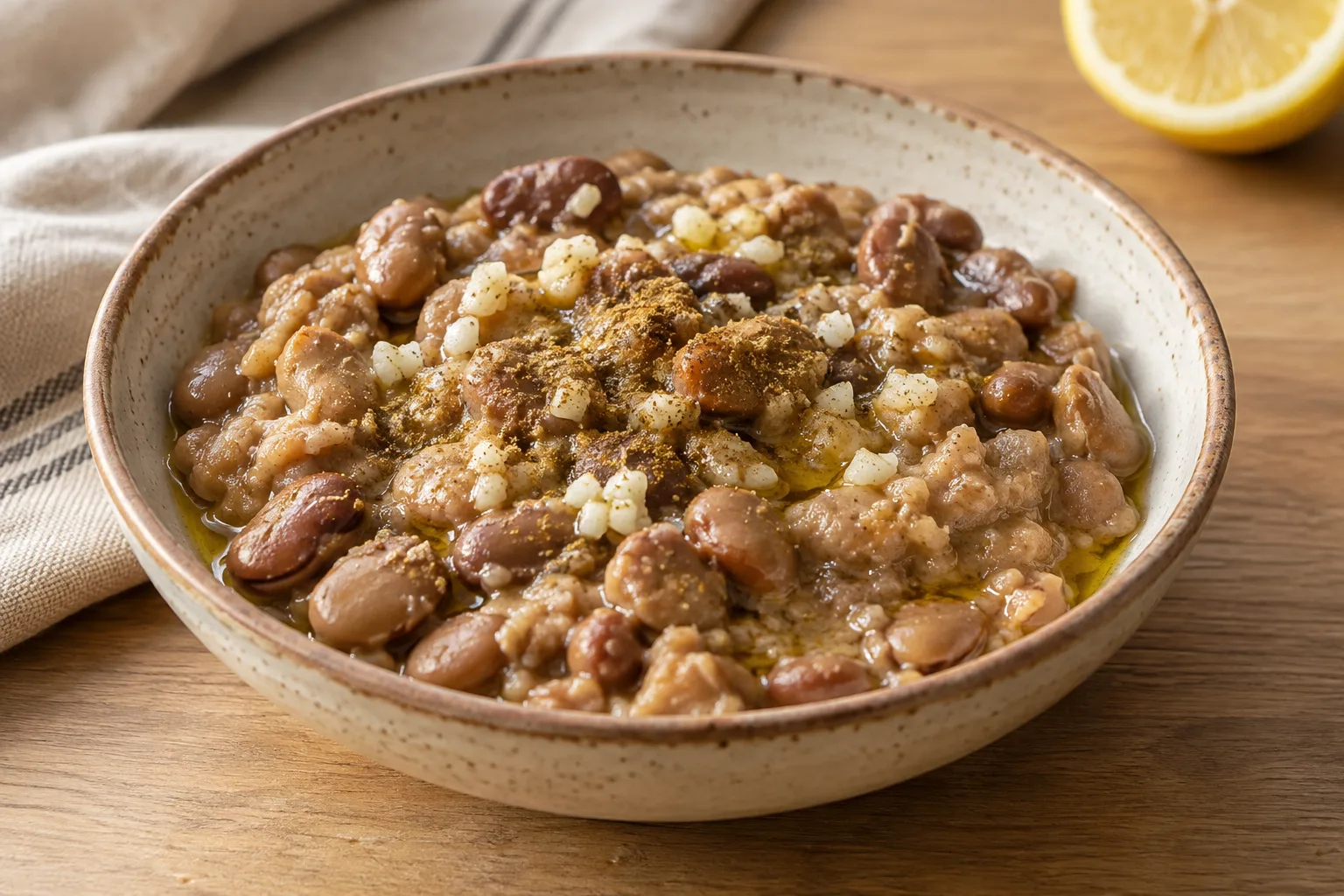
Cooked fava beans, partly mashed and dressed with garlic, lemon, cumin, and olive oil.
View recipe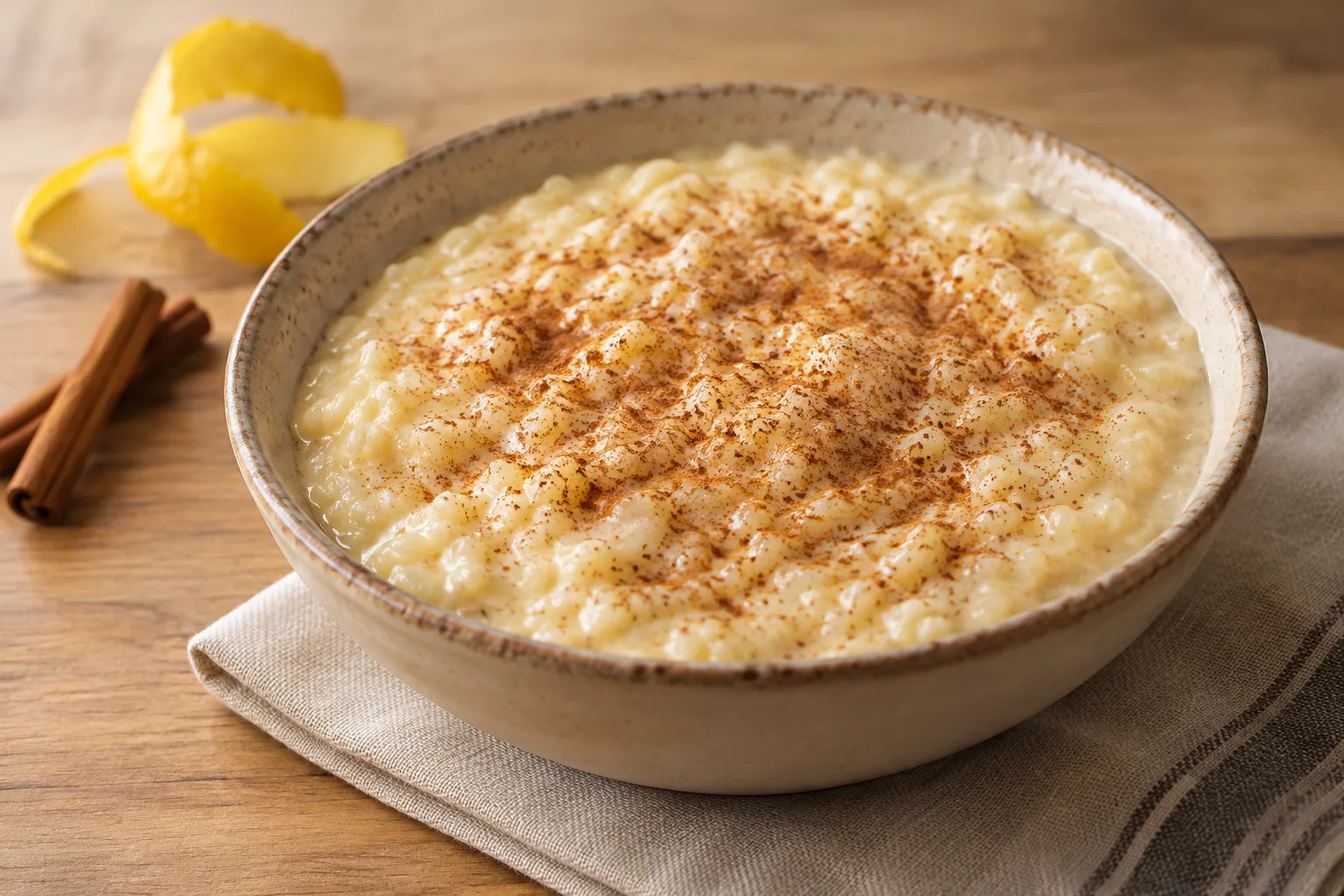
Creamy Portuguese rice pudding cooked with milk infused with lemon and cinnamon, enriched with egg yolks and butter.
View recipe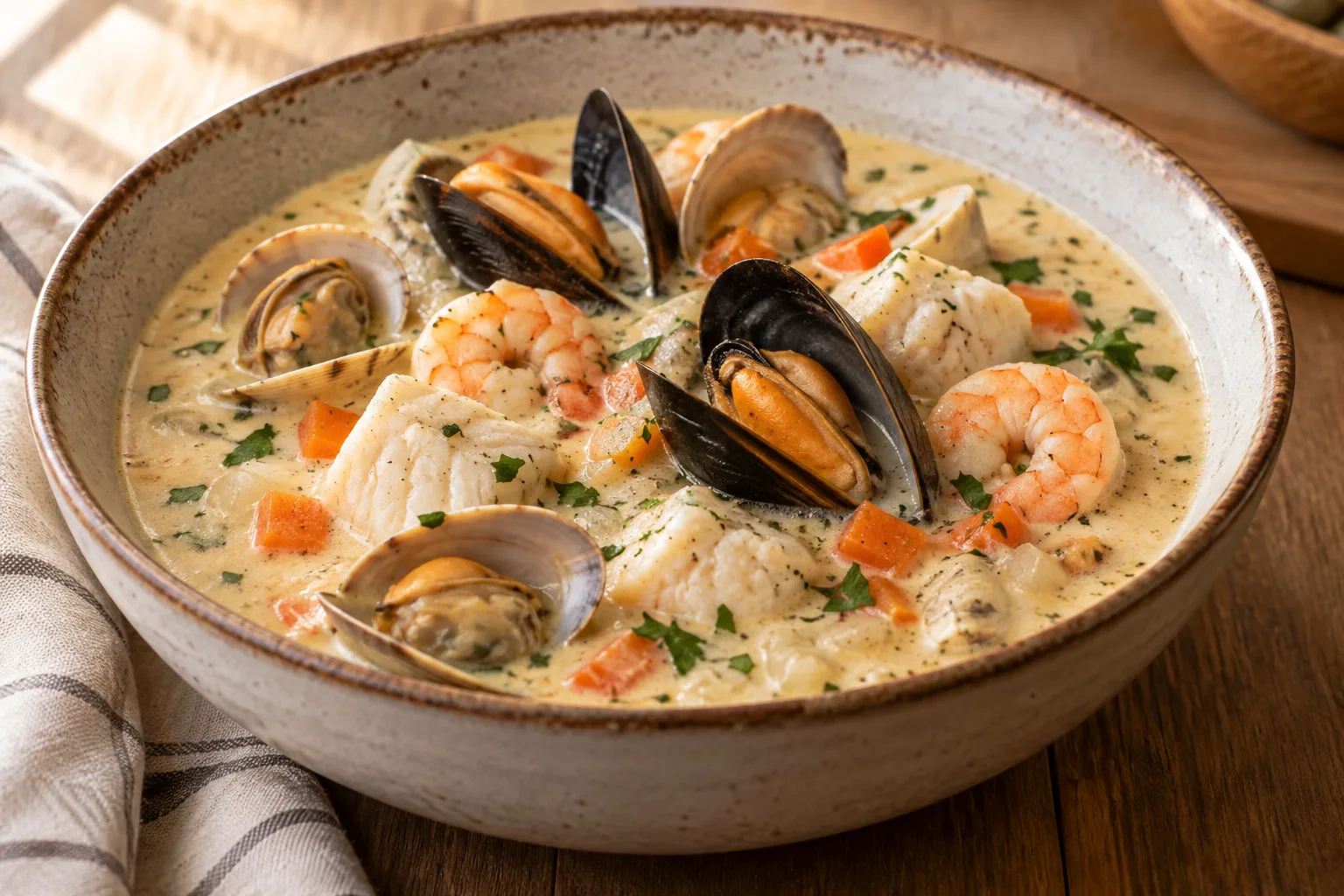
Creamy chowder for 4, with clams, mussels, prawns and white fish. Total time stated by the reference source: 35 minutes.
View recipe