
First steps
How to Learn to Substitute Ingredients Thoughtfully
A practical guide to deciding what to change in a recipe, comparing ingredient functions, and anticipating effects on flavor, moisture, texture, and structure.
Articles and guides about First steps: cooking ideas, explanations and tips researched and checked by KitchenPause.

Choose herbs for the food you plan to cook and for what is abundant where you shop, rather than following a universal calendar. Learn how to store tender and sturdy-stemmed herbs, and how to use surplus by freezing or drying it.
Available content that can be reviewed from the recipe collection.
A practical guide to deciding what to change in a recipe, comparing ingredient functions, and anticipating effects on flavor, moisture, texture, and structure.

Learn to distinguish acidity that brings freshness from acidity that dominates a dish, then choose whether to soften its perception or neutralize some of it. A gradual method helps you adjust without losing balance.

Learn how to assess a thin sauce and choose between reducing it, adding starch, or blending ingredients it already contains. Each method changes the sauce differently; tomato sauce intended for canning calls for separate preservation rules.

A simple formula helps adjust a recipe to the number of people you are serving. Learn how to use it and spot the ingredients and cooking conditions that need more than multiplication.

Learn to prepare your station, adjust the heat, and read what is happening in the pan or pot. Cooking heat is not the same as a fire emergency: this guide focuses on everyday culinary control and explains when to stop and get help.

Learn to tell when acidity adds freshness and when it dominates, then choose between softening its perception and neutralizing some of it with small, gradual adjustments.

Learn when to reduce, add a thickener, or blend existing ingredients—and how to adjust gradually while keeping flavor in mind.

A crushed tomato skin, paper that catches, or extra effort while cutting can indicate that a knife needs attention. Learn to distinguish honing from sharpening, choose a suitable method, and know when to stop.

Learn to adjust heat deliberately: prepare your station, distinguish flame from embers, organize heat zones, and watch how the food responds.

Tasting during cooking is a practice of observation, comparison, and gradual adjustment. Learn to notice changes in flavor, aroma, and texture without mistaking personal preference for a universal rule.

Tasting during cooking helps you notice changes in flavor, aroma, and texture and make more considered decisions. Learn to compare, describe, and adjust without treating every spoonful as a prompt for an automatic correction.

Learn to recognize when a knife needs honing or sharpening, choose a tool, and check the result without relying on a fixed schedule or a universal angle.

Fresh boerewors grilled until browned all over and served in four portions.
View recipe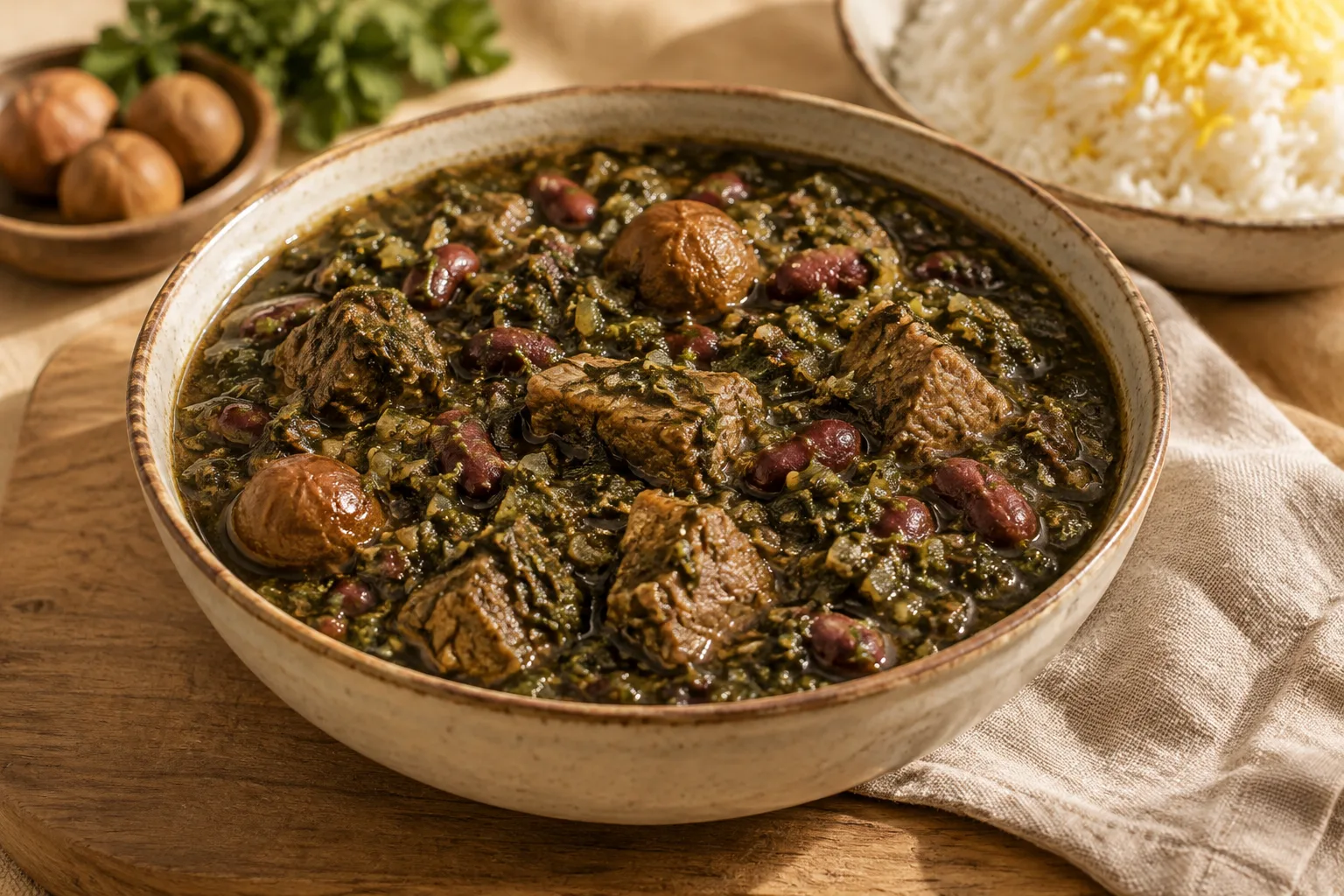
An Iranian stew of lamb or beef with fresh herbs, red kidney beans and dried limes, slowly cooked until the meat is tender.
View recipe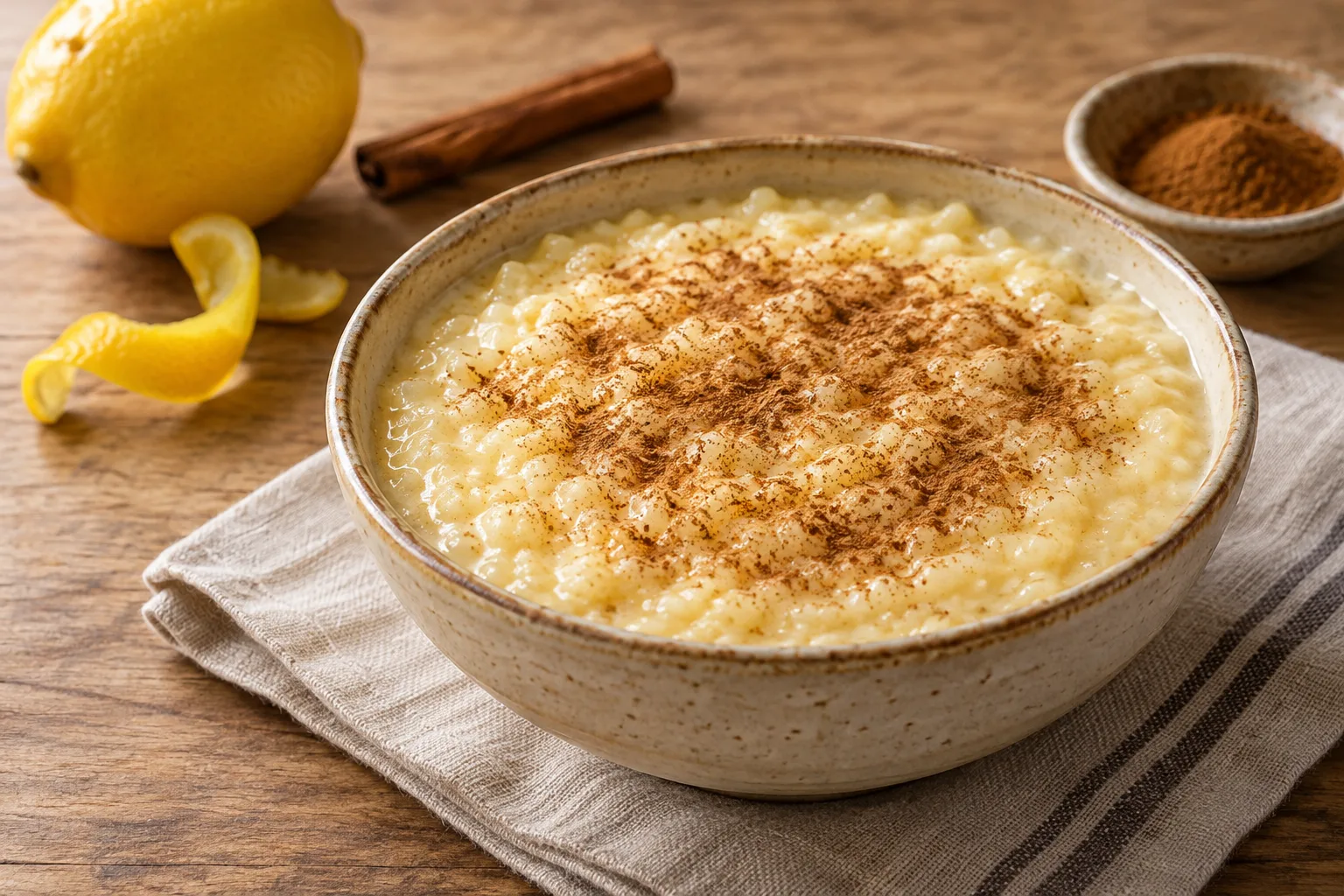
A Portuguese rice dessert cooked in milk scented with lemon and cinnamon, enriched with egg yolks and finished with ground cinnamon.
View recipe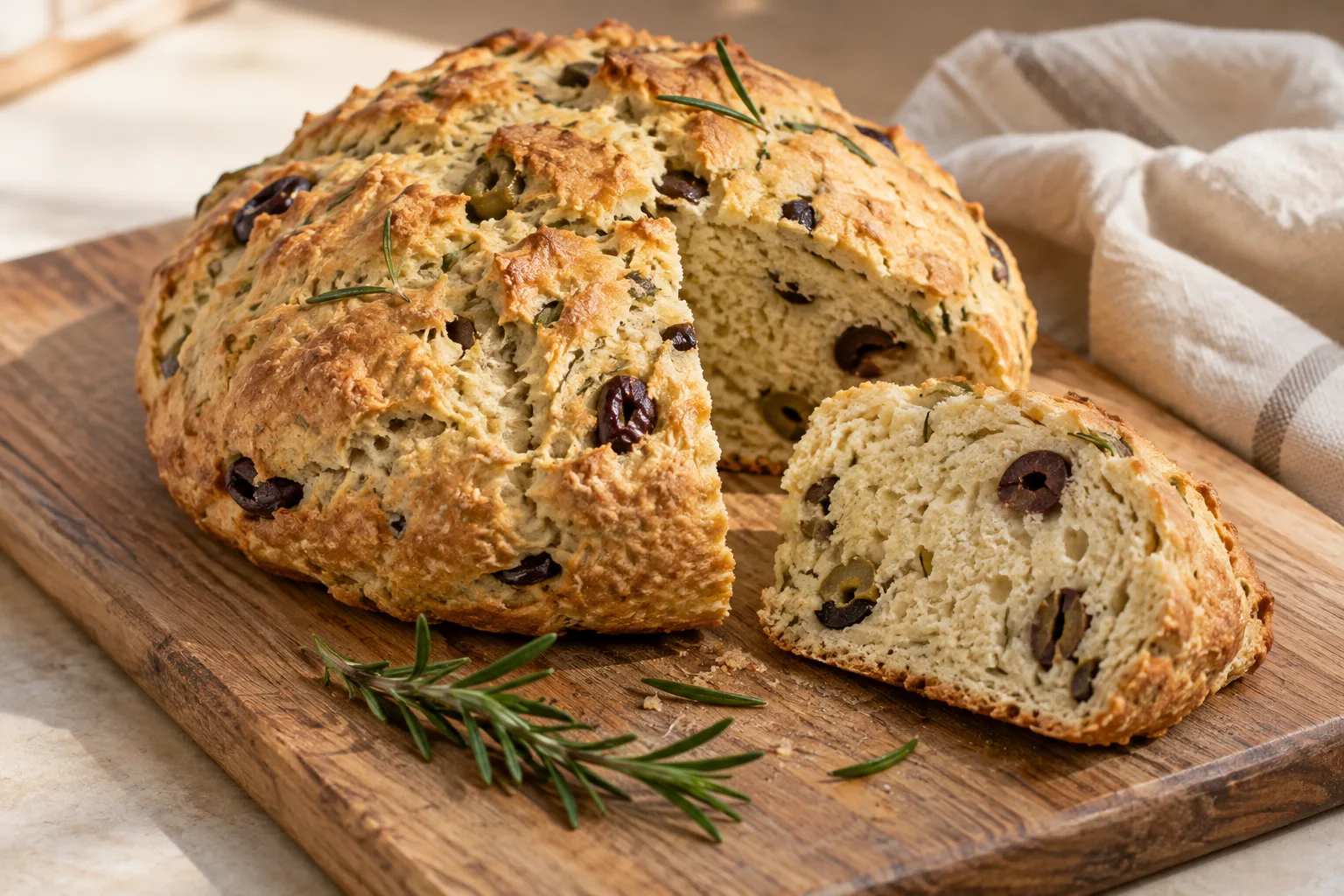
A simple Australian bread made with self-raising flour, olives and rosemary; this version is baked and served freshly made.
View recipe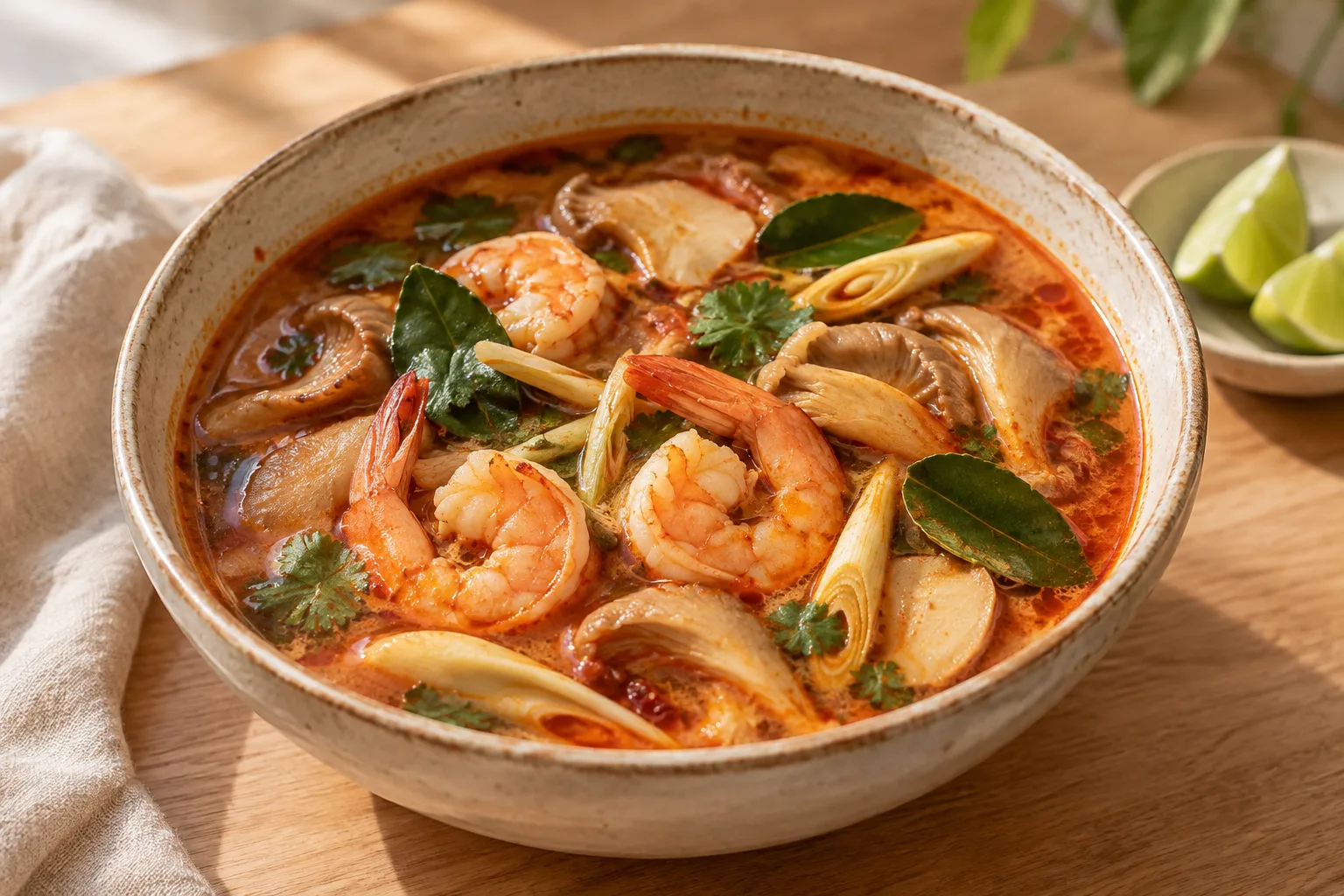
A sour-and-spicy Thai shrimp and mushroom soup scented with galangal, lemongrass and makrut lime leaves. It includes homemade nam prik pao paste.
View recipe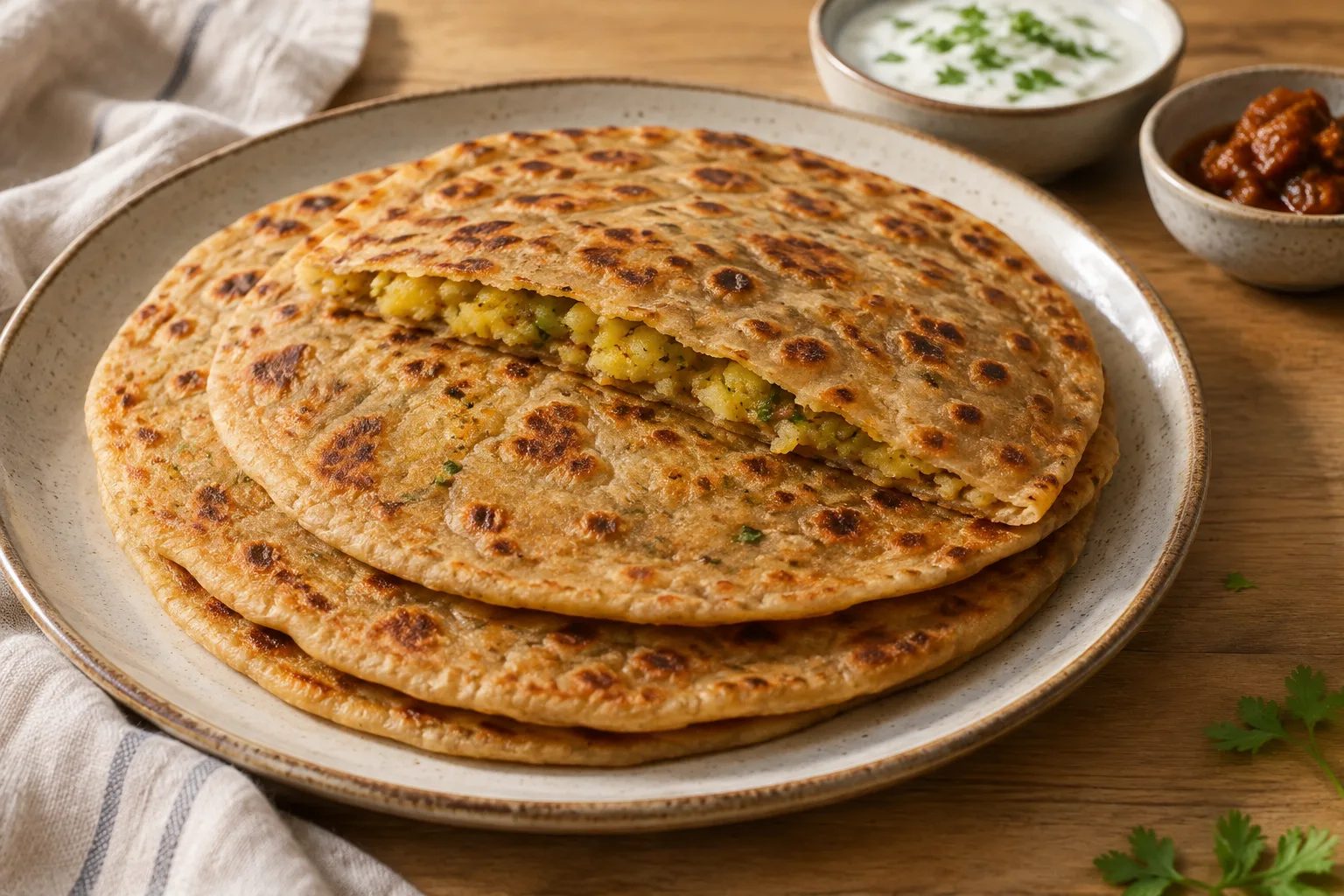
Spiced-potato-stuffed flatbread made with a soft dough and cooked on a griddle until golden.
View recipe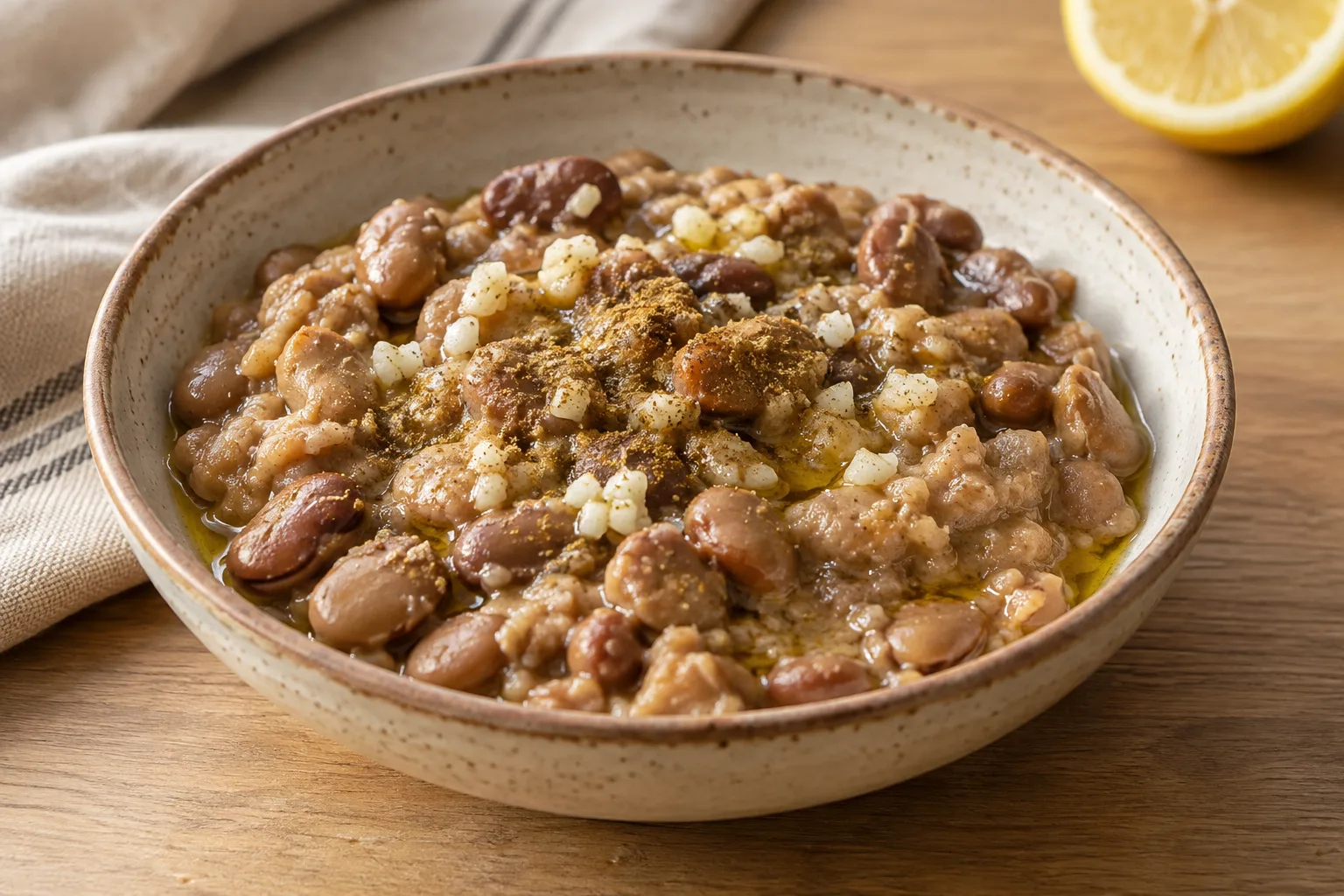
Cooked fava beans, partly mashed and dressed with garlic, lemon, cumin, and olive oil.
View recipe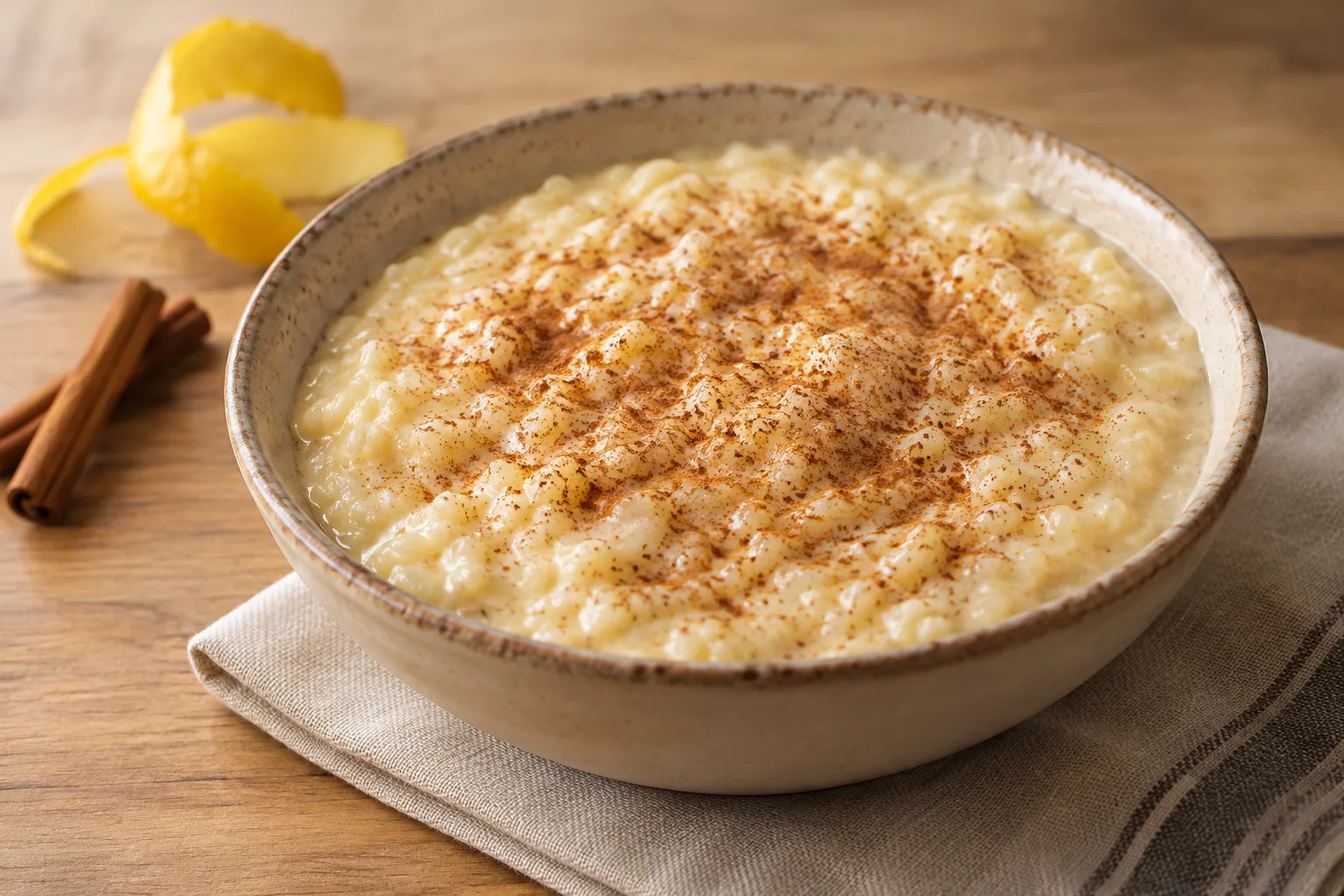
Creamy Portuguese rice pudding cooked with milk infused with lemon and cinnamon, enriched with egg yolks and butter.
View recipe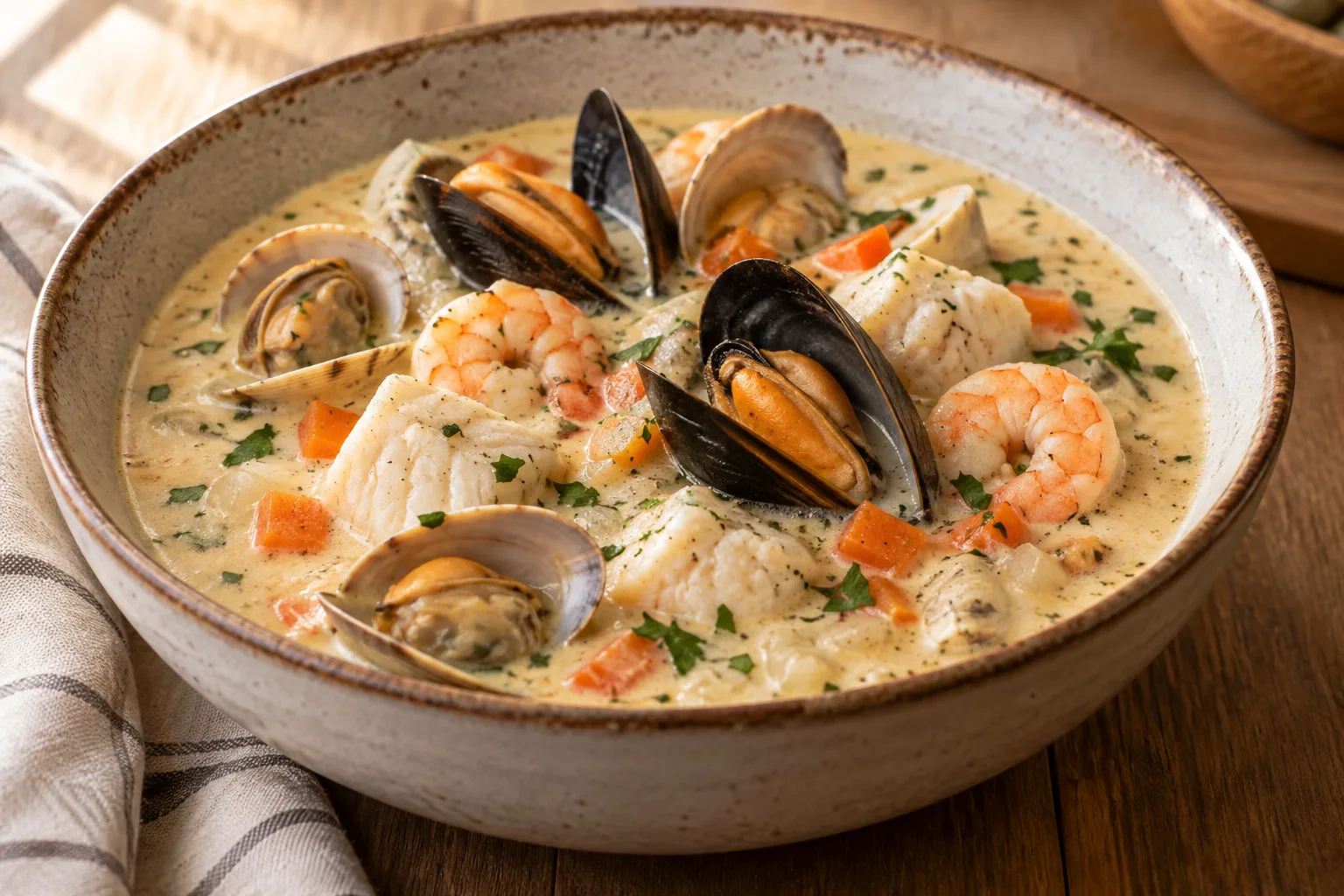
Creamy chowder for 4, with clams, mussels, prawns and white fish. Total time stated by the reference source: 35 minutes.
View recipe