How to Cook Better with Worcestershire Sauce: A Practical Guide
A strongly flavoured condiment can add depth to soups, stews, sauces and dressings. Learn to add it gradually, balance its flavours and check the label before serving.
An editorial home built from real recipe additions, seasonality and our methodology.
Choose herbs for the food you plan to cook and for what is abundant where you shop, rather than following a universal calendar. Learn how to store tender and sturdy-stemmed herbs, and how to use surplus by freezing or drying it.
Available content that can be reviewed from the recipe collection.
A strongly flavoured condiment can add depth to soups, stews, sauces and dressings. Learn to add it gradually, balance its flavours and check the label before serving.
A flexible way to plan tasks, spot what needs attention, and bring several components to the table without relying on a mental stopwatch.
A practical guide to cleaning, checking and using a kitchen scale thoughtfully: what you can observe at home, when to seek calibration and what to know if the device uses coin batteries.
A practical guide to organizing ingredients, managing the pan, and making a stir-fry with evenly cooked pieces and appealing texture—without requiring a wok or a fixed recipe.
Fermentation transforms ingredients through microbial and enzymatic activity. Controlling it can steer changes in flavour, texture and preservation, but it does not produce the same result every time or automatically make a food probiotic.
A flexible guide to choosing autumn vegetables by origin and condition, then turning them into soups, roasts, stews, salads and satisfying meals.
Drying, salting, fermenting, pickling, and smoking are not techniques sealed off in the past. Preservation has changed with science and technology, yet it still carries local knowledge, flavors, and ways of relating to food.
A practical system for seeing what you have, finding ingredients and replacing only what you need—without buying a matching set of jars or turning tidying into a project.
A practical guide to choosing potatoes for their intended use, storing them carefully, and deciding what to do with each batch—without mistaking a canning recommendation for a universal cooking rule.
Lumps often point to a problem with mixing, adding ingredients, or cooking. Learn how to tell when whisking or straining may help, and how to reduce the chance of lumps next time.
Learn to observe the steam, the arrangement of the food and changes in texture without relying on universal timings or treating a visual cue as proof of doneness.
Learn to distinguish a recipe’s yield from what goes on each plate, then estimate quantities with a scale, everyday utensils, or your hand—without treating any measure as a universal rule.
Fresh boerewors grilled until browned all over and served in four portions.
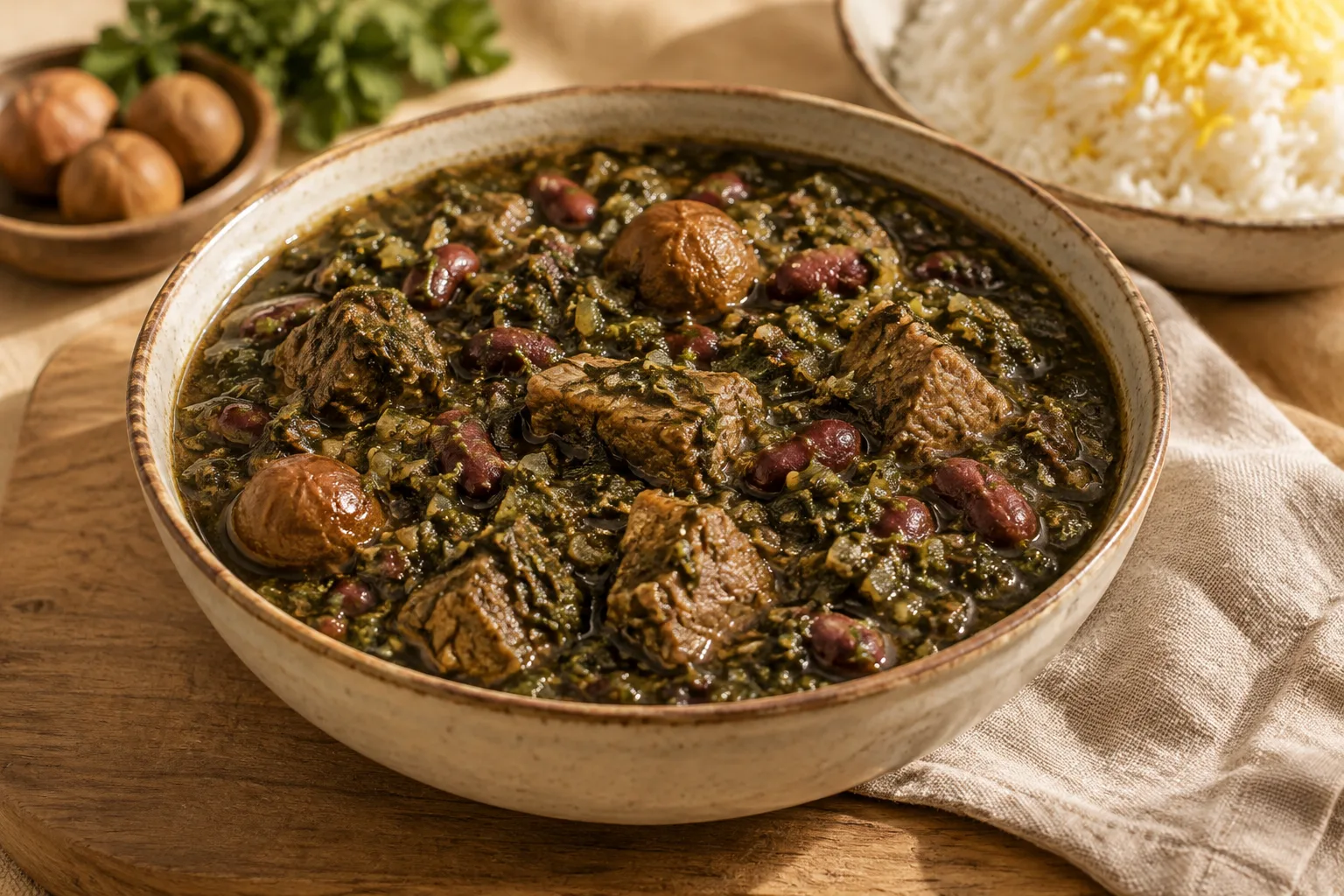
View recipeAn Iranian stew of lamb or beef with fresh herbs, red kidney beans and dried limes, slowly cooked until the meat is tender.
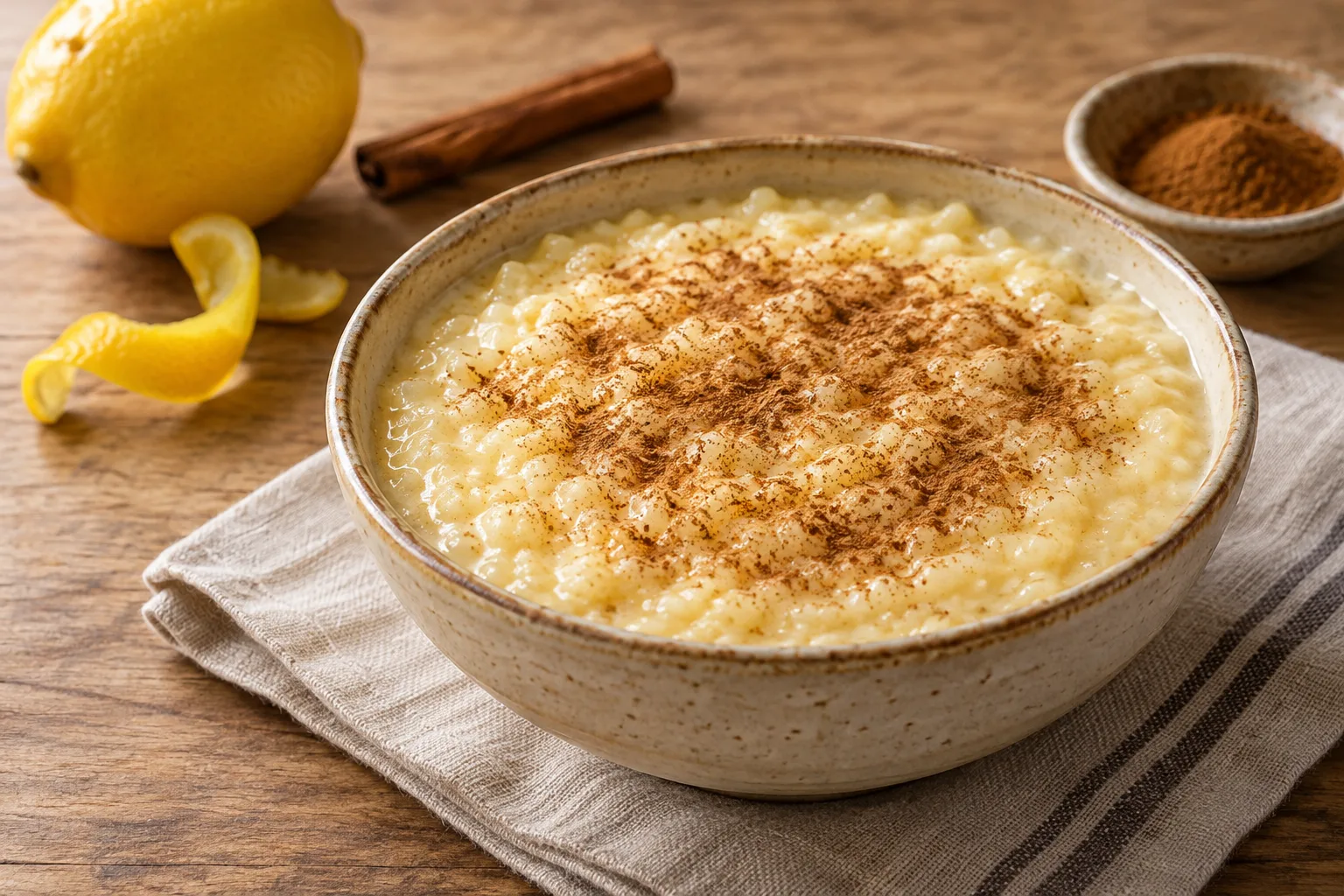
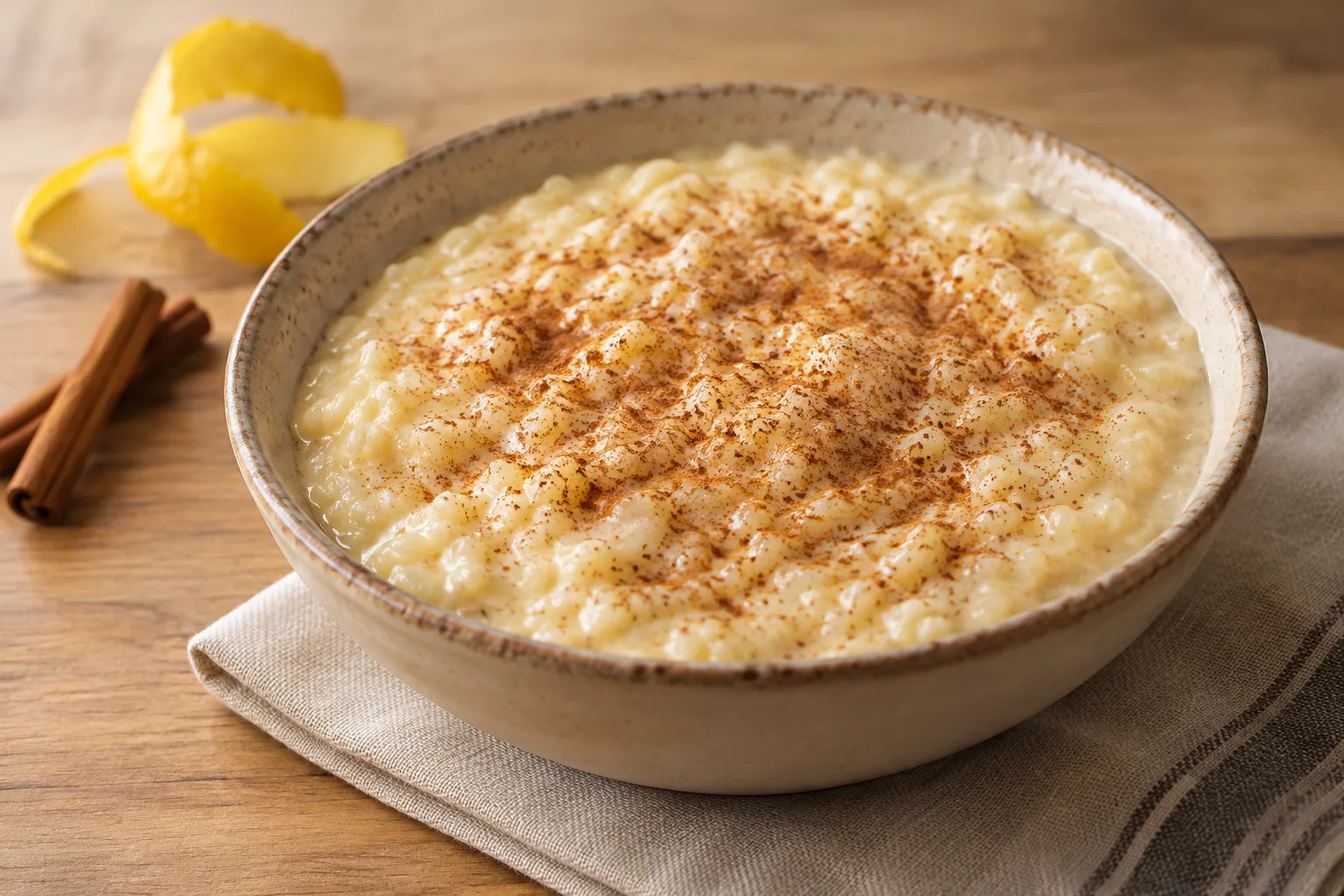
View recipeA Portuguese rice dessert cooked in milk scented with lemon and cinnamon, enriched with egg yolks and finished with ground cinnamon.
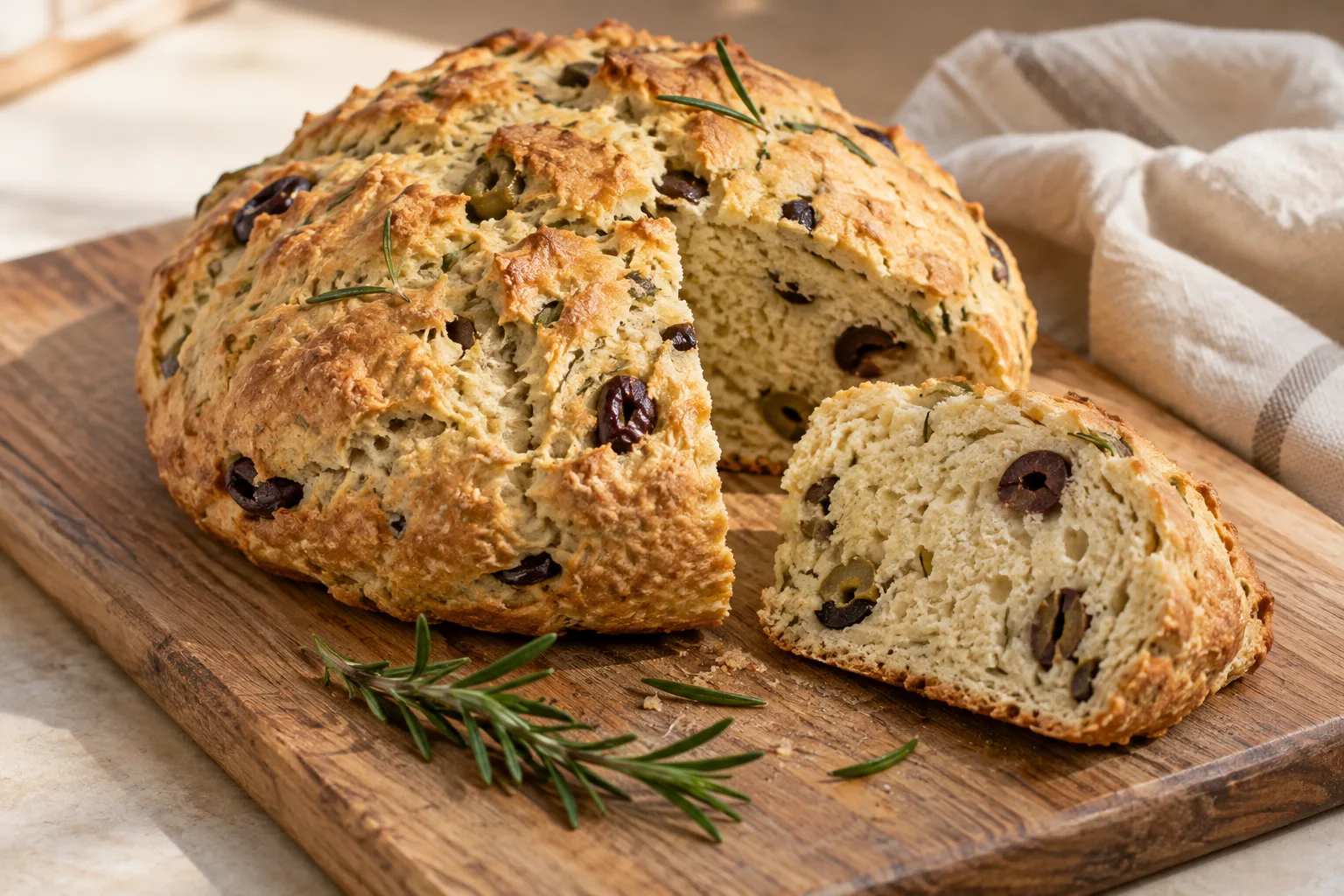
View recipeA simple Australian bread made with self-raising flour, olives and rosemary; this version is baked and served freshly made.
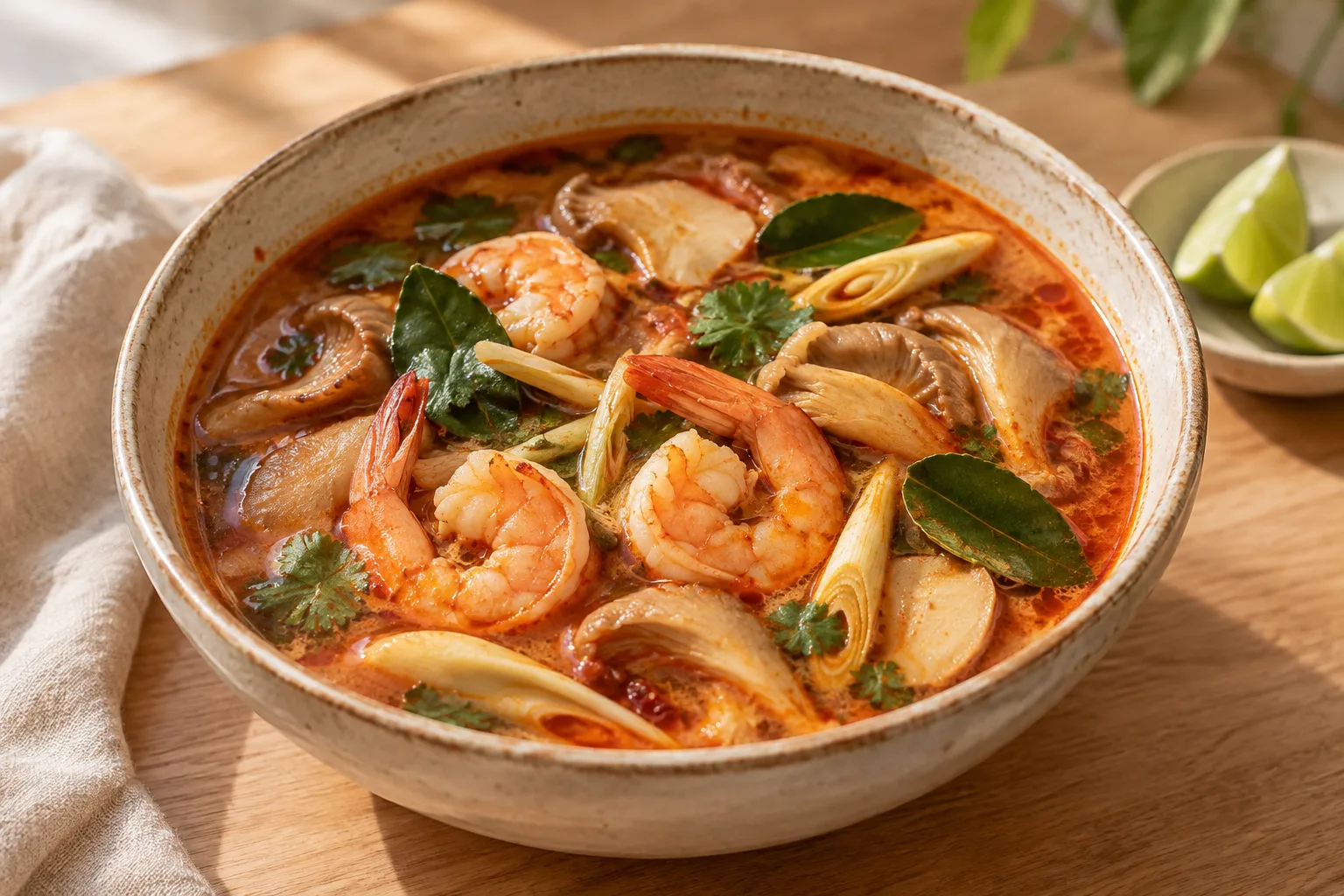
View recipeA sour-and-spicy Thai shrimp and mushroom soup scented with galangal, lemongrass and makrut lime leaves. It includes homemade nam prik pao paste.
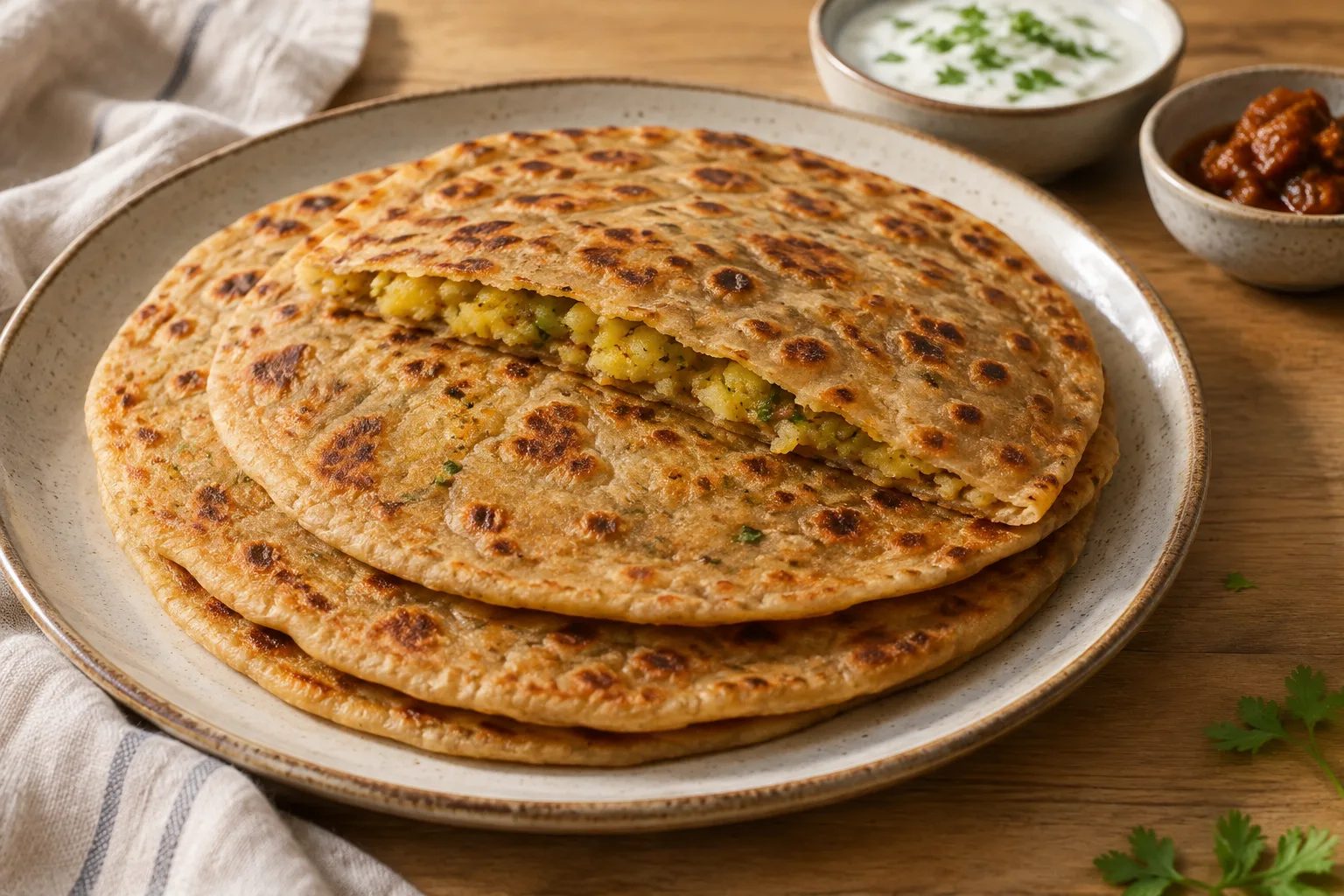
View recipeSpiced-potato-stuffed flatbread made with a soft dough and cooked on a griddle until golden.
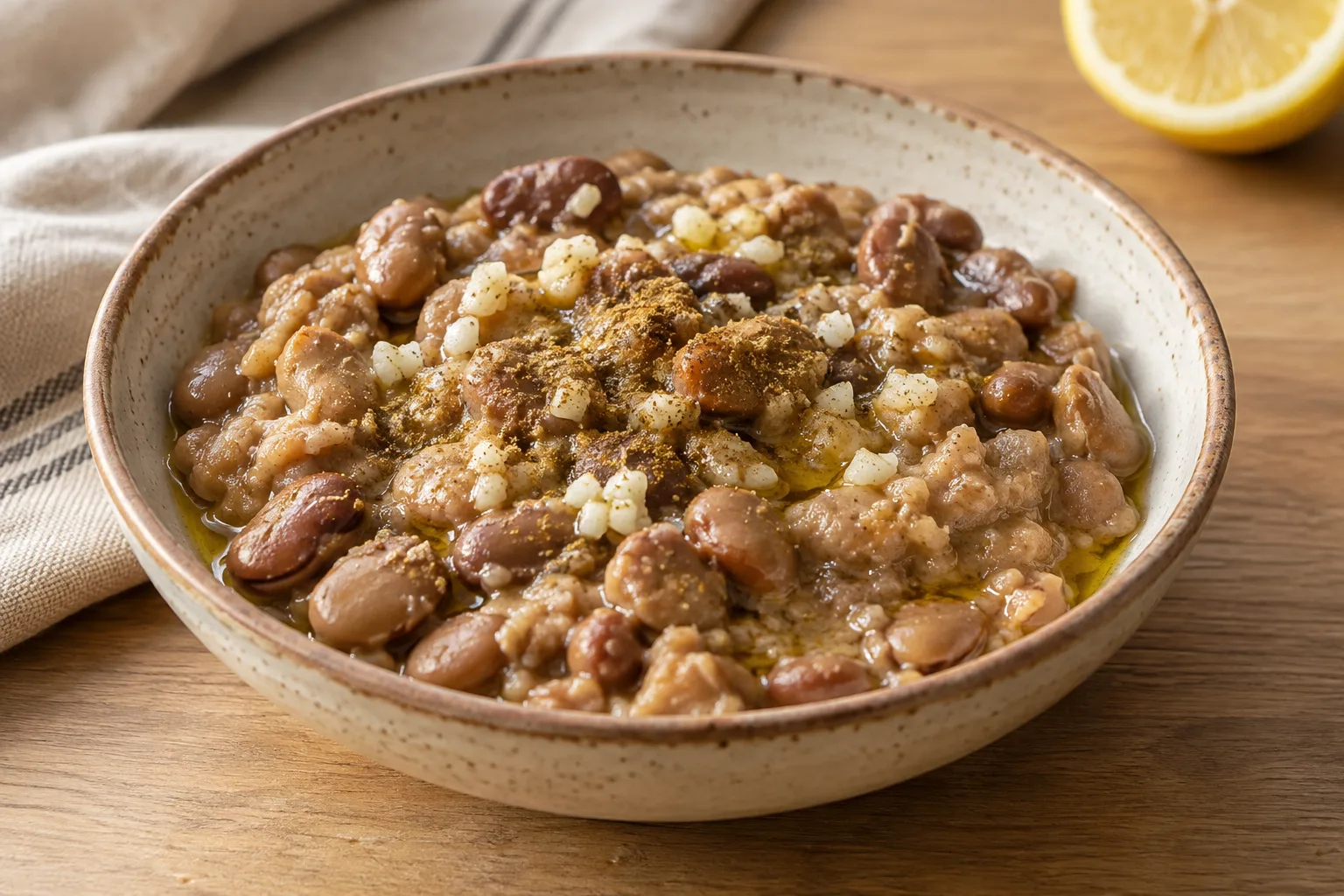
View recipeCooked fava beans, partly mashed and dressed with garlic, lemon, cumin, and olive oil.
View recipeCreamy Portuguese rice pudding cooked with milk infused with lemon and cinnamon, enriched with egg yolks and butter.
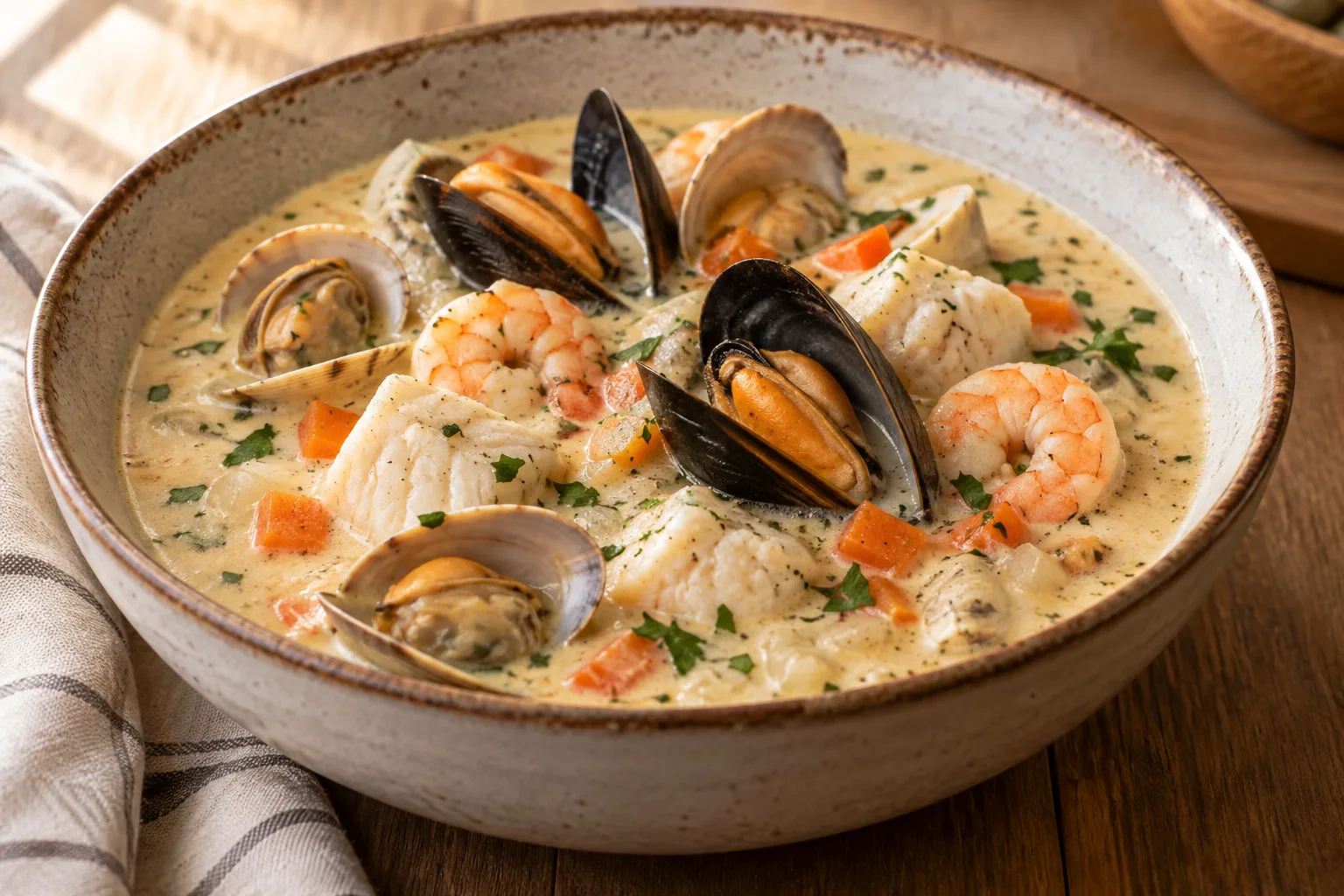
View recipeCreamy chowder for 4, with clams, mussels, prawns and white fish. Total time stated by the reference source: 35 minutes.
View recipe