
Ingredient
Common Mistakes When Cooking Chicken Thighs—and How to Avoid Them
A practical guide to handling, browning, and cooking chicken thighs safely without relying on color or universal cooking times.
An editorial home built from real recipe additions, seasonality and our methodology.

Choose herbs for the food you plan to cook and for what is abundant where you shop, rather than following a universal calendar. Learn how to store tender and sturdy-stemmed herbs, and how to use surplus by freezing or drying it.
Available content that can be reviewed from the recipe collection.
A practical guide to handling, browning, and cooking chicken thighs safely without relying on color or universal cooking times.

Leek greens can be put to use, too. Learn how to clean them, choose a cut that suits their texture, and turn them into stock, a sauté, an omelet, soup or pesto.

Learn to distinguish overcooked meat from other texture problems, identify likely causes, and adapt the method to the cut. If the meat is already dry, you can improve how you serve it, though you cannot fully restore its original juiciness.

An oven does not transform food all at once: heat moves inward from the surface, moisture changes, and browning develops as the exterior dries. Learn what to look for and why the right adjustments depend on both the food and the oven.

A practical guide to deciding what can be replaced, what an ingredient does, and how to anticipate changes in flavor, moisture, and texture.

Learn to manage the steam and recognize when vegetables are tender without losing their firmness. Cut size, quantity, and arrangement matter more than any universal cooking time.

Turn suitable vegetable trimmings into a versatile cooking base, then portion stock for soups, rice dishes, stews and sauces. This practical guide separates kitchen ideas from what the available evidence cannot establish about safe storage.

A practical way to organize a meal with several preparations: plan around serving time, group compatible tasks, and track each component without losing sight of food safety.

Fermentation transforms sugars and other components through microorganisms. Understanding what can change—and what the process does not guarantee—helps you appreciate its flavors and approach it prudently at home.

A practical guide to choosing autumn vegetables at the market, adapting your shop to local availability, and making the most of each ingredient with straightforward cooking methods.

A practical guide to using a kitchen scale and caring for it without assuming that one procedure suits every model.

Drying, salting, smoking, fermenting and, later, using cold or heat are chapters in a culinary history shaped by adaptation, knowledge and culture. This account considers what changed—and what endured—without mistaking tradition for preservation instructions.

Fresh boerewors grilled until browned all over and served in four portions.
View recipe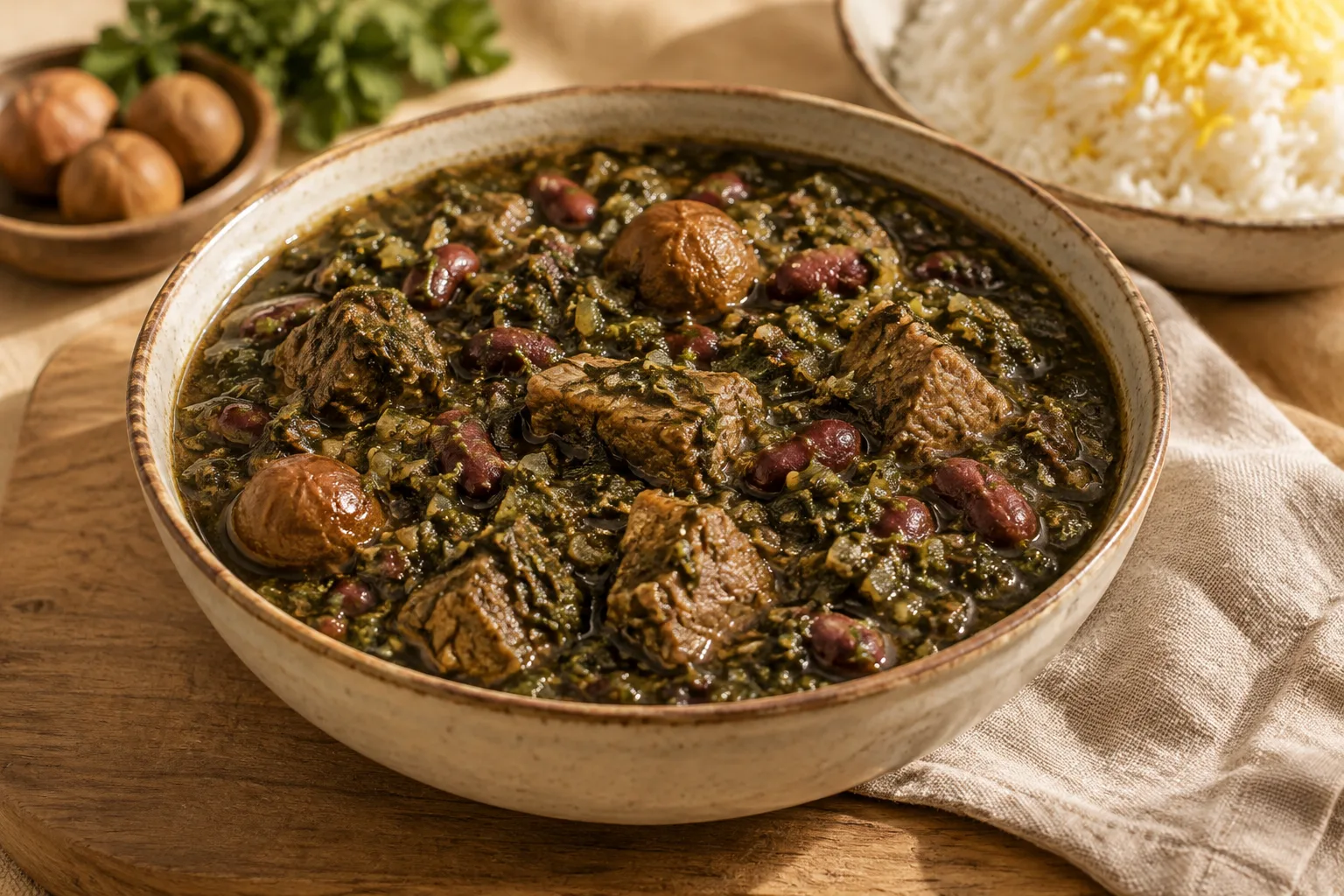
An Iranian stew of lamb or beef with fresh herbs, red kidney beans and dried limes, slowly cooked until the meat is tender.
View recipe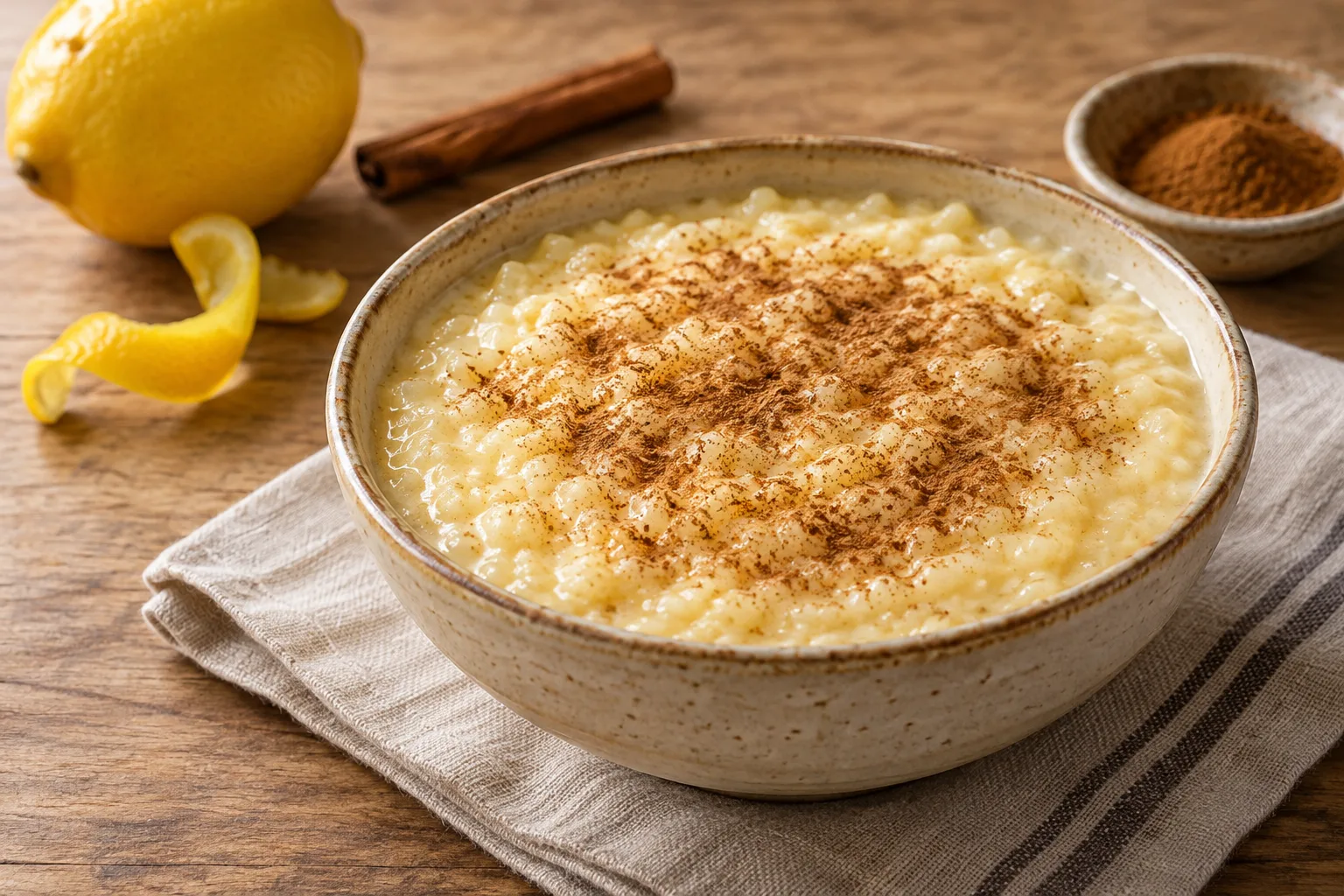
A Portuguese rice dessert cooked in milk scented with lemon and cinnamon, enriched with egg yolks and finished with ground cinnamon.
View recipe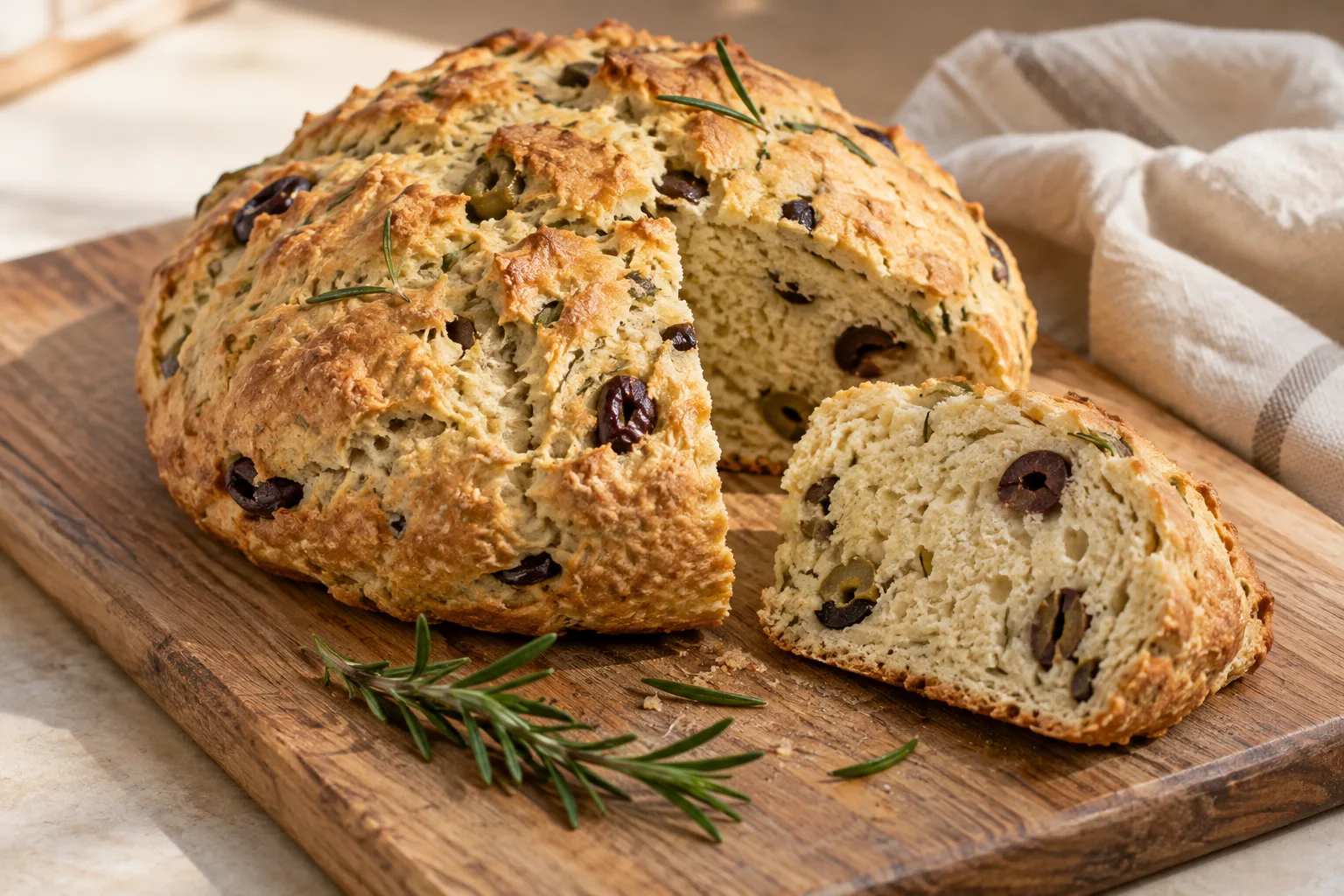
A simple Australian bread made with self-raising flour, olives and rosemary; this version is baked and served freshly made.
View recipe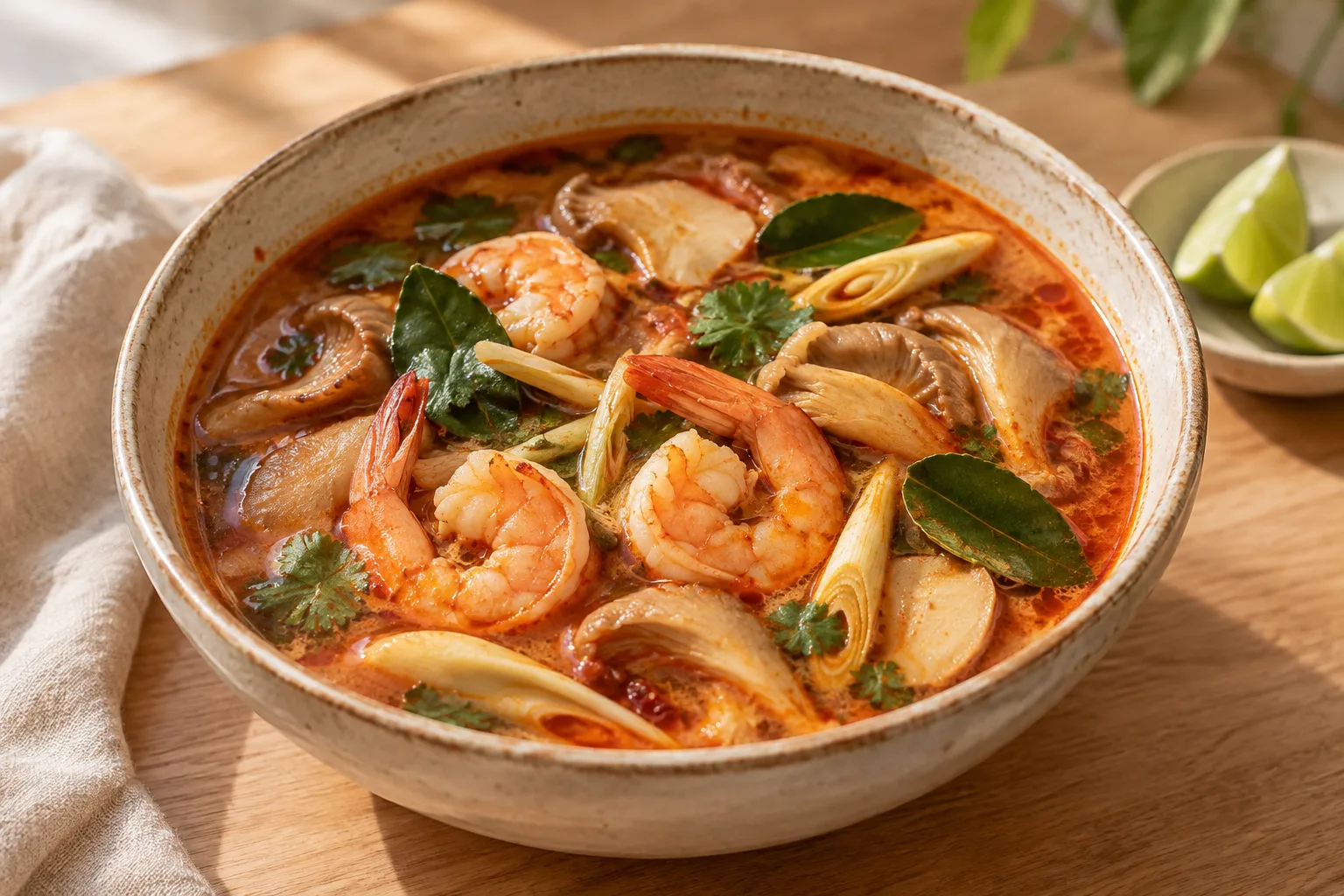
A sour-and-spicy Thai shrimp and mushroom soup scented with galangal, lemongrass and makrut lime leaves. It includes homemade nam prik pao paste.
View recipe
Spiced-potato-stuffed flatbread made with a soft dough and cooked on a griddle until golden.
View recipe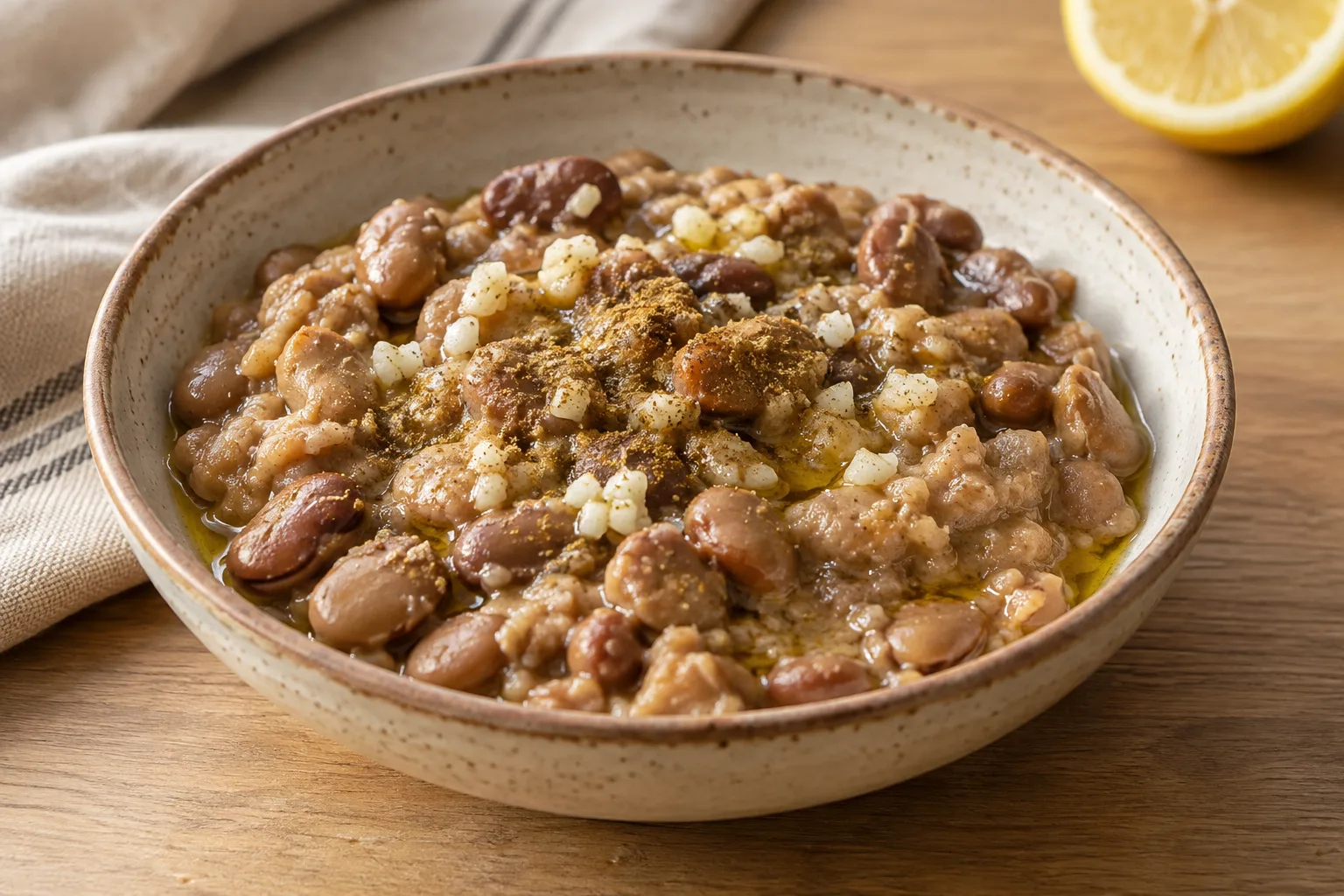
Cooked fava beans, partly mashed and dressed with garlic, lemon, cumin, and olive oil.
View recipe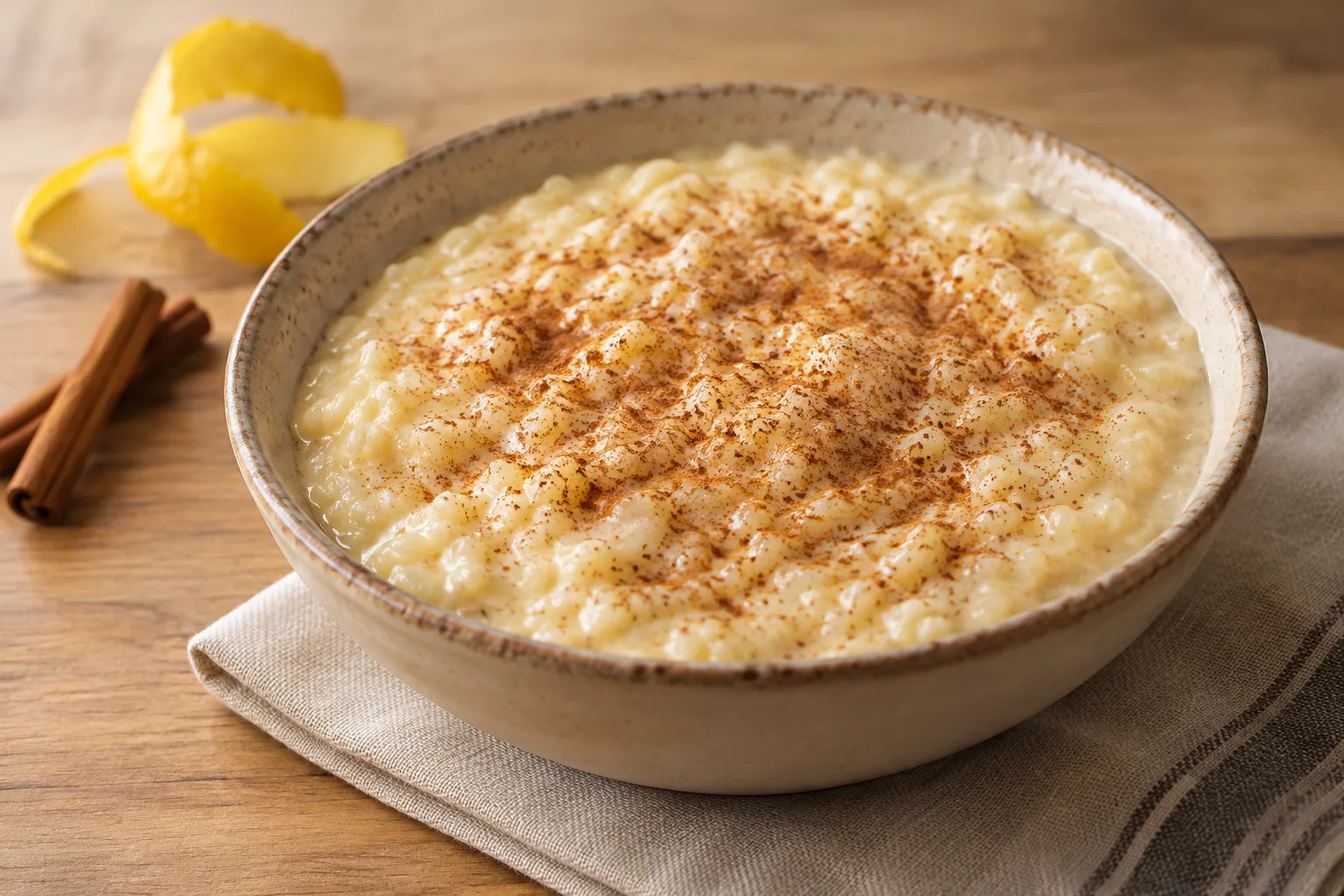
Creamy Portuguese rice pudding cooked with milk infused with lemon and cinnamon, enriched with egg yolks and butter.
View recipe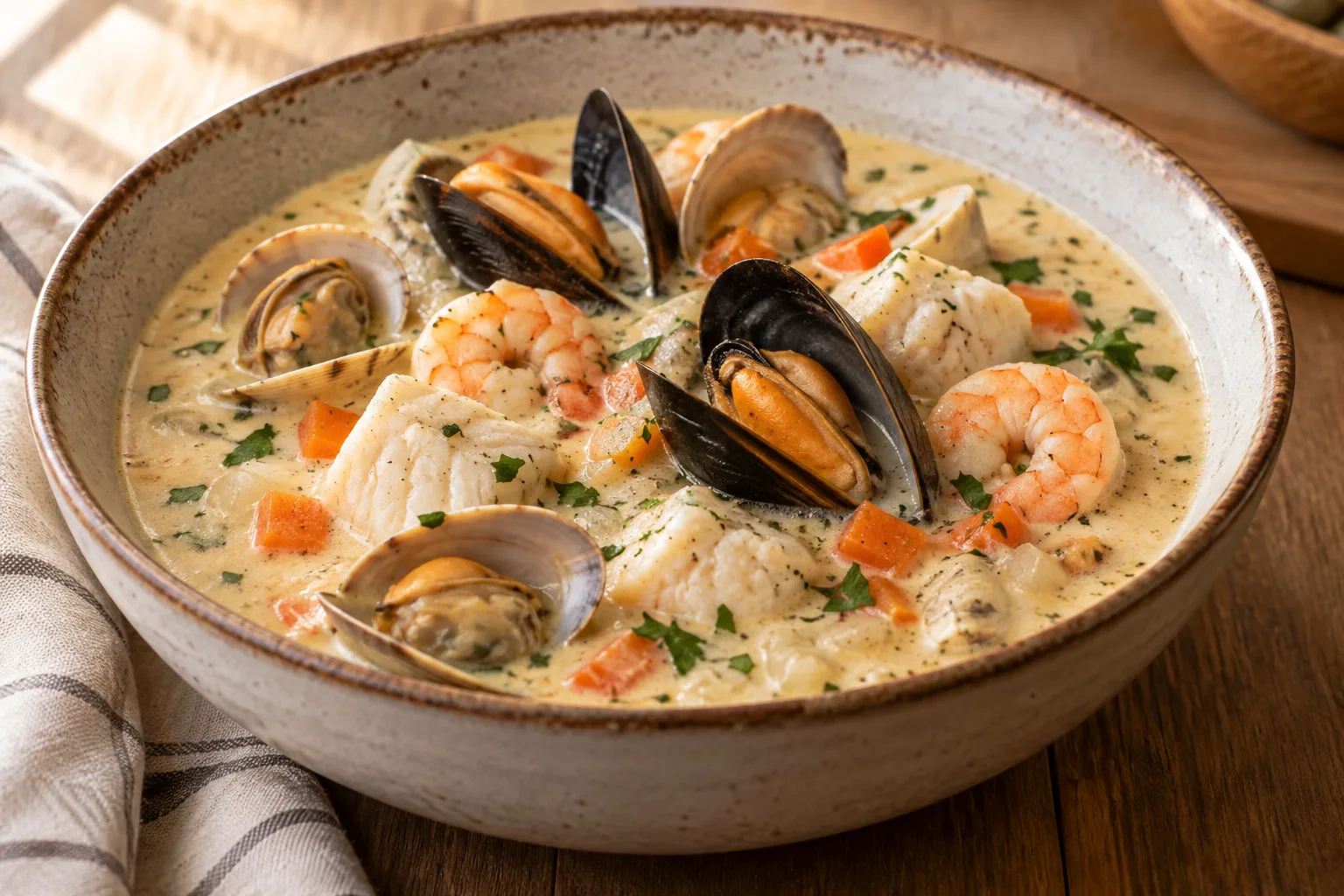
Creamy chowder for 4, with clams, mussels, prawns and white fish. Total time stated by the reference source: 35 minutes.
View recipe