Lebanon: Beirut, Bekaa and the northern mountains
Breads, pulses, markets and culinary transmission: explore the capital, Zahlé and Douma, connecting heritage with the Lebanese recipe collection.
An editorial home built from real recipe additions, seasonality and our methodology.
Asparagus, peas, broad beans, artichokes and tender greens signal spring. Learn to read the seasonal calendar flexibly, choose vegetables in good condition and organize storage without treating seasonality as a rigid rule.
Available content that can be reviewed from the recipe collection.
Breads, pulses, markets and culinary transmission: explore the capital, Zahlé and Douma, connecting heritage with the Lebanese recipe collection.
South Korean foodways come into view through particular preparations and the work that sustains them: rice assembled with vegetables in bibimbap, kimchi made and shared through kimjang, savory scallion pancakes, winter hotteok, and the marine knowledge of Jeju haenyeo. These examples illuminate documented regional traditions without standing in for the country’s full culinary range.
Jordanian foodways bring together Levantine ingredients, rural and agropastoral traditions, and the social practice of welcoming guests. Mansaf, made with meat, fermented yogurt sauce, grain, and bread, is a celebrated communal banquet; everyday tables also feature freekeh, tomato dishes, breads, and shared mezze. From Amman to Aqaba and Wadi Rum, local settings and family practice shape varied meals without making every dish exclusive to one place.
Emilia-Romagna, Campania and Sicily offer routes through doughs, products and traditions that cannot fit into a single idea of Italian cooking.
Three entry points into a country of many repertoires: lamb stews, meals on a leaf, and fish and sweets, linked to the current recipe collection.
Rendang, soto, rice and sweets offer routes through regional techniques and the diverse culinary repertoires of the Indonesian archipelago.
Explore Ghanaian food through its varied grain and root-crop bases, fermentation, rice-and-bean dishes, fish, and richly seasoned accompaniments. From Ga and Fante kenkey traditions to waakye and Ashanti yam preparations, this atlas follows documented regional connections without reducing the country’s cuisines to a single dish.
From Black Sea Adjara to eastern Kakheti and western Samegrelo, Georgian food connects regional breads, cheese, vegetables, walnuts, meat, and grape products. This guide explores how geography and historical exchange shape a varied pantry, how dishes such as khachapuri and khinkali differ across communities, and how cooking and eating together give these foods their social setting. It also follows grape must from harvest preparations into sweets, and distinguishes the festive supra from everyday dishes and practices.
A route through three documented food landscapes—Brittany, Marseille in Provence, and Castelnaudary in Occitania—follows onions, fish, white beans and the techniques that shape particular dishes. These examples reveal distinct regional traditions without standing in for the whole of France: recipes vary by place, cook and occasion, and some origin stories remain uncertain.
Explore Ethiopia’s varied foodways through fermented injera, grain breads, spiced stews, legumes, and coffee. This guide connects cooking and eating practices to documented communities and landscapes, including Sidama’s Fichee-Chambalaalla, Gedeo’s agroforestry, and the highlands, while keeping regional traditions distinct rather than treating them as one uniform cuisine.
Chile’s culinary landscape is often approached through three broad settings: the Andean and desert north, the fertile valleys of the central zone, and a south associated with seafood and Patagonian cooking. This guide connects that geography with documented preparations, including baked crab chupe and leche asada, while keeping regional descriptions broad where the evidence does not establish local versions.
Canada’s food traditions are regional and shaped by Indigenous communities, French and British inheritances, and successive migrations. Explore Montreal bagels and Quebec’s maple-syrup cooking, Acadian dishes in New Brunswick, and documented culinary influences in British Columbia through specific ingredients, preparations, and occasions rather than a single national menu.
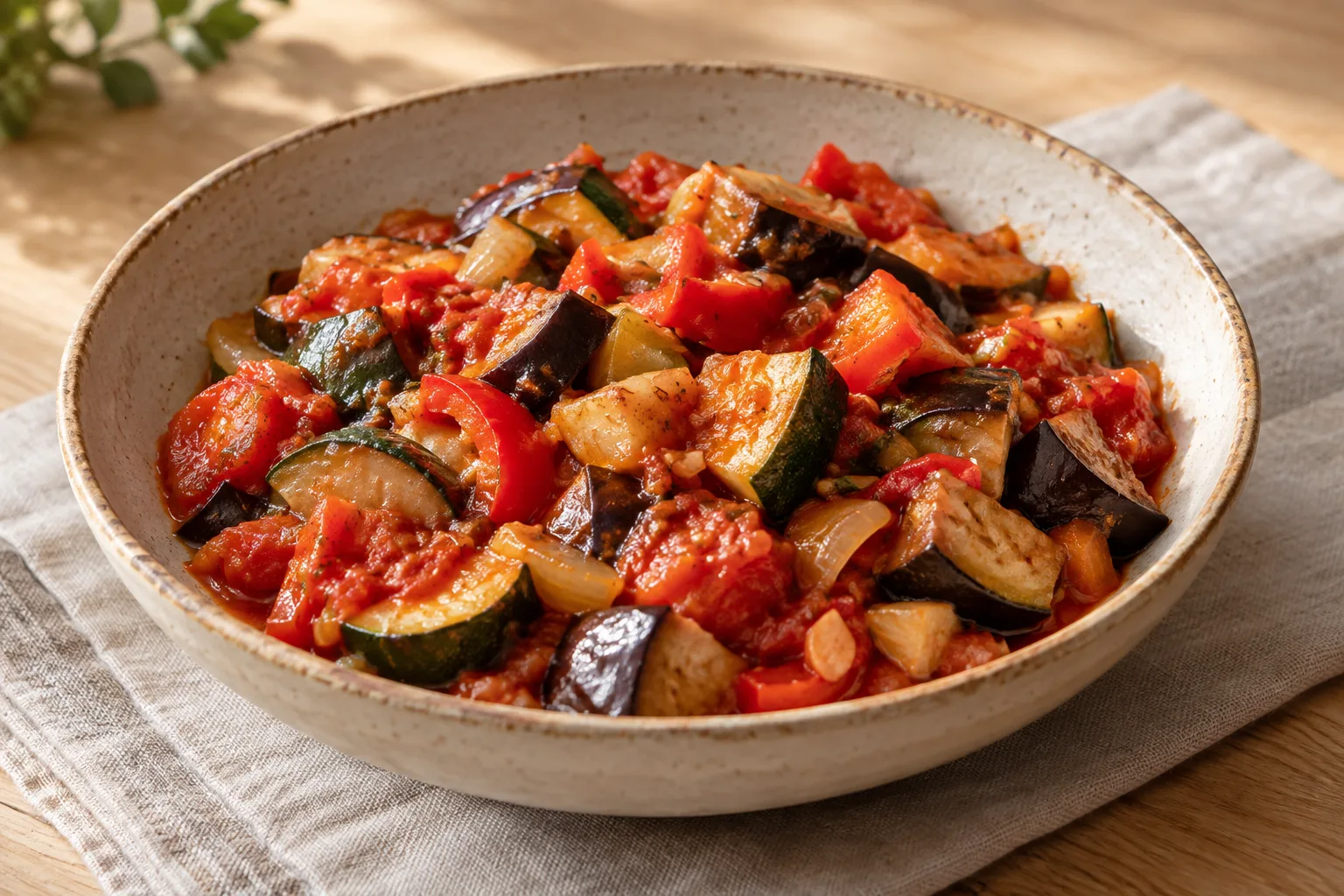
A Provençal stew of eggplant, zucchini, bell pepper, tomato, onion, and garlic, cooked separately and combined at the end. Serves 4; timings are approximate.
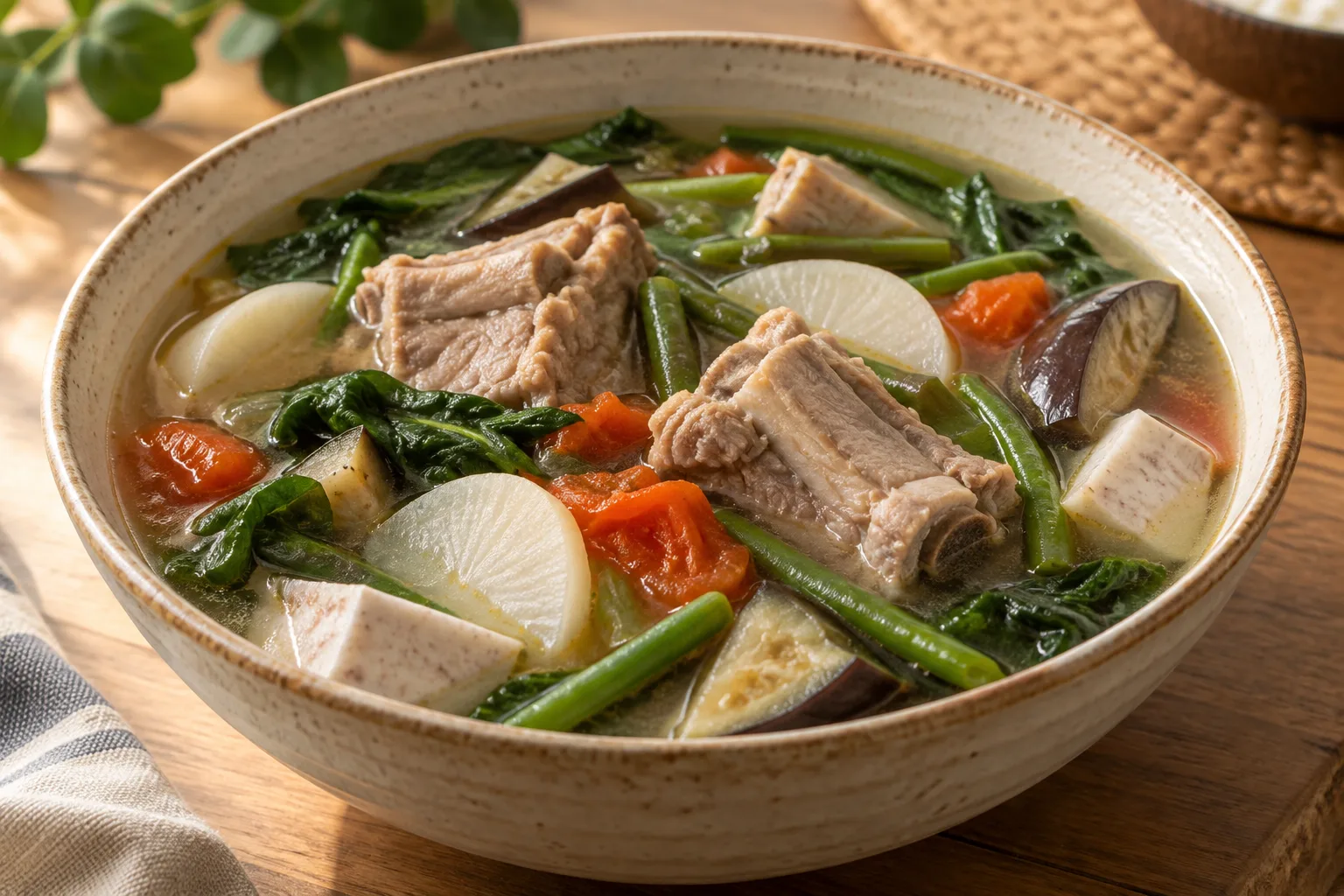
View recipeA sour Filipino soup with pork ribs, tamarind, and vegetables. Makes 6 servings; timings are estimates.
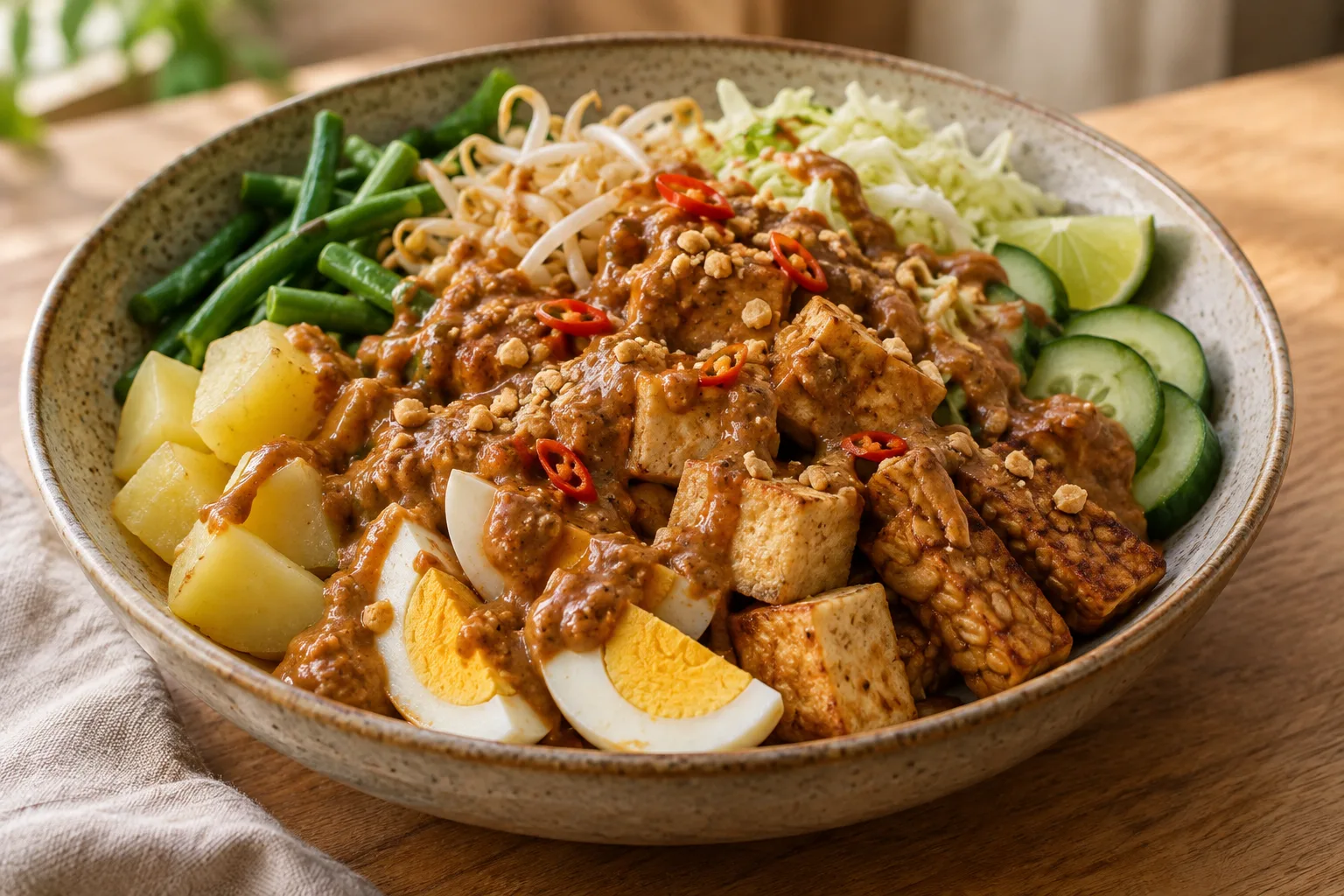
View recipeA warm Indonesian salad of vegetables, potatoes, egg, tofu and tempeh, served with peanut sauce. Serves 4; timings are approximate.
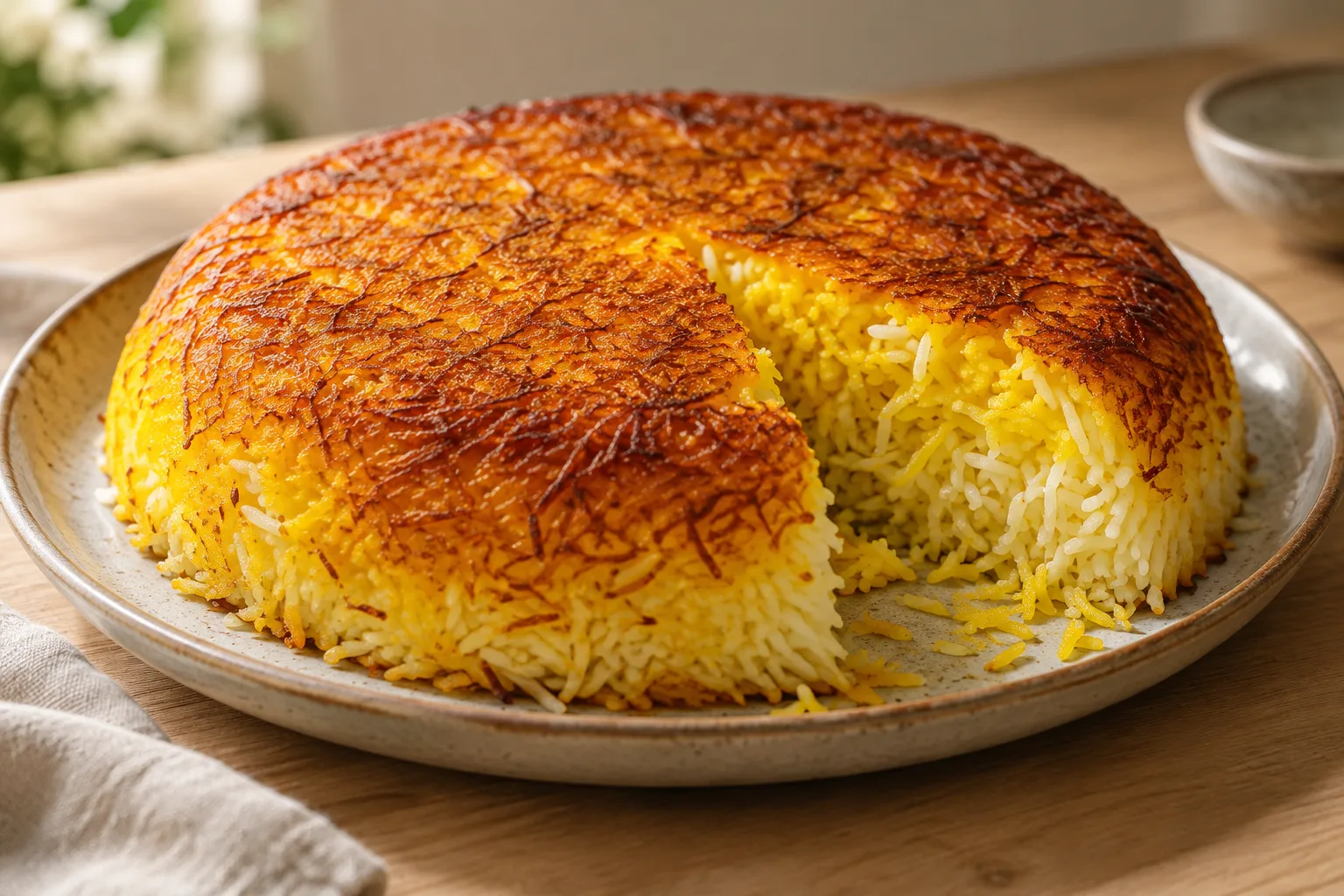
View recipeBasmati rice with a golden, crisp saffron-and-yogurt base. Makes about 4 servings; timings are approximate, and the initial cooking time may vary with the rice.
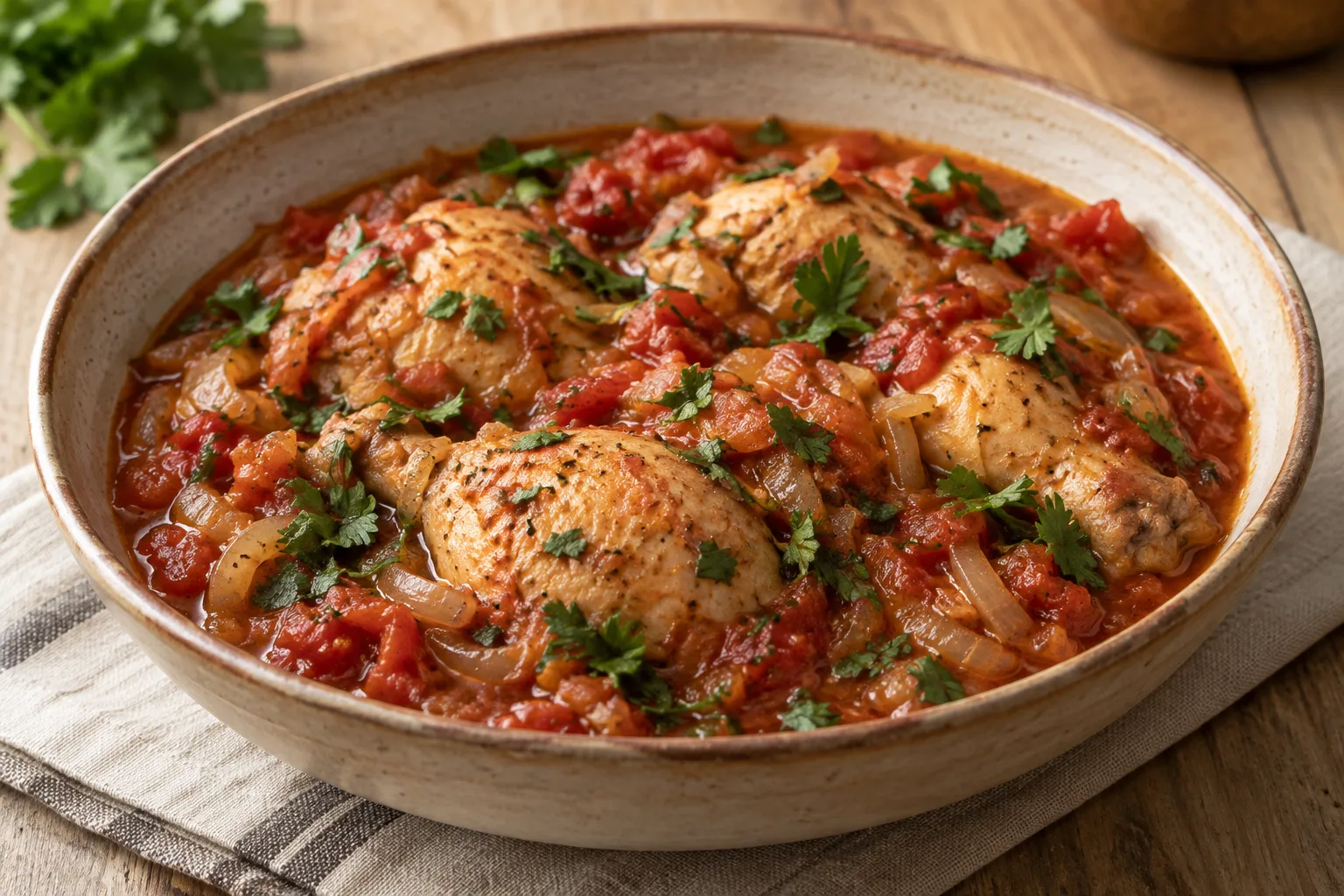
View recipeA Georgian chicken stew slowly cooked with onion, tomato, garlic, and coriander. Serving size and preparation time are estimates.
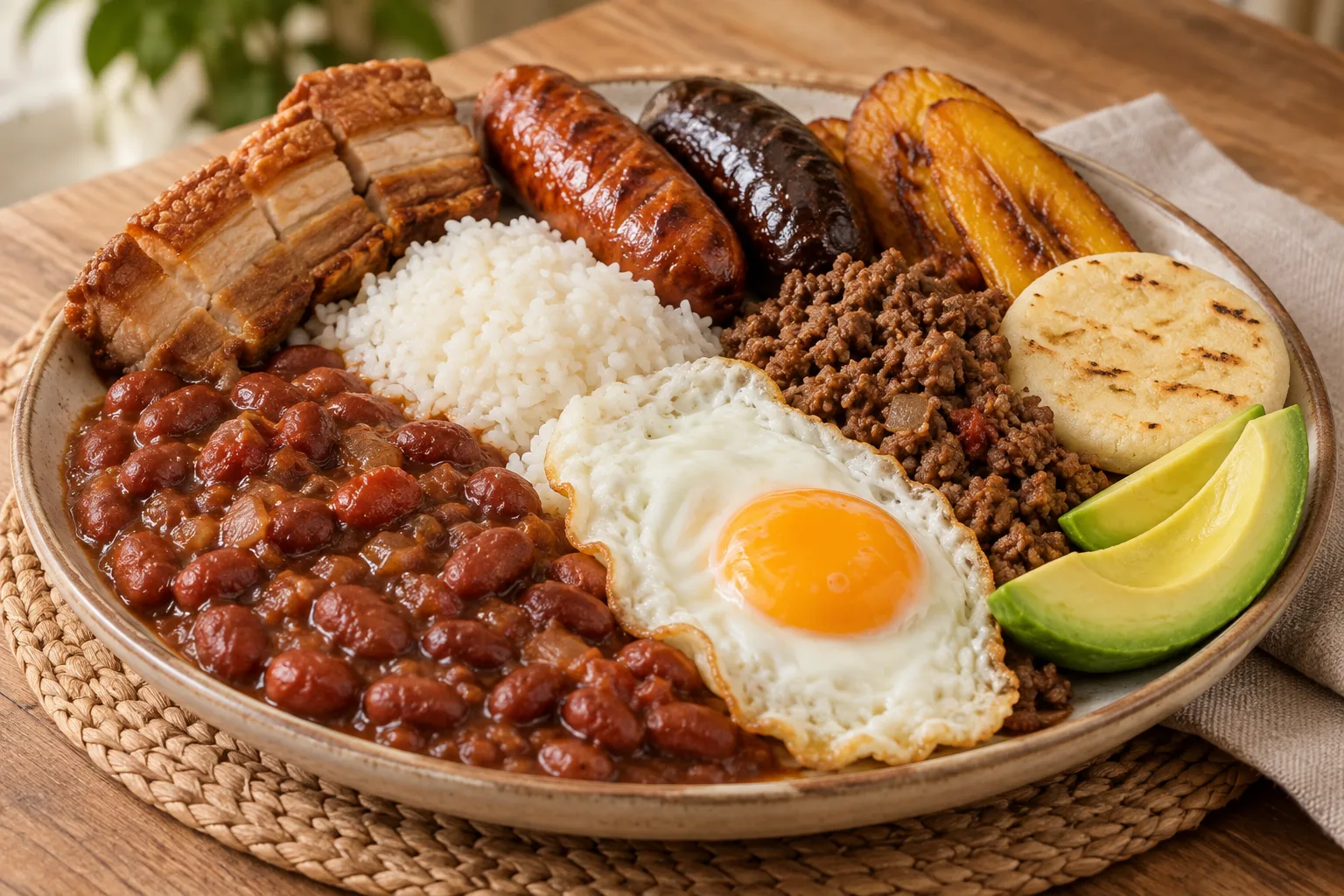
View recipeA generous platter of red beans, rice, ground beef, crispy pork belly, chorizo, blood sausage, egg, ripe plantain, arepa, and avocado. Serves 4; timings are approximate.
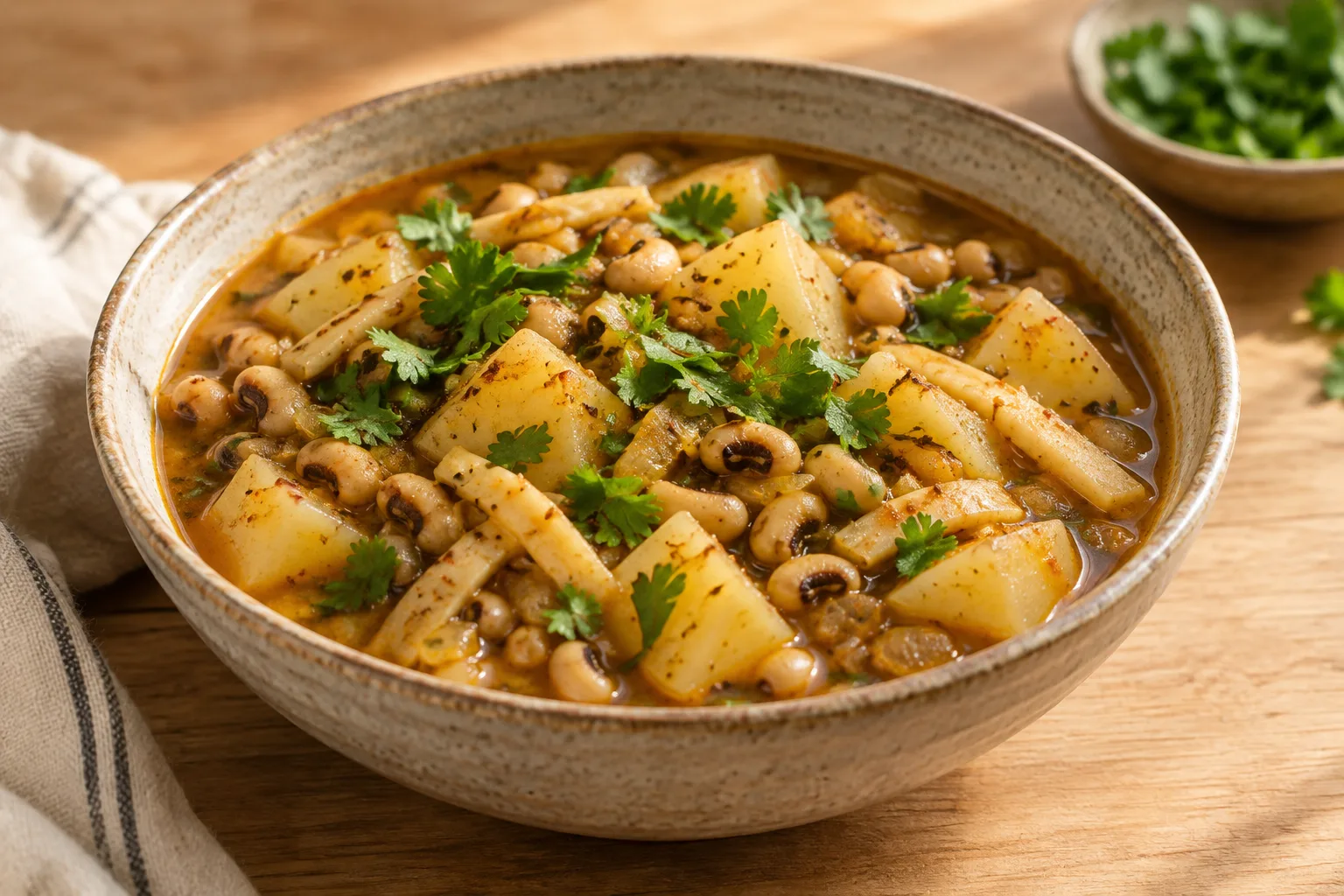
View recipeA Nepali stew of potatoes, bamboo shoots and black-eyed beans, seasoned with spices in a gently tangy broth.
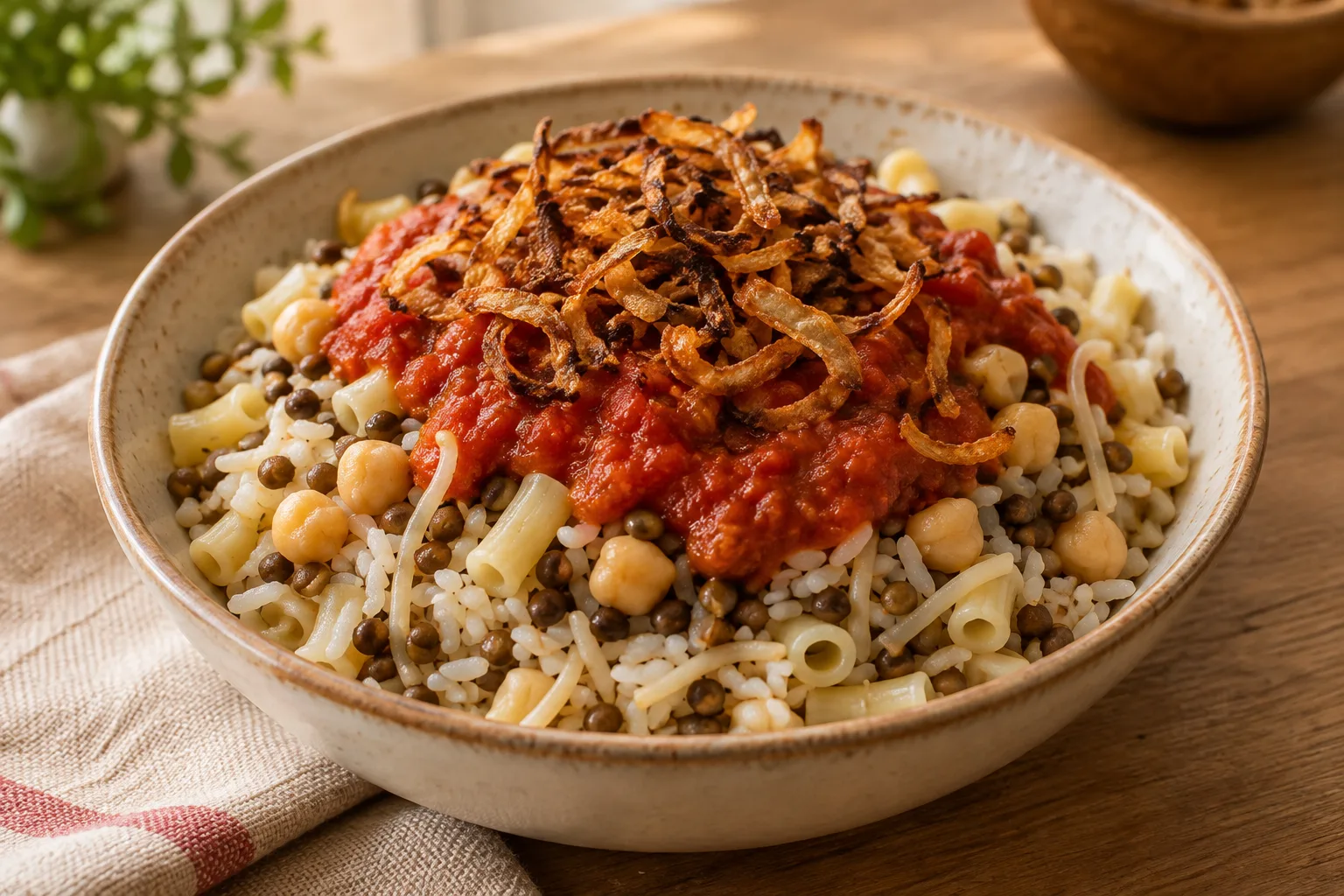
View recipeAn Egyptian dish of rice, lentils, chickpeas and pasta, served with spiced tomato sauce and fried onion. Makes 2 servings; times are approximate.
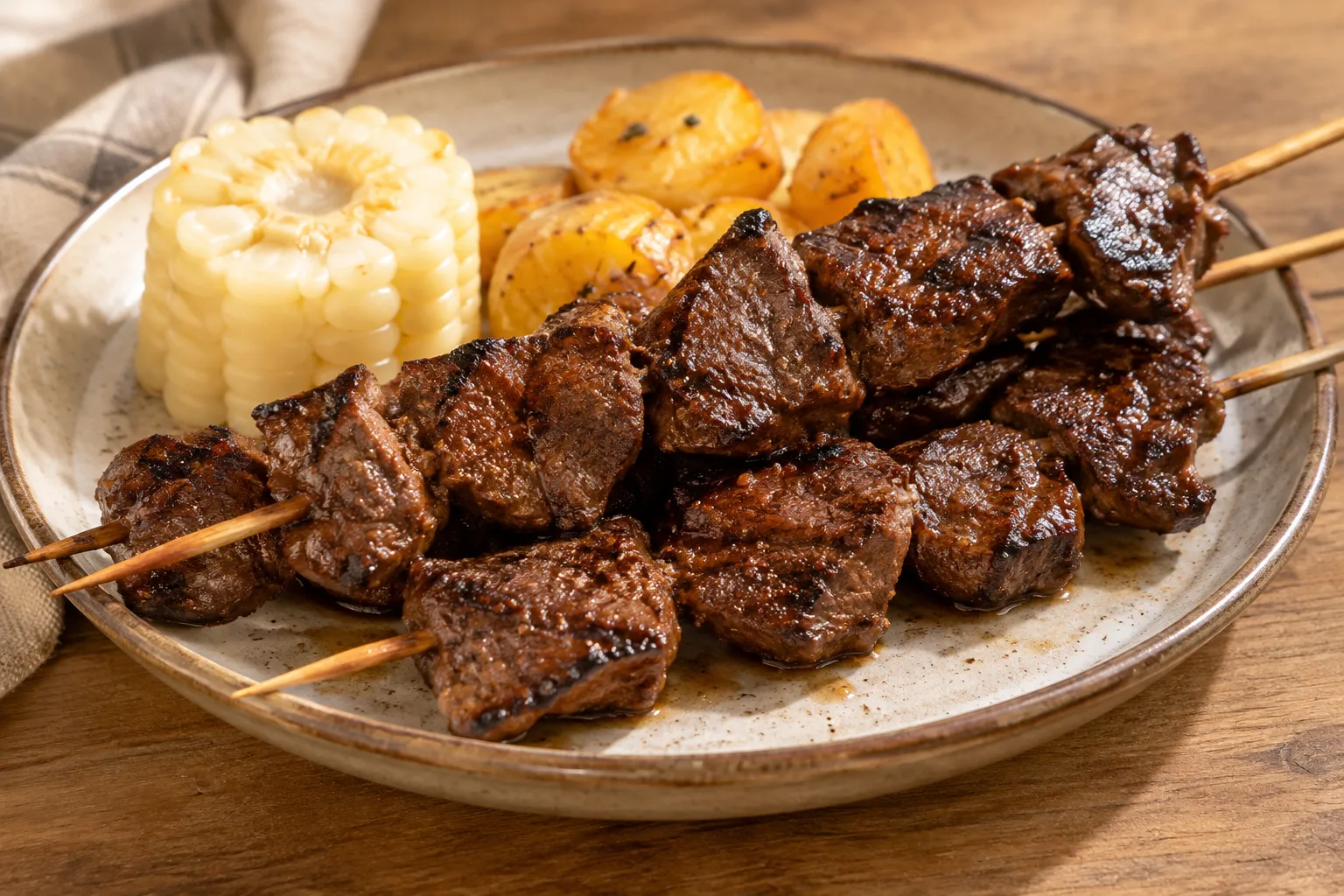
View recipeBeef heart skewers marinated with ají panca, garlic, vinegar, and spices, then grilled. Serves 4; estimated preparation time: 35 minutes, plus at least 12 hours of resting and about 10 minutes of cooking.
View recipe