Turkey: the Aegean, Anatolia and tables shaped by dough
Aegean vegetables, filled dough from Anatolia and Black Sea leaves offer routes through techniques, variants and shared preparations.
An editorial home built from real recipe additions, seasonality and our methodology.
Asparagus, peas, broad beans, artichokes and tender greens signal spring. Learn to read the seasonal calendar flexibly, choose vegetables in good condition and organize storage without treating seasonality as a rigid rule.
Available content that can be reviewed from the recipe collection.
Aegean vegetables, filled dough from Anatolia and Black Sea leaves offer routes through techniques, variants and shared preparations.
Tunis, Nabeul and Sfax offer routes through vegetables, peppers, fish, almonds and culinary transmission, with links to Tunisian recipes.
Thai food is not a single scale of heat or one fixed set of dishes. Riverine prawn soup, coconut-based curries, quick basil stir-fries, pounded papaya salads and sticky-rice sweets show how ingredients, textures and ways of serving vary across documented communities. This guide follows the central plains, the north and Isan, while distinguishing shared cooking ideas from local versions.
Explore Senegal’s Atlantic foodways through ceebu jën, the rice-and-fish preparation rooted in Saint-Louis fishing communities, alongside onion-rich yassa, millet sweets, and fish pastels. Rice, millet, peanuts, seafood, and seasonal vegetables take different forms across documented communities and occasions. The guide follows their ingredients, techniques, histories, and ways of sharing without reducing Senegal’s varied cooking to a single national dish.
Portugal’s foodways take shape across an Atlantic mainland and island territories, with local ingredients and preparations reflecting both place and exchange. Explore Alentejo’s bread-based açordas, Algarve seafood and its distinctive cataplana, and Porto’s modern francesinha, alongside the wider roles of salted cod, rice, olive oil, greens, and shared meals.
Māori knowledge, rēwena bread and seafood offer a route through territories and contemporary preparations in Aotearoa New Zealand.
Nepal’s foodways reflect a meeting of varied landscapes and communities, not a single uniform cuisine. Rice, lentils, vegetables, breads, noodles, and preserved greens appear in distinct combinations, from the familiar dal-bhat-tarkari meal to Newar and Thakali specialties and Tharu preparations in the Terai. Festival foods such as sel roti show how cooking, sharing, and regional variation connect everyday ingredients with communal occasions.
Nigeria’s food traditions are shaped by varied communities, ingredients, and ways of eating rather than by a single national menu. Explore northern grain dishes, Yoruba bean fritters and leafy soups, southeastern vegetable soups, pepper soup, and the techniques and occasions that bring these foods to the table.
Mozambican food takes shape across an Indian Ocean coastline and inland farming communities. Maize and cassava staples meet leafy stews, groundnuts, coconut, seafood, and chile; dishes and daily snacks also reflect long histories of trade and cultural exchange. Maputo’s morning badjias, Zambézia’s coconut-rich cooking, and the varied foodways of the coast offer distinct ways into a cuisine that is diverse rather than uniform.
Malaysia’s foodways span the peninsula and Borneo, shaped by Malay, Chinese, Indian and Indigenous traditions, migration and exchange. Rice, coconut, spice pastes, noodles and varied accompaniments appear in distinct regional forms. Nasi lemak offers a familiar point of entry, while Penang, Kelantan and Sarawak reveal different dishes, communities and culinary landscapes.
Explore Morocco’s varied foodways through couscous, soups, breads, preserved ingredients, and sweets. From Fez and Marrakech to the argan-growing southwest, regional examples illuminate everyday cooking and Ramadan customs without reducing a diverse culinary culture to a single menu.
Sri Lankan food draws on rice, coconut, seafood and aromatic seasonings, shaped by the island’s varied landscapes and its Sinhala, Tamil, Muslim, Burgher and other communities. Rice and curries can bring several preparations together, while hoppers, kiribath, sour fish and festive sweets show how ingredients become distinctive forms for everyday meals and special occasions.
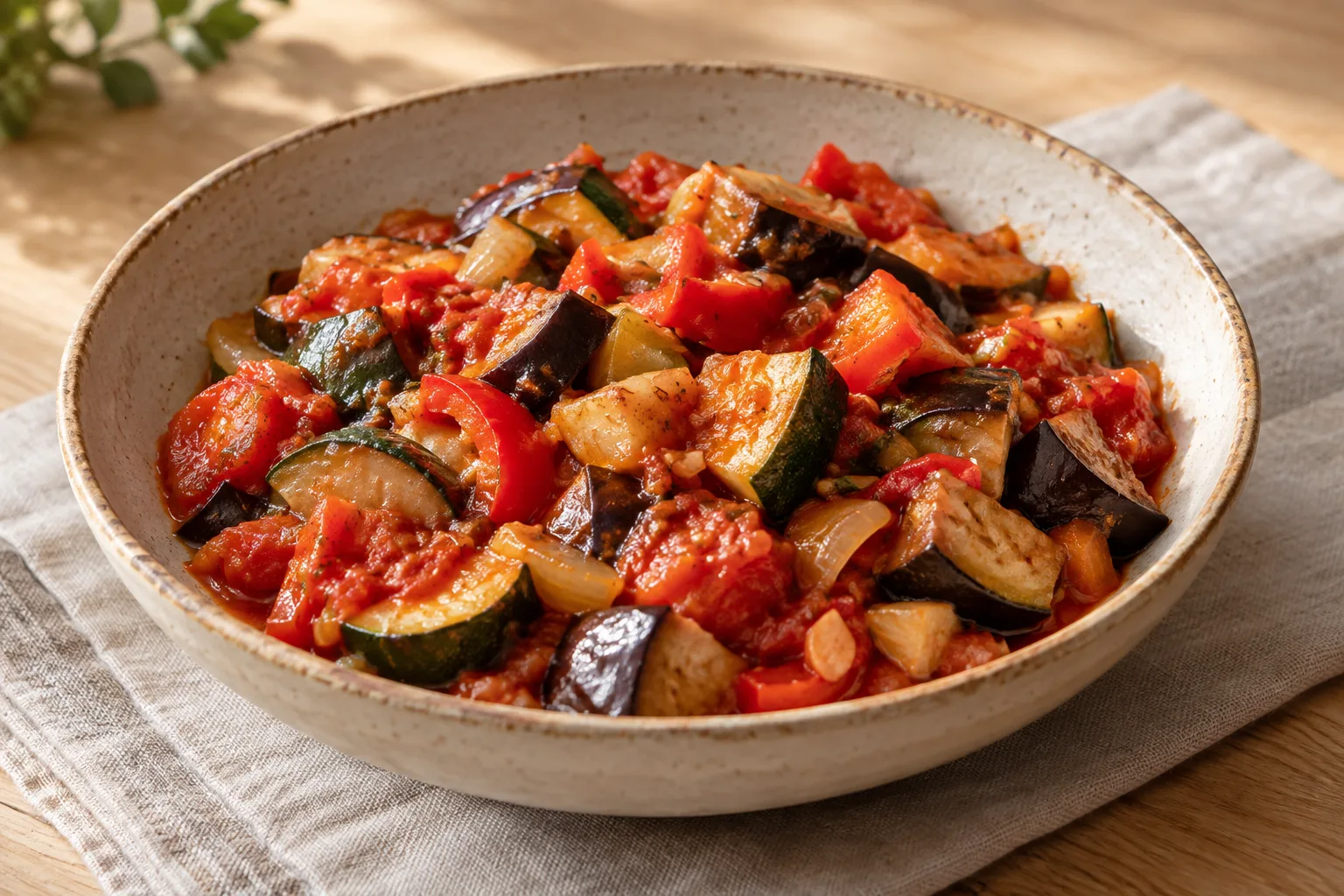
A Provençal stew of eggplant, zucchini, bell pepper, tomato, onion, and garlic, cooked separately and combined at the end. Serves 4; timings are approximate.
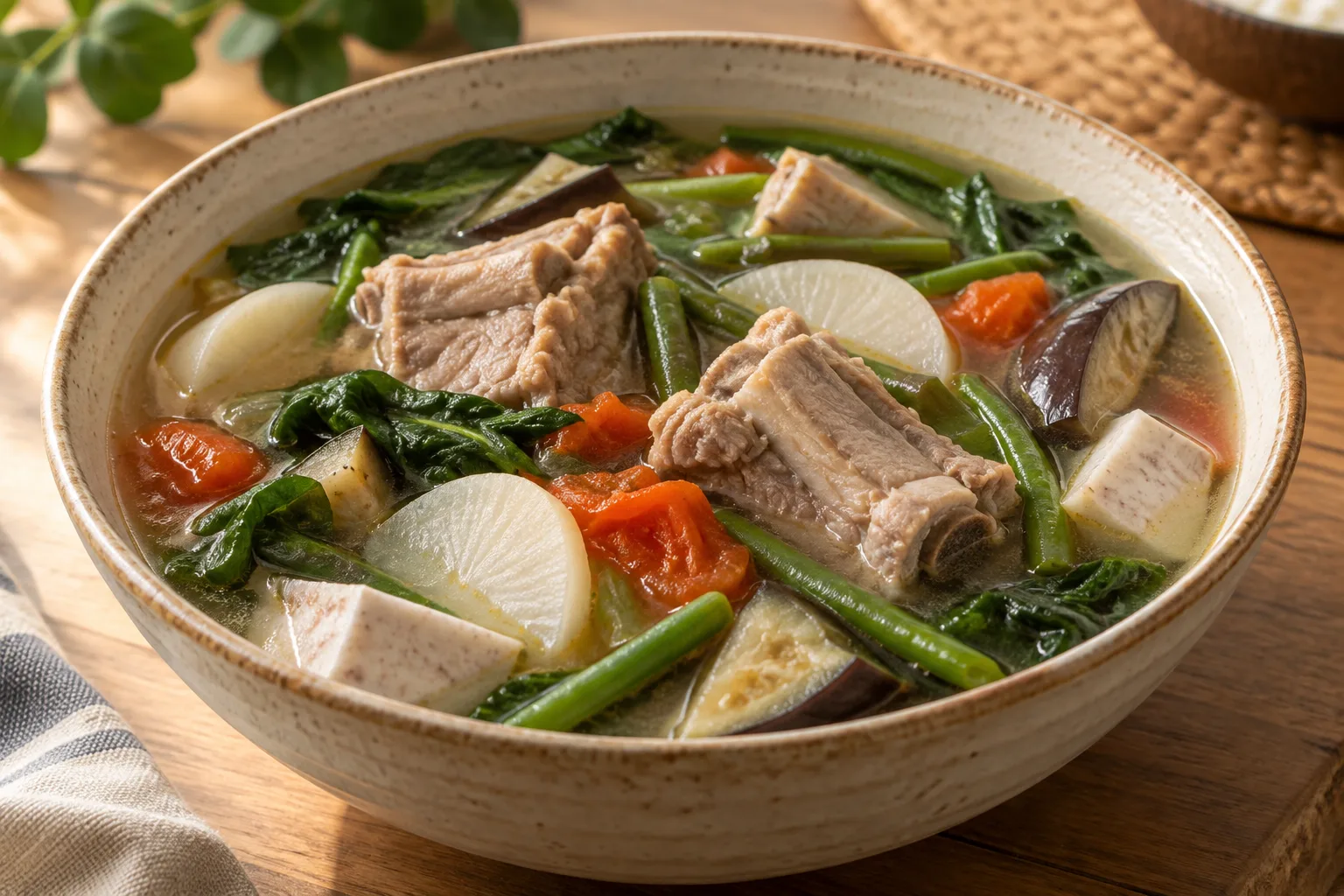
View recipeA sour Filipino soup with pork ribs, tamarind, and vegetables. Makes 6 servings; timings are estimates.
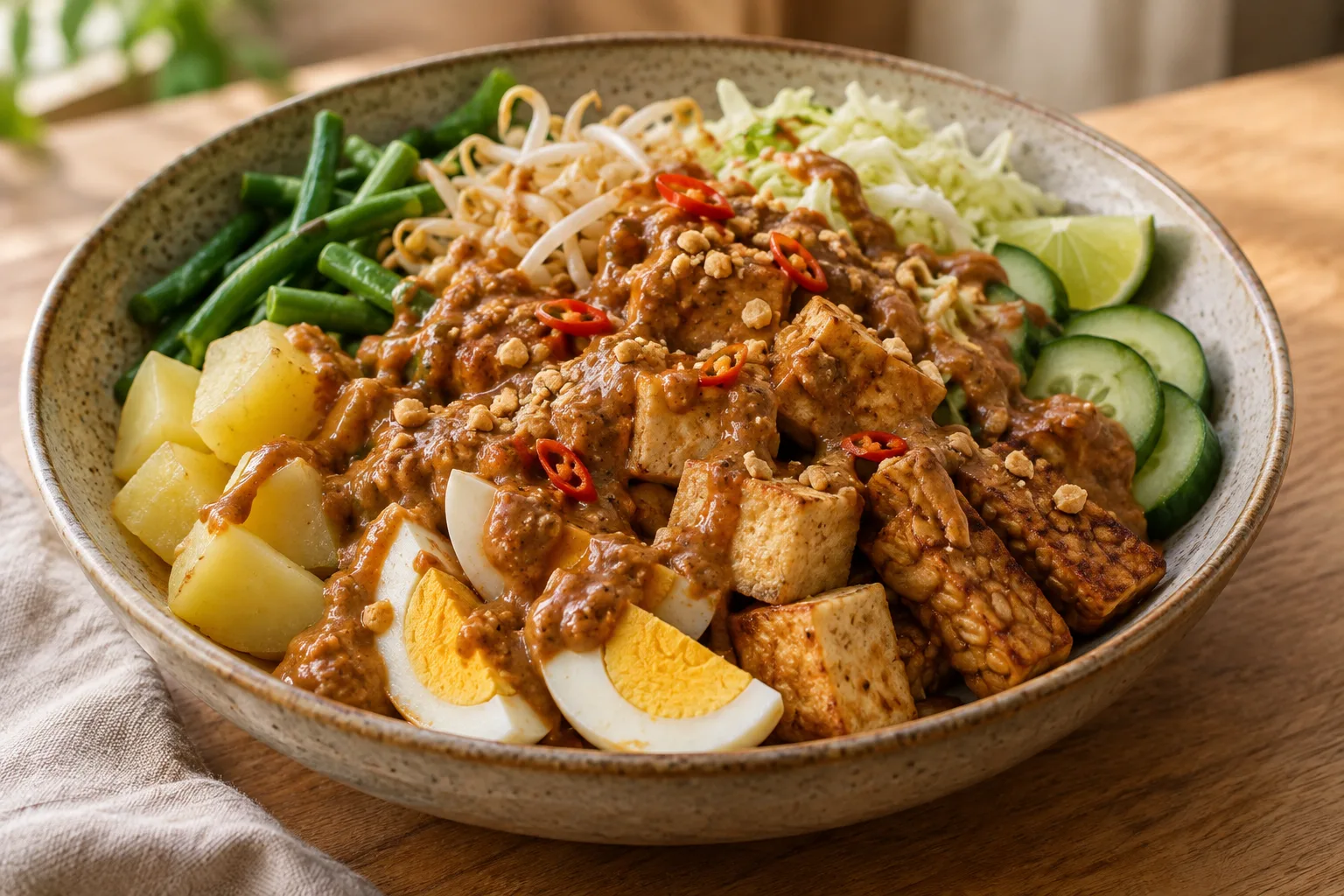
View recipeA warm Indonesian salad of vegetables, potatoes, egg, tofu and tempeh, served with peanut sauce. Serves 4; timings are approximate.
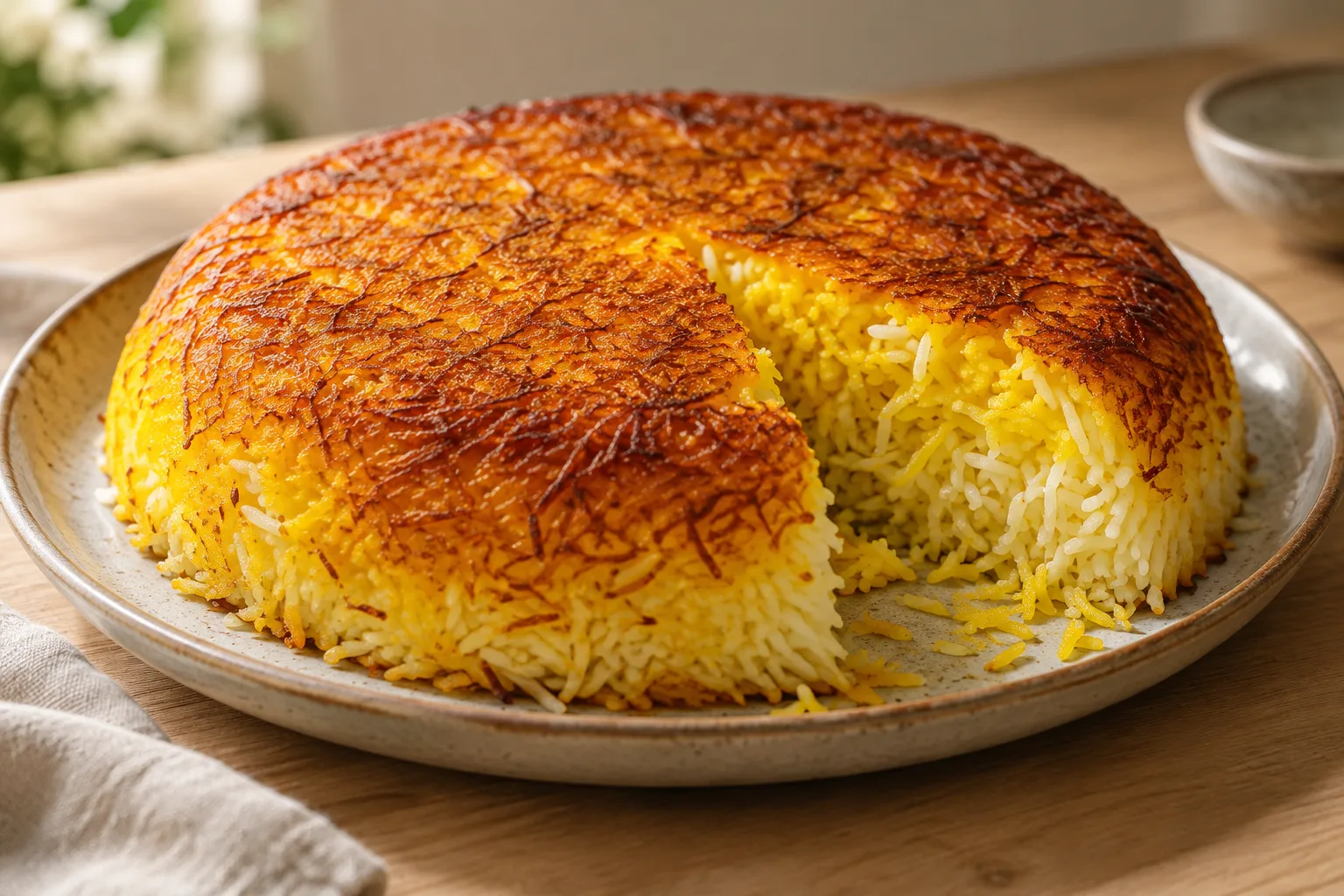
View recipeBasmati rice with a golden, crisp saffron-and-yogurt base. Makes about 4 servings; timings are approximate, and the initial cooking time may vary with the rice.
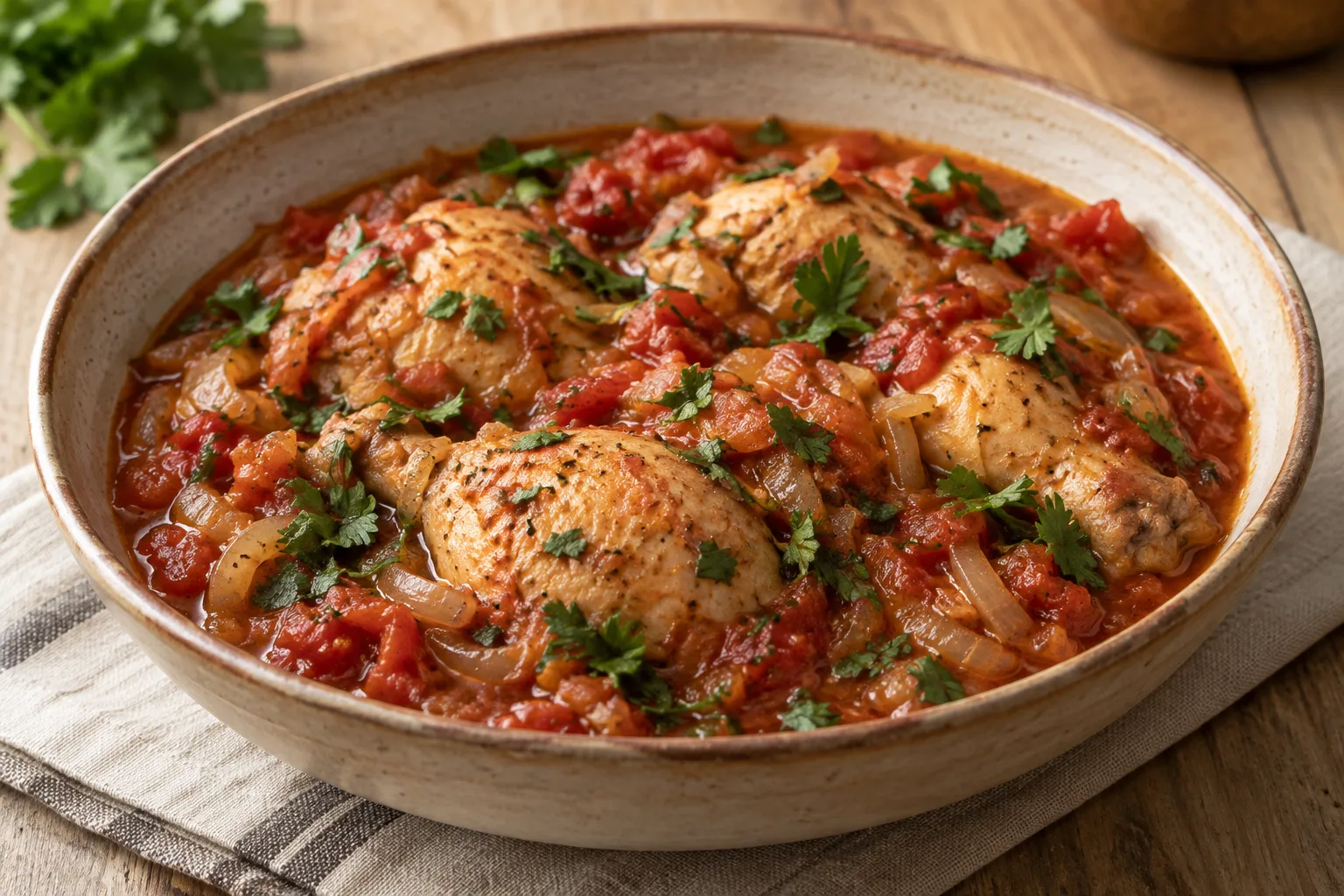
View recipeA Georgian chicken stew slowly cooked with onion, tomato, garlic, and coriander. Serving size and preparation time are estimates.
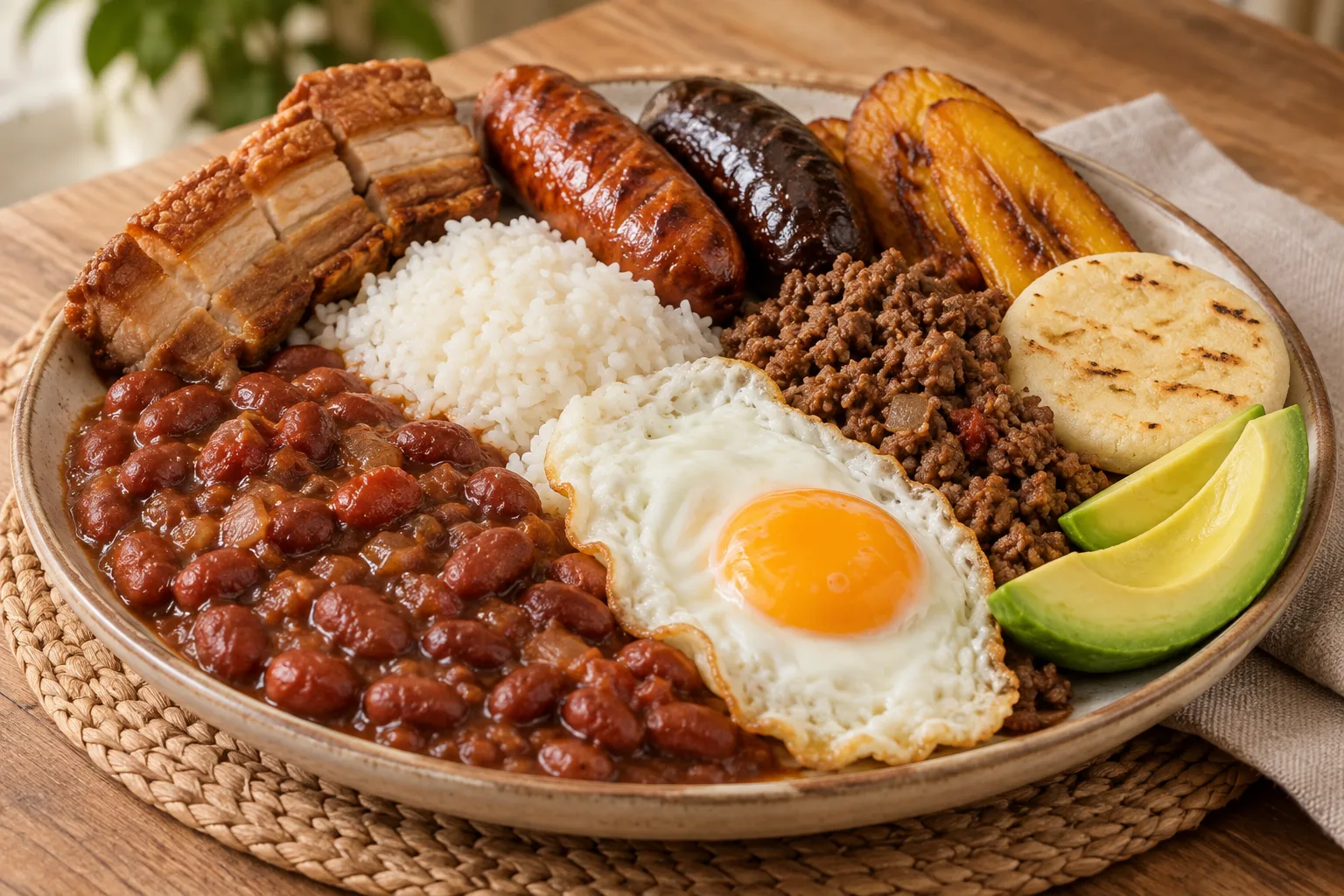
View recipeA generous platter of red beans, rice, ground beef, crispy pork belly, chorizo, blood sausage, egg, ripe plantain, arepa, and avocado. Serves 4; timings are approximate.
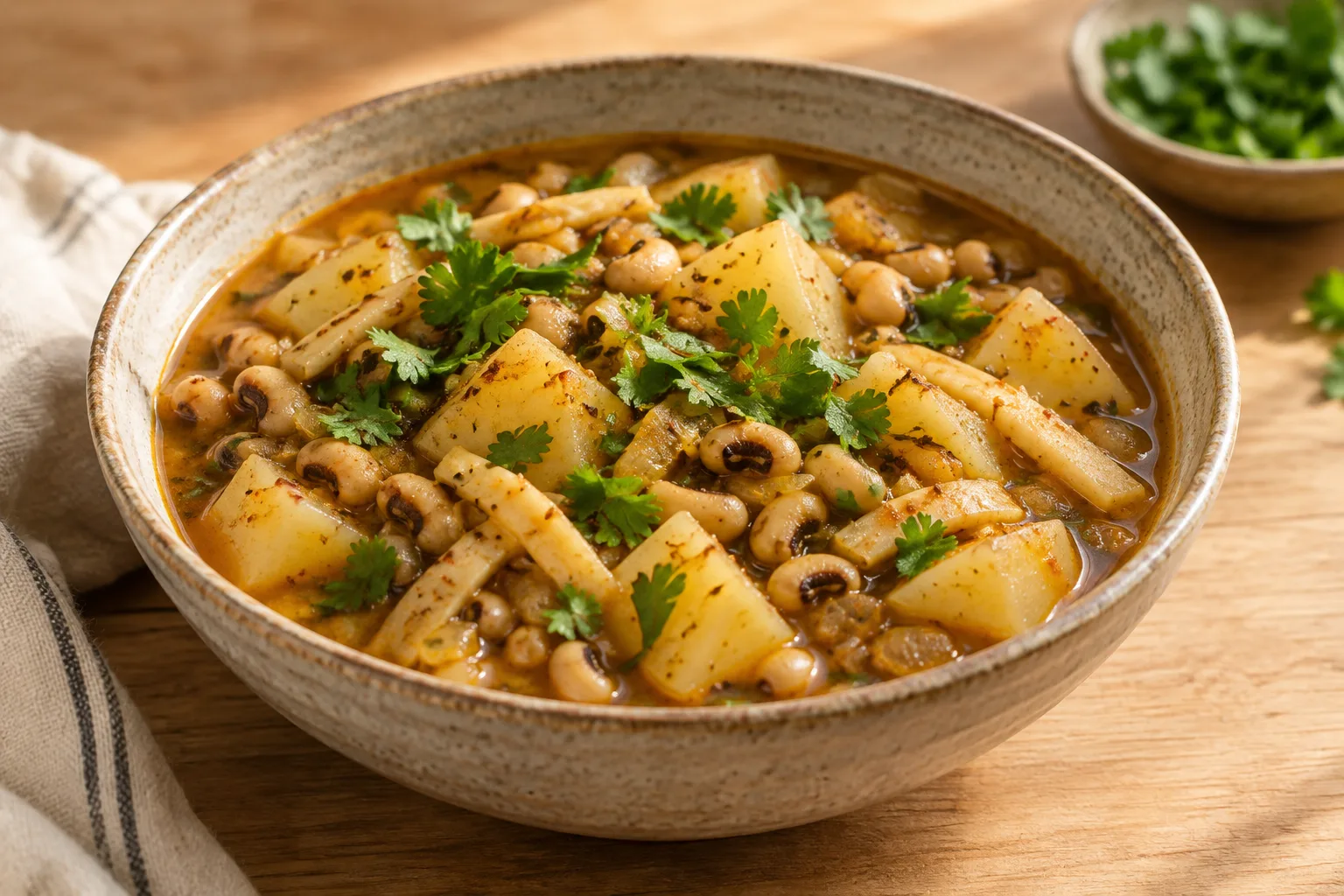
View recipeA Nepali stew of potatoes, bamboo shoots and black-eyed beans, seasoned with spices in a gently tangy broth.
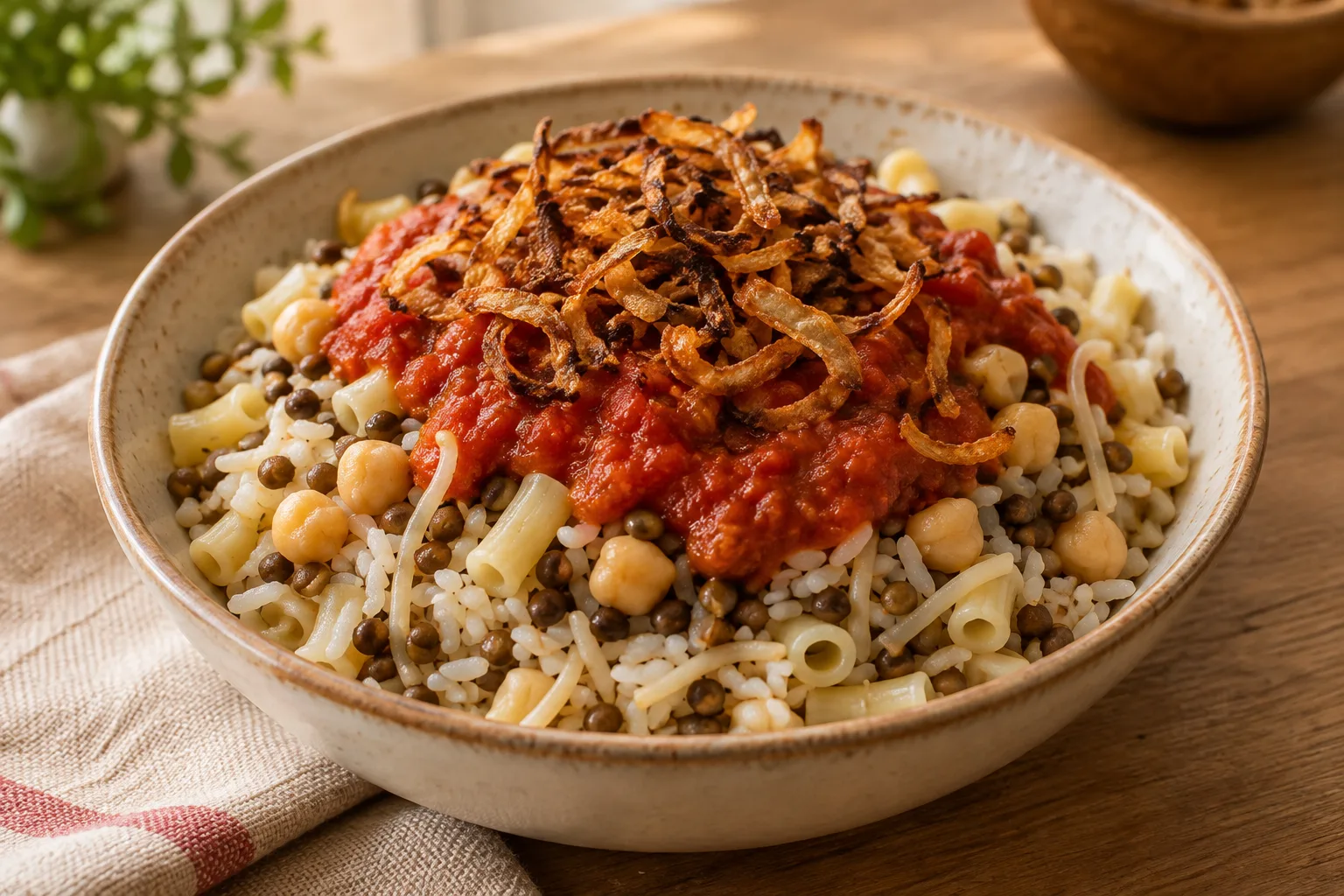
View recipeAn Egyptian dish of rice, lentils, chickpeas and pasta, served with spiced tomato sauce and fried onion. Makes 2 servings; times are approximate.
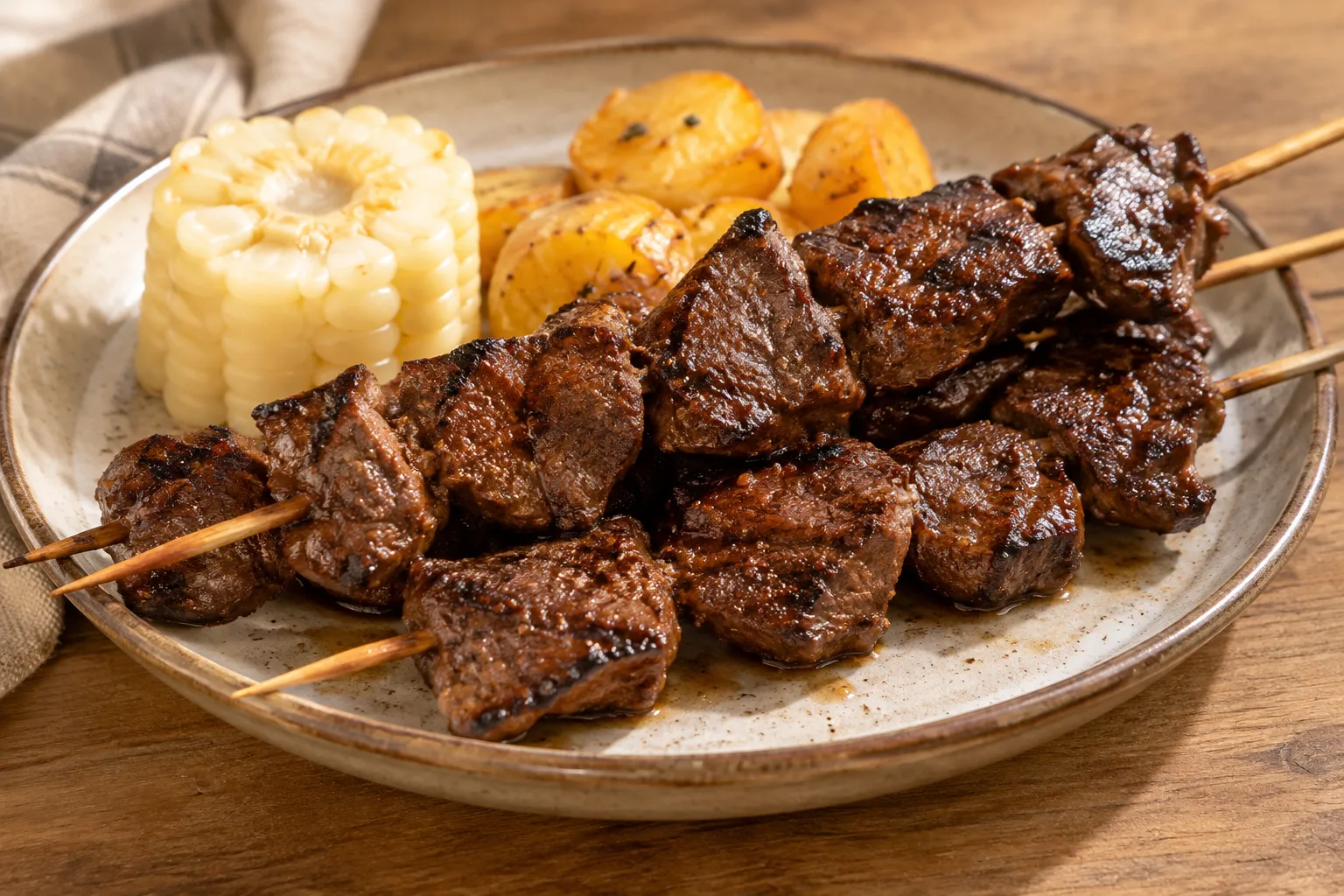
View recipeBeef heart skewers marinated with ají panca, garlic, vinegar, and spices, then grilled. Serves 4; estimated preparation time: 35 minutes, plus at least 12 hours of resting and about 10 minutes of cooking.
View recipe