Common mistakes when preparing powdered asafoetida—and how to avoid them
Powdered asafoetida is used sparingly and changes considerably as it cooks. Learn how to measure, add, and store it without letting it overwhelm a dish.
An editorial home built from real recipe additions, seasonality and our methodology.
Asparagus, peas, broad beans, artichokes and tender greens signal spring. Learn to read the seasonal calendar flexibly, choose vegetables in good condition and organize storage without treating seasonality as a rigid rule.
Available content that can be reviewed from the recipe collection.
Powdered asafoetida is used sparingly and changes considerably as it cooks. Learn how to measure, add, and store it without letting it overwhelm a dish.
A practical introduction to several Ghanaian dishes: how they are put together, what sets them apart, and how to choose or serve them.
Learn how to make light or dark beef stock and use it thoughtfully in soups, stews, sauces and rice dishes, adjusting its intensity and seasoning to the finished dish.
A useful tour of soups, stews, potato dishes, breads and desserts found on Irish menus, with clues to their ingredients and ways to choose thoughtfully.
A flexible way to see what you already have, decide what to cook, and use leftovers without locking the week into a rigid menu.
Learn to tell active dry yeast from instant yeast, protect it from moisture and heat, and use it in line with the recipe and package directions.
A practical guide to identifying culinary sumac, buying it thoughtfully, storing it without assuming a shelf life, and using its tart, fruity character in everyday dishes.
Choose a method for the result you want, cut pieces evenly, and learn to read how potatoes respond to water, steam, oil, and dry heat. Includes storage guidance and signs of deterioration.
A practical guide to deciding what to do with a partly used bunch: use some soon, freeze portions for cooking, or work them into everyday dishes—without treating a home-prepared mixture as a shelf-stable preserve.
Over-toasting, grinding too far ahead, or expecting black-pepper-like heat can obscure Sichuan pepper’s character. Use aroma and a few simple cues to prepare it without making the process complicated.
Plan five lunches around a short list of components that can be combined in different ways. Fit the plan to your schedule, use what you already have, and avoid preparing more food in advance than you can store safely.
Practical ways to transport, store and reheat takeout safely: what to monitor, when to refrigerate, and what to do if you do not know how long food has been sitting out.
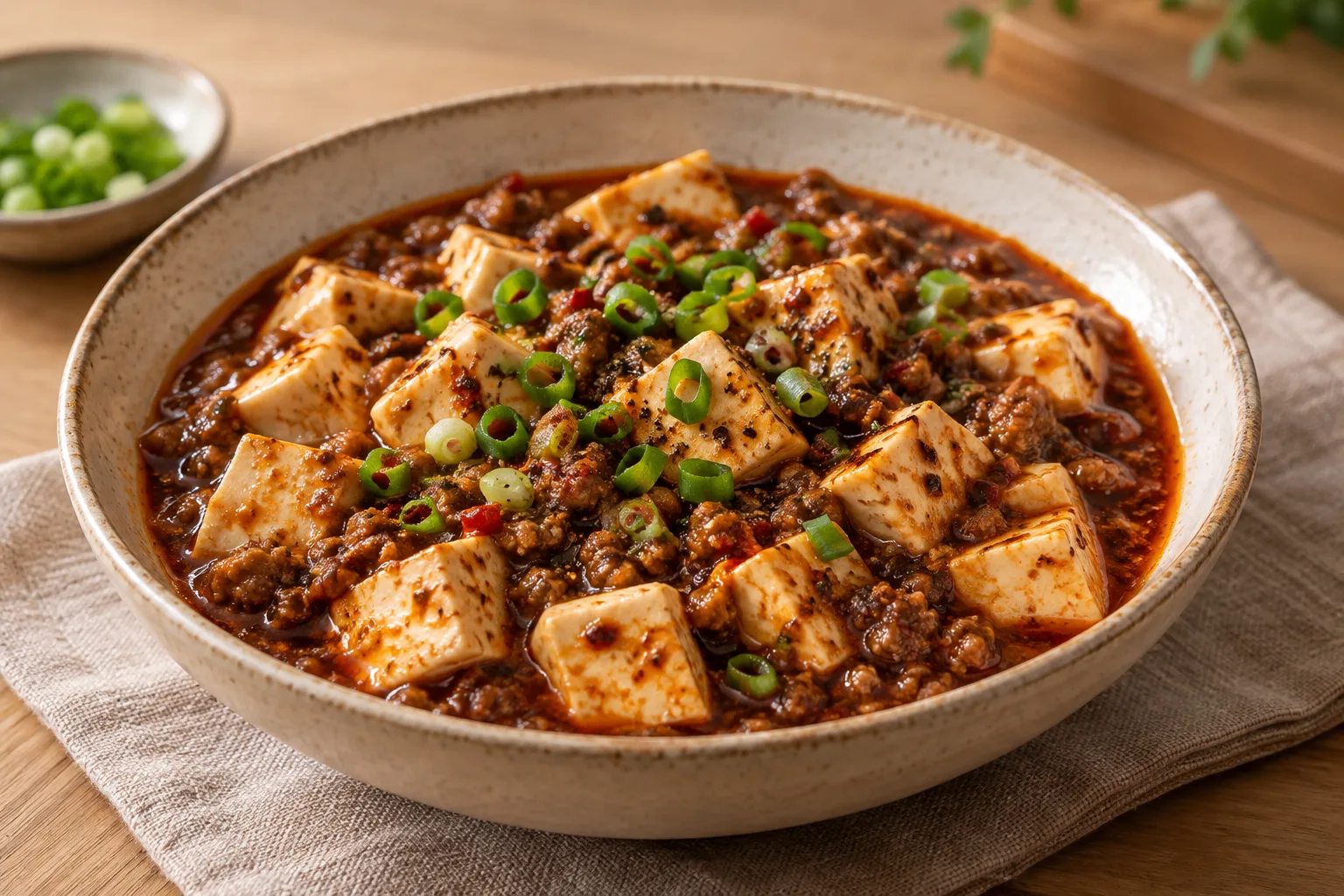
Tender tofu and minced pork in a savory sauce with doubanjiang, ginger, and Sichuan pepper. Serves 4; timings are estimates.
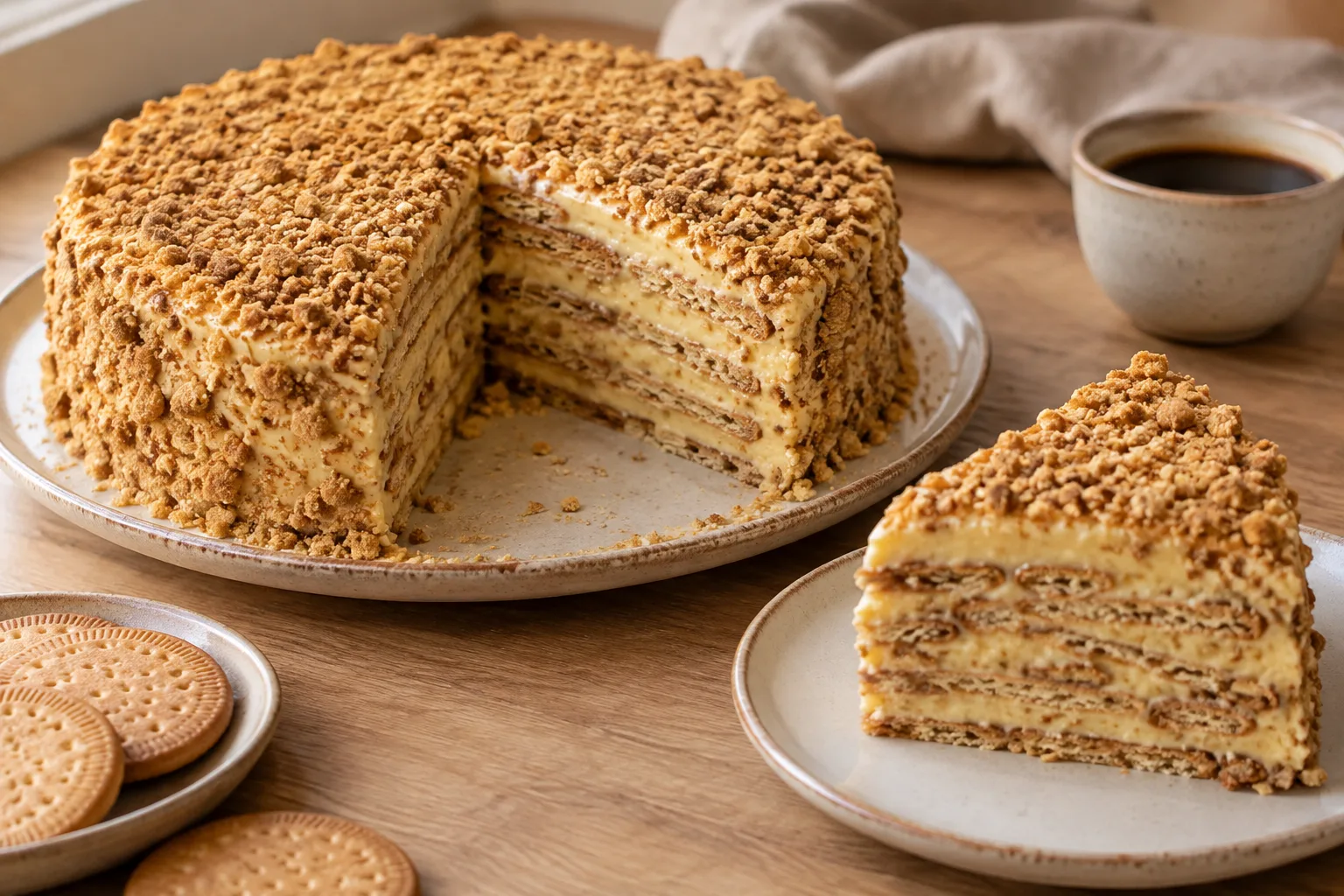
View recipeA no-bake Portuguese cake made with Maria biscuits dipped in coffee and layers of buttercream with egg yolks. Serves 6; allow about 30 minutes to prepare and 3 hours to chill.
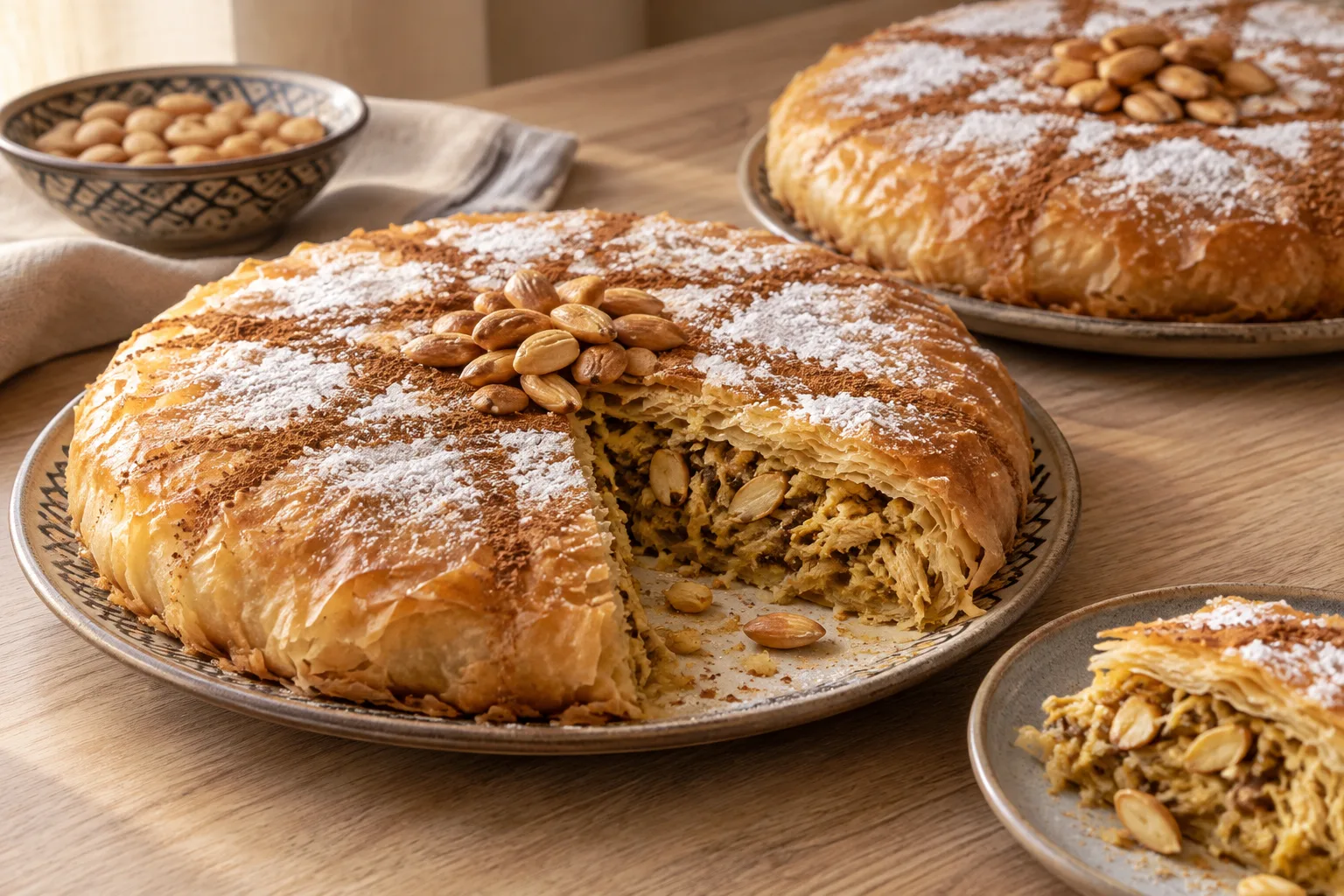
View recipeA crisp filo pastry pie filled with spiced chicken, onion and sweet almonds. Makes 2 pastillas for 8 people.
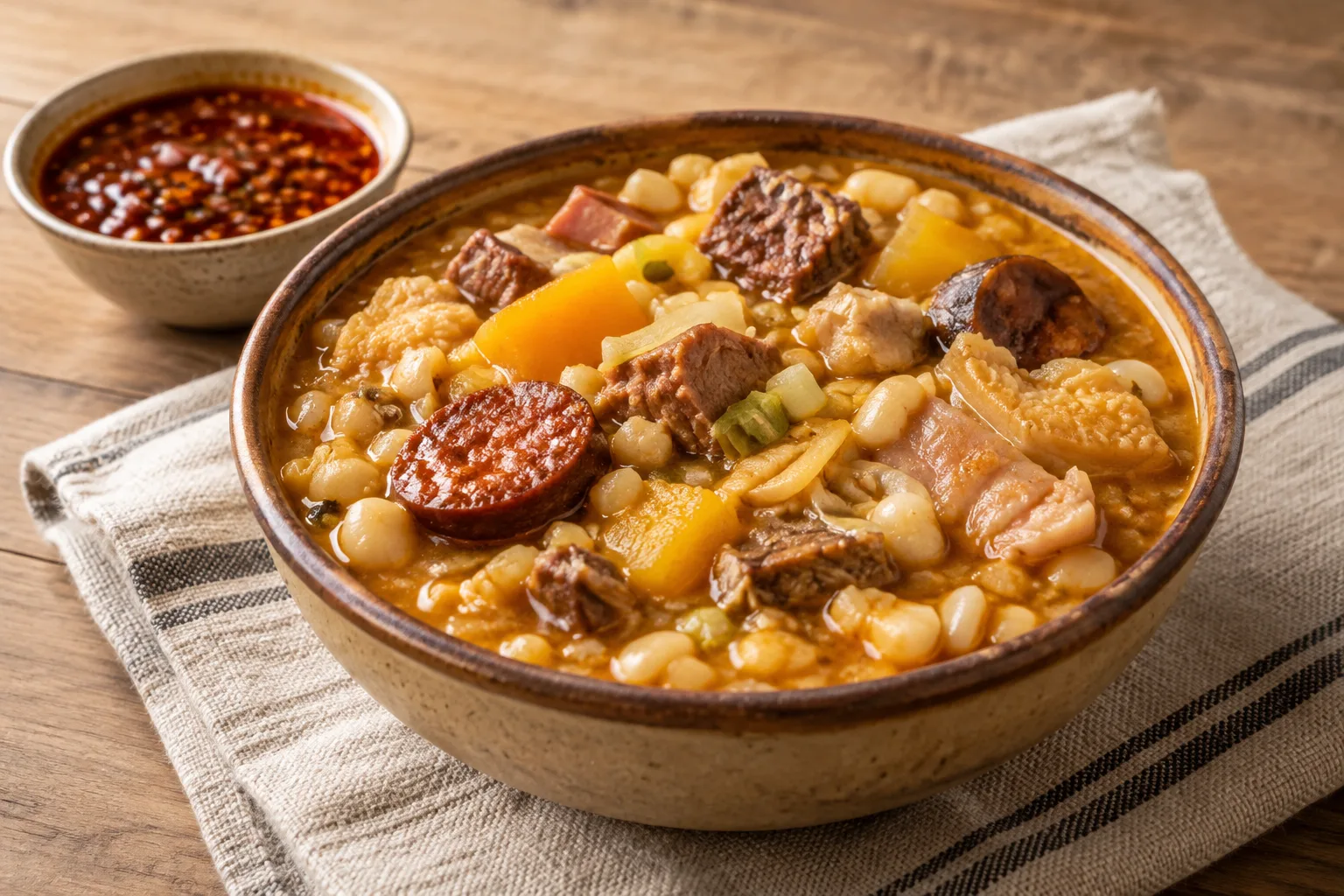
View recipeA thick Argentine stew of white corn, beans, squash and assorted meats, served with a red pepper sauce. Makes about 8 servings; hands-on time and yield are approximate.
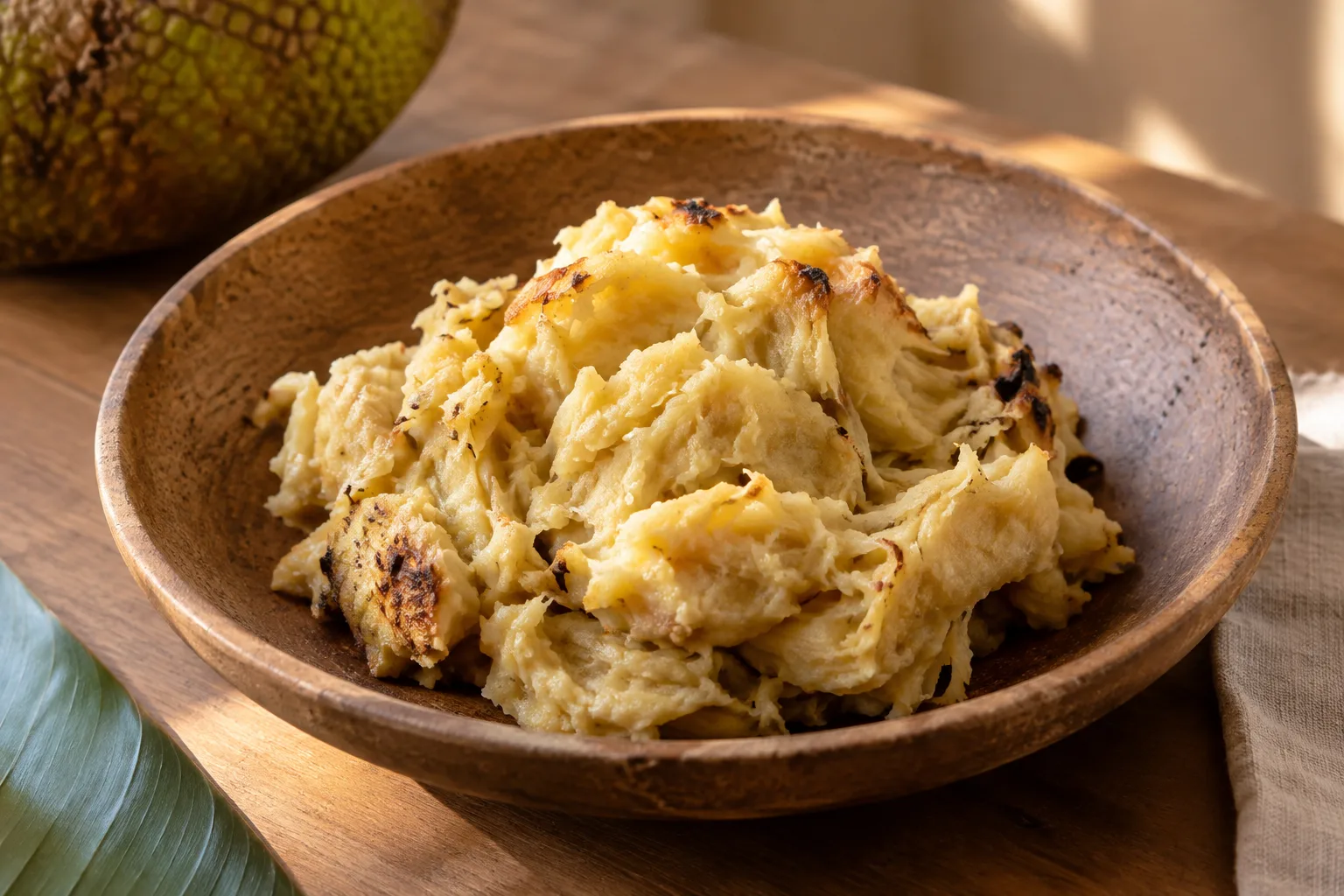
View recipeVery ripe breadfruit, roasted over an open fire and pounded. Hands-on preparation is estimated at 15 minutes; roasting is guided by a visible cue rather than a fixed time.
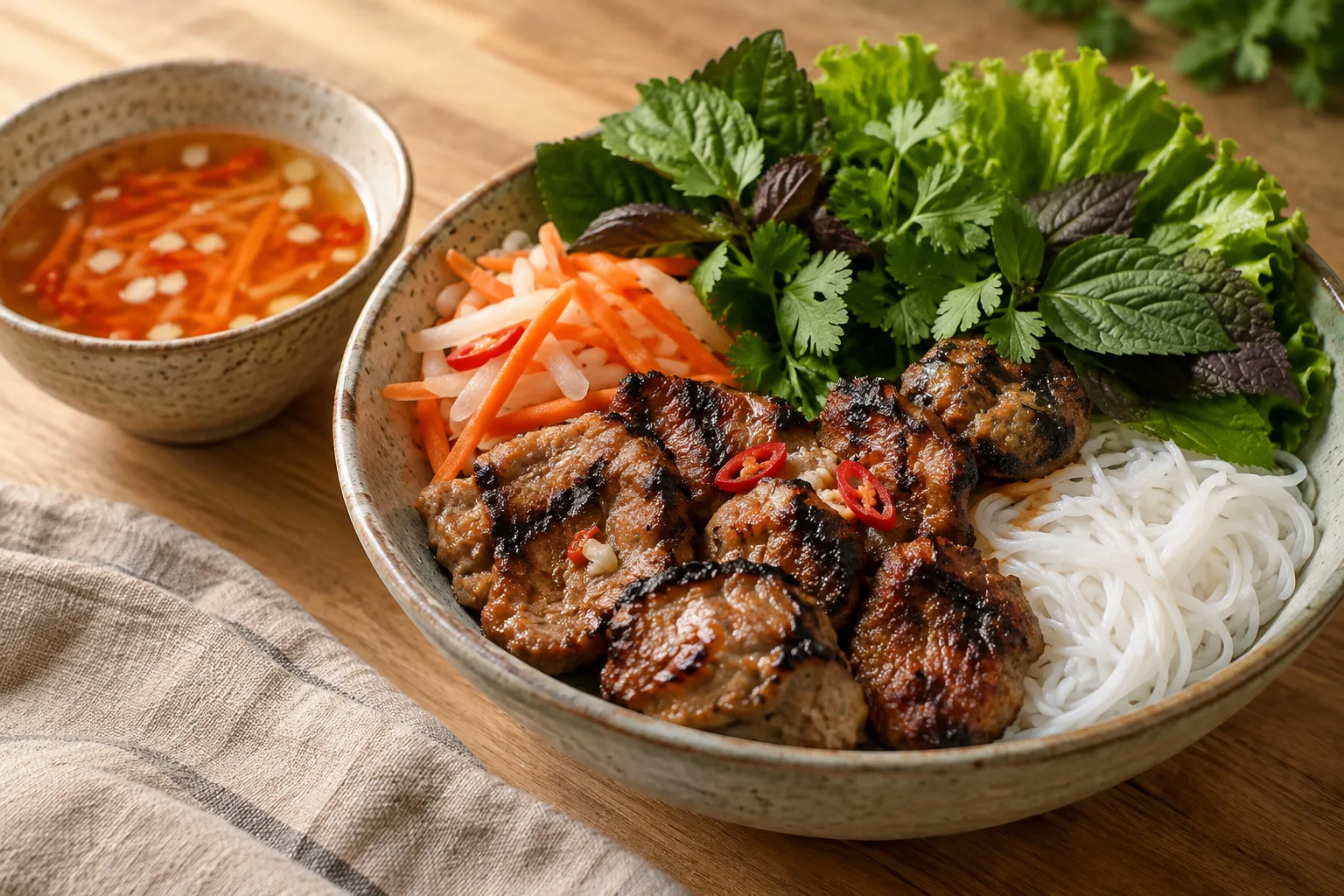
View recipeGrilled pork, rice noodles, pickled vegetables and fresh herbs, served with a sweet-and-sour fish sauce. Serves 4; times are approximate.
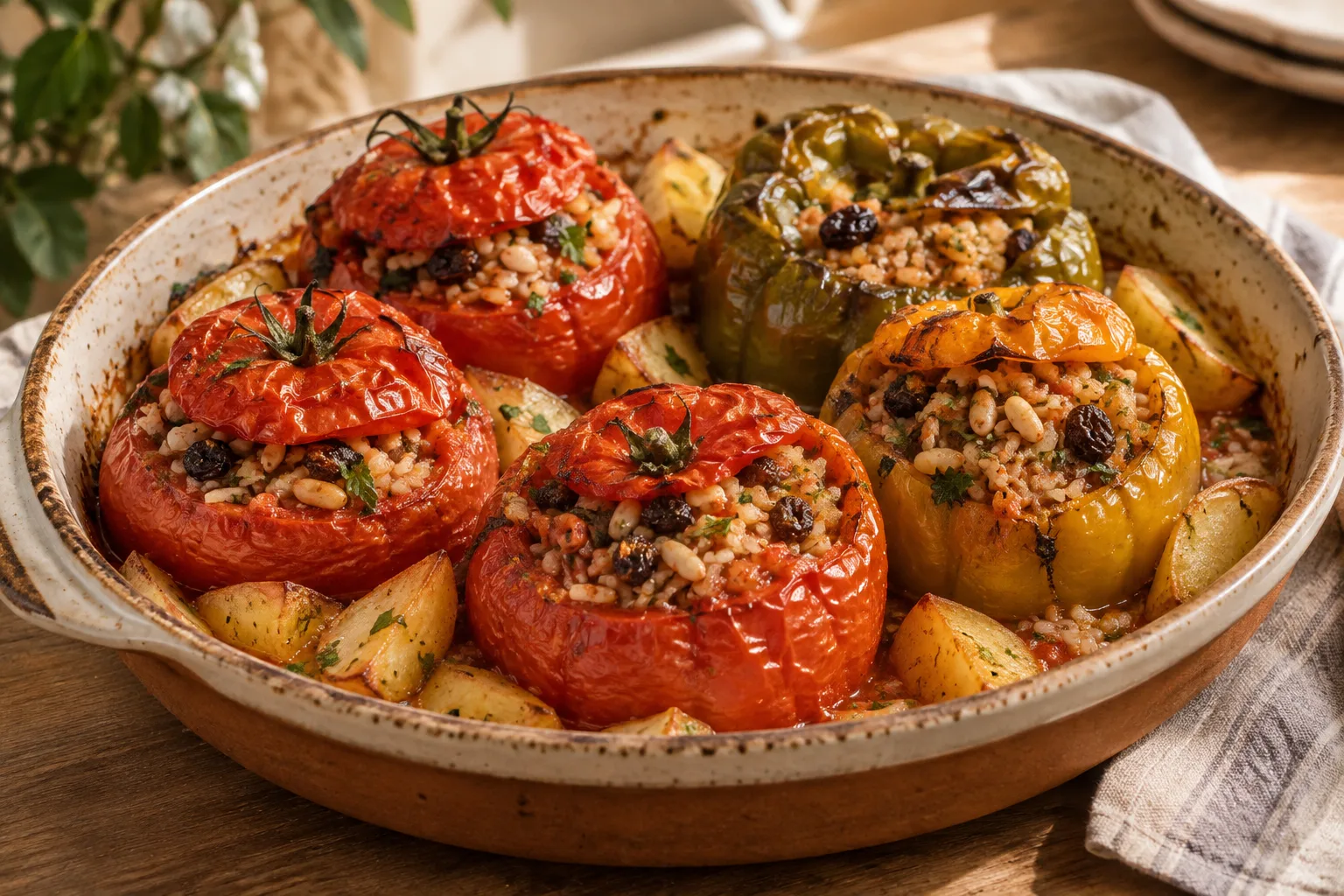
View recipeTomatoes and peppers filled with rice, herbs, pine nuts and raisins, baked with potatoes. Serves 4; estimated preparation: 30 minutes; oven time: 1 hour 30 minutes.
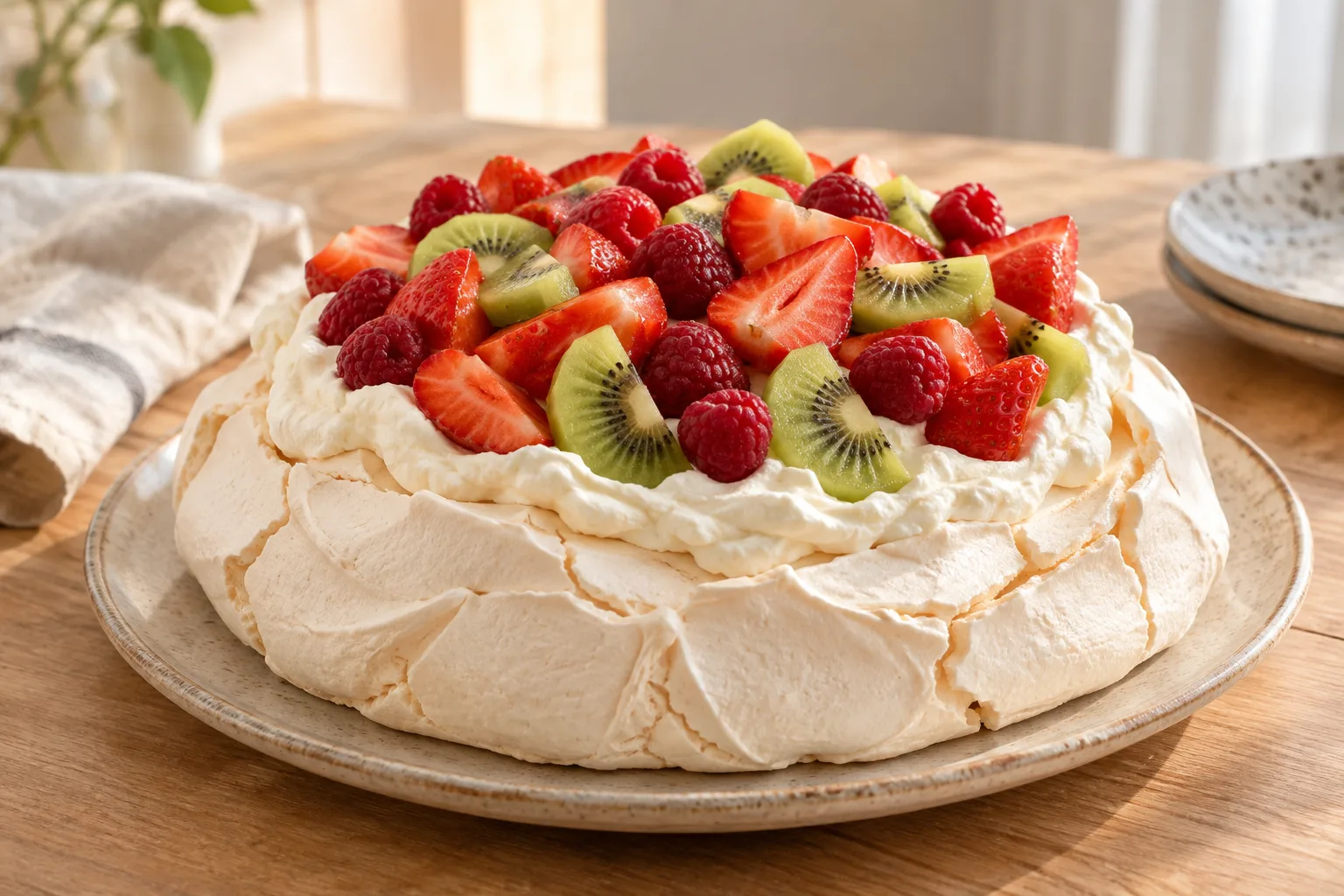
View recipeBaked meringue, crisp outside and tender inside, topped with whipped cream, strawberries, raspberries, and kiwi.
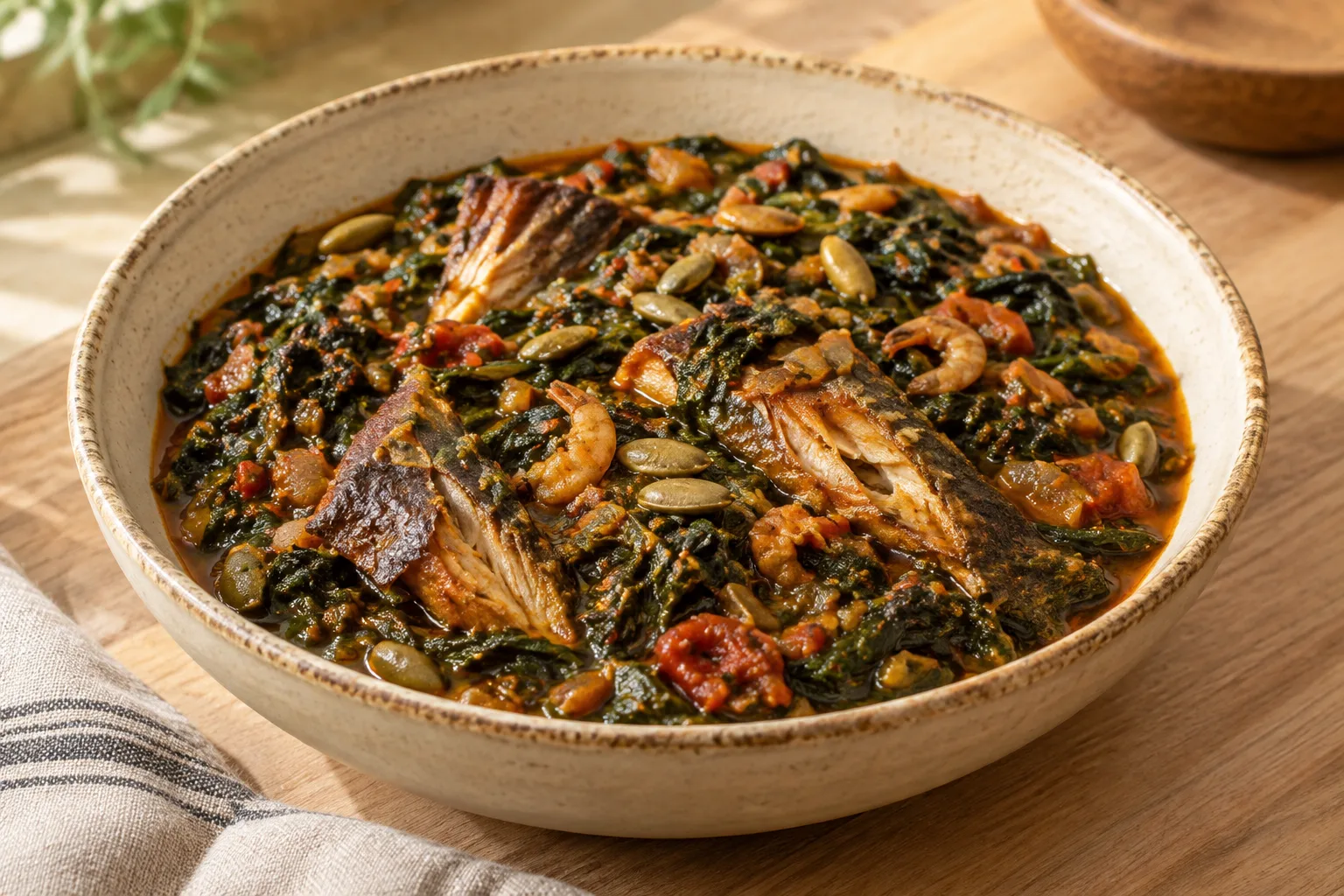
View recipeA thick stew of cocoyam leaves with tomato, red palm oil, smoked fish and pumpkin seeds. Makes 4 servings; approximate preparation time: 25 minutes, cooking time: 50 minutes.
View recipe