
Technique
Observable Signs for a Better Gratin
Gratinating is judged at the surface, but browning does not prove the centre is cooked. Learn how to spread the topping, watch the heat and recognize when to stop.
An editorial home built from real recipe additions, seasonality and our methodology.

Choose herbs for the food you plan to cook and for what is abundant where you shop, rather than following a universal calendar. Learn how to store tender and sturdy-stemmed herbs, and how to use surplus by freezing or drying it.
Available content that can be reviewed from the recipe collection.
Gratinating is judged at the surface, but browning does not prove the centre is cooked. Learn how to spread the topping, watch the heat and recognize when to stop.

Choose the unit the recipe calls for, prepare the right tool, and measure consistently. A practical guide to weighing ingredients, measuring dry goods, and reading liquids without relying on questionable conversions.

Temperature does more than cook: it affects heat transfer, ingredient transformations and how we perceive a dish. Learn what to observe and how to use those effects thoughtfully.

A practical guide to choosing fresh mushrooms, cleaning them simply, and making the most of their texture and flavour with a sauté, griddle, oven, or everyday dish.

A tray affects how heat reaches food and whether it is supported, contained, or more exposed to airflow. Learn when to choose a flat tray, a perforated tray, a rack, or a dish, and how to think about oven position.

Soups, stews, potages and purées share a way of being served, not a single origin. Looking at them through place, ingredients and the stories of the people who cook them reveals more about what each dish means.

A large leek deserves attention from the moment you buy it to the point at which it is cooked. Learn how to assess freshness, wash soil from between the layers, make use of the green tops, and preserve the texture you want.

A separated mixture is not always ruined: it may be a vinaigrette that splits after resting or an emulsion that has lost its structure. Learn to read the signs, review the process, and choose a cautious correction for the preparation at hand.

Blanching briefly heats food and then cools it. Knowing what changes—and why there is no one-size-fits-all timing—helps you choose the right method, especially when preparing vegetables for the freezer.

Learn to interpret a recipe’s sections, quantities, timing and vocabulary before you begin. Reading carefully and preparing in an orderly way can make each step easier to follow.

Tasting during cooking is not about adding seasonings at random. It means noticing, identifying a need, and changing one thing at a time—a simple routine that helps you learn from each dish.

A flexible guide to turning half an onion into the start of soup, a frittata, or a quick sauté, with the cut and cooking approach matched to the dish.
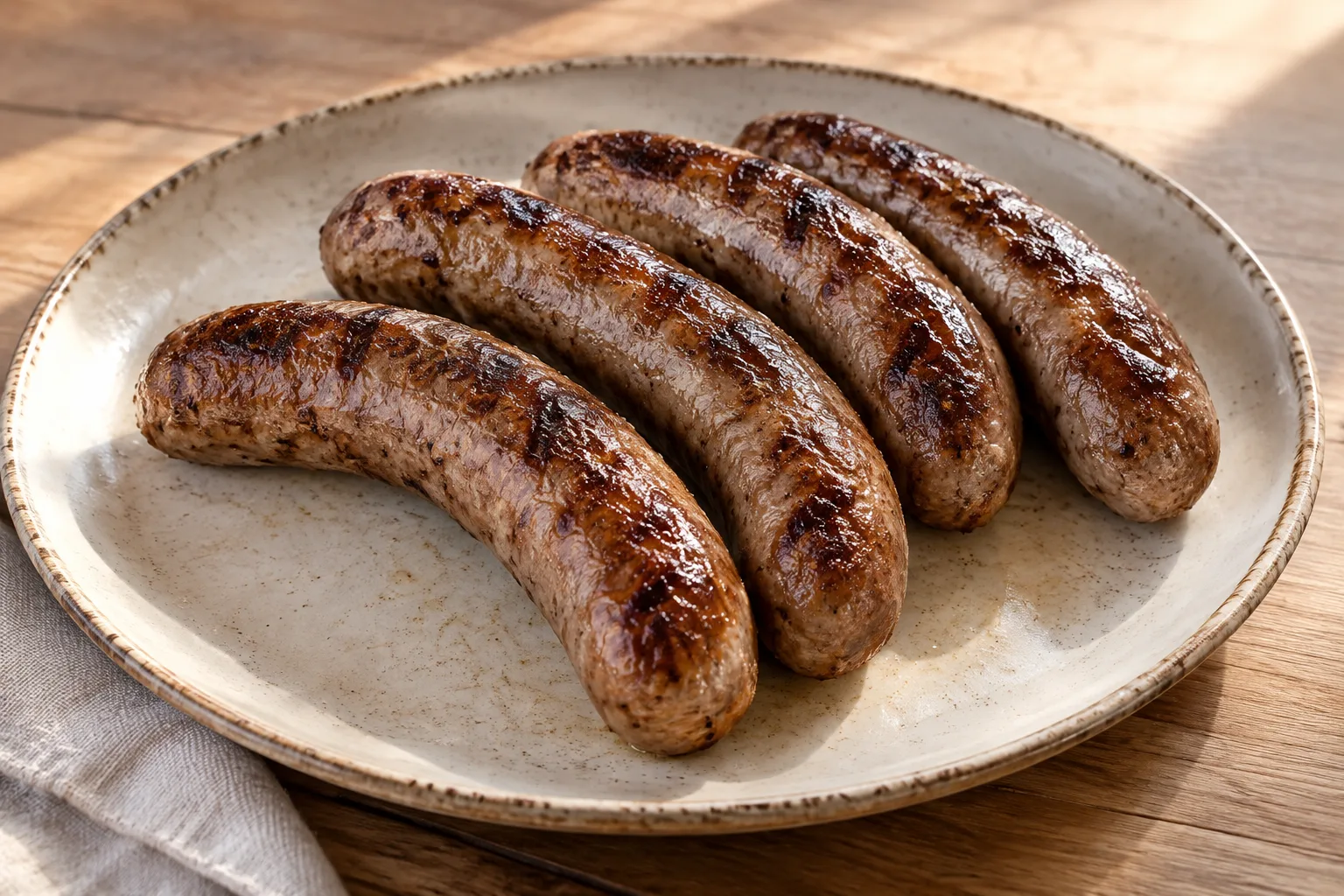
Fresh boerewors grilled until browned all over and served in four portions.
View recipe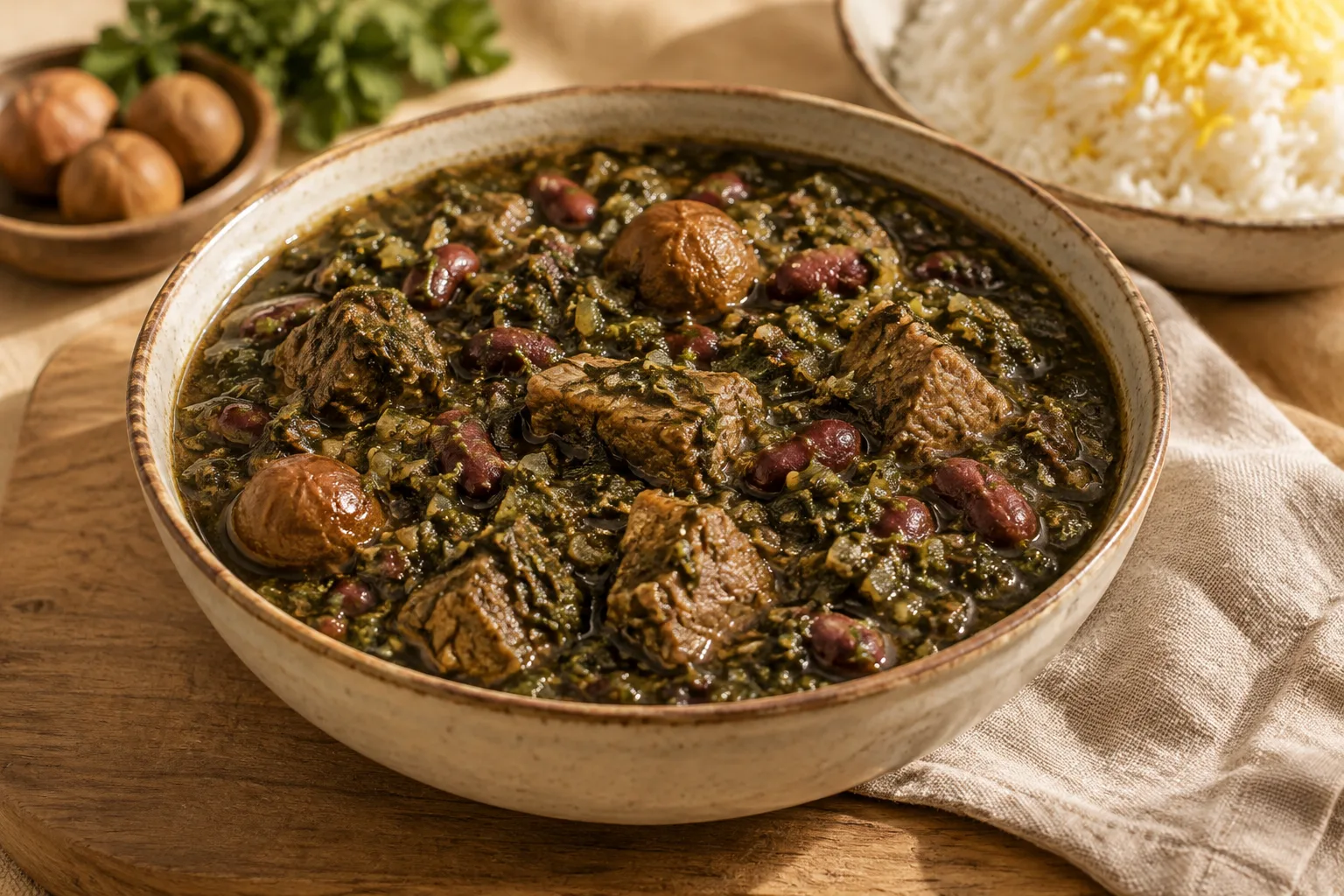
An Iranian stew of lamb or beef with fresh herbs, red kidney beans and dried limes, slowly cooked until the meat is tender.
View recipe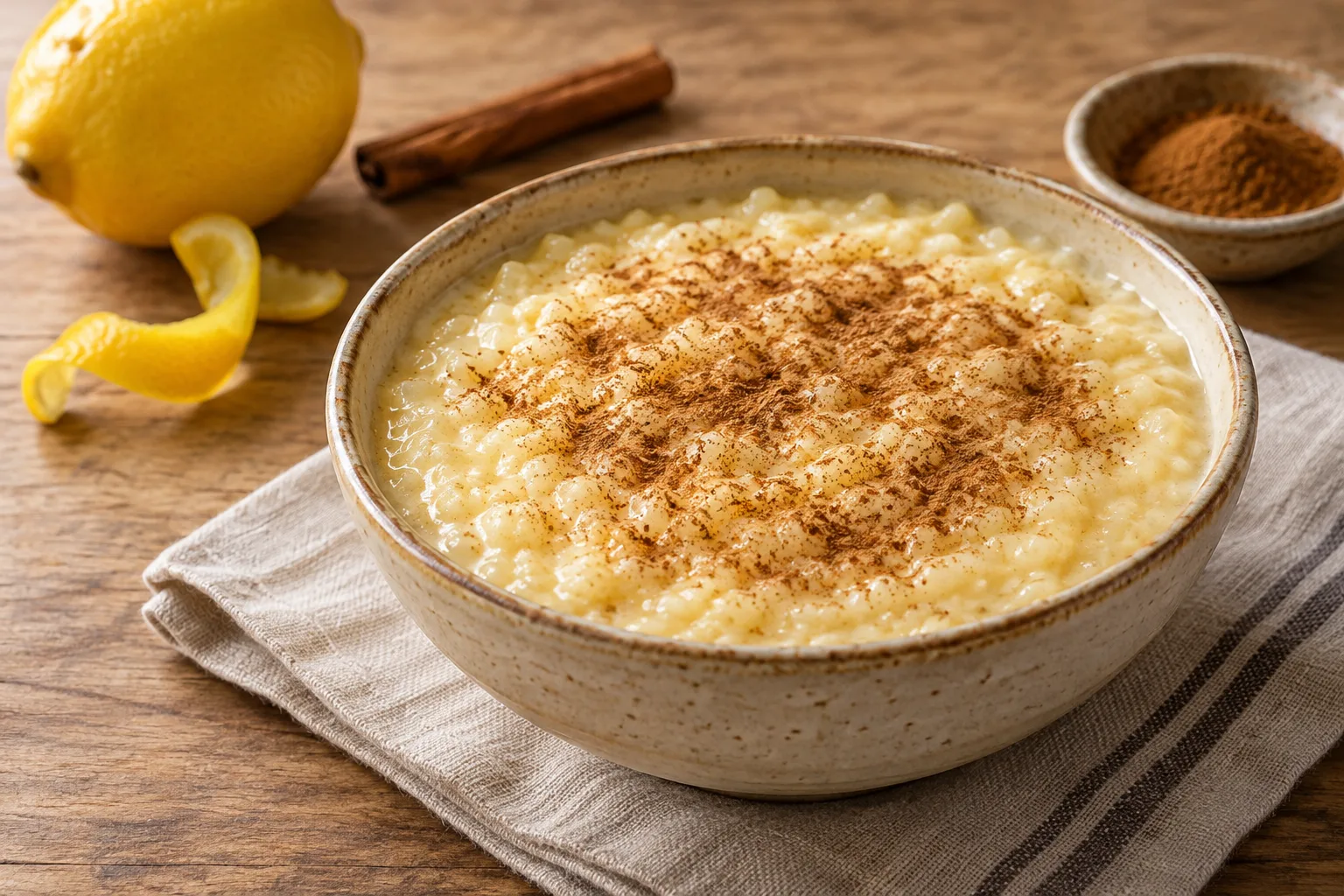
A Portuguese rice dessert cooked in milk scented with lemon and cinnamon, enriched with egg yolks and finished with ground cinnamon.
View recipe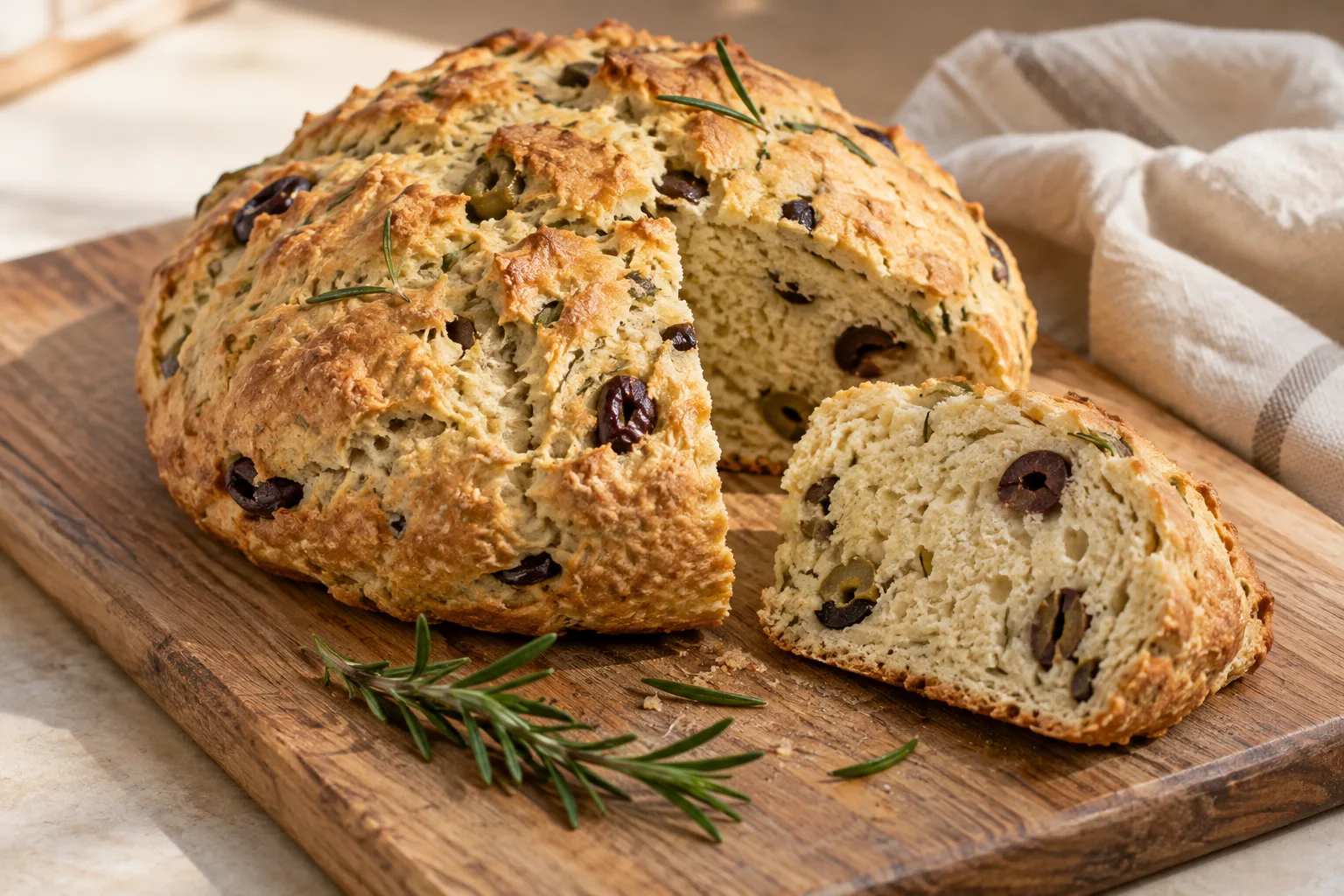
A simple Australian bread made with self-raising flour, olives and rosemary; this version is baked and served freshly made.
View recipe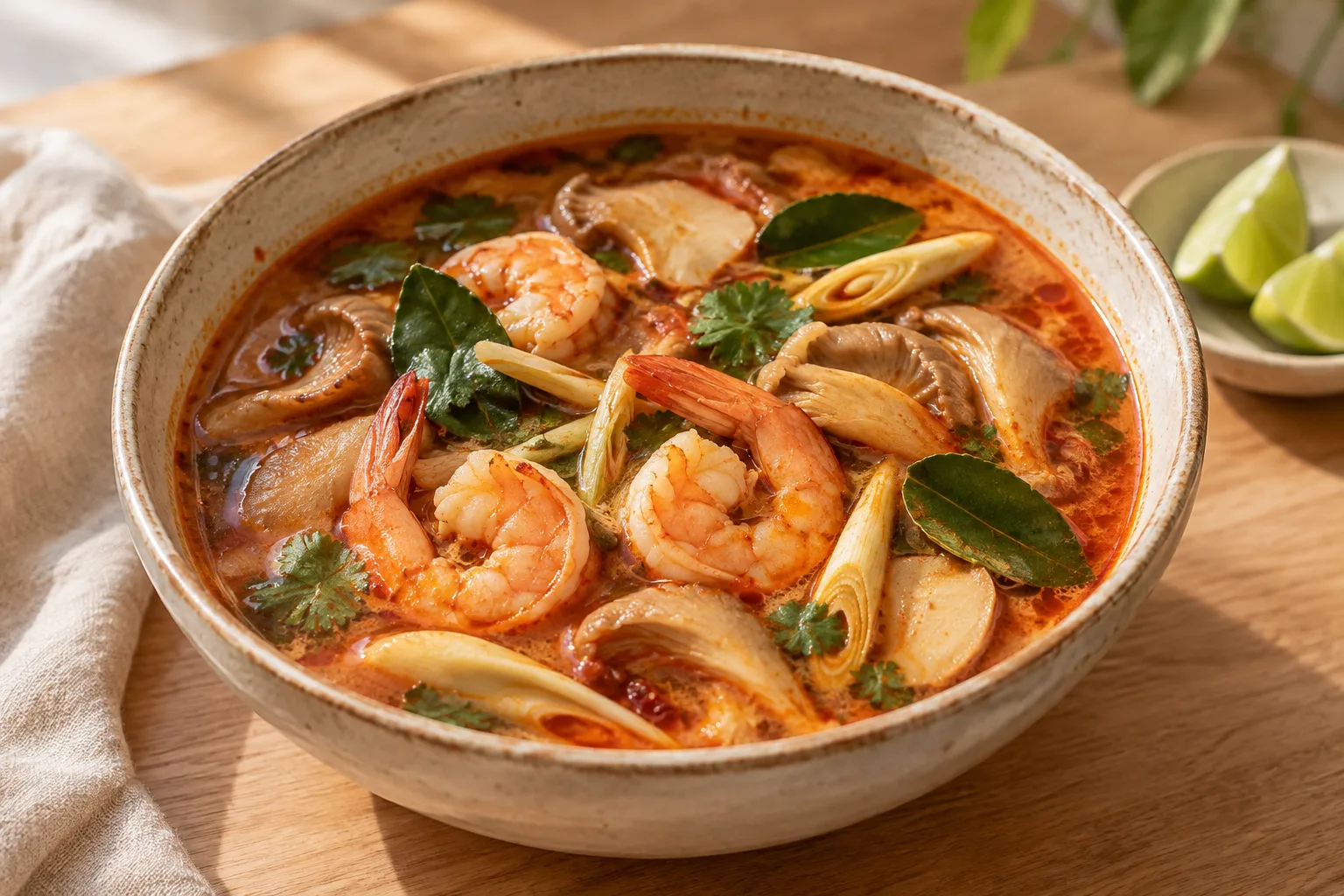
A sour-and-spicy Thai shrimp and mushroom soup scented with galangal, lemongrass and makrut lime leaves. It includes homemade nam prik pao paste.
View recipe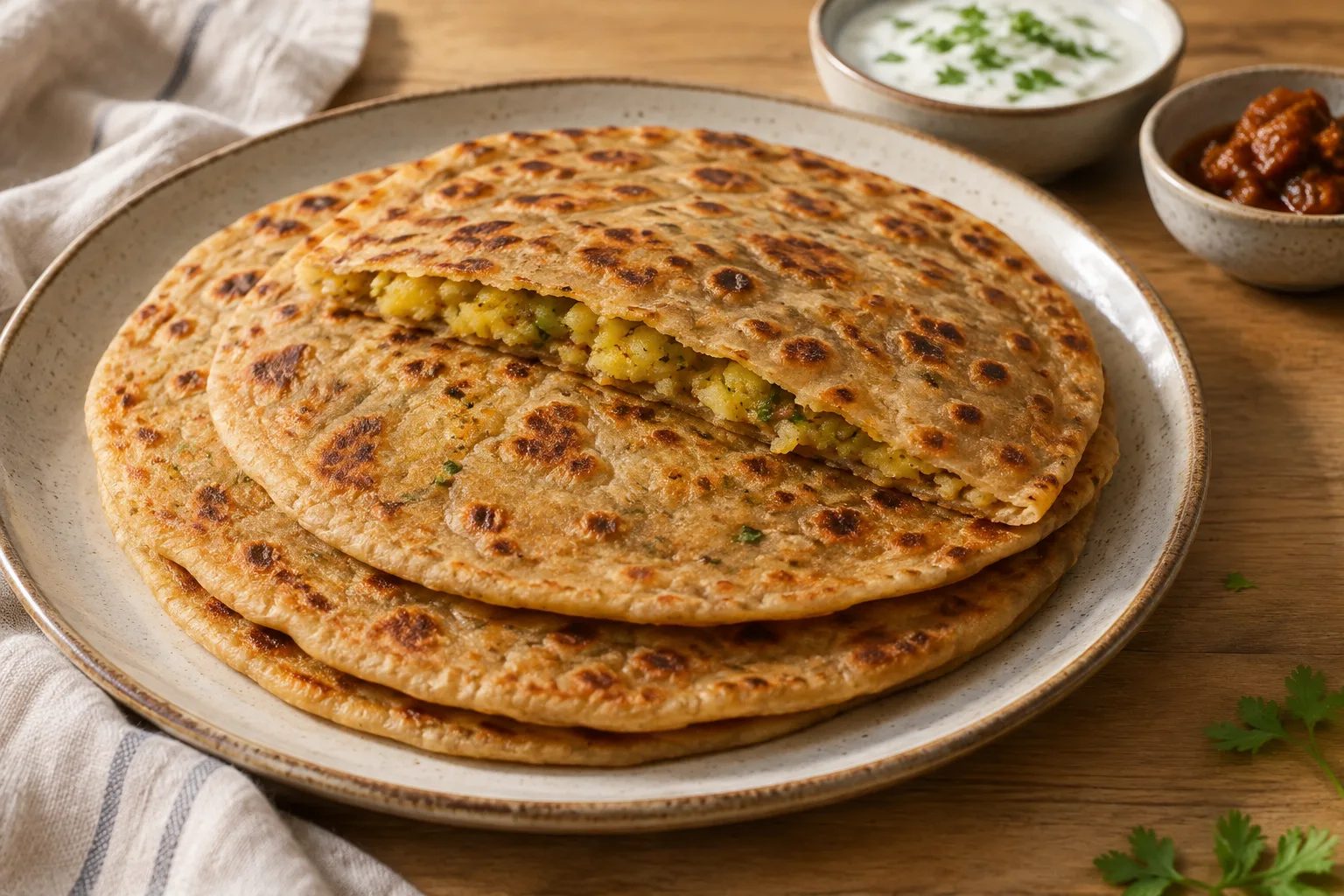
Spiced-potato-stuffed flatbread made with a soft dough and cooked on a griddle until golden.
View recipe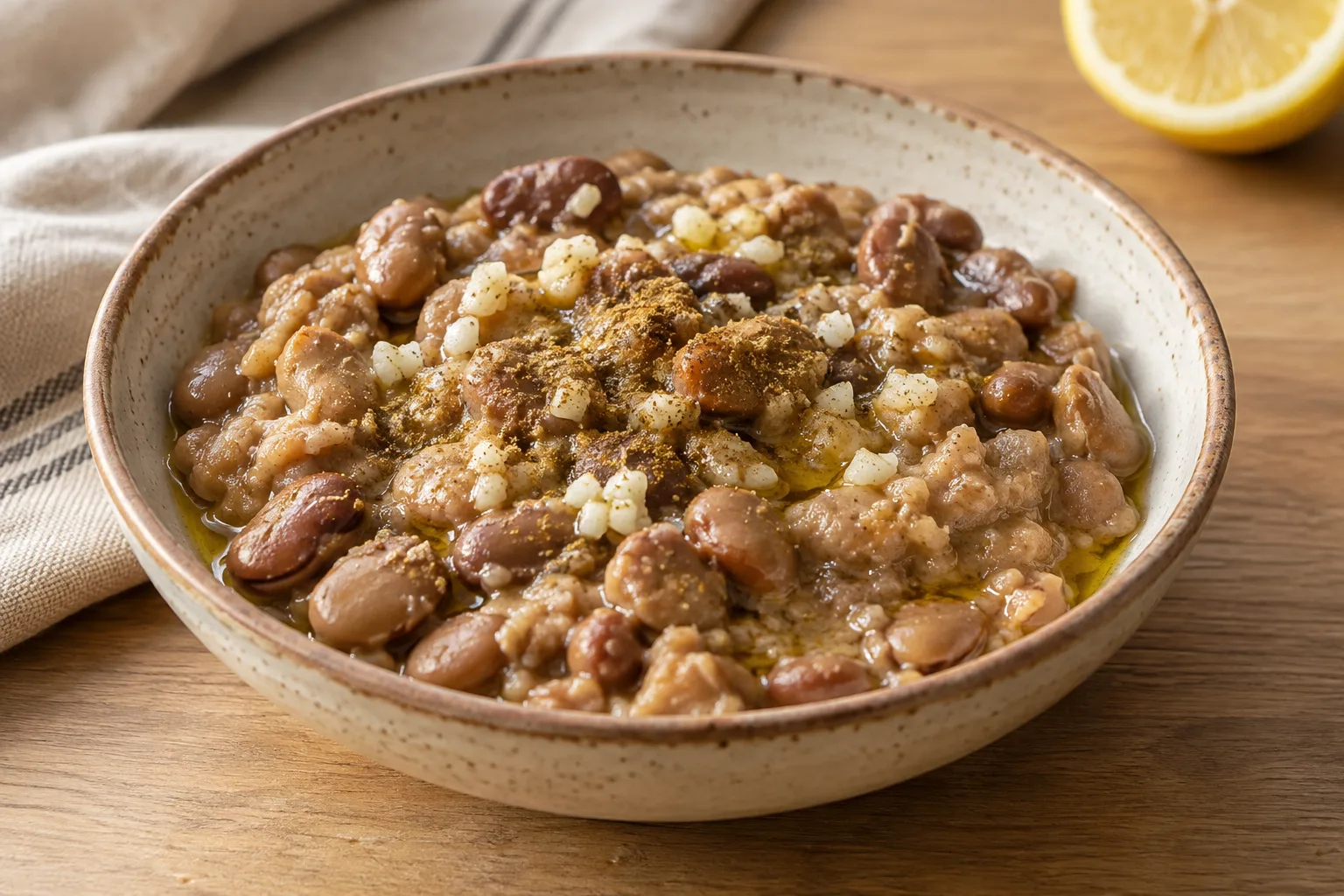
Cooked fava beans, partly mashed and dressed with garlic, lemon, cumin, and olive oil.
View recipe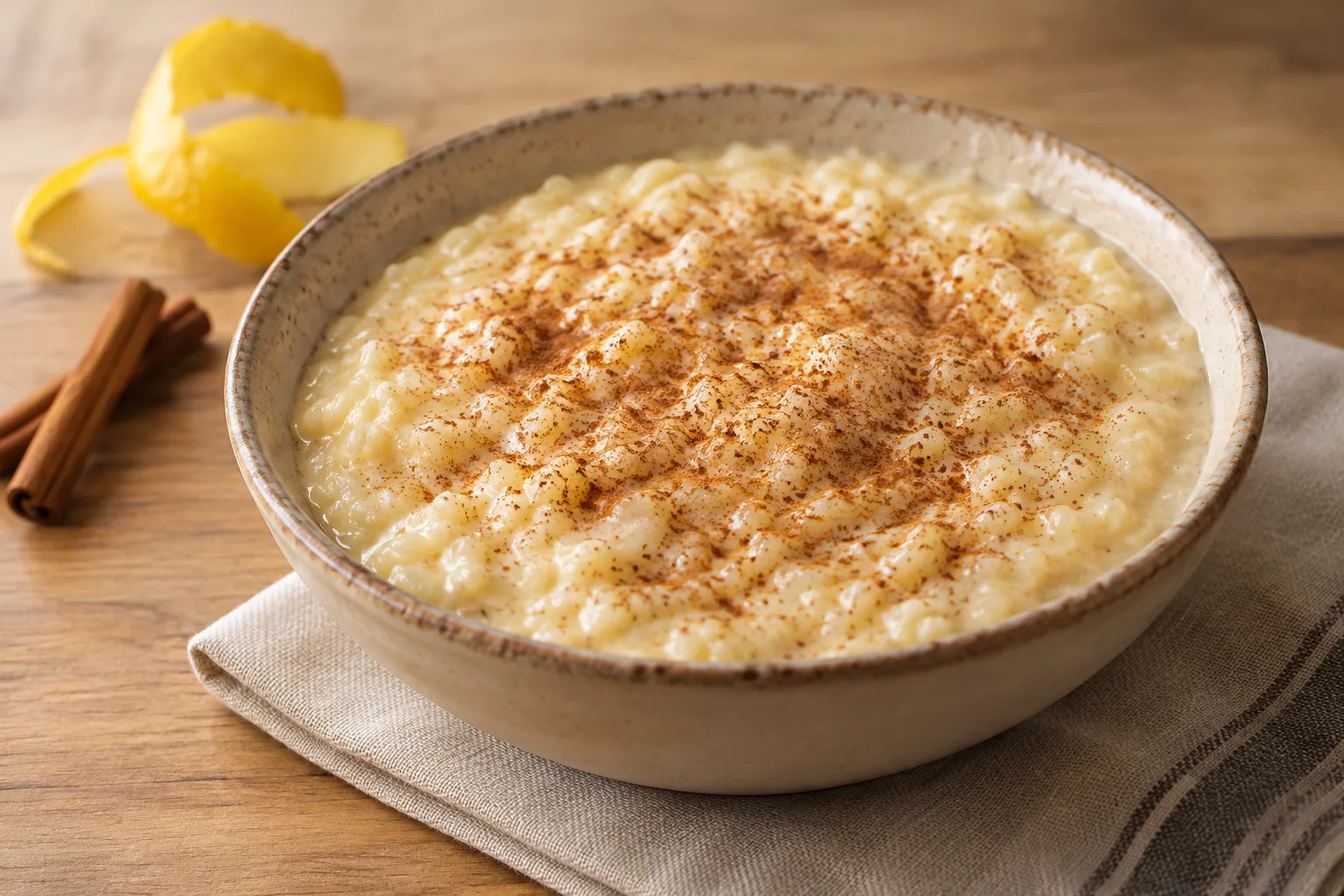
Creamy Portuguese rice pudding cooked with milk infused with lemon and cinnamon, enriched with egg yolks and butter.
View recipe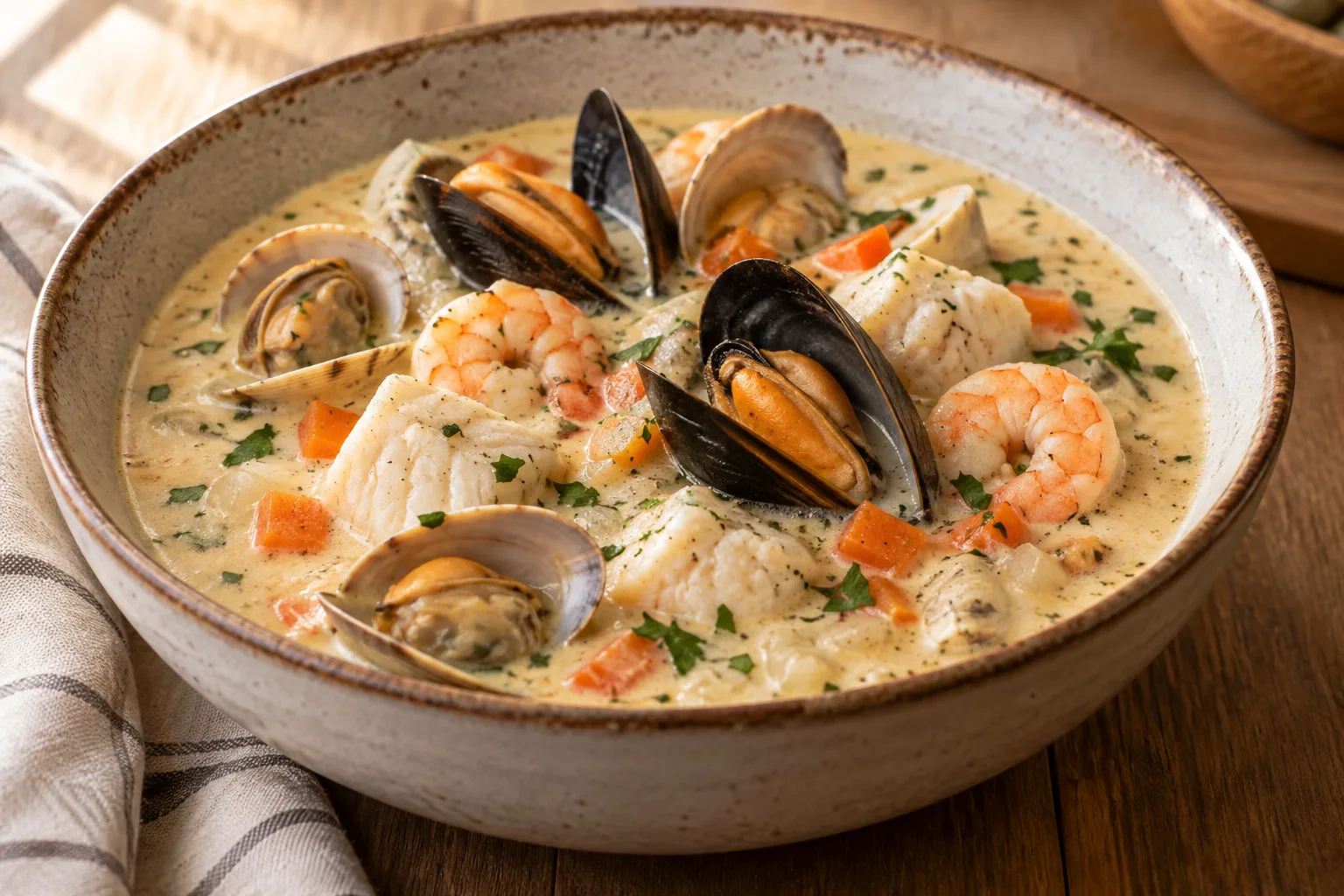
Creamy chowder for 4, with clams, mussels, prawns and white fish. Total time stated by the reference source: 35 minutes.
View recipe