Kitchen notebook

World cuisine

Articles and guides about World cuisine: cooking ideas, explanations and tips researched and checked by KitchenPause.

Seasonal produce

Spring in the basket: choosing and storing seasonal vegetables

Image generated by the Kitchenpause team

Asparagus, peas, broad beans, artichokes and tender greens signal spring. Learn to read the seasonal calendar flexibly, choose vegetables in good condition and organize storage without treating seasonality as a rigid rule.

Latest additions

Latest additions

Available content that can be reviewed from the recipe collection.

Image generated by the Kitchenpause team
World cuisine

Estonian Food: Rye, Baltic Waters, and Regional Traditions

Estonian food draws on fields, forests, the Baltic coast, and inland waters. Rye bread, barley, potatoes, dairy, fish, berries, and mushrooms appear in a varied food culture shaped by the seasons and by documented regional traditions. This guide distinguishes Mulgimaa’s mulgi puder, Peipsi-area customs, and Tallinn’s medieval marzipan heritage from broader ingredients and practices shared across the country.

Read →
Image generated by the Kitchenpause team
World cuisine

Malawi’s Culinary Atlas: Nsima, Lake Fish, Greens and Shared Relishes

Malawian food brings together maize staples, lake fish, leafy vegetables, beans, groundnuts, root crops and locally documented drinks and snacks. Nsima is both a thick maize porridge and the centre of a wider culinary tradition that links growing and processing maize with cooking, choosing accompaniments and sharing meals. Alongside this national practice are place-specific references such as northern kondowole, lake fish dishes and foods associated with Mulanje.

Read →
Image generated by the Kitchenpause team
World cuisine

Kyrgyzstan’s Culinary Atlas: Pastoral Foods, Noodles, and Shared Tables

Kyrgyzstan’s food traditions reflect pastoral life, mountain environments, and long-standing exchange across Central Asia. Meat, dairy, flour, bread, and broth form a recognizable foundation, while dishes such as lagman, manty, pilaf, and ashlyan-fu also express the country’s diverse communities and regional connections. From celebratory beshbarmak to Karakol’s Dungan-influenced cold noodles, local cooking is best understood through both shared traditions and distinct places.

Read →
Image generated by the Kitchenpause team
World cuisine

Finland at the Table: Rye, Fish, Forest Foods and Regional Traditions

Finnish food takes shape across a country of Baltic coastline, lakes, forests and northern fell landscapes. Rye breads and pastries, freshwater and coastal fish, dairy, root vegetables, berries and mushrooms appear in distinct regional dishes and everyday meals. Explore Karelia, Savo, Lapland and the coast through documented ingredients, preparations and occasions for sharing.

Read →
Image generated by the Kitchenpause team
World cuisine

Suriname’s Shared Table: Roots, Rice, Roti, and Cultural Exchange

Suriname’s food culture brings Indigenous, African, Javanese, Indian, Chinese, European, and other influences into a distinctive national repertoire. Pom, roti with curry, saoto, fried rice and noodles, cassava preparations, and market snacks show how dishes travel between homes and communities. Paramaribo offers a concentrated view of this variety, while the country’s cuisines remain diverse rather than uniform.

Read →
Image generated by the Kitchenpause team
World cuisine

Croatian Foodways: Adriatic Coasts, Inland Plains, and Regional Tables

Croatia’s culinary landscape shifts between the Adriatic coast and the continental interior, with distinctive traditions in Istria, Kvarner, Dalmatia, Slavonia, and the Zagreb region. Fish, shellfish, olive oil, handmade pasta, cured meats, freshwater fish, paprika, and dairy-based dishes reflect local environments and documented cultural exchanges. Shared techniques such as grilling, spit-roasting, cooking under the peka bell, and slow stewing appear in varied regional forms.

Read →
Image generated by the Kitchenpause team
World cuisine

Dominican Cuisine: Island Staples, Shared Meals, and Regional Flavors

Dominican cooking brings together rice, beans, plantains, cassava, meats, fish, and coconut in meals shaped by the country’s landscapes and layered history. Everyday combinations such as la bandera and mangú sit alongside holiday foods and regional specialties, from chivo liniero in the northwest to corn preparations in the Cibao. Shared ingredients take on different forms across homes and communities.

Read →
Image generated by the Kitchenpause team
World cuisine

Cape Verdean Cooking: Maize, Atlantic Seafood, and Creole Traditions Across the Islands

Cape Verdean cooking brings together maize and beans, fish and shellfish from the Atlantic, root vegetables, and tropical fruits. Cachupa, a slowly cooked maize-and-bean stew, is a prominent dish with many household variations. Steamed maize couscous, seafood preparations, fruit and cheese sweets, and sugar-cane grogue add to the repertoire. The archipelago’s culinary life reflects documented African and Portuguese influences, while island-specific products—including grogue associated with Santo Antão, wine from Fogo, and grilled lobster linked with Sal and Boa Vista—show why no single menu represents every island.

Read →
Image generated by the Kitchenpause team
World cuisine

Denmark: Rye Bread, Coastal Fish, and a Changing Nordic Table

Danish food brings together a farm-based pantry of rye, potatoes, pork and dairy with fish and other coastal ingredients. Open sandwiches, meatballs and roast pork belong to familiar everyday and festive repertoires, while the New Nordic movement has given local products a new restaurant profile. These traditions vary by household, season and place, and coexist with a wide range of international foods.

Read →
Image generated by the Kitchenpause team
World cuisine

Cypriot Cuisine: Island Produce, Cheese, and Shared Meals

Cypriot food brings together island-grown produce, wheat, olive oil, dairy, meat, fish, and fruit transformed into everyday dishes and festive specialties. Meze offers one way to share a meal, while cheeses such as halloumi and anari, slow-cooked dishes, and grape- and carob-based sweets show the range of the cuisine. Practices vary across households and occasions, shaped by the island’s history, communities, and food traditions.

Read →
Image generated by the Kitchenpause team
World cuisine

Costa Rican Cooking: Rice, Beans, and Regional Traditions

Costa Rican cooking brings together rice, beans, corn, plantains, tropical produce, and seafood, with familiar ingredients served in distinct ways. Gallo pinto, casado, tamales, and slow-cooked stews anchor everyday and celebratory meals. Regional examples include Afro-Caribbean coconut rice and beans, coffee-growing areas of the Central Valley, and Puntarenas’s cold shaved-ice dessert, the Churchill.

Read →
Image generated by the Kitchenpause team
World cuisine

Belarusian Cuisine: Potatoes, Grains, and a Table Shaped by Crossroads

Belarusian food draws on a varied store of grains, vegetables, fish, mushrooms, pork, and potatoes, shaped by the country’s position among neighboring cultures. Grated-potato dishes such as draniki and babka are well known, but they sit alongside rye bread, soups, preserved foods, and preparations for sharing. Historic records, living traditions, and contemporary food tourism reveal a cuisine of distinct ingredients and methods rather than a single defining dish.

Read →
Recipes

Recipes to enjoy

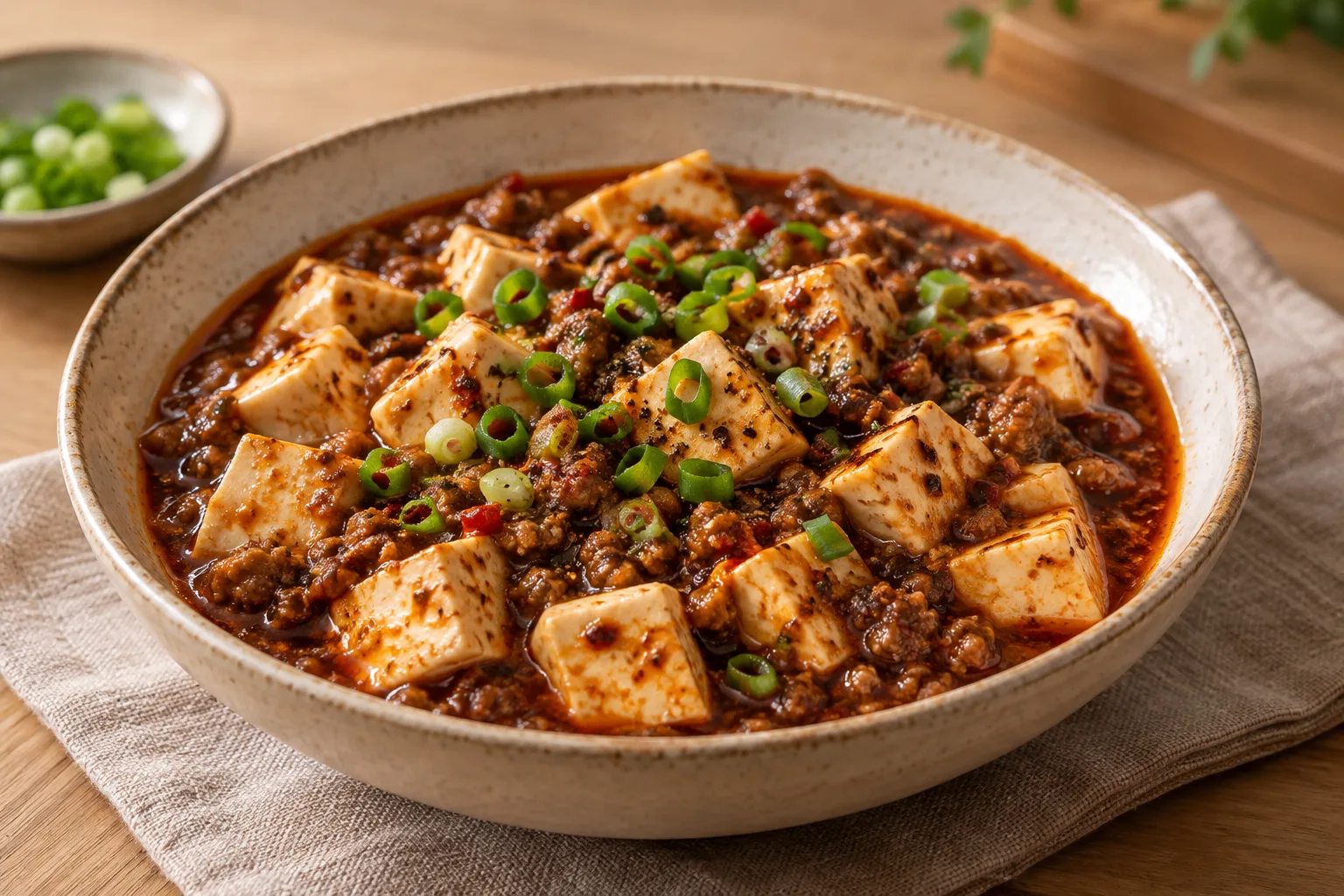
Mapo tofu
Image generated by the Kitchenpause team
35 minIntermediate

Mapo tofu

Tender tofu and minced pork in a savory sauce with doubanjiang, ginger, and Sichuan pepper. Serves 4; timings are estimates.

View recipe
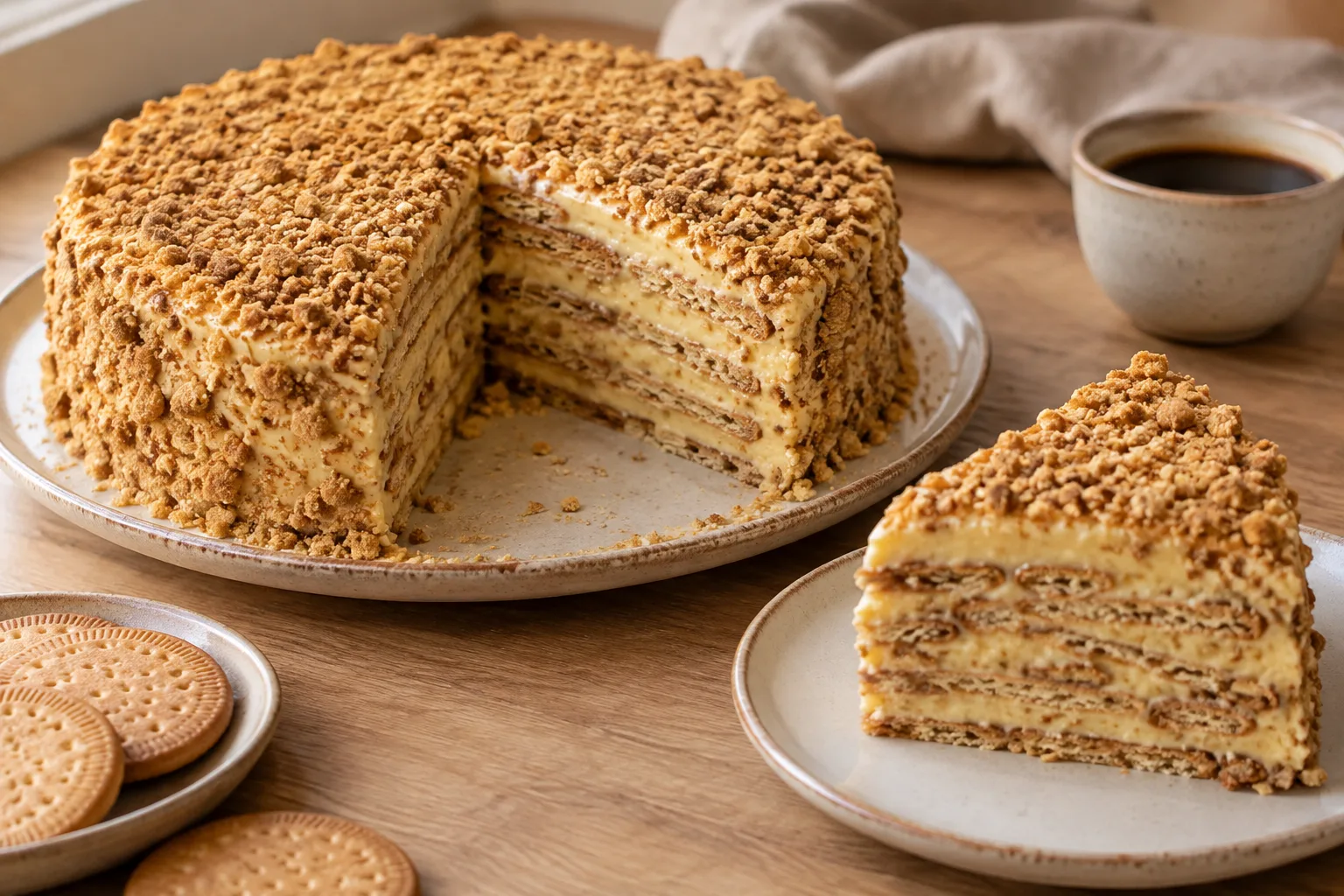
Bolo de bolacha
Image generated by the Kitchenpause team
210 minEasy

Bolo de bolacha

A no-bake Portuguese cake made with Maria biscuits dipped in coffee and layers of buttercream with egg yolks. Serves 6; allow about 30 minutes to prepare and 3 hours to chill.

View recipe
Argentine locro
Image generated by the Kitchenpause team
670 minAdvanced

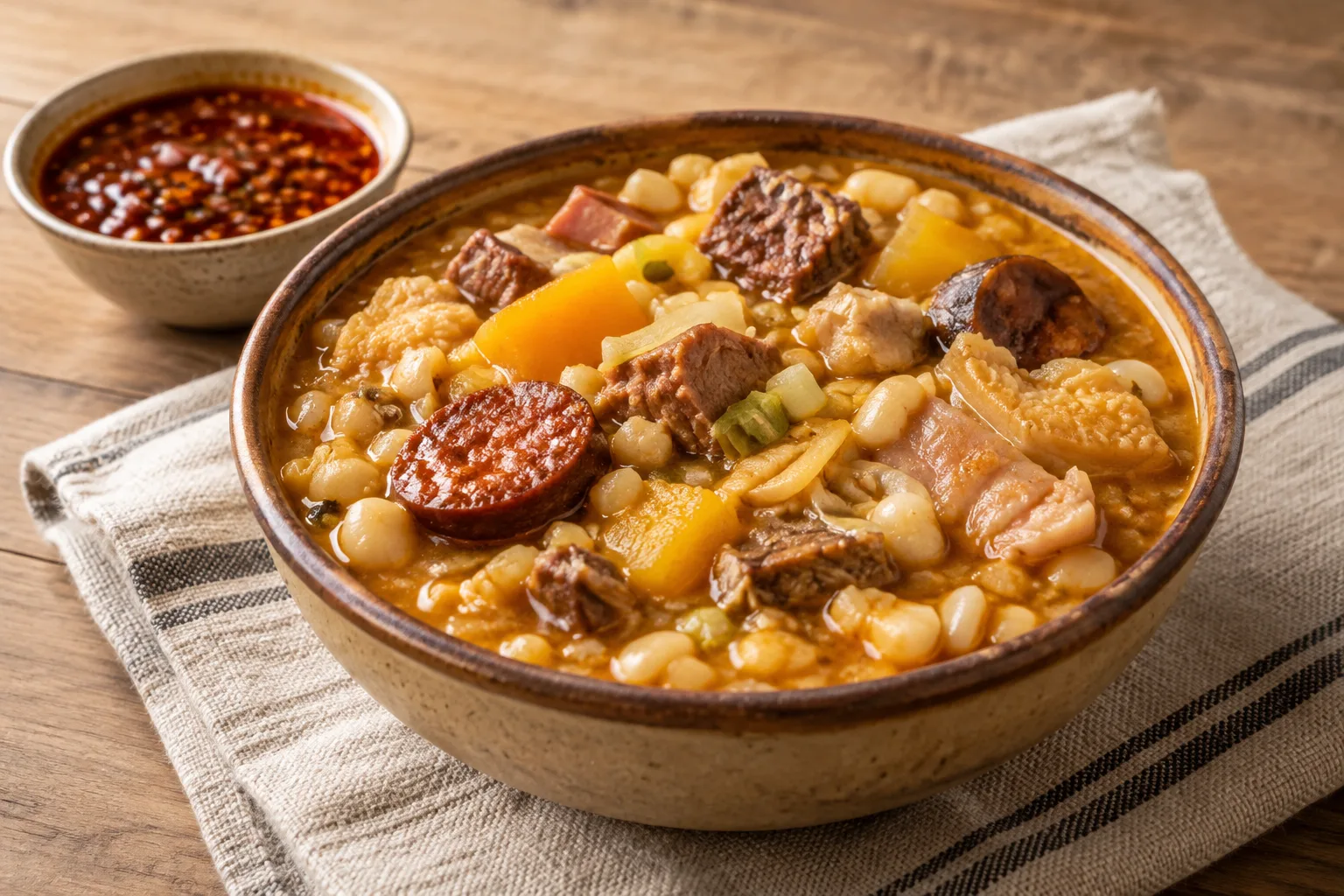
Argentine locro

A thick Argentine stew of white corn, beans, squash and assorted meats, served with a red pepper sauce. Makes about 8 servings; hands-on time and yield are approximate.

View recipe
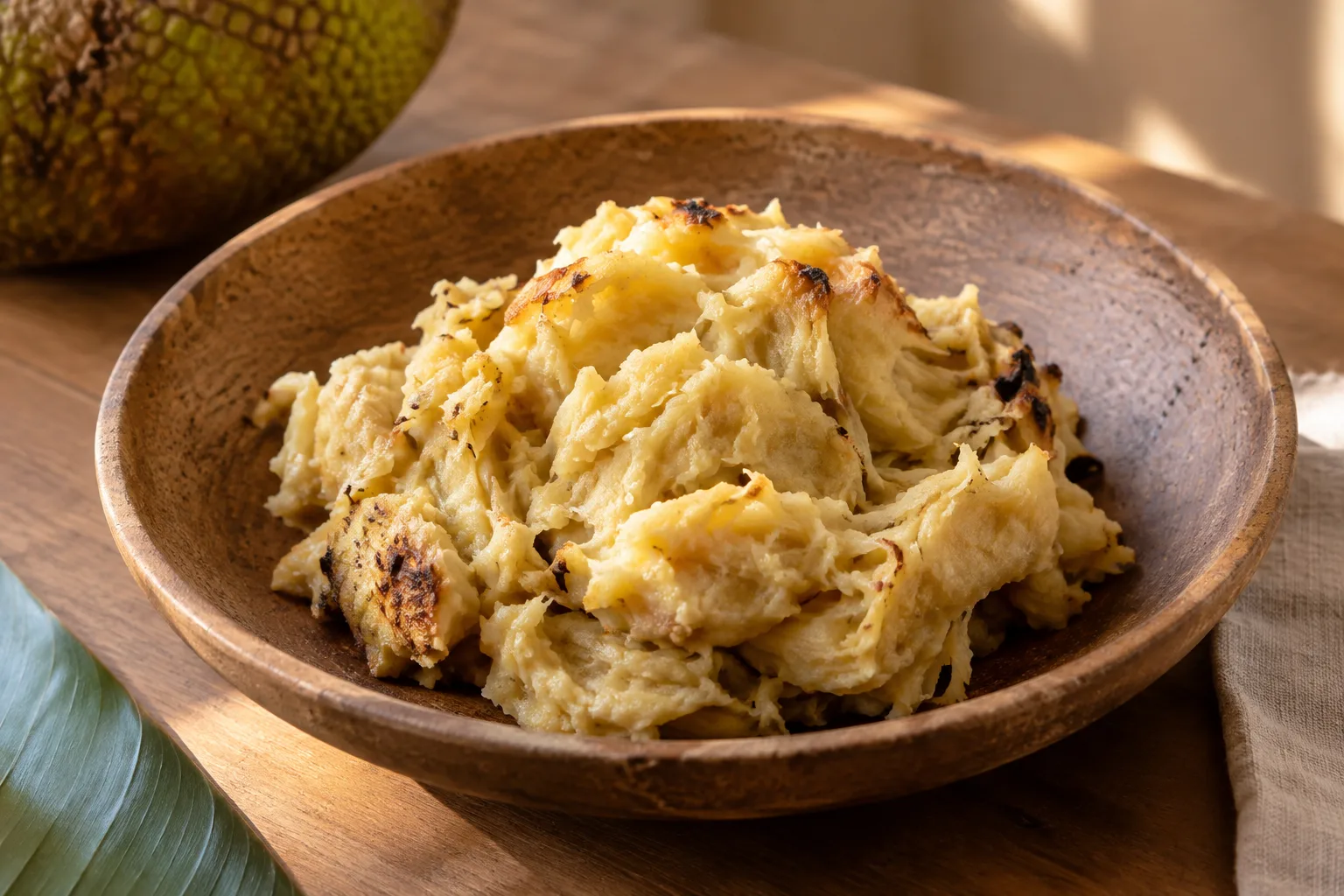
Pohnpei Lihli
Image generated by the Kitchenpause team
15 minIntermediate

Pohnpei Lihli

Very ripe breadfruit, roasted over an open fire and pounded. Hands-on preparation is estimated at 15 minutes; roasting is guided by a visible cue rather than a fixed time.

View recipe
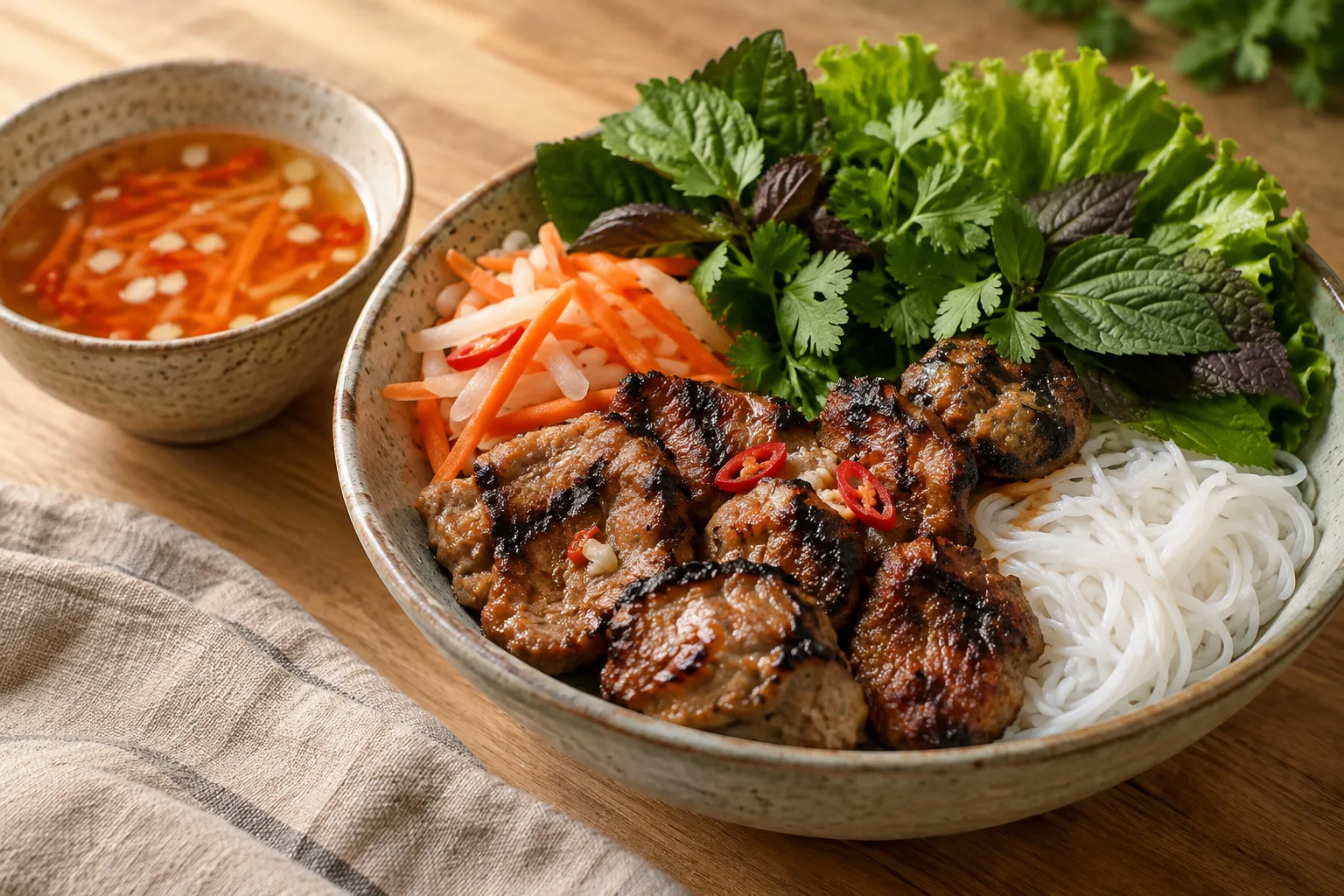
Vietnamese bún chả
Image generated by the Kitchenpause team
200 minIntermediate

Vietnamese bún chả

Grilled pork, rice noodles, pickled vegetables and fresh herbs, served with a sweet-and-sour fish sauce. Serves 4; times are approximate.

View recipe
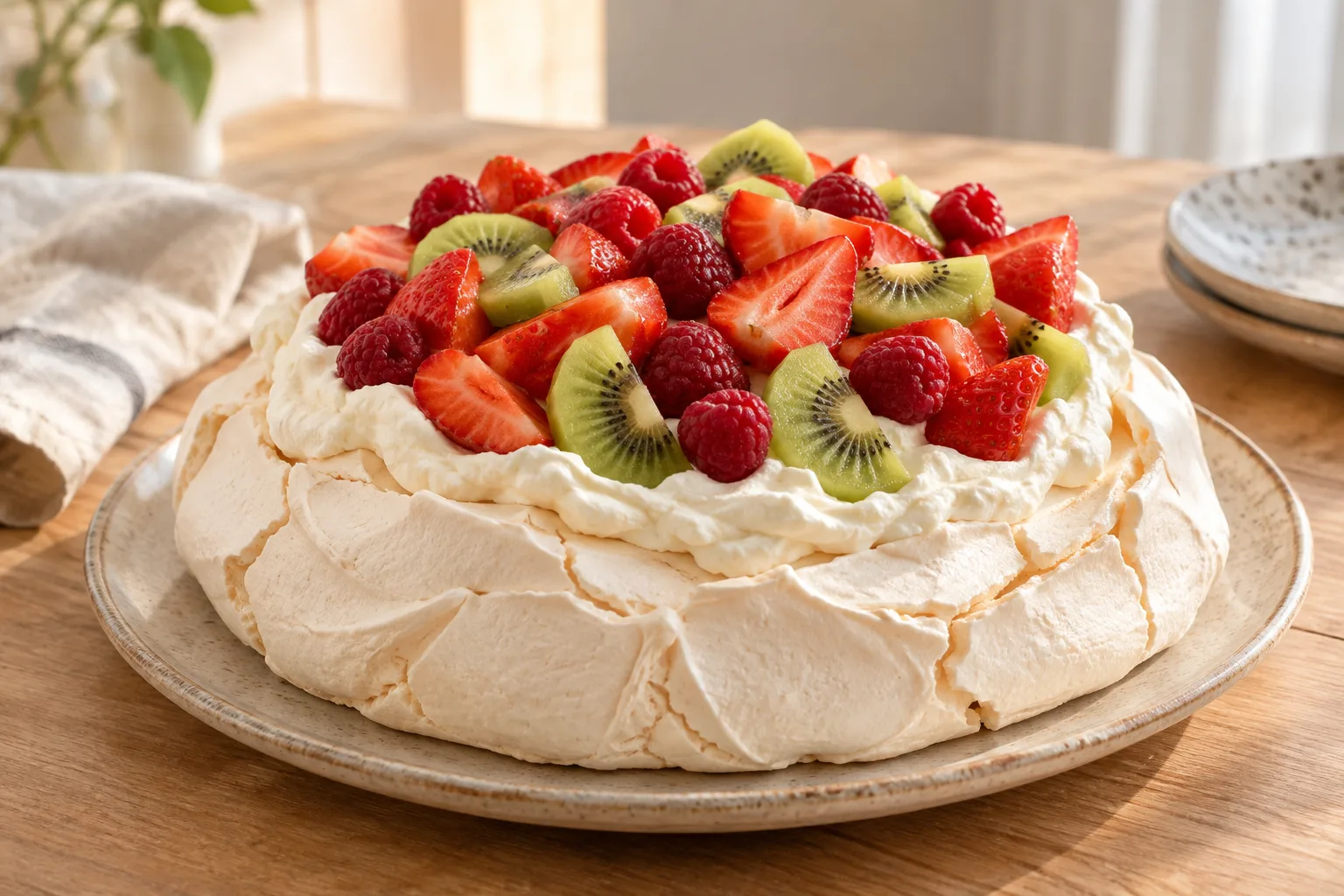
New Zealand Pavlova
Image generated by the Kitchenpause team
345 minIntermediate

New Zealand Pavlova

Baked meringue, crisp outside and tender inside, topped with whipped cream, strawberries, raspberries, and kiwi.

View recipe
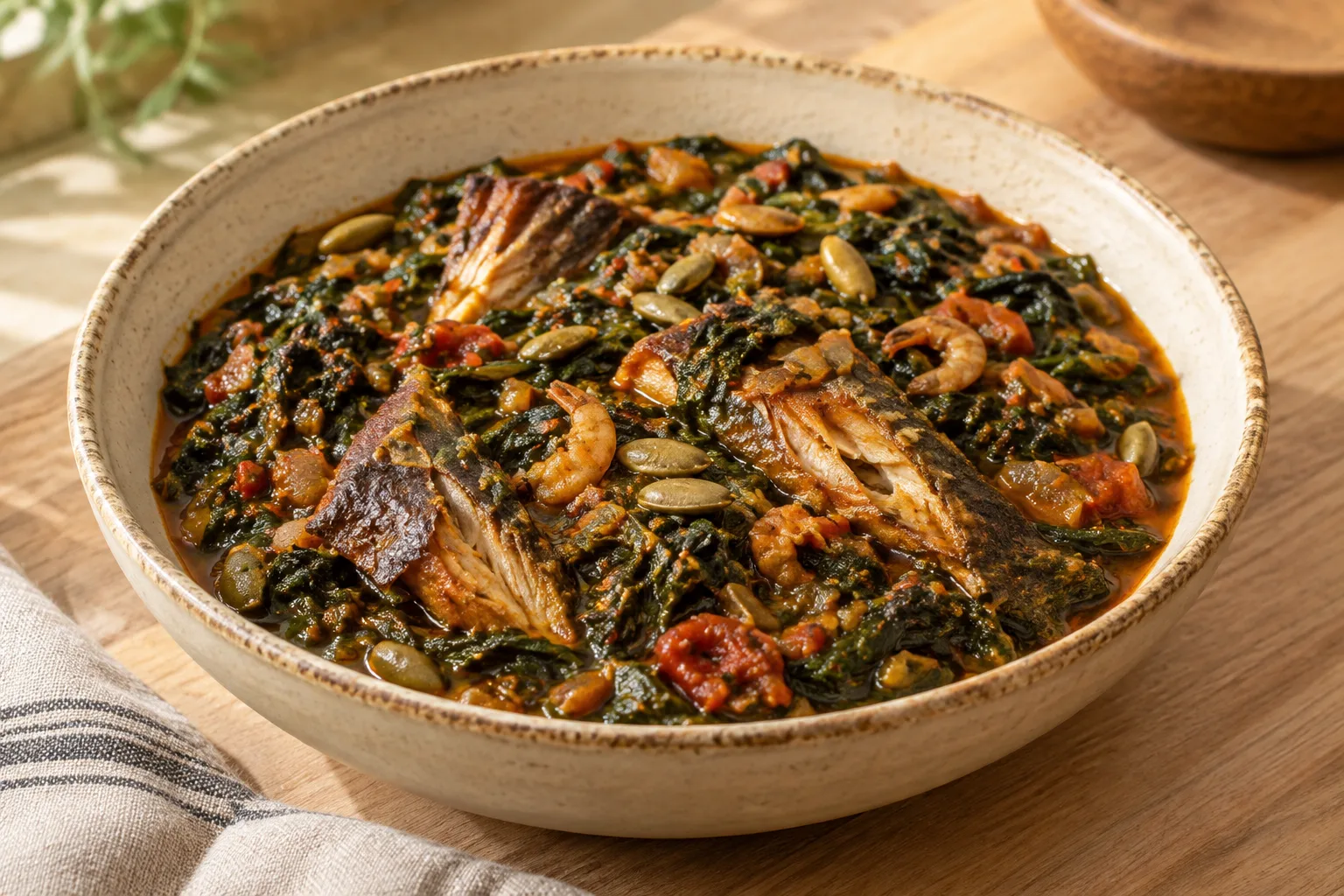
Ghanaian Kontomire Stew
Image generated by the Kitchenpause team
75 minIntermediate

Ghanaian Kontomire Stew

A thick stew of cocoyam leaves with tomato, red palm oil, smoked fish and pumpkin seeds. Makes 4 servings; approximate preparation time: 25 minutes, cooking time: 50 minutes.

View recipe

We use session and security technologies to provide our features. Only with your permission do we load Google Analytics to measure visits and Google Maps on Contact. Choose separately, reject or accept both.

Withdraw either permission here. Withdrawing analytics reloads the page to unload the running tag.

Cookie policy