Food and eating habits
How people eat in Japan
50 indicators exploring everyday meals, ingredients and food culture. Information is completed progressively from documented evidence.
50 of 50 indicators with documented information
Not all data are comparable: food supply, purchases and intake are different measures. Check the period, population and method for each finding. Qualitative descriptions do not establish percentages or amounts.
Timing and company
8/8
| Indicator | Findings and context |
|---|---|
| Meal times |
Mean start±standard deviation, h:min: breakfast 7:24±0:53, lunch 12:32±0:32 and dinner 19:19±0:55. Scope, method and limitations
|
| Meals per day |
Means±standard deviation: 2·92±0·21 main meals, 1·74±1·24 snacks and 4·66±1·27 eating occasions per day. Scope, method and limitations
|
| Meal duration |
Mean duration±standard deviation: breakfast 19±9, lunch 24±8 and dinner 35±17 min/day on consumption days with data. Scope, method and limitations
|
| Daily energy distribution |
Dinner contributed a mean±standard deviation of 40·0±9·4% of daily energy intake. Scope, method and limitations
|
| Weekdays and weekends |
In 2006, mean breakfast start was 7:12 on weekdays, 7:33 on Saturday and 7:46 on Sunday. Scope, method and limitations
|
| Eating at home and away |
In men, 76.2% of meals were recorded at home and 23.8% away; in women, 83.1% at home and 16.9% away. Scope, method and limitations
|
| Cooking frequency |
In the subgroup reporting increased preparation time and effort, 51.3% said they cooked almost every day. Scope, method and limitations
|
| Eating together |
In men, 42.9% of meals were alone and 57.1% with someone; in women, 29.9% alone and 70.1% with someone. Scope, method and limitations
|
Pantry and recipes
2/2
| Indicator | Findings and context |
|---|---|
| Most consumed ingredients |
Selected groups in 2024, mean±standard deviation: cereals 406.8±130.8 g/person/day and vegetables 249.6±118.0 g/person/day. Scope, method and limitations
|
| Ingredient prevalence in recipes |
The sample includes short-grain rice, water and salt in onigiri; cabbage, dashi and flour in okonomiyaki; flour and cornstarch in tempura; anko in taiyaki and dorayaki; and miso, tofu and wakame in a vegetarian soup. Scope, method and limitations
|
Cereals and plant foods
6/6
| Indicator | Findings and context |
|---|---|
| Cereals and cereal products |
In 2024, rice and rice products: 293.5±133.0 g/person/day; wheat and wheat products: 102.4±79.5 g/person/day (nationally corrected mean±standard deviation). Scope, method and limitations
|
| Bread |
In 2024, bread excluding sweet buns: 33.3±32.5 g/person/day; sweet buns: 4.7±16.7 g/person/day (nationally corrected mean±standard deviation). Scope, method and limitations
|
| Pulses |
In 2024, the legume and legume-product group: 60.1±57.5 g/person/day. Within it, tofu: 30.9±39.4; natto: 9.6±13.9 g/person/day (nationally corrected mean±standard deviation). Scope, method and limitations
|
| Vegetables |
In 2024, vegetables: 249.6±118.0 g/person/day. Within the group, onion: 32.3±29.8; cabbage: 28.8±36.6 g/person/day (nationally corrected mean±standard deviation). Scope, method and limitations
|
| Fruit |
In 2024, fruit group: 76.4±79.2 g/person/day; its fresh-fruit subgroup: 67.5±71.9. Within fresh fruit, banana: 16.2±28.1; apple: 14.2±30.8 g/person/day (nationally corrected mean±standard deviation). Scope, method and limitations
|
| Potatoes, roots and tubers |
In 2024, tubers and their products, excluding the separate starch category: 45.3±47.7 g/person/day. Within the group, potato and products: 23.9±34.4; sweet potato and products: 8.0±21.3 g/person/day (nationally corrected mean±standard deviation). Scope, method and limitations
|
Protein foods
5/5
| Indicator | Findings and context |
|---|---|
| Meat |
In 2024, total meat: 106.3±63.9 g/person/day. Within the group, beef: 13.7±25.6; pork: 43.3±41.9; chicken: 35.4±46.1 g/person/day (nationally corrected mean±standard deviation). Scope, method and limitations
|
| Fish and seafood |
In 2024, total fish and shellfish: 59.1±50.0 g/person/day. Fresh subgroup: 34.6±41.4; processed: 24.5±30.0. Within fresh fish, salmon and trout: 5.4±15.6 g/person/day (nationally corrected mean±standard deviation). Scope, method and limitations
|
| Eggs |
In 2024, the egg group recorded 41.4±29.4 g/person/day (nationally corrected mean±standard deviation). Scope, method and limitations
|
| Milk and dairy products |
In 2024, total dairy group: 128.2±111.2 g/person/day. Within it, milk: 79.7±91.6; cheese: 3.9±7.1; fermented milk and lactic acid bacteria drinks: 36.8±49.2 g/person/day (nationally corrected mean±standard deviation). Scope, method and limitations
|
| Protein sources |
In 2024, animal protein accounted for 55.0±9.9% of total protein (nationally corrected mean±standard deviation of individual proportions). Scope, method and limitations
|
Fats, flavours and condiments
3/3
| Indicator | Findings and context |
|---|---|
| Cooking fats |
In 2024, the oils and fats group recorded 11.4±7.6 g/person/day; within it, vegetable oils and fats: 9.2±6.8; butter: 1.1±2.3 g/person/day (nationally corrected mean±standard deviation). Scope, method and limitations
|
| Herbs and spices |
In Kyoto, chirimen-sansho combines small dried fish with green sansho fruit; in Hyogo, sansho is simmered with soy sauce, sake and mirin to make tsukudani. The catalogue’s Osaka okonomiyaki includes pickled ginger. Scope, method and limitations
|
| Sauces and condiments |
In 2024, soy sauce: 10.7±8.5 g/person/day; miso: 9.5±8.1 g/person/day (nationally corrected mean±standard deviation). One specific regional use is simmering sansho with soy sauce, sake and mirin to make tsukudani in Hyogo. Scope, method and limitations
|
Meal composition
6/6
| Indicator | Findings and context |
|---|---|
| Breakfast composition |
Mean±standard deviation attributed to breakfast: rice 66·9±70·1; bread 28·2±29·9; dairy products 65·4±76·9 g/person/day. Scope, method and limitations
|
| Main meal composition |
An ichiju-sansai meal composition brings together rice, soup, a main dish and two side dishes. Scope, method and limitations
|
| Dinner composition |
Mean±standard deviation attributed to dinner: rice 133·7±73·6; total vegetables 142·5±74·5; fish, including shellfish 45·3±34·8 g/person/day. Scope, method and limitations
|
| Appetisers and snacks |
Mean±standard deviation attributed to snacks: confectioneries 28·3±31·8; fruit 13·4±28·6; dairy products 23·3±45·0 g/person/day. Scope, method and limitations
|
| Desserts and sweets |
In 2024, all confectioneries: 24.4±32.4 g/person/day; within the group, Japanese confectioneries: 9.1±18.7; cakes and pastries: 5.9±16.7 g/person/day (nationally corrected mean±standard deviation). Scope, method and limitations
|
| Portion sizes |
As a guideline reference serving, one SV of vegetable dishes corresponds to about 70 g of main ingredients and one fruit SV to about 100 g. These are not observed household portions. Scope, method and limitations
|
Techniques and equipment
5/5
| Indicator | Findings and context |
|---|---|
| Cooking techniques |
In Kyoto, chirimen-sansho is prepared by dry-roasting small fish and then simmering them with sansho, stock, sake, mirin and soy sauce until the broth is gone. Scope, method and limitations
|
| Vegetable preparation |
Kyoto senmaizuke uses thinly sliced Shogoin turnip pickled with vinegar, kombu and chilli. The described version is neither a long-storage pickle nor a lactic fermentation. Scope, method and limitations
|
| Food preservation |
The regional Hyogo sansho preparation describes blanching, draining and cooling the fruit, then dividing it into small portions, wrapping and freezing it for use in other preparations. Scope, method and limitations
|
| Fermented foods |
In 2024, miso: 9.5±8.1 and natto: 9.6±13.9 g/person/day (nationally corrected mean±standard deviation). Miso is made by mixing steamed soybeans with koji and salt; koji may be based on rice, barley or soybeans. Scope, method and limitations
|
| Kitchen equipment |
In March 2026, 36.6% of households with two or more people owned a dishwasher. Scope, method and limitations
|
Drinks
3/3
| Indicator | Findings and context |
|---|---|
| Everyday drinks |
In 2024, the beverage category in Table: 570.4±370.4 g/person/day; its alcoholic-beverage subgroup: 90.9±187.1 g/person/day (national corrected mean±standard deviation). Scope, method and limitations
|
| Coffee and tea preparation |
In 2024, tea: 189.3±231.2; coffee and cocoa combined: 132.9±142.0 g/person/day (national corrected mean±standard deviation). Scope, method and limitations
|
| Drinks with meals |
Non-energetic beverages attributed to breakfast 185·1±151·3, lunch 172·8±125·6 and dinner 139·2±122·1 g/person/day (mean±standard deviation). Scope, method and limitations
|
Nutrition and dietary patterns
3/3
| Indicator | Findings and context |
|---|---|
| Energy and nutrients |
In 2024, energy 1859±425 kcal/person/day; protein 70.6±18.5, fat 60.3±19.3, carbohydrate 241.5±58.6 and fibre 17.7±5.1 g/person/day (national corrected mean±standard deviation). Scope, method and limitations
|
| Salt and sugars |
In 2024, sodium 3682±1130 mg/person/day and salt equivalent 9.4±2.9 g/person/day (national corrected means±standard deviation). In a 2016 adult subsample, free sugars: men 4.8±3.9% and women 5.8±4.2% of daily energy. Scope, method and limitations
|
| Dietary patterns |
In March 2023, 5.9% of the sample reported a diet without meat or fish, the combined vegetarian or vegan category. Scope, method and limitations
|
Shopping, prices and waste
7/7
| Indicator | Findings and context |
|---|---|
| Food expenditure |
Mean food spending: 94895 JPY per household per month. The Engel coefficient is 28.6%; definitions differ: spending includes gifts and services to other households, whereas the coefficient’s food numerator excludes them. Scope, method and limitations
|
| Cost of a common basket |
As a historical fixed-quantity menu example, the MIS model for a Japanese schoolboy budgeted 8914 JPY per week. Ingredients and meals bought outside are included: not an ingredient-only grocery basket or observed spending. Scope, method and limitations
|
| Cost of specific meals |
Yoshinoya’s regular-size gyudon (並盛) is listed at 498 JPY for dining in and 489 JPY for takeout, including tax. These are prices for one chain and dish, not a national average. Scope, method and limitations
|
| Grocery shopping locations |
In the online panel, 75.0% reported usually using food supermarkets and 15.5% some internet channel. Multiple answers were allowed: these are usage percentages, not spending shares or mutually exclusive categories. Scope, method and limitations
|
| Shopping frequency |
In the November 2025 online survey, 37.2% of food purchasers reported shopping two or three days a week and 29.2% about one day. This question covered 1962 people aged 20–79; these are neither mean visits nor mean basket spending. Scope, method and limitations
|
| Prepared food and delivery |
In the June 2025 panel subgroup, 81.7% bought commercially prepared food at least monthly. The study covered two metropolitan regions and included takeout and delivery; it estimates neither national prevalence nor separate delivery frequency. Scope, method and limitations
|
| Household food waste |
Estimated edible household food loss: 2235 thousand tonnes per year. The report gives 961 for direct disposal, 350 for excessive removal of edible parts and 925 for plate leftovers, in the same unit; rounded components do not exactly sum to the total. Scope, method and limitations
|
Seasons and celebrations
2/2
| Indicator | Findings and context |
|---|---|
| Seasonal produce |
In Kyoto, senmaizuke is made around November, when Shogoin turnips are ready for shipment. It is also made at home during this turnip’s harvest season. Scope, method and limitations
|
| Celebration food |
In Kyoto, New Year’s Day is associated with Daifuku tea: pickled plums and knotted kombu are placed in a cup and tea is poured over them. Scope, method and limitations
|
Coverage in progress
The editorial guide for this country is in preparation. You can already explore its recipes; regional attributions are added when documented.
Guide available in other languages: Español
Places and communities
One country, many cuisines
An initial selection of regions to explore. Culinary boundaries may differ from administrative divisions.
Cook
Recipes connected with Japan
Each recipe documents one version. Geographic associations do not imply an exclusive origin.
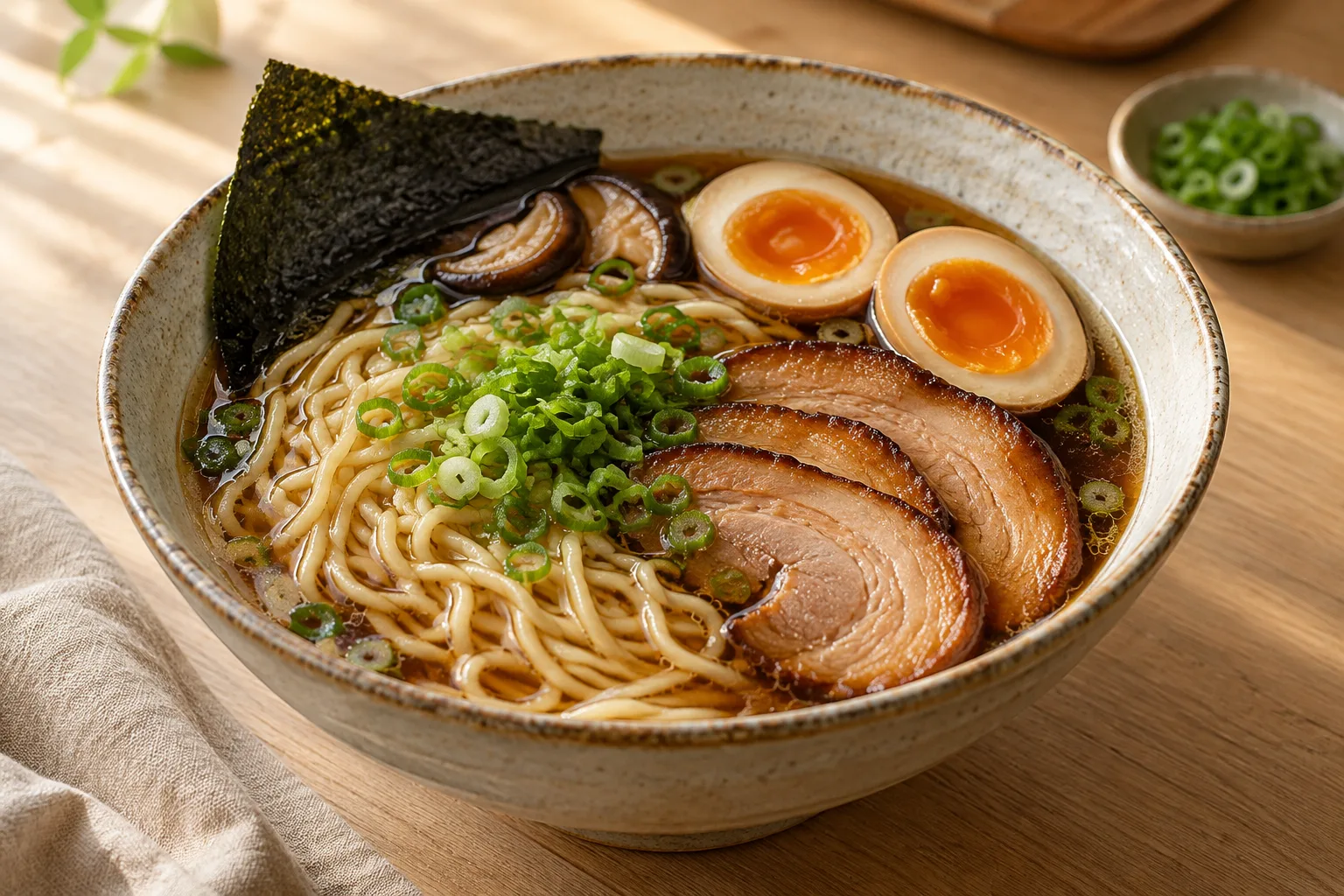
Shoyu ramen
Japanese ramen for 4, with chicken and pork broth, soy sauce tare, noodles, chashu, marinated eggs, and scallion oil. Hands-on preparation time and yield are estimates.
View recipe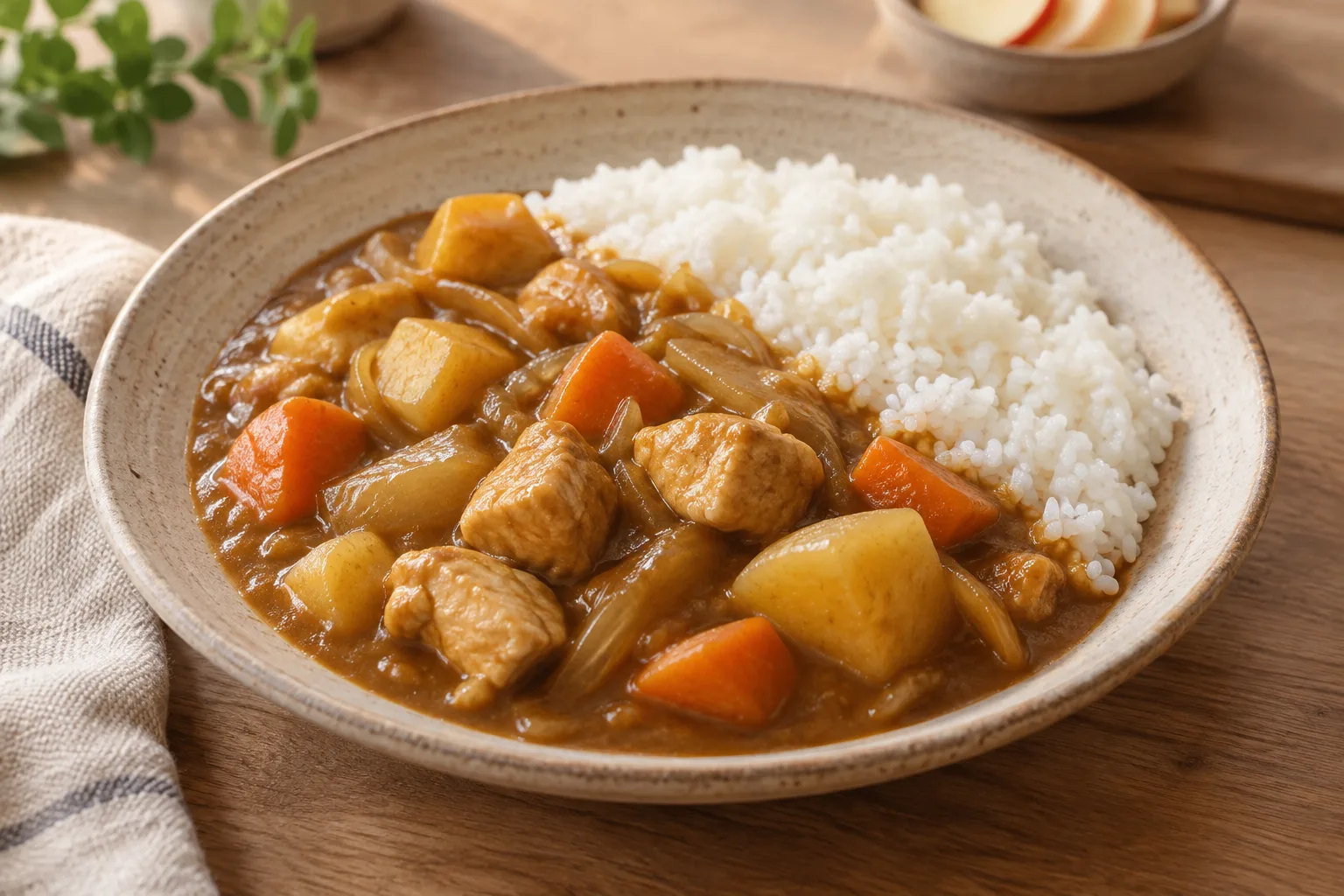
Japanese Curry with Rice
Japanese curry with chicken, vegetables, and apple, served with rice. Serves 4; preparation times are estimates, and cook the rice according to its package directions.
View recipe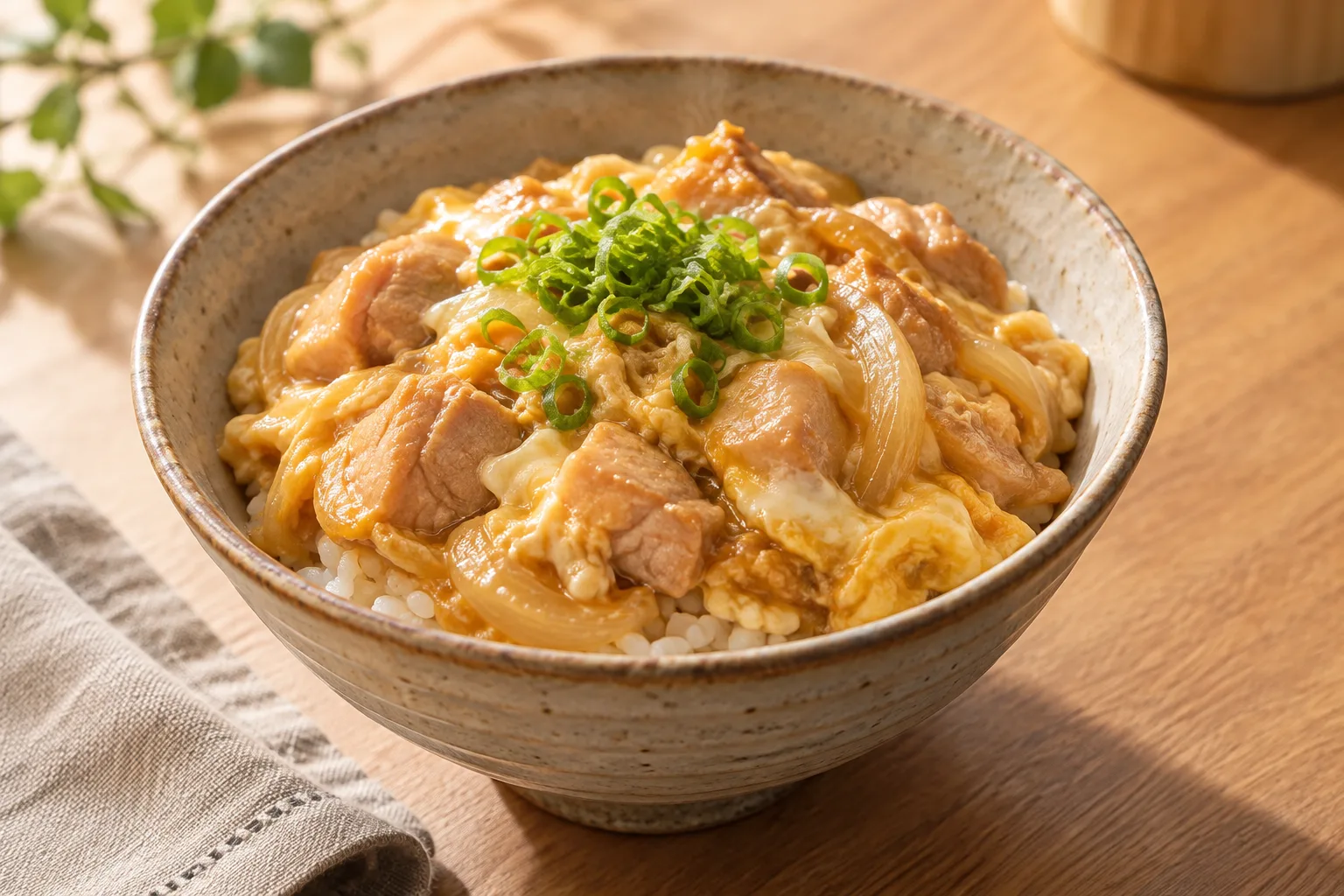
Japanese Oyakodon
A bowl of rice topped with chicken and onion simmered in dashi, soy, mirin, sake, and sugar, then finished with egg. Serves 4; preparation times are estimates.
View recipe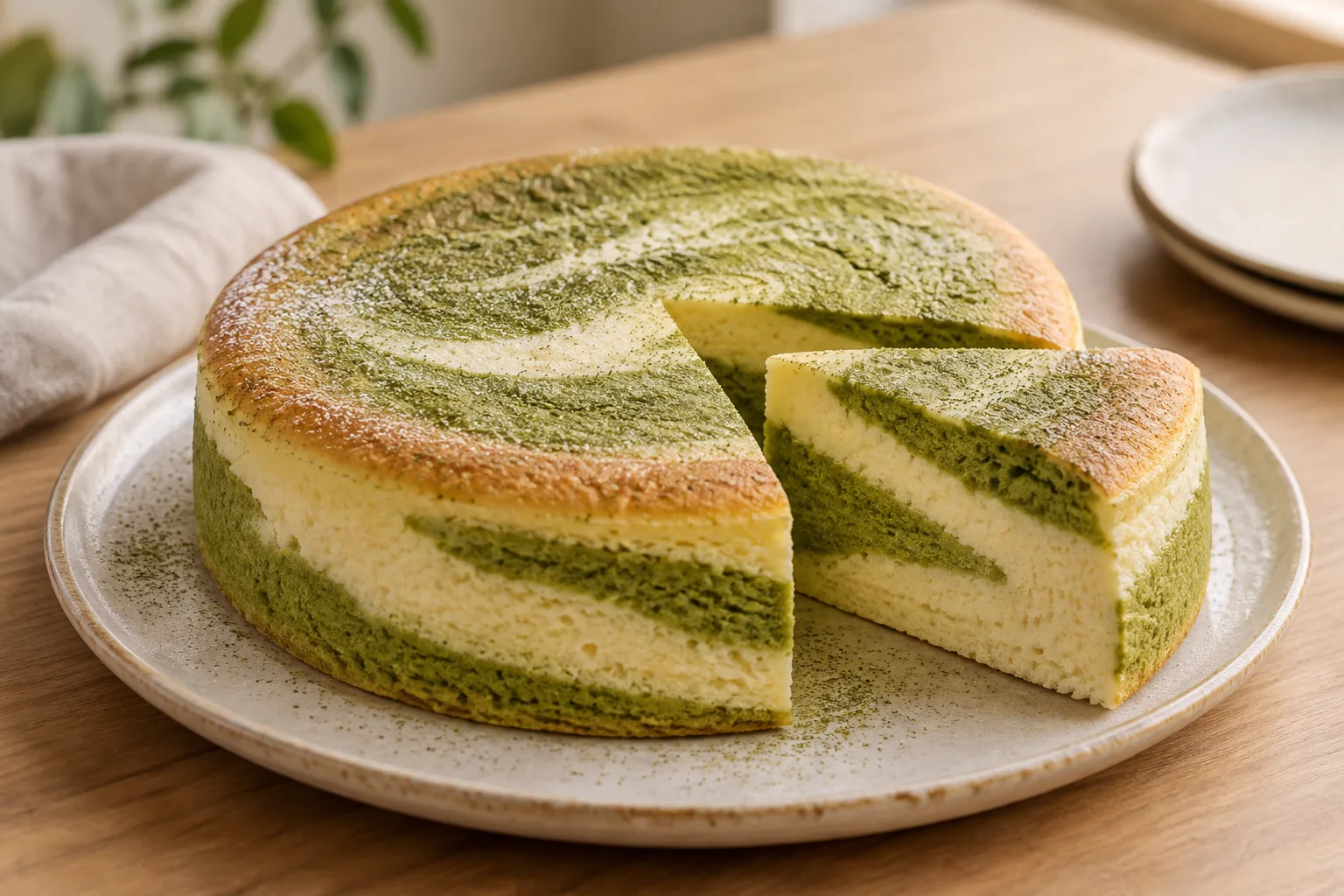
Japanese Matcha Cheesecake
A light, airy Japanese cheesecake with matcha and green-and-white bands. Servings and preparation time are estimates.
View recipe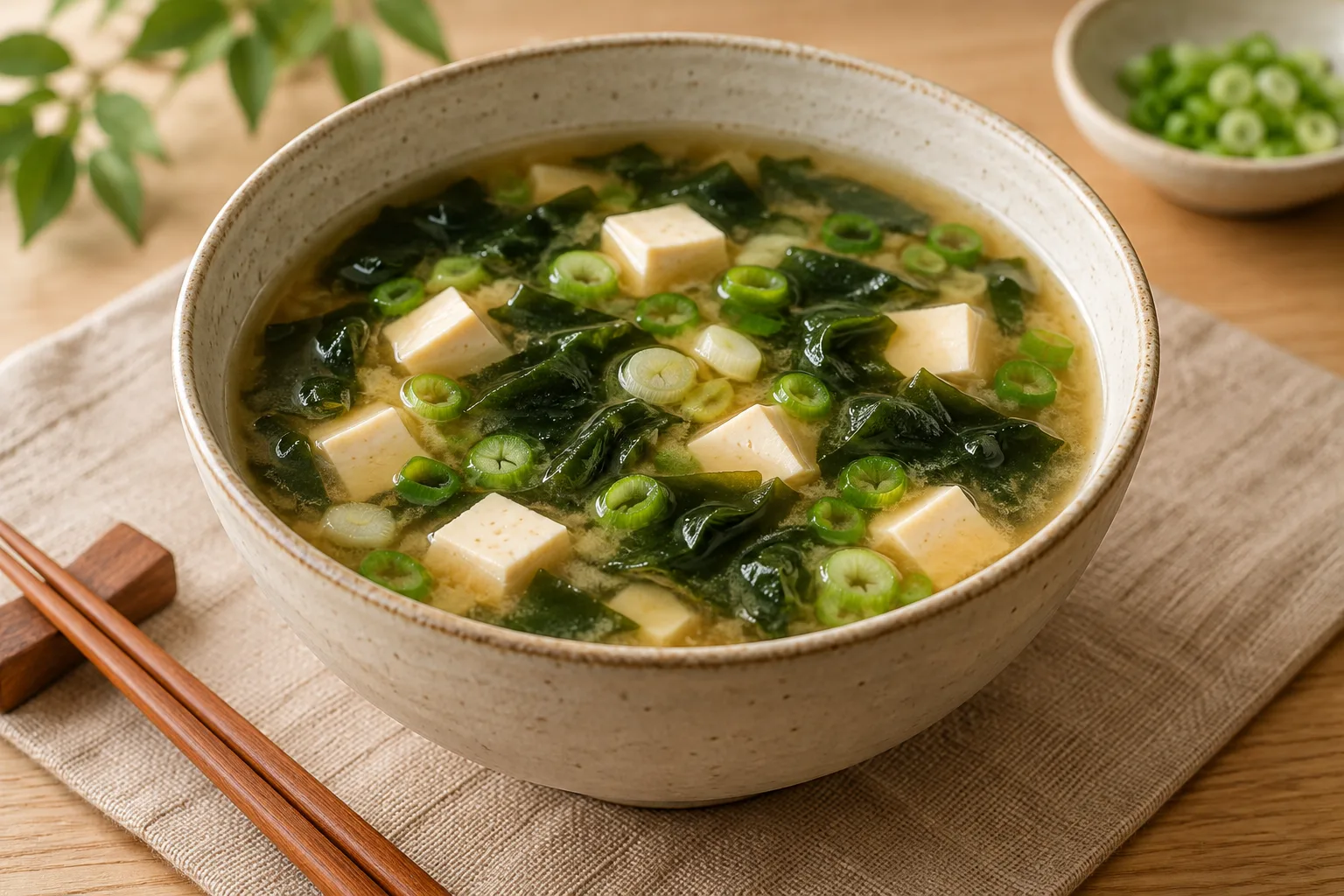
Vegetarian Miso Soup with Tofu and Wakame
Japanese miso soup for 4, made with tofu, wakame seaweed, leek and spring onion. It uses water and miso paste, with no fish broth.
View recipe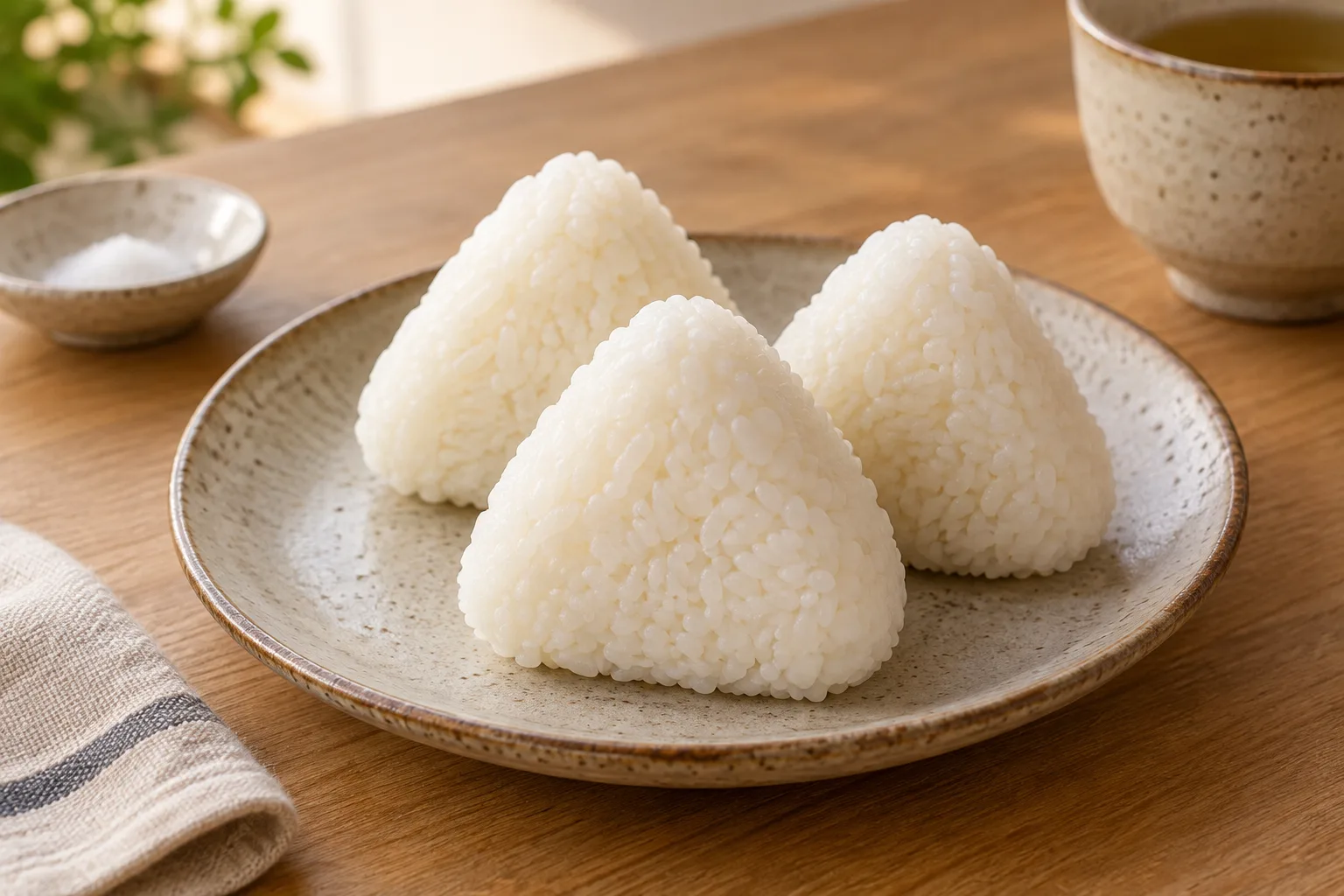
Simple Japanese Onigiri
Japanese short-grain rice bites, lightly salted and shaped by hand into triangles. This simple version has no filling and no vinegar.
View recipe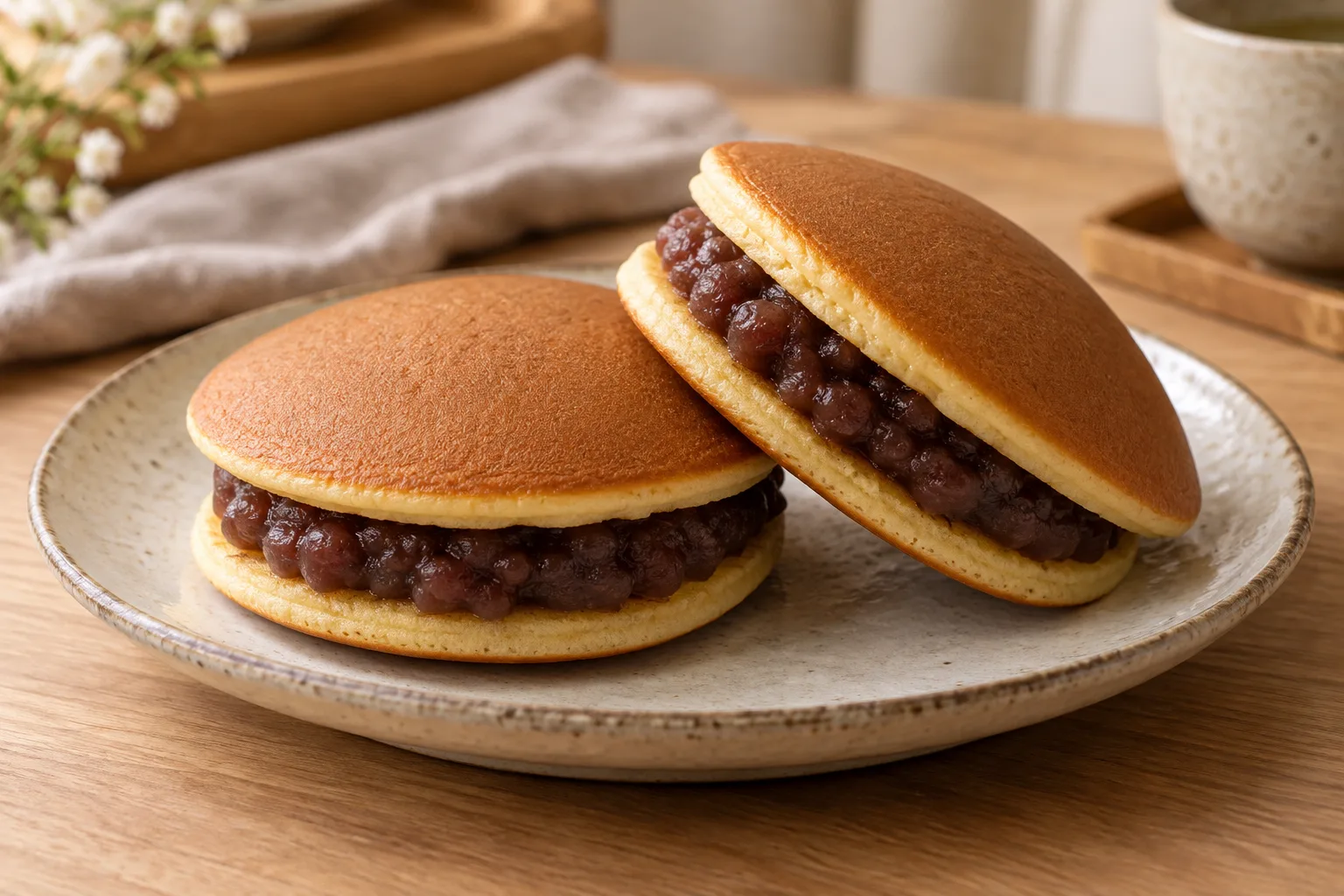
Japanese Dorayaki with Anko
Two soft Japanese pancakes make each dorayaki, enclosing a filling of anko, a sweet azuki bean paste.
View recipe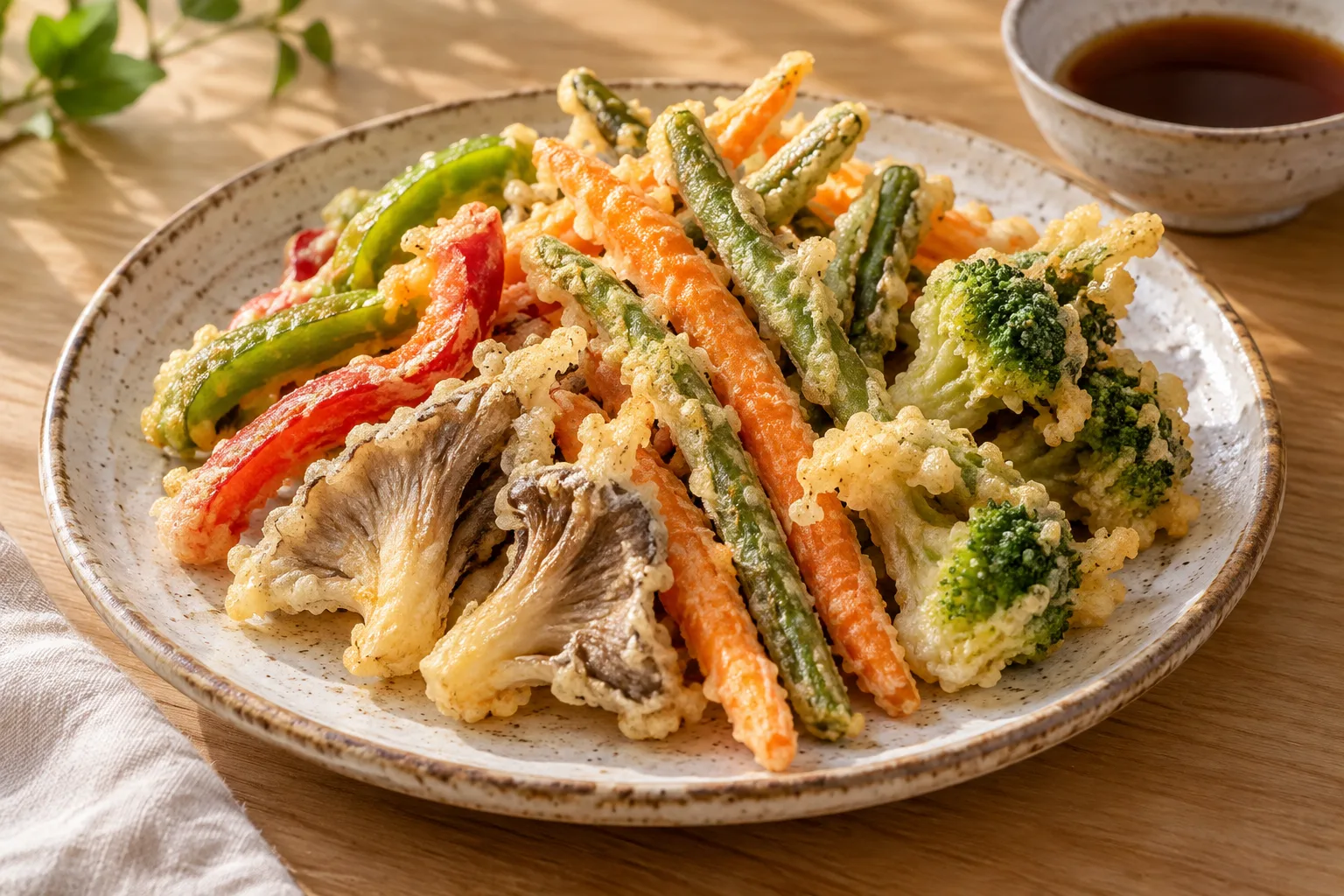
Japanese Vegetable Tempura
Bite-size vegetables coated in a light batter of flour, egg, and very cold water, then quickly fried until crisp.
View recipe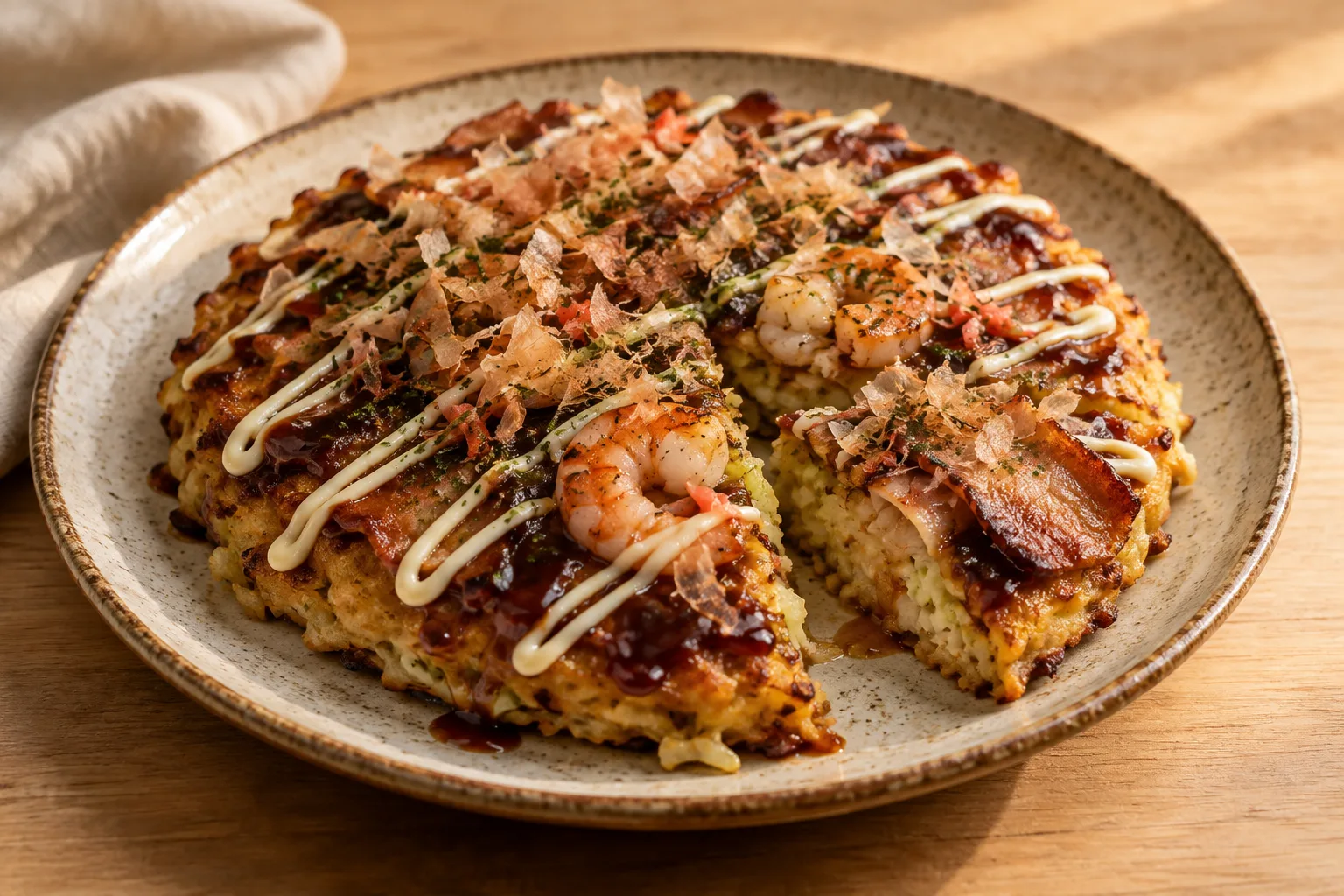
Osaka-style Okonomiyaki
Japanese cabbage pancakes with shrimp and pork belly, served with homemade okonomiyaki sauce. Makes 4 servings.
View recipe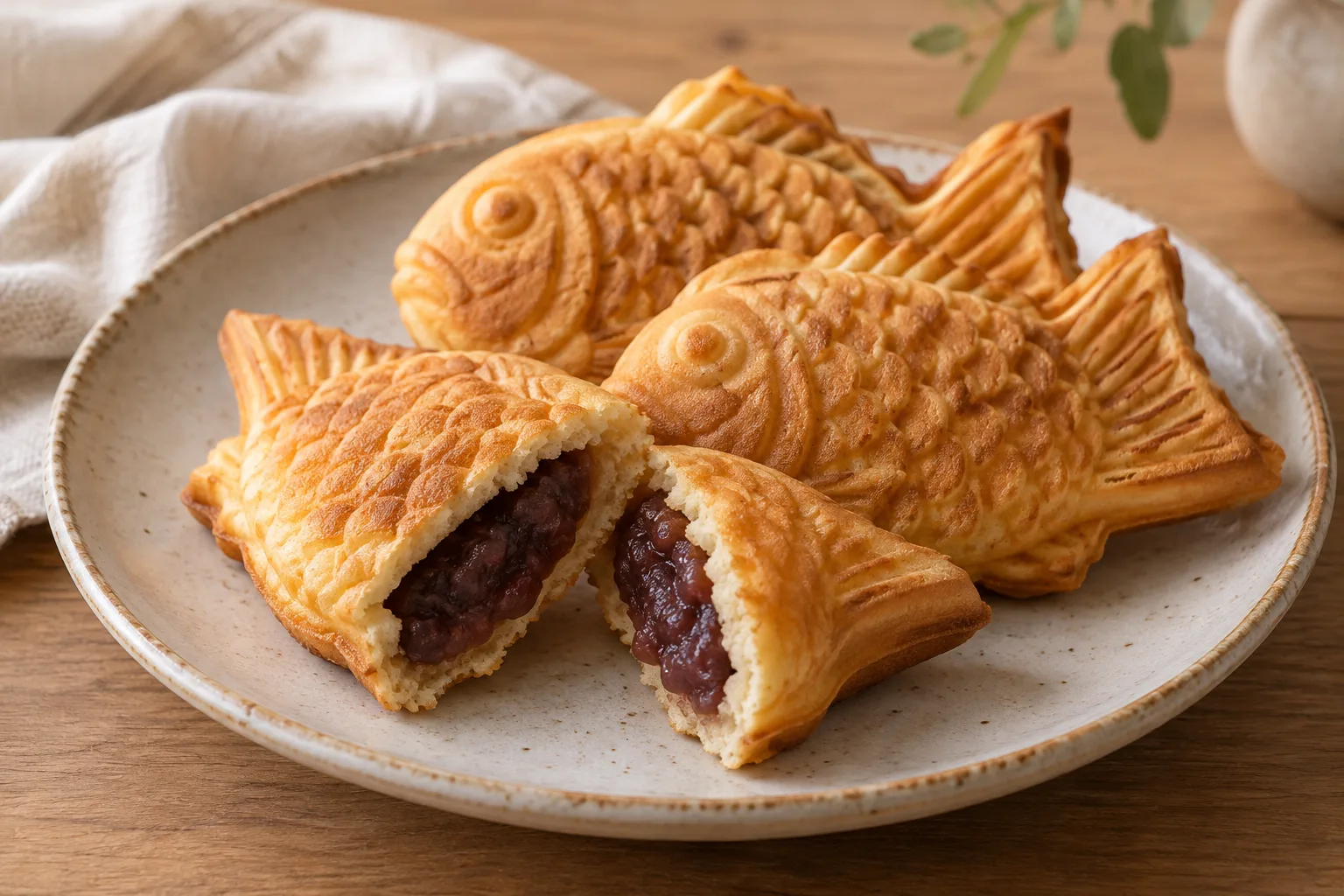
Japanese Taiyaki Filled with Anko
Japanese fish-shaped sweets with a tender, golden batter and a sweet azuki bean paste filling.
View recipe
Sources consulted
Read the sources and each document’s scope. A heritage inscription concerns a particular practice, not all of a country’s cuisine.
- 令和6年国民健康・栄養調査 栄養摂取状況(第1表の1・第5表の1) www.mhlw.go.jp/content/001675212.pdf Ministry of Health, Labour and Welfare, Japan Consulted: November 3, 2026
- 2024年 国民健康・栄養調査 表5-1 official metadata www.e-stat.go.jp/stat-search/files?cycle=7&layout=datalist&month=0&page=1&tclass1=0000012475… e-Stat / MHLW Consulted: November 3, 2026
- 令和6年国民健康・栄養調査 調査の概要 www.mhlw.go.jp/content/001675210.pdf Ministry of Health, Labour and Welfare, Japan Consulted: November 3, 2026
- Chirimen Sansho — Kyoto City www.maff.go.jp/e/policies/market/dento_syoku/menu/tirimen_sansyo.html Ministry of Agriculture, Forestry and Fisheries, Japan Consulted: November 3, 2026
- Sansho no Tsukudani — Hyogo Prefecture www.maff.go.jp/e/policies/market/k_ryouri/search_menu/4878/index.html Ministry of Agriculture, Forestry and Fisheries, Japan Consulted: November 3, 2026
- Okonomiyaki de Osaka www.kitchenpause.com/es/recetas/okonomiyaki-de-osaka KitchenPause Consulted: November 3, 2026
- Eating patterns in a nationwide sample of Japanese aged 1–79 years from MINNADE study: eating frequency, clock time for eating, time spent on eating and variability of eating patterns europepmc.org/articles/PMC9991801 Public Health Nutrition Consulted: November 3, 2026
- Association between meal context and meal quality: an ecological momentary assessment in Japanese adults europepmc.org/articles/PMC11377557 European Journal of Nutrition Consulted: November 3, 2026
- Characterisation of breakfast, lunch, dinner and snacks in the Japanese context: an exploratory cross-sectional analysis europepmc.org/articles/PMC9991704 Public Health Nutrition Consulted: November 3, 2026
- Factors Influencing Changes in Food Preparation during the COVID-19 Pandemic and Associations with Food Intake among Japanese Adults europepmc.org/articles/PMC8620480 Nutrients Consulted: November 3, 2026
- 2006 Survey on Time Use and Leisure Activities: Summary of Results, Questionnaire A www.stat.go.jp/english/data/shakai/2006/pdf/jikan-a.pdf Statistics Bureau of Japan Consulted: November 3, 2026
- Outline of the 2006 Survey on Time Use and Leisure Activities www.stat.go.jp/english/data/shakai/2006/gaiyo.htm Statistics Bureau of Japan Consulted: November 3, 2026
- Taiyaki japonés relleno de anko www.kitchenpause.com/es/recetas/taiyaki-japones-relleno-de-anko KitchenPause Consulted: November 3, 2026
- Tempura japonesa de verduras www.kitchenpause.com/es/recetas/tempura-japonesa-de-verduras KitchenPause Consulted: November 3, 2026
- Dorayaki japonés con anko www.kitchenpause.com/es/recetas/dorayaki-japones-con-anko KitchenPause Consulted: November 3, 2026
- Onigiri japonés sencillo www.kitchenpause.com/es/recetas/onigiri-japones-sencillo KitchenPause Consulted: November 3, 2026
- Sopa de miso vegetariana con tofu y wakame www.kitchenpause.com/es/recetas/sopa-de-miso-vegetariana-con-tofu-y-wakame KitchenPause Consulted: November 3, 2026
- Japanese Cuisine — ichiju sansai www.maff.go.jp/e/policies/market/japan-cuisine/index.html Ministry of Agriculture, Forestry and Fisheries, Japan Consulted: November 3, 2026
- Interpretation of Japanese food guide spinning top — standard reference servings www.maff.go.jp/j/balance_guide/attach/pdf/index-1.pdf Ministry of Agriculture, Forestry and Fisheries, Japan Consulted: November 3, 2026
- FY2005 Annual Report — guide adoption in June2005, Table3 www.maff.go.jp/e/pdf/fy2005_rep.pdf Ministry of Agriculture, Forestry and Fisheries, Japan Consulted: November 3, 2026
- Senmaizuke — Kyoto www.maff.go.jp/e/policies/market/k_ryouri/search_menu/1900/index.html Ministry of Agriculture, Forestry and Fisheries, Japan Consulted: November 3, 2026
- Soy sauce, miso and other seasonings — types and production www.maff.go.jp/e/policies/market/dento_syoku/bunrui/syouyu-miso.html Ministry of Agriculture, Forestry and Fisheries, Japan Consulted: November 3, 2026
- Consumer Confidence Survey March2026 — methods and Table3 household durable ownership www.esri.cao.go.jp/jp/stat/shouhi/honbun202603.pdf Economic and Social Research Institute, Cabinet Office, Japan Consulted: November 3, 2026
- Association of Free Sugars Intake with Cardiometabolic Risk Factors among Japanese Adults: The2016National Health and Nutrition Survey,Japan europepmc.org/articles/PMC7761430 Nutrients / original research Consulted: November 3, 2026
- Young consumers’ perceptions of and preferences for alternative meats: an empirical study in Japan and China www.frontiersin.org/journals/sustainable-food-systems/articles/10.3389/fsufs.2023.1290131/fu… Frontiers in Sustainable Food Systems / original research Consulted: November 3, 2026
- How to brew and enjoy delicious Uji tea — Daifuku tea on New Year’s Day www.ujicha.or.jp/en/knowledge/howto/ Kyoto Prefectural Tea Industry Chamber Consulted: November 3, 2026
- 家計調査報告 家計収支編 2025年平均結果の概要 www.stat.go.jp/data/kakei/sokuhou/tsuki/pdf/fies_gaikyo2025.pdf Statistics Bureau of Japan Consulted: November 3, 2026
- MIS法を用いた最低生活水準の推計 — 食費の価格調査方法 mhlw-grants.niph.go.jp/system/files/2010/101011/201001049A/201001049A0008.pdf MHLW-funded original MIS research; Iwata, Abe and colleagues Consulted: November 3, 2026
- MIS法を用いた最低生活水準の推計 — 中学3年生男子の固定献立・食費計算 mhlw-grants.niph.go.jp/system/files/2010/101011/201001049A/201001049A0011.pdf MHLW-funded original MIS research; Iwata, Abe and colleagues Consulted: November 3, 2026
- 牛丼 — 店内・テイクアウト価格 www.yoshinoya.com/menu/gyudon/gyu-don/ Yoshinoya Consulted: November 3, 2026
- 秋の牛丼フェス2026(終了)— 通常価格と特別価格 www.yoshinoya.com/campaign/gyudon_fes_202610/ Yoshinoya Consulted: November 3, 2026
- 令和7年度 食生活・ライフスタイル調査 www.maff.go.jp/j/zyukyu/survey/attach/pdf/lifestyle-12.pdf Ministry of Agriculture, Forestry and Fisheries, Japan Consulted: November 3, 2026
- スーパーマーケット白書2026 — 消費者調査2025 www.super.or.jp/wp/wp-content/uploads/2026/03/NSAJ-Supermarket-hakusho2026.pdf National Supermarket Association of Japan Consulted: November 3, 2026
- 生活科学研究 No.52 — 2025年中食調査 www.nisshin-oillio.com/report/report/images/no52/no52.pdf Nisshin OilliO Consulted: November 3, 2026
- 令和7年度 食品廃棄物等の発生抑制及び再生利用の促進の取組に係る実態調査 報告書(令和8年3月) www.env.go.jp/recycle/foodloss/pdf/houkokusyo_r07.pdf Ministry of the Environment, Japan Consulted: November 3, 2026
- 2024年度の食品ロス量 — 消費者庁大臣発言要旨(2026年6月30日) www.caa.go.jp/notice/statement/kikawada2/046772.html Consumer Affairs Agency, Japan Consulted: November 3, 2026
- Hokkaido — Our Regional Cuisines www.maff.go.jp/e/policies/market/k_ryouri/search_menu/pref/hokkaido/index.html
- Kyoto — Our Regional Cuisines www.maff.go.jp/e/policies/market/k_ryouri/search_menu/pref/kyoto/index.html
- Okinawa — Area stories www.maff.go.jp/e/policies/market/k_ryouri/areastory/1494/index.html
- Okonomiyaki — Our Regional Cuisines www.maff.go.jp/e/policies/market/k_ryouri/search_menu/5798/index.html MAFF